
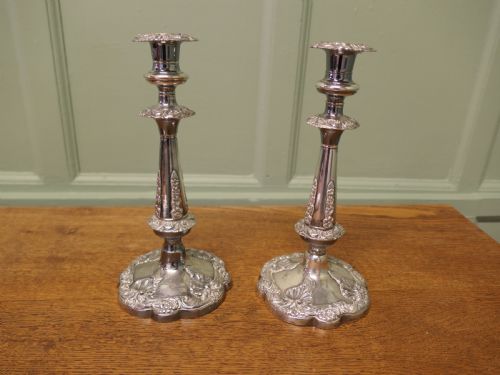
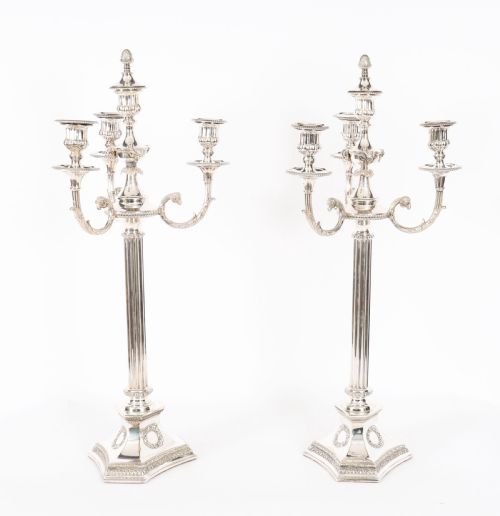

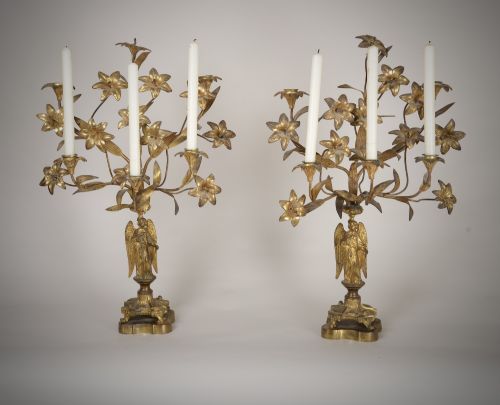
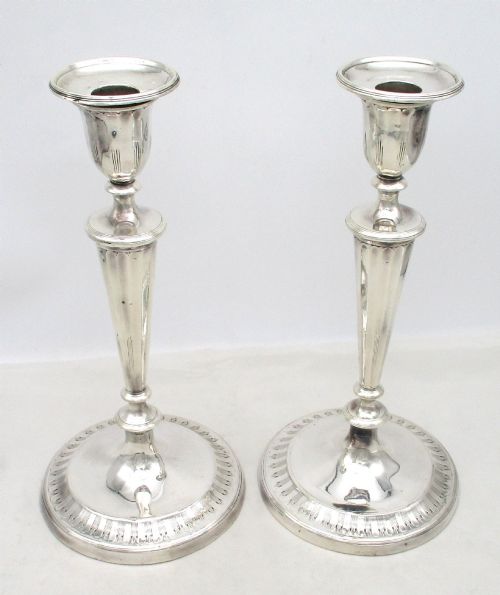
Pair 19th Century Candlesticks
Pair 19th century candlesticks bring functional illumination and sculptural presence to an interior, forged from diverse metals and stones.
Pair 19th Century Candlesticks
When a collector searches for pair 19th century candlesticks, they encounter items originating from the Regency, Victorian, and Georgian eras, spanning the entire nineteenth century. These objects include standard candle holders, chambersticks, multi-light candelabra, and pricket sticks intended for altars.
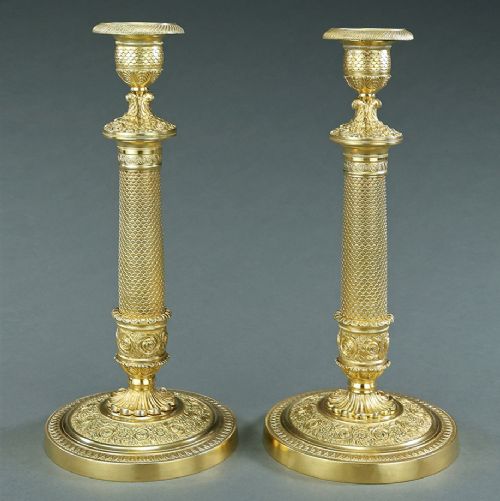
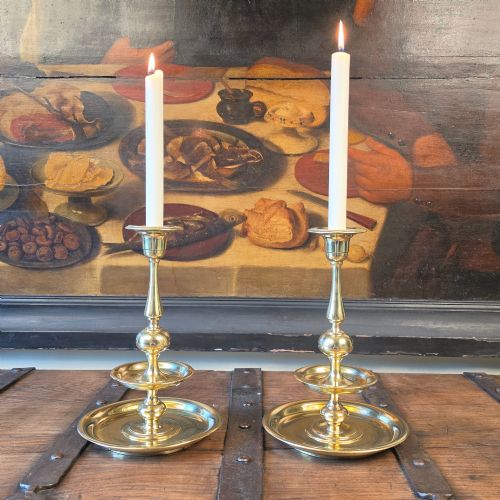
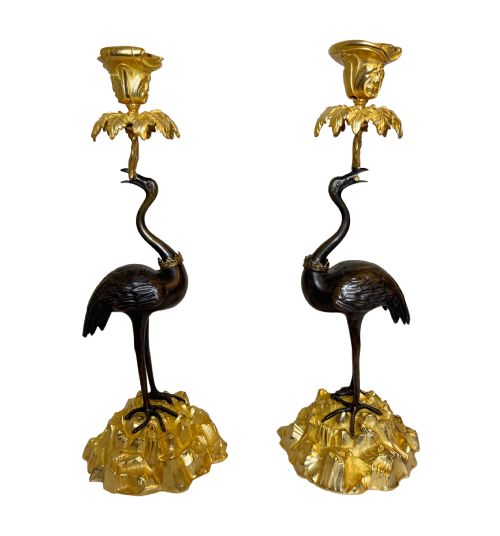
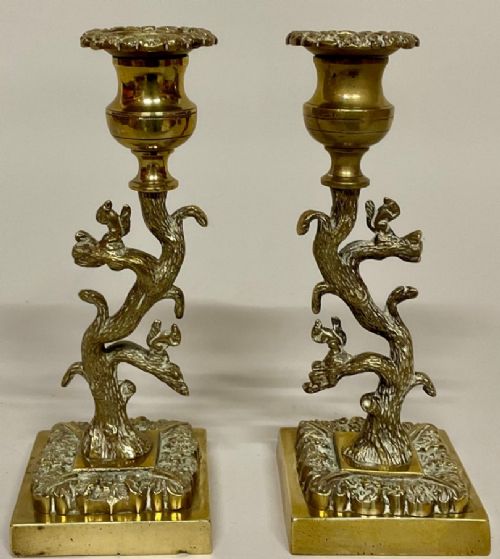
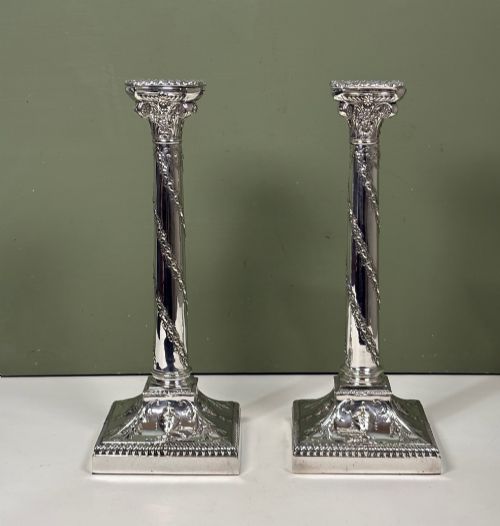
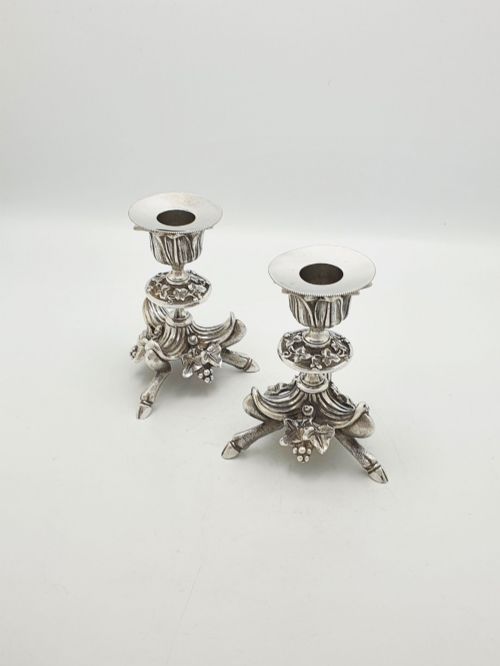
The most common examples met on this page are constructed from brass, often featuring simple columns, twists, or ejector mechanisms designed to push out spent wax. Alongside utilitarian brass, the selection includes decorative pairs cast in bronze, ormolu, silver plate, and spelter, frequently ornamented with figural motifs.
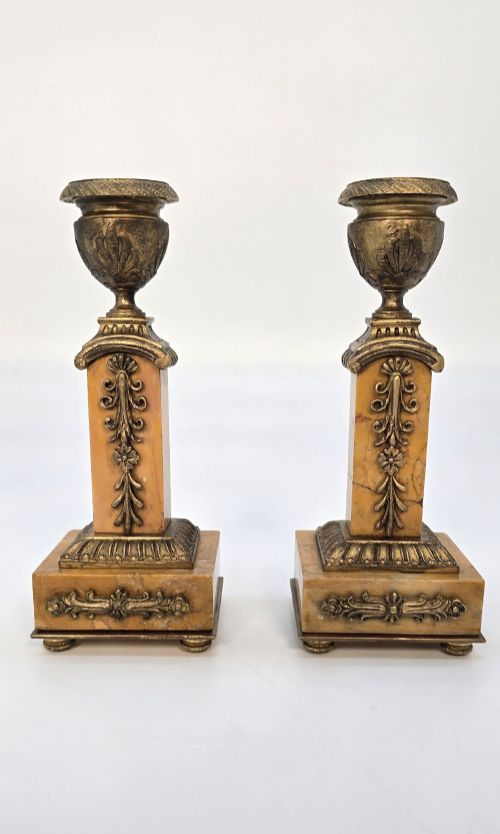
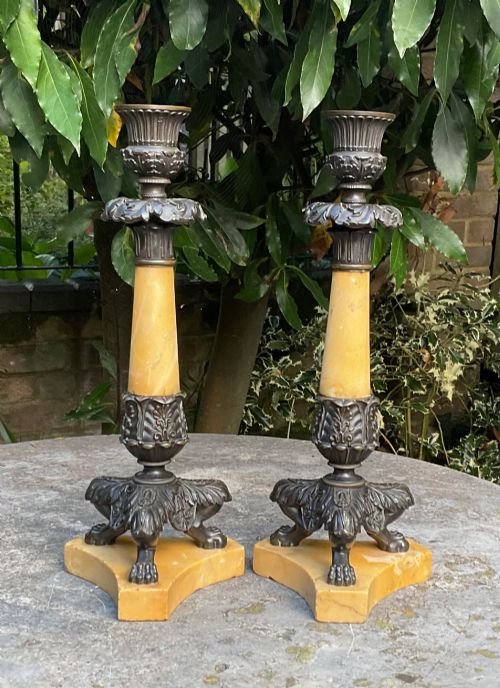
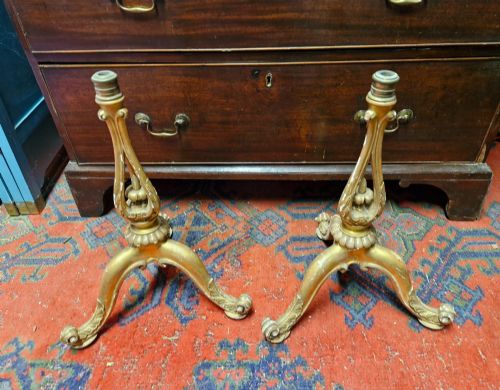
Continental and English workshops produced these pieces to suit changing domestic tastes, moving from the restrained symmetry of the classical revival to exuberant rococo and gothic interpretations. Many surviving pairs incorporate marble or onyx bases, while others take the form of sculptural animals, cherubs, or classical maidens.
Materials and Construction
Makers utilised metalcasting techniques, pouring brass, bronze, and gilt bronze into moulds before finishing the surfaces by hand with chisels and files. Seamed brass construction is visible on many mid-century examples, where components were joined together before polishing.
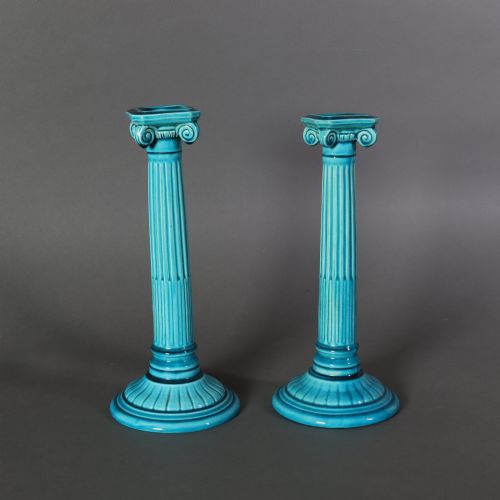
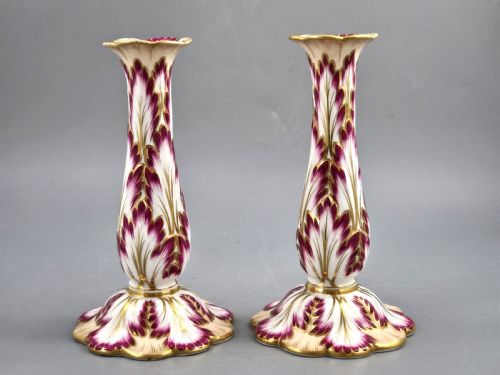
Combination pieces frequently pair cast metals with hardstones, mounting bronze figures upon white marble, onyx, or agate plinths. Silver plating and ormolu fire-gilding provided a lustrous surface finish over base metals, while porcelain variations incorporated hand-painted floral foliage and patterns.
Materials span heavy brass, mercury glass, carved wood, porcelain, and patinated bronze mounted on marble.
Assessing the Pieces
Distinction in quality rests upon the crispness of the casting and the precision of the chasing work on the metal surface. Superior items display sharply defined details in figural elements, foliage, and architectural moulding without smoothing or softening from worn moulds.
The weight and integrity of the materials dictate the standard of the pair, with heavy, solid brass or rich patinated bronze commanding greater appreciation than lighter, thin-walled alternatives. Original gilding, uncompromised patination, and matching proportions across both components separate standard production items from finer studio creations.
Ridgway·Barr Flight And Barr·Garrard And Co·Thomas Bradbury And Sons
The Pair 19th Century Candlesticks Glossary
- Ormolu
- Gilded bronze, where a layer of gold amalgam is applied to a bronze base and heated to drive off the mercury.
- Ejector
- A concealed internal mechanism operated by a thumb-slide that pushes the candle remnant out of the socket.
- Pricket
- A sharp metal spike set in the drip pan to secure a candle, commonly found on church or altar sticks.
- Candelabra
- A branched candlestick holding multiple lights on a single stem or base.
- Spelter
- A zinc alloy used as a cheaper substitute for bronze, often painted to resemble other metals.
Pair 19th Century Candlesticks: Frequently Asked Questions
How do I clean antique brass candlesticks?
Maintenance requires only a soft cloth to remove dust, preserving the natural aged patina built up over generations.
Harsh chemical polishes strip away the historical surface finish and reduce the visual depth of the metal.
Were these candlesticks converted to lamps?
Many nineteenth-century pairs were adapted during the twentieth century to accommodate electrical wiring for modern home lighting.
Collectors weigh the original untouched configuration against the practical utility of wired table lamps.
How can I tell a Regency pair from a Victorian pair?
Regency items generally reflect classical restraint, drawing on ancient Roman and Greek motifs with clean lines and geometric bases.
Victorian examples tend towards ornate ornamentation, embracing revival styles like rococo, gothic, and naturalistic flora and fauna.