



Painter Studio Easel
A painter studio easel gives a workspace genuine character while holding canvas securely for real work.
Painter Studio Easel
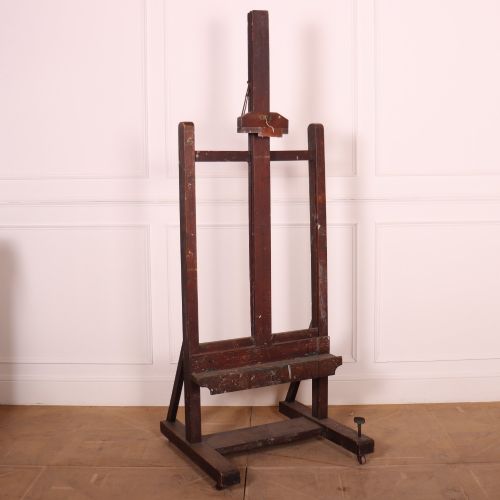
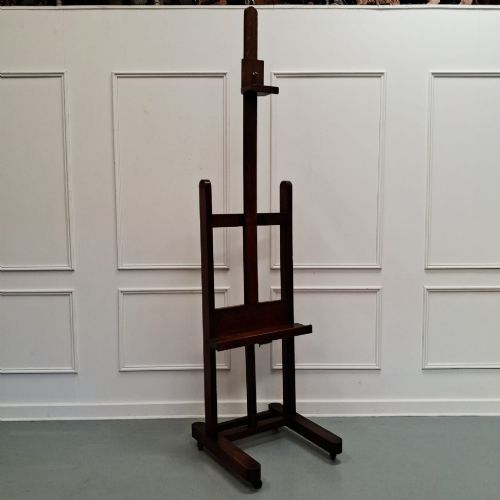
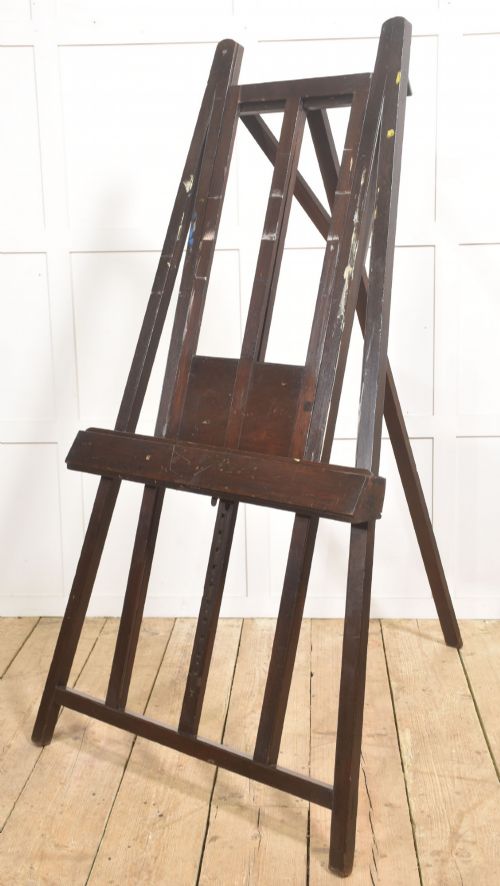
A painter studio easel provides a sturdy wooden or metal support designed to hold canvases upright during creation. When looking for a painter studio easel, collectors encounter floor-standing models from the nineteenth and twentieth centuries.
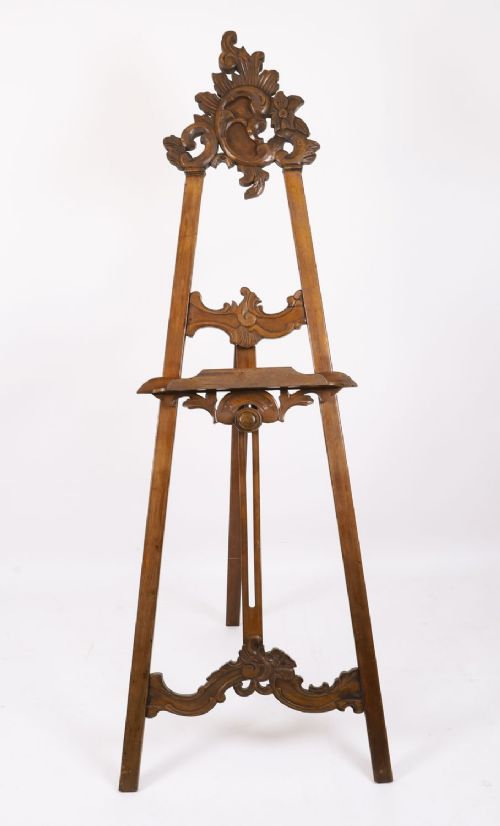
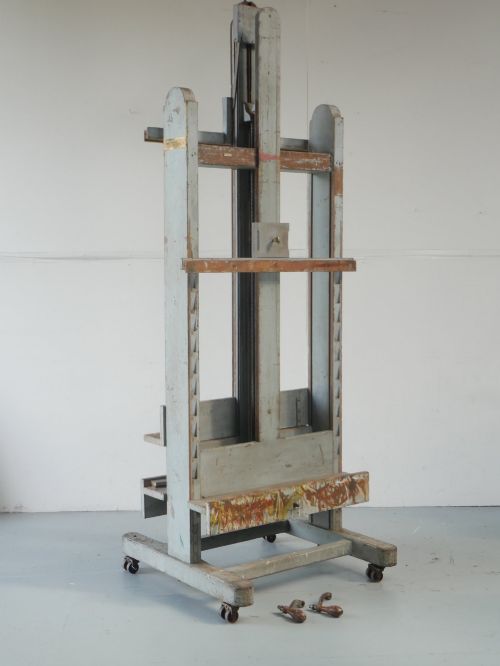
The selection includes large double-sided studio frames, fully adjustable oak examples, and ornate walnut chevalet pieces. These heavy-duty apparatuses reflect various eras from Victorian workshops to modern British studios.
Origin details span French workshops, Scottish cabinetry, and British school rooms. Buyers mostly meet substantial timber frameworks designed for serious artists rather than lightweight field sketching.
How they were made
Makers utilised dense hardwoods such as oak, mahogany, and walnut to build frames capable of supporting heavy oil paintings. Brass and cast iron components provided mechanical adjustment for height and angle without slipping.
Joinery involved sturdy pegging and mortise techniques to withstand the downward pressure of large canvases. Metal crank handles and rack-and-pinion gear systems allowed artists to raise and lower heavy works smoothly.
Painter Studio Easel Retail Price Guide 2026
Typical asking prices for painter studio easel among the pieces listed under this phrase on Sellingantiques today, from the lower quarter to the upper quarter. They describe what is for sale here now, not the wider market.
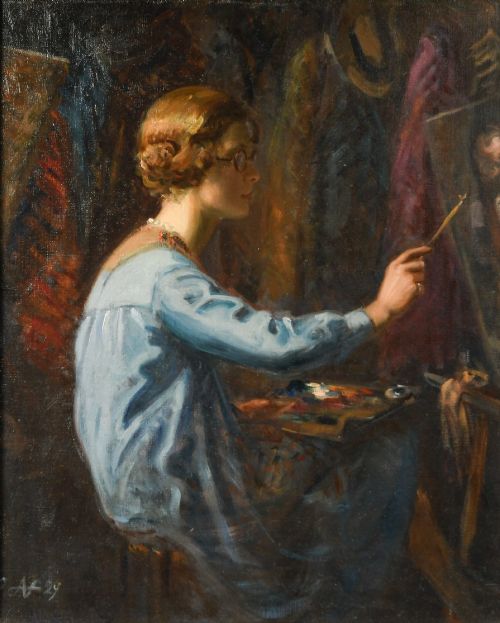
One portrait captures the artist directly in the act, painting while standing beside their studio easel.
What varies in quality
The sophistication of the mechanical adjustment mechanism separates standard utilitarian frames from superior studio pieces. Cast iron gears and brass winding keys operate with greater precision than simple notched wooden brackets.
Timber selection dictates overall longevity, with figured mahogany and quarter-sawn oak showing superior grain stability compared to plain utility timber. Finer pieces incorporate decorative carving, such as Rococo Revival motifs, rather than purely functional joints.
Windsor and Newton
The Painter Studio Easel Glossary
- Chevalet
- A French term for a small easel, often applied to ornate tabletop or studio models used for smaller canvases.
- Rococo Revival
- A nineteenth-century design style incorporating exuberant C-scrolls, asymmetric ornamentation, and naturalistic shell motifs.
- Double Sided
- A heavy studio configuration allowing two artists to work simultaneously on opposite sides of the central mast.
- Quarter-Sawn
- A method of log milling that produces timber with parallel growth rings, offering greater resistance to warping in large upright frames.
Painter Studio Easel: Frequently Asked Questions
How do I adjust a vintage studio easel?
Vintage studio pieces typically employ a combination of wooden pegs, sliding brackets, or brass winding handles connected to internal cords or metal rack gears. Turning the handle or shifting the peg allows the central carriage to move upward.
Carefully support the weight of the canvas shelf with one hand while operating the locking mechanism to prevent sudden drops. Older cast iron and brass parts appreciate a light application of oil if movement feels stiff.
Can I use an antique easel for large paintings?
Many nineteenth-century studio models were constructed specifically to carry heavy, oversized canvases and oil paintings without tipping. Large double-sided frames and heavy mahogany or oak structures offer the stability required for substantial artworks.
Check that the base footprint and floor casters are secure before mounting heavy works. Distribute weight evenly across the central mast to maintain balance.
What woods were used for nineteenth century easels?
Frameworks from the nineteenth century frequently utilise domestic and imported hardwoods such as oak, mahogany, and walnut. These timbers provided the density and weight needed to anchor large upright frames firmly against studio floors.
Secondary woods and industrial pieces sometimes incorporate cast iron, brass, and general timber framing. Each material reflects the workshop traditions of its origin, from Scottish oak cabinets to French walnut furniture.
How do I identify French studio easels?
French studio pieces often exhibit distinct stylistic cues, such as Rococo Revival carving, lighter walnut frames, or specific manufacturer configurations dating around eighteen ninety. Their decorative touches separate them from utilitarian British workshop equipment.
Examining the timber grain and any surviving brass hardware helps confirm the regional origin. These pieces combine decorative flair with practical studio utility.