





Painted Wooden Storage
These painted wooden storage pieces offer practical utility combined with decorative surface finishes spanning multiple centuries.
Painted Wooden Storage
Painted wooden storage encompasses a diverse group of domestic furnishings designed to hold household goods while displaying surface decoration. When searching for painted wooden storage, buyers encounter utilitarian chests, cupboards, dressers, and commodes originating from various international traditions.
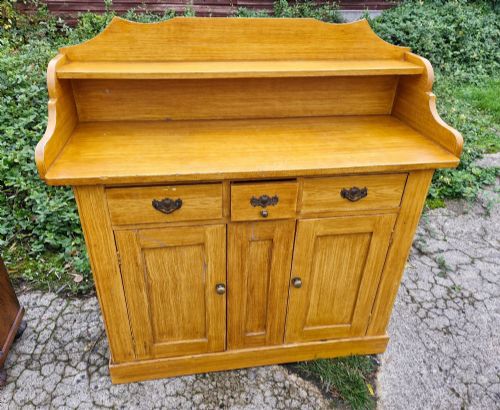
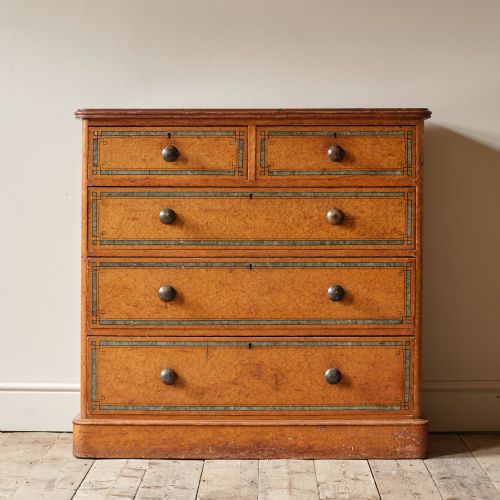
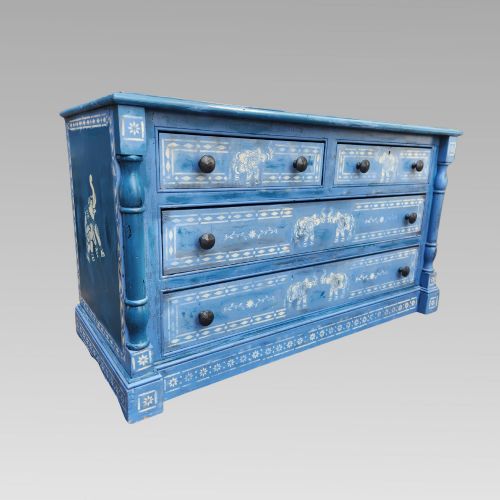
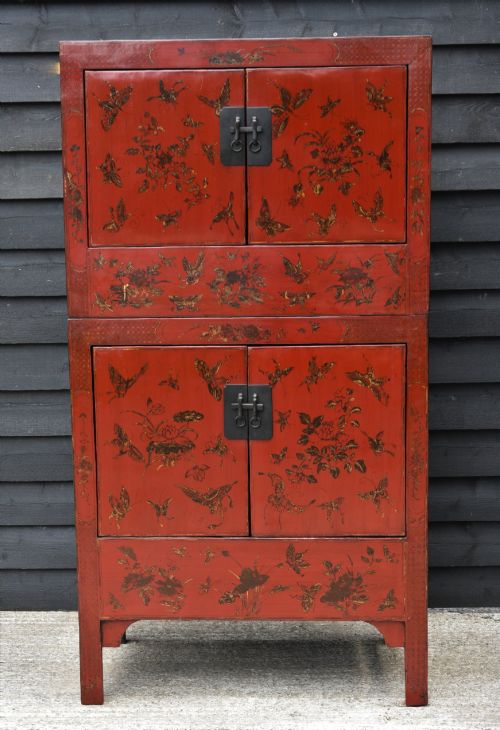
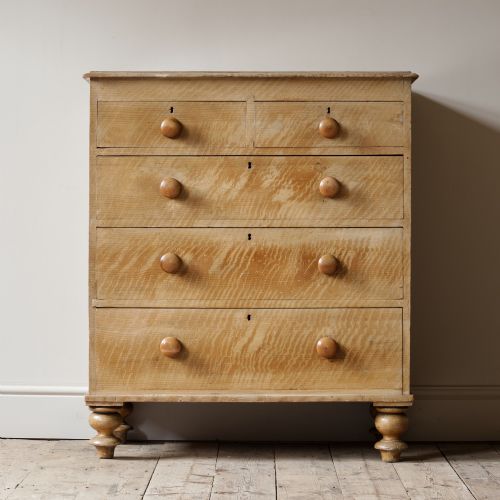
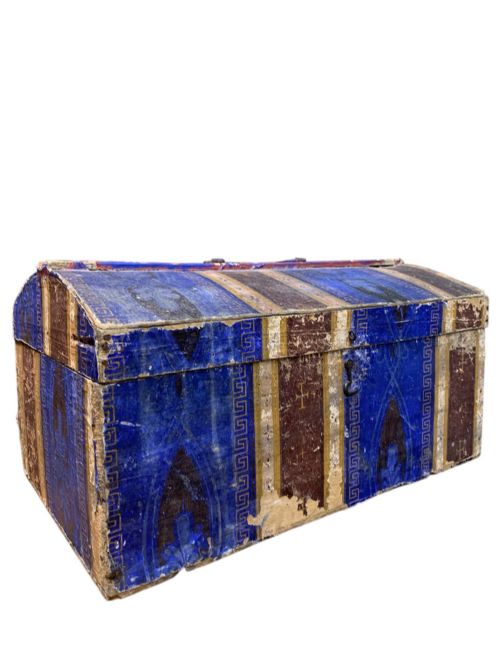
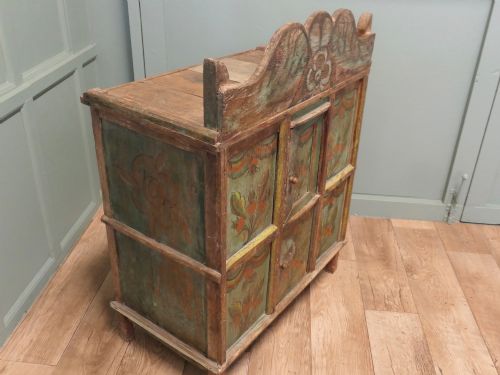
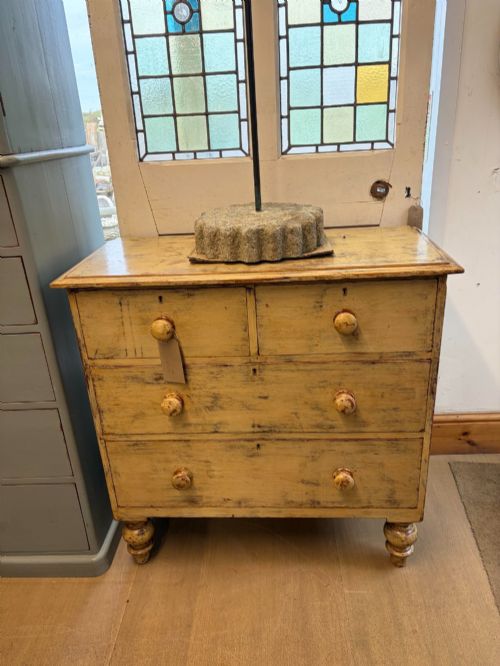
The pieces appearing on this page range from nineteenth-century English pine chests of drawers to eighteenth-century Swedish folk art trunks and Tibetan painted cabinets. Regional styles extend across French provincial, Scandinavian, Austrian, and Indian workshop traditions, each bringing distinct structural forms to domestic storage.
Domestic storage forms vary widely from tall housekeeper cupboards and linen presses to low commodes, side cabinets, and campaign military packing cases. Pine serves as the predominant structural timber across these functional categories, frequently combined with specialised iron or brass hardware.
Materials and construction methods
Carpenters relied principally on pine, ash, and teak to construct the robust frames, carcases, and internal drawers of these storage items. Iron strapwork, brass fittings, and hand-forged hinges reinforced structural joints on heavy trunks and military transport packing cases.
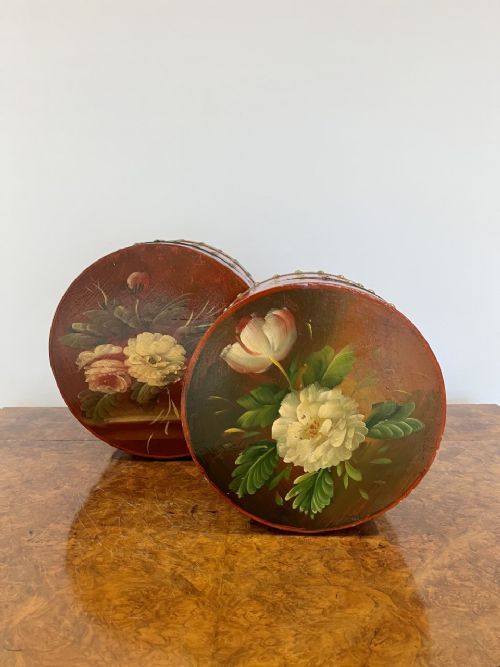
Surface treatments involved applying layers of paint, polychrome decoration, chinoiserie motifs, or lacquer over the timber base. Makers preserved original graining or utilised decorative finishes such as green paint, cream schemes, and red lacquer to enhance the visual character of the wood.
Painted Wooden Storage Retail Price Guide 2026
Typical asking prices for painted wooden storage among the pieces listed under this phrase on Sellingantiques today, from the lower quarter to the upper quarter. They describe what is for sale here now, not the wider market.
Regional furniture origins span English, French provincial, Swedish folk art, Austrian farmhouse, Tibetan, and Indian traditions.
Determinants of quality
Quality separates pieces retaining their original paint finish or authentic graining from those subjected to later modern paint applications. The preservation of historical decorative schemes, whether floral Tibetan detailing or Swedish folk art patterns, dictates the integrity of the surface.
Structural joinery, the retention of original iron or brass hardware, and the harmony between the wooden carcase and its decorative coating define the standard of execution. Pieces maintaining uncompromised regional characteristics represent the higher tier of surviving examples.
Sir Clough Williams Ellis
The Painted Wooden Storage Glossary
- Commode
- A low cabinet or chest of drawers, typically of French origin. These pieces frequently feature decorative painted facades.
- Linen Press
- A tall cupboard designed for storing textiles, usually featuring upper shelving enclosed by doors and lower drawers. They appear often in pine and ash.
- Chinoiserie
- European decorative style reflecting Chinese artistic traditions. It appears on cabinets and furniture through painted motifs.
- Polychrome
- Decorated in multiple colours. This technique defines the painted surface treatment on regional trunks and chests.
- Almirah
- An upright cupboard or wardrobe originating from India. These substantial storage units often feature teak construction.
- Campaign Military Chest
- A sectional packing case designed for transport by military officers. They incorporate recessed brass hardware for travel utility.
Painted Wooden Storage: Frequently Asked Questions
What is a confiturier?
A confiturier is a small French cupboard traditionally used for storing confitures or preserves. These compact painted pine cabinets function well as bedside or side storage.
They represent typical provincial French furniture making from the nineteenth century.
How do I identify original paint?
Original paint exhibits natural craquelure, wear patterns consistent with age, and adherence to the underlying timber grain. Examining the edges and interior surfaces reveals whether the finish dates to the period of manufacture.
Later surface applications often lack the patina and integration found in authentic nineteenth-century or earlier finishes.
Where were pine trunks used?
Pine trunks served primarily for household storage, transport, and safeguarding linens or personal belongings across domestic settings. Their sturdy construction allowed them to withstand heavy daily use in farmhouses and homes.
Carpenters frequently reinforced these storage boxes with hand-forged iron strapwork.
What is a damchiya chest?
A damchiya chest is a traditional Indian dowry storage cupboard built from teak. These items served ceremonial and practical purposes within domestic households.
They frequently display intricate carved details and substantial proportions designed for permanent placement.