

Painted Wooden Storage Drawers
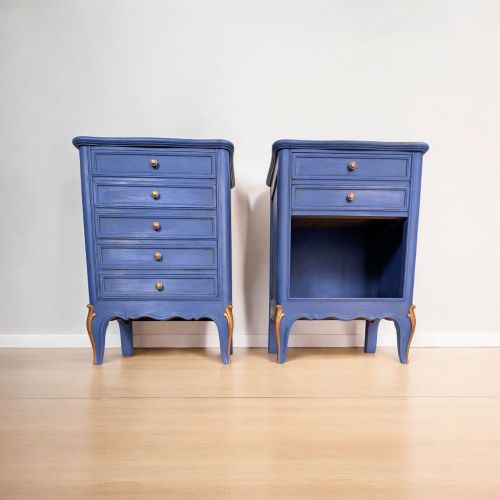
Painted wooden storage drawers bring practical storage and worn character to a room, spanning nineteenth-century pine chests to provincial commodes.
Painted Wooden Storage Drawers
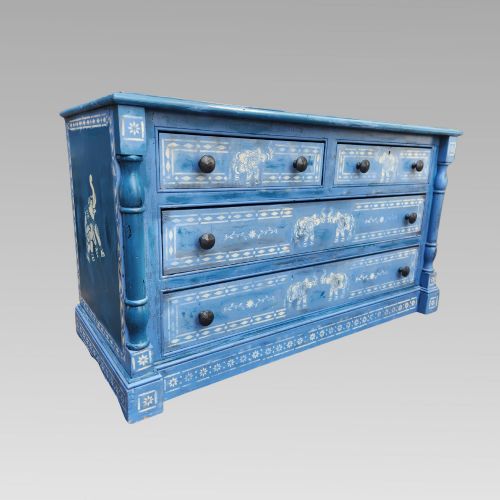
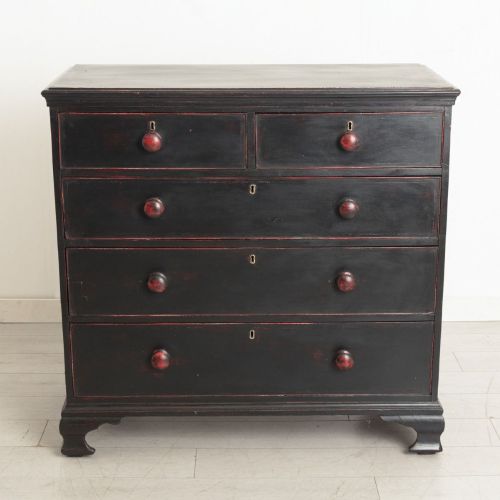
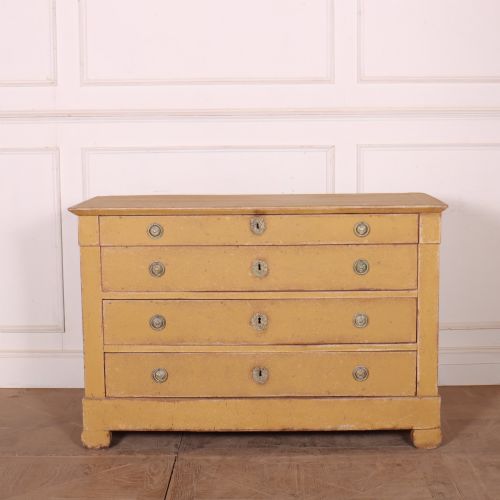
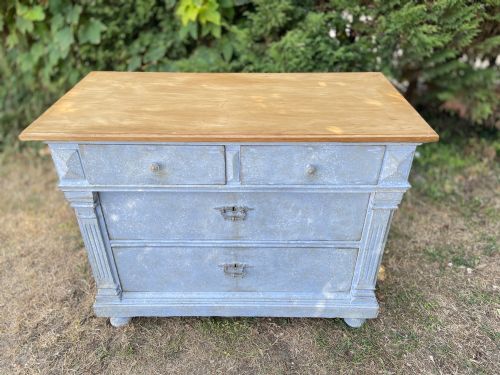
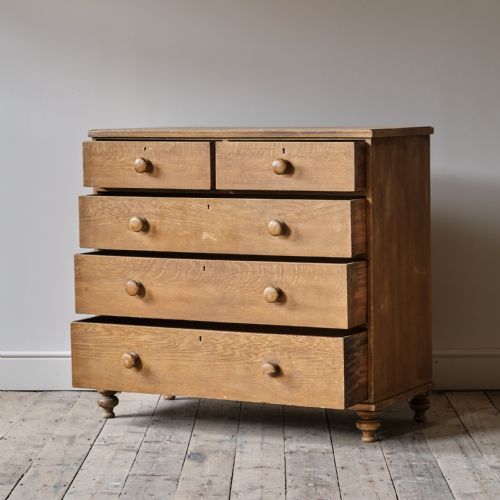
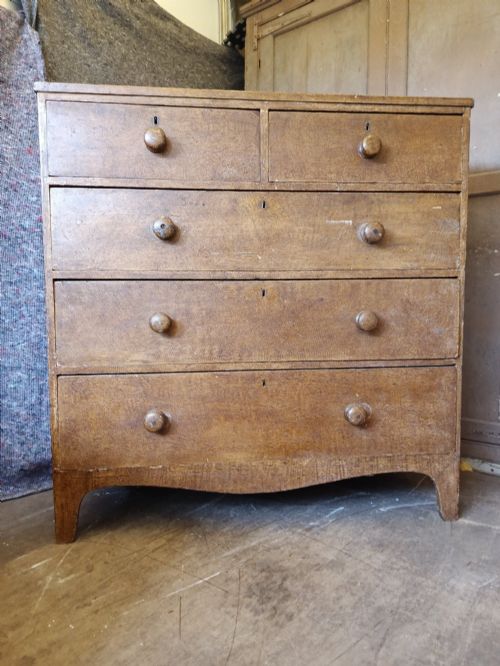
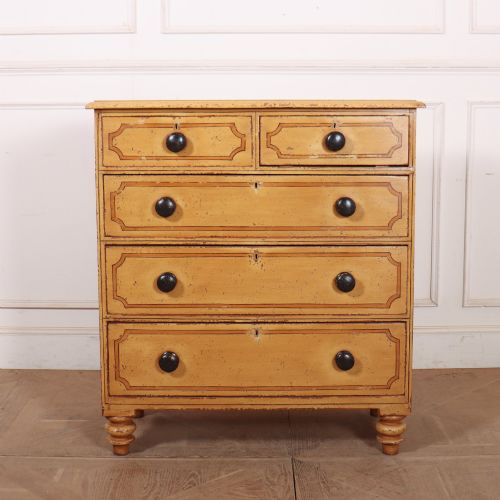
When you search for painted wooden storage drawers, you encounter practical furniture designed to hold garments, household items and linens while introducing surface colour and decorative finish. These pieces include nineteenth-century pine chests, linen presses, dressers, commodes and apothecary-style bank of drawers.
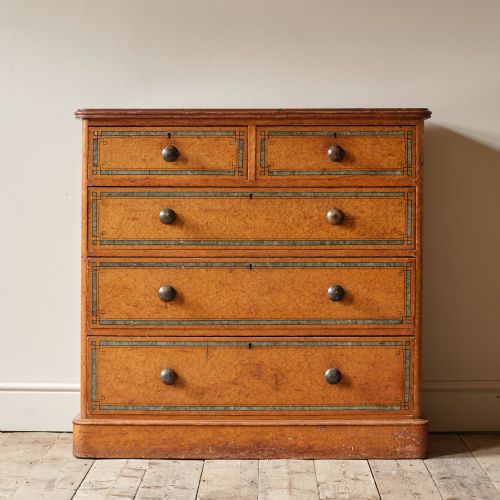
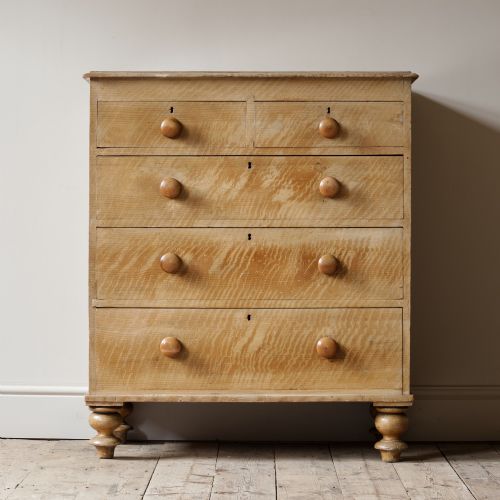
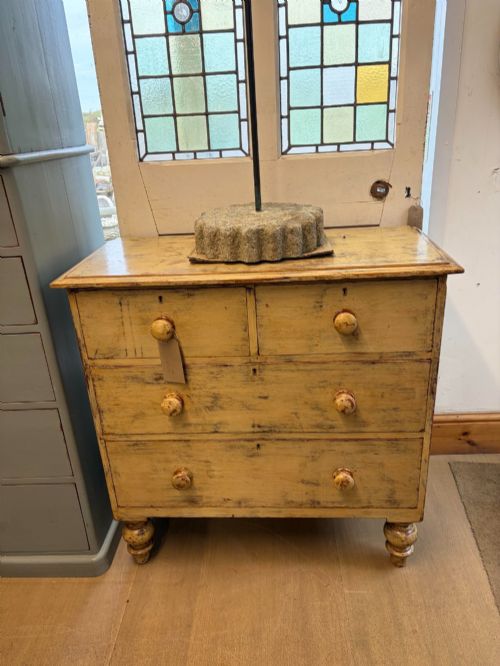
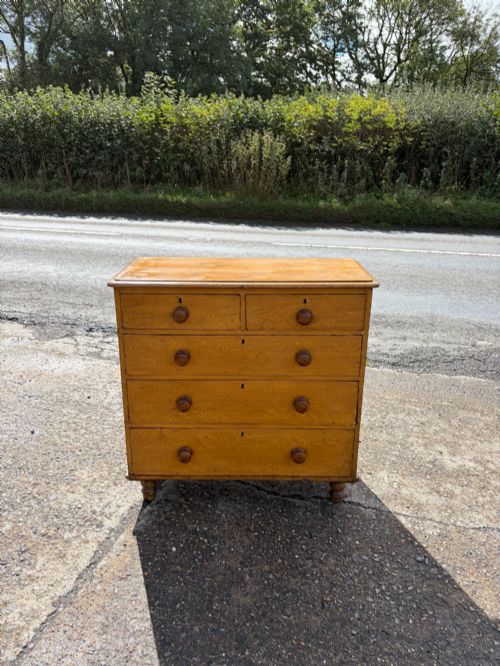
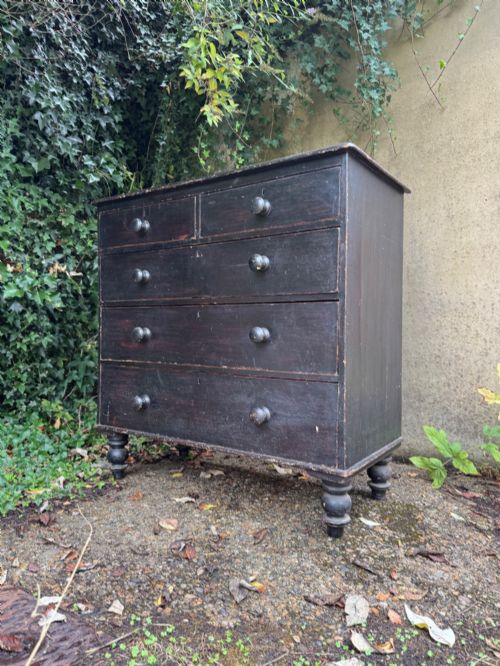
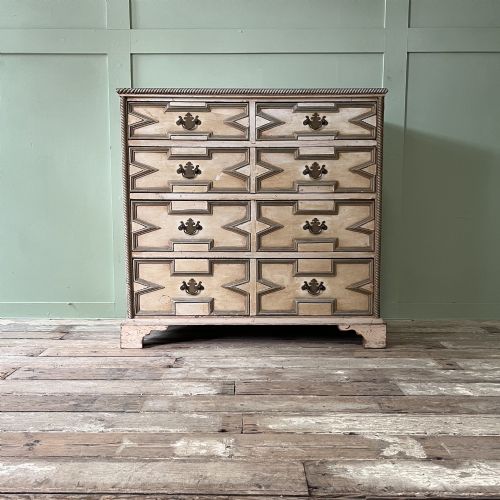
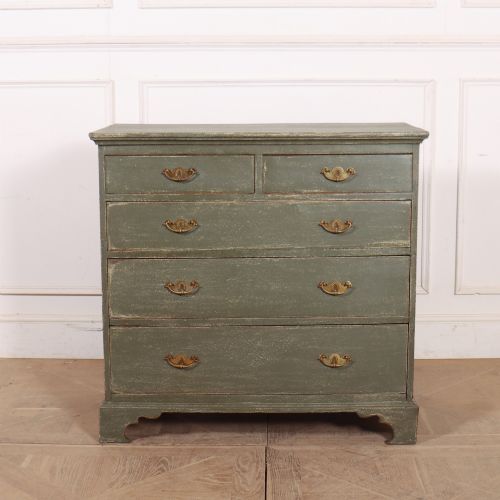
The version you are most likely to meet on this page is the nineteenth-century pine chest of drawers, often finished in original paint, scumble or a muted provincial colour. Many pieces hail from English, French, Victorian and Gustavian traditions, bringing vernacular utility together with decorative painted surfaces.
How they were made
Makers constructed these storage pieces predominantly from solid pine and ash, joining timber with traditional drawer construction methods to withstand daily domestic use. Surfaces were then finished with layers of paint, scumble glaze or specialised pigments, often applied in workshop settings or later refreshed by hand.
Hardware details such as brass pulls, iron handles and metal locks added functional contrast to the painted wooden bodies. Regional variations in joinery and pigment application reflect the specific origins of each piece, from English country workshops to continental ateliers.
Painted Wooden Storage Drawers Retail Price Guide 2026
Typical asking prices for painted wooden storage drawers among the pieces listed under this phrase on Sellingantiques today, from the lower quarter to the upper quarter. They describe what is for sale here now, not the wider market.
Chemist shop fittings bring an abundance of tiny drawers designed to organise powders and potions rather than socks.
What varies in quality
The character of the paint surface distinguishes individual pieces, with surviving original finishes holding greater integrity than later overpainting. The underlying timber construction, the smoothness of drawer operation and the retention of period brass or iron hardware also set examples apart.
Proportion and scale dictate the visual presence of a chest or commode, where balanced drawer arrangements and crisp architectural mouldings elevate utilitarian storage into refined regional furniture.
Sir Clough Williams-Ellis·Edwards and Roberts
The Painted Wooden Storage Drawers Glossary
- Scumble
- A translucent layer of glaze or dark paint manipulated over a lighter base coat to imitate wood grain or create textured depth. This decorative technique appears frequently on nineteenth-century pine furniture.
- Commode
- A low decorative chest of drawers or cabinet originating in France. These pieces often feature shaped fronts and painted finishes.
- Linen Press
- A tall piece of furniture featuring upper cupboard doors enclosing sliding trays for textiles, positioned above lower storage drawers. They provide substantial capacity for household linens.
- Gustavian
- A Swedish neoclassical style characterised by restrained classical symmetry and pale grey or cream painted finishes. It developed during the reign of King Gustav III.
- Mule Chest
- A traditional storage chest fitted with one or two drawers in the base beneath the main compartment. This form bridges the evolution from simple blanket boxes to modern drawer chests.
Painted Wooden Storage Drawers: Frequently Asked Questions
What are painted wooden storage drawers?
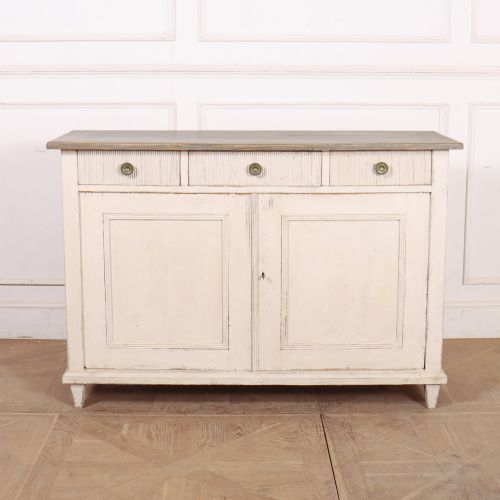
These pieces comprise chests of drawers, linen presses, commodes and sideboards constructed from timbers like pine and ash, then finished with decorative paint.
They offer functional storage capacity while introducing distinct colour and surface texture to an interior space.
How do I care for original paint?
Dust surfaces gently with a dry, soft cloth and avoid chemical cleaning agents that might lift historic pigments.
Keep pieces away from direct sunlight and fluctuating humidity to preserve the stability of both the timber and the paint layer.
How do I tell periods apart?
Examine construction traits, drawer dovetails, handle styles and the characteristics of the paint surface to determine age.
Nineteenth-century pieces often display scumble pine or simple vernacular lines, whereas eighteenth-century or Gustavian examples show neoclassical restraint and specific regional proportions.
Where were these pieces used?
They served practical storage functions across domestic bedrooms, kitchens, hallways and specialist environments like chemist shops.
Their robust timber construction allowed them to withstand heavy daily use in both British country homes and continental households.