
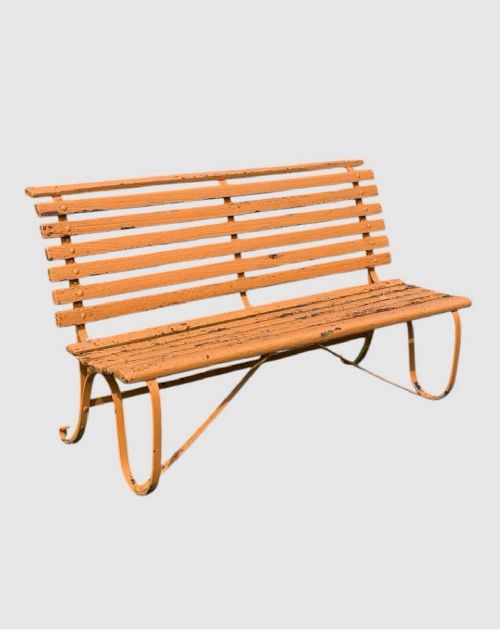


Painted Wooden Bench Seat
A painted wooden bench seat brings colour and practical seating to a hallway, garden or boot room, combining sturdy timber construction with decorative surface finish.
Painted Wooden Bench Seat
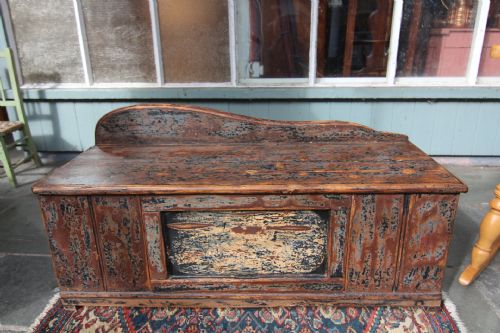
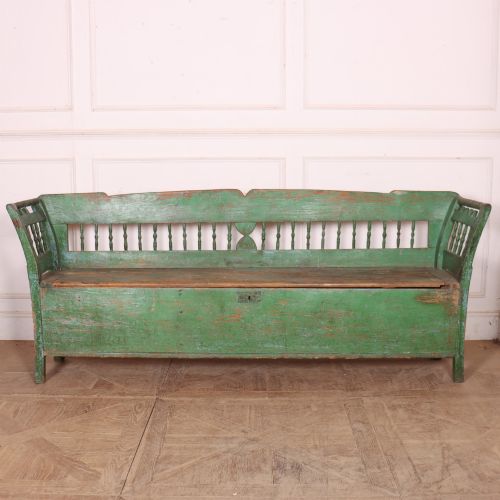
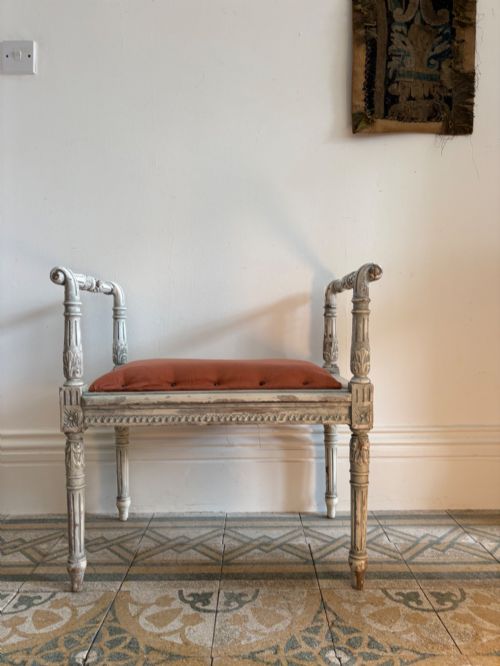
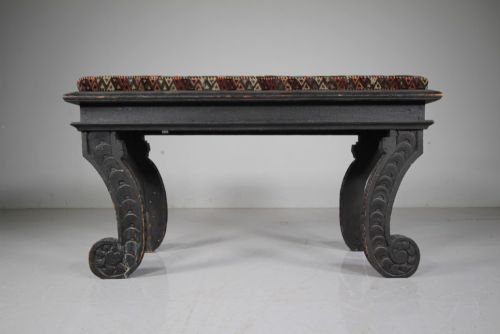
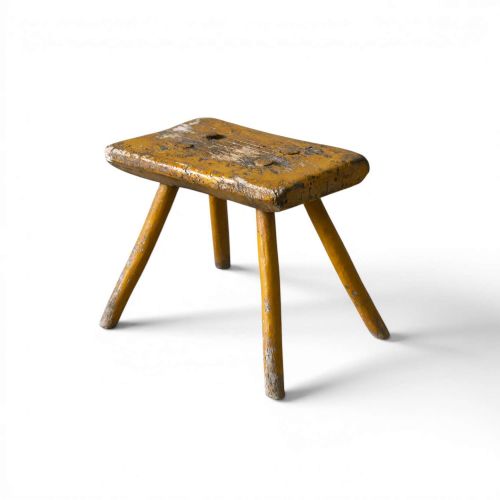
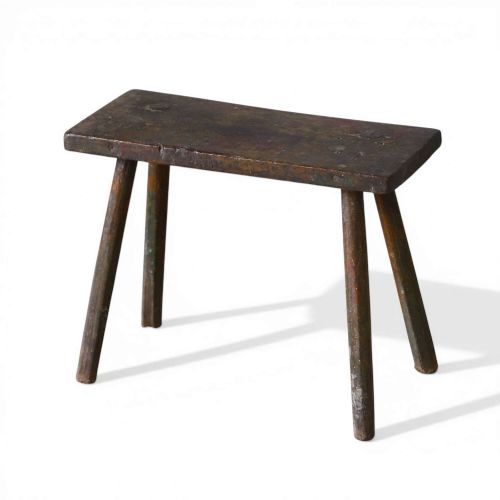
A painted wooden bench seat spans several centuries of domestic and garden furniture, appearing in forms from simple milking stools and window seats to large box settles and garden benches. The selection includes regional European pieces such as Hungarian folk art benches alongside English pine furniture and Scandinavian Gustavian seating.
Buyers encounter substantial 19th Century and Victorian pine settles alongside lighter Edwardian window seats, French country benches and 18th Century Swedish sofas. These items serve multiple interior functions, acting as hall benches, dining seating or garden furniture depending on their original construction and material resilience.
Materials and structural techniques
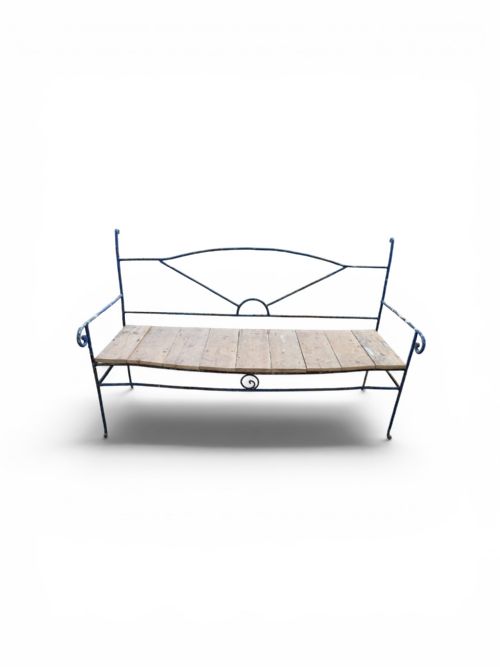
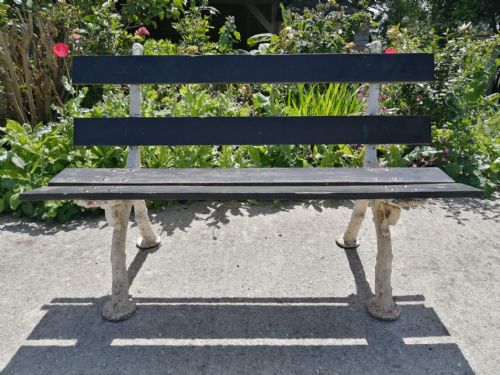
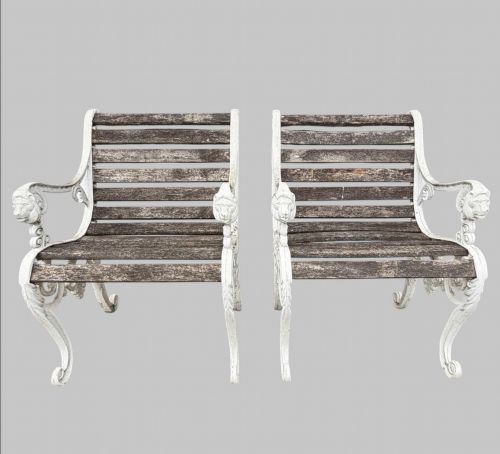
Construction relies predominantly on solid timber such as pine, elm, satinwood and general wood framing, frequently joined using traditional carpentry methods suitable for load-bearing seats. Many examples incorporate cast iron elements, particularly in garden settings where metal frames combine with wooden slats or decorative castings.
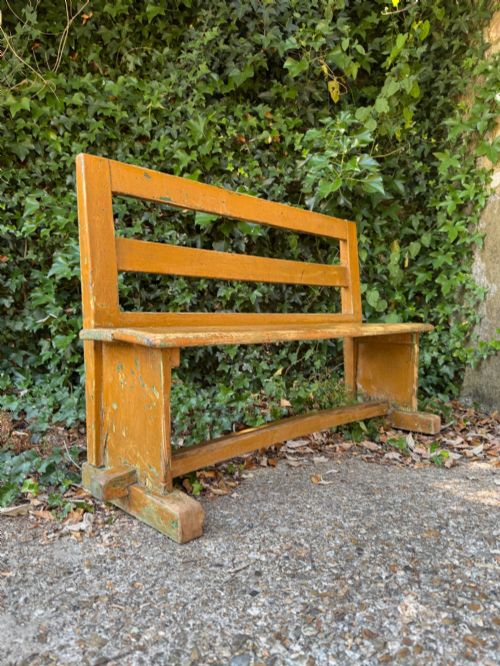
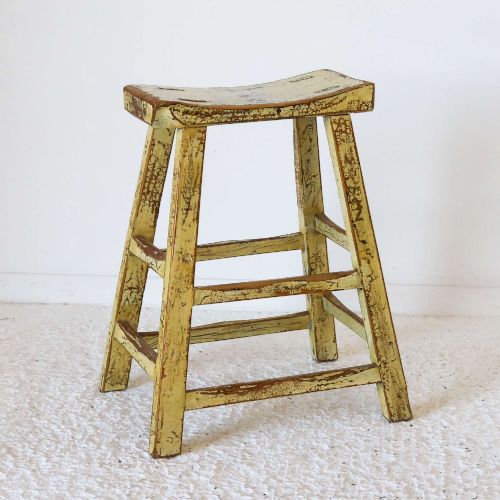
Surface finishes define these pieces through layers of historic paint, ranging from original ochre, green, grey and blue schemes to later decorative coats and lacquered treatments. Additional detailing involves carved woodwork, canework panels, fabric upholstery and silk seat inserts on refined window seats and settees.
The listings encompass 18th Century, Georgian, Victorian and Edwardian periods, utilising pine, satinwood, elm, cast iron and fabric.
Assessing quality in surface and structure
Quality rests significantly upon the survival and integrity of the original paint surface, distinguishing pieces with untouched historic pigment from those with later or over-painted finishes. The balance between timber integrity and patination determines the visual appeal, where surface wear reflects genuine age rather than structural compromise.
Craftsmanship in the underlying woodwork separates standard utility items from finer formal seating, visible in the joinery of box settles, the carving of stylistic details like fluted legs, and the retention of authentic components such as cane panels and ironwork.
The Painted Wooden Bench Seat Glossary
- Settle
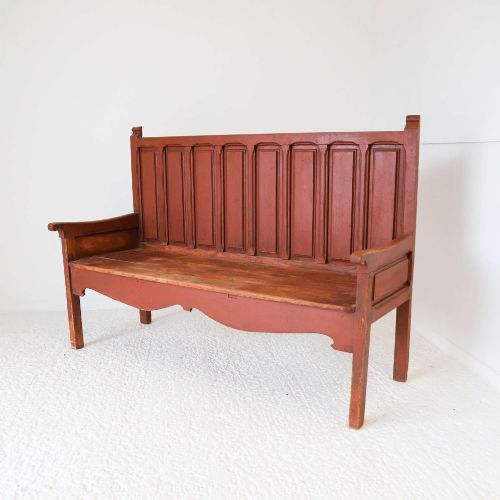
- A wooden bench with high back, solid arms and often a box compartment beneath the seat for storage. This form provided draught-proofing in older domestic interiors.
- Gustavian
- The Swedish interpretation of Louis XVI and neoclassical styles, characterised by pale painted finishes and restrained symmetry. It flourished during the late 18th and early 19th centuries.
- Canework
- Woven cane or rattan used for chair and settee seats or back panels. It offers lightweight flexibility and decorative texture.
- Box settle
- A bench featuring a hinged seat lid that opens to reveal storage space underneath. These items served multiple practical purposes in historic farmhouses.
- Faux bois
- A technique simulating wood grain on metal or stone surfaces. It appears frequently on 19th Century garden furniture.
Painted Wooden Bench Seat: Frequently Asked Questions
Where should I put a painted wooden bench seat?
These pieces suit entrance halls, boot rooms and kitchens where practical seating and storage are required. Lighter window seats fit bedrooms and landings.
Garden variants operate outdoors on patios or lawns, provided the timber and paint finish withstand exposure to moisture.
How do I care for original paint surfaces?
Maintain original paintwork by dusting gently with a dry, soft cloth and avoiding harsh chemical cleaning agents or excessive moisture. Keep items away from direct heat sources and strong sunlight to prevent flaking.
Wax or oil treatments are generally unnecessary on historic painted surfaces unless specifically formulated for delicate historic finishes.
What is the difference between a settle and a bench?
A settle typically includes a high solid back and enclosed sides designed to block draughts in older homes, often incorporating a box seat for storage. Standard benches feature open sides and simpler backrests.
Both forms appear across various regional styles and painted finishes throughout the 18th and 19th Centuries.
Are these seats suitable for daily outdoor use?
Garden-specific iron and wood designs tolerate outdoor conditions, though traditional indoor painted furniture requires protection from damp weather. Covered porches or conservatories offer ideal intermediate environments.
Check whether a piece has weather-resistant exterior paint before placing it exposed in a garden.