






Painted Wood Wall Plaques
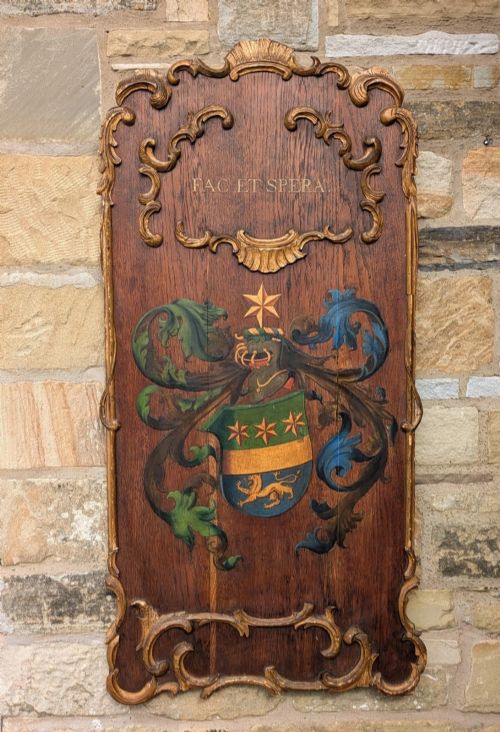
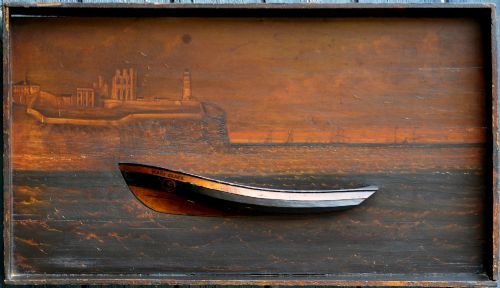
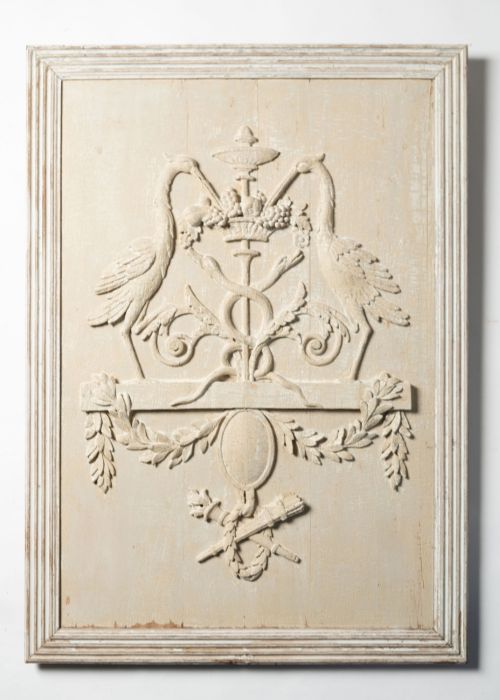
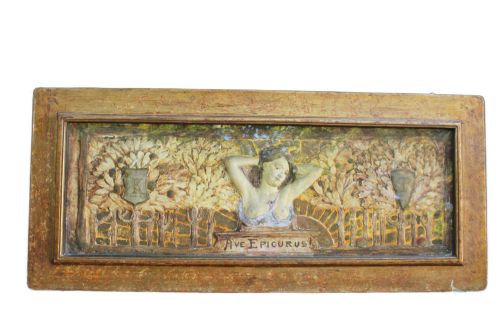
These painted wood wall plaques bring rich texture and heritage to a room, offering everything from folk art carvings to grand architectural panels.
Painted Wood Wall Plaques
When you search for painted wood wall plaques, you encounter a diverse range of items spanning several centuries and origins. The selection includes architectural fragments, carved panels, trade signs, and folk art pieces.
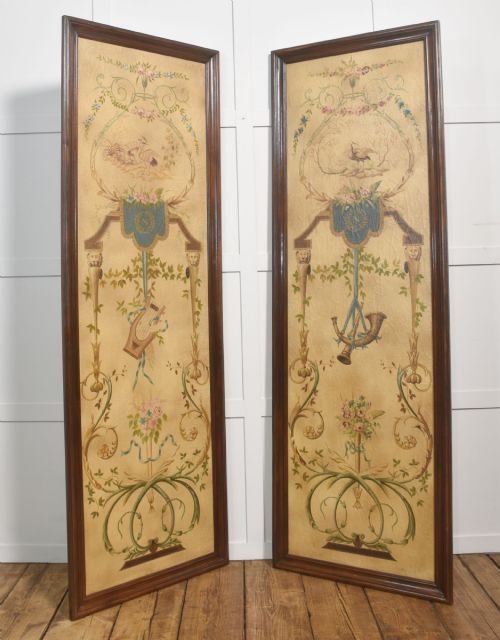
You are most likely to meet 19th-century and 18th-century examples on this page, alongside early 20th-century items like fairground panels and signs. Forms range from French carved over-door panels to Chinese cart doors and Swedish folk art.
These objects function primarily as wall art, wall relief carvings, and decorative panels. They bring historical character and tactile depth to interior spaces through varied regional traditions.
How they were made
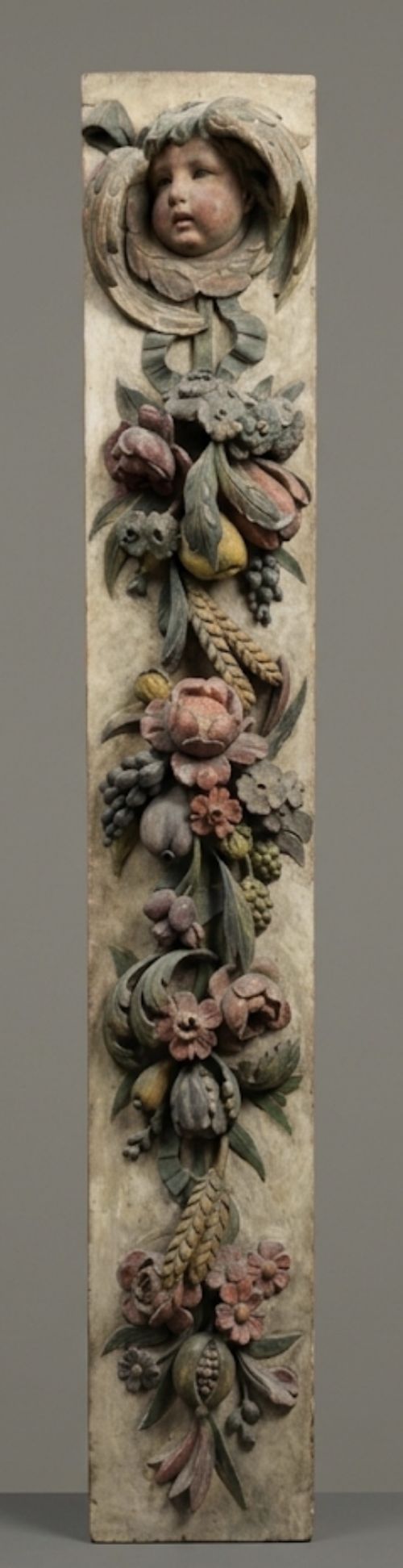
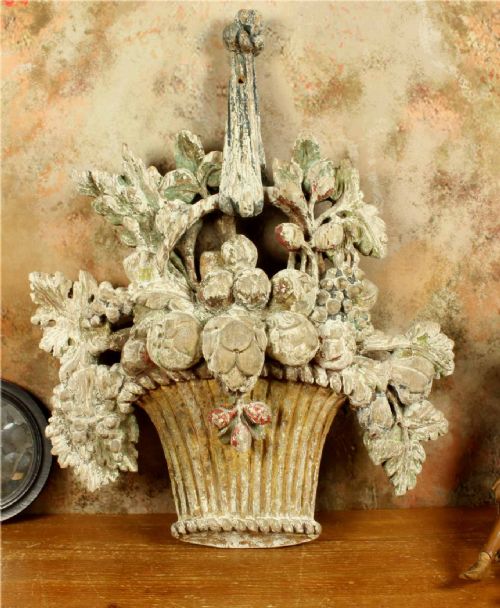
Makers shaped these pieces from timber and carved wood, frequently applying gesso to create raised details before decorating the surface. Carving techniques varied from deep sculptural relief to simpler incisions on panels and boards.
Colour came from polychrome paint, tempera, and hand-painted finishes, sometimes enhanced with gold leaf or silver elements. Many items utilise reclaimed wood or structural elements salvaged from larger objects like carts, buildings, and boats.
Painted Wood Wall Plaques Retail Price Guide 2026
Typical asking prices for painted wood wall plaques among the pieces listed under this phrase on Sellingantiques today, from the lower quarter to the upper quarter. They describe what is for sale here now, not the wider market.
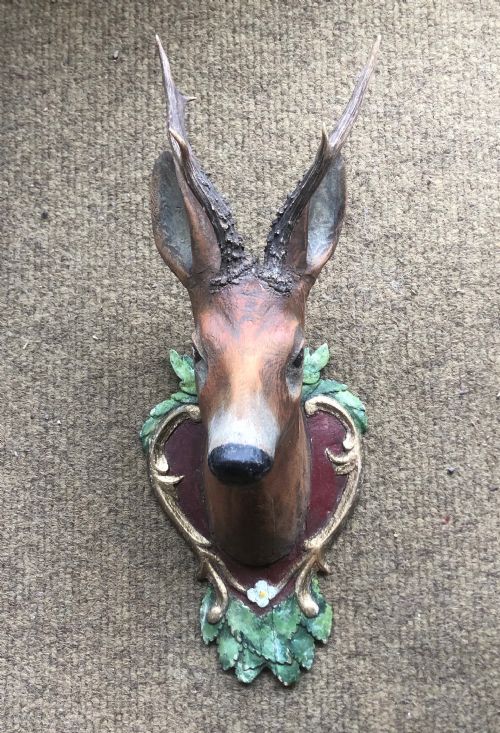
An 1880 Swedish folk art deer with antlers stands ready to bound off the wall and into your hallway.
What varies in quality
The standard of a piece rests largely on the vitality of the carving and the preservation of the original painted surface. Finer examples show confident hand-carving and harmonious polychrome schemes that have aged with stability.
Origin and stylistic cohesion also set pieces apart, distinguishing naive folk art interpretations from sophisticated Neoclassical or Baroque workshop productions. The integrity of the wooden substrate and the depth of the relief work dictate the overall presence of the object.
The Painted Wood Wall Plaques Glossary
- Polychrome paint
- Decoration executed in multiple colours on the surface of wood or gesso. This technique brings vibrant life to carved details and heraldic panels.
- Gesso
- A plaster-like mixture applied to wood to provide a smooth base for painting or gilding. It allows for crisp, raised relief work.
- Architectural salvage
- Elements removed from buildings or larger structures and repurposed for decoration. These include over-door panels and carved architectural fragments.
- Folk art
- Artistic work created within a traditional culture by self-taught or local makers. Examples include Swedish animal figures and naive wall plaques.
- Tavolette
- Painted wooden panels often used historically for book cover bindings, as seen in Sienese examples. They combine miniature painting traditions with wood support.
Painted Wood Wall Plaques: Frequently Asked Questions
How were painted wood wall plaques originally used?
Many of these pieces served practical or architectural functions before becoming decorative items. They appeared as trade signs, cart fragments, architectural over-doors, and religious icons.
Over time, objects originally made for daily life or public display transitioned into interior wall art. Their shift in purpose reflects changing tastes in historic decoration.
How do I care for antique painted wooden panels?
Keep these items away from direct sunlight and sudden shifts in temperature to protect the timber and paint layers. Stable indoor environments prevent the wood from warping and the gesso from cracking.
Dust gently with a dry, soft cloth rather than using liquid cleaners. Moisture can damage delicate tempera and polychrome surfaces.
How can I tell an 18th-century panel from a 19th-century one?
Dating relies on observing tool marks, timber types, and the composition of the paint layers. Earlier pieces often display hand-hewn joinery and older pigment formulations.
Stylistic cues also help distinguish periods, such as the exuberant carving styles of the 18th century compared to later revival movements.
What is a dummy board?
A dummy board is a painted wooden figure cut out to imitate a real person, animal, or object. They date back centuries and were placed in rooms to create a trompe l'oeil effect.
In historic interiors, these naive painted plaques added an element of surprise or theatricality. They remain sought-after examples of early decorative figures.