






Painted Wood Vanity
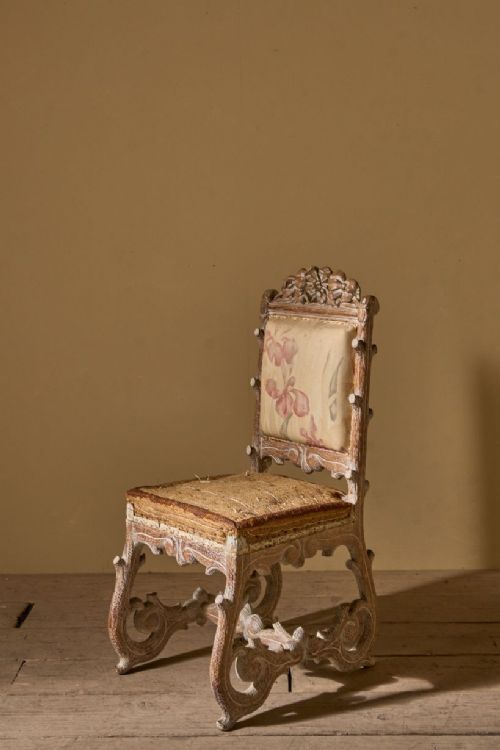
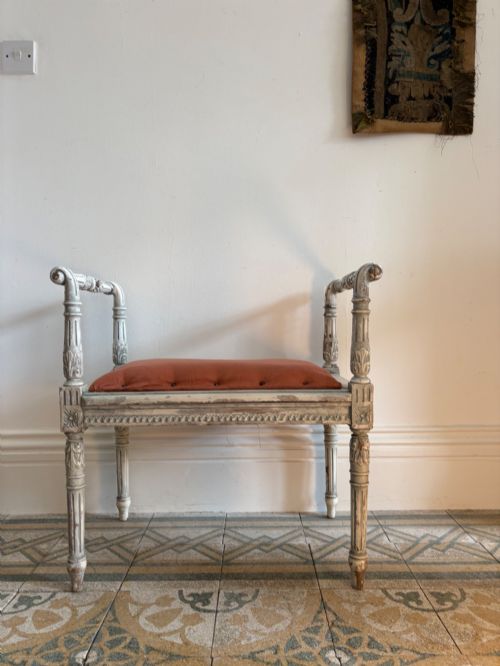
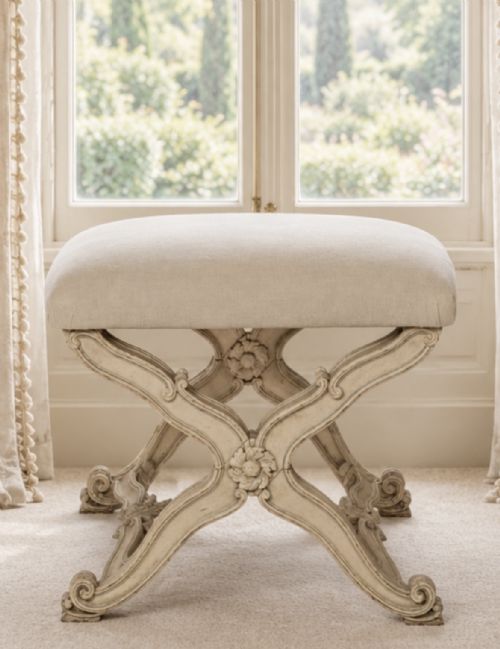
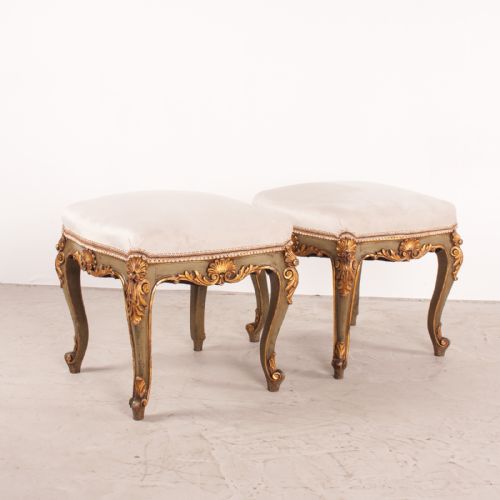
These painted wood vanity pieces bring character to a dressing room through period surfaces and regional styles.
Painted Wood Vanity
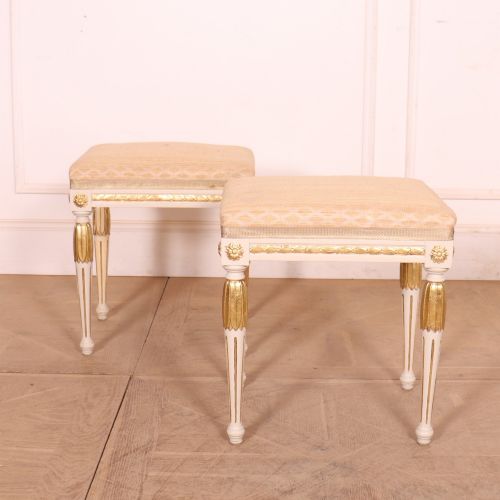
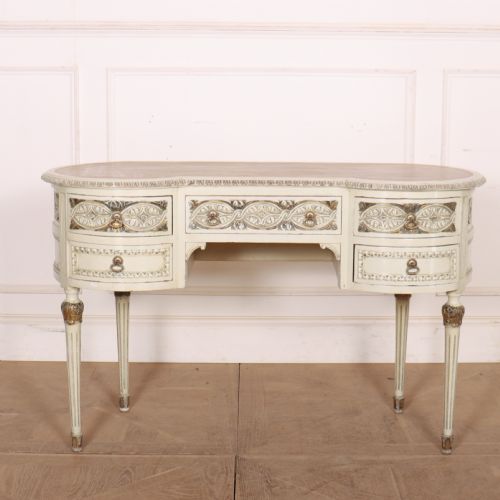
A painted wood vanity encompasses dressing tables, dressing mirrors, shaving stands, and associated seating such as stools and benches created across the nineteenth and early twentieth centuries. These items serve personal grooming functions while displaying decorative finishes ranging from simple white paint to elaborate gilding.
The selection on this page leans toward French, Swedish, and English pieces, incorporating styles such as Louis XV, Louis XVI Neoclassical, Gustavian, and Victorian. Dressing tables, dressing mirrors, and stools form the core of the items encountered here.
Periods represented stretch from the nineteenth century into the 1930s, including Edwardian examples and specific decades like 1860, 1880, 1890, 1900, 1920, and 1930. Buyers find both standalone dressing tables and smaller associated elements like boudoir stools and dressing mirrors.
Materials and Construction
Makers utilised solid woods and specialised timbers such as satinwood and satin birch as the foundation for these items, applying paint, faux bois finishes, or gold leaf directly to the surfaces. Decorative elements often incorporate carved wood details, gesso, and floral decorations.
Upholstery appears frequently on the seating components, utilising silk, fabric, and needlework for the seats of stools and boudoir chairs. Additional structural or decorative accents rely on brass fittings, glass mirrors, and stencilled motifs.
Painted Wood Vanity Retail Price Guide 2026
Typical asking prices for painted wood vanity among the pieces listed under this phrase on Sellingantiques today, from the lower quarter to the upper quarter. They describe what is for sale here now, not the wider market.
Listings feature items spanning the 19th century through the 1930s, including Edwardian pieces, showcasing styles from Gustavian to French Chateau.
Assessing Quality in Painted Surfaces
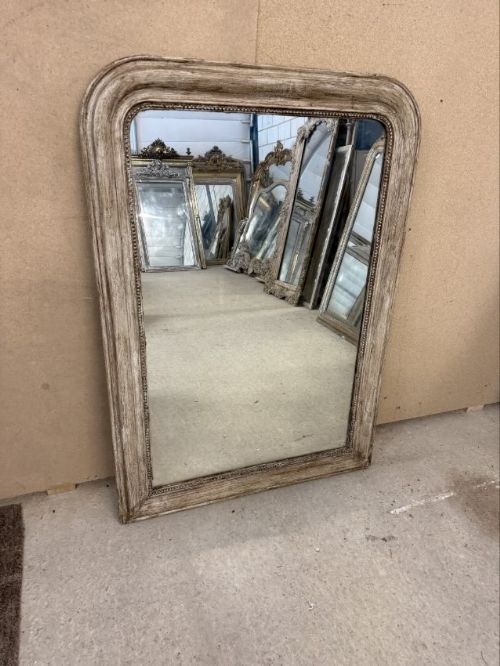
Quality rests in the integrity of the original painted surface and the subtlety of decorative details like gesso floral work or carved wood motifs. Pieces that retain their original Swedish or French paint display a depth that later repainting obscures.
Construction standards show in the joinery of desks and dressing tables, alongside the preservation of original fabric or silk on stools and chairs. The clarity of glass in mirrors and the crispness of carving differentiate standard utility items from finer decorative examples.
The Painted Wood Vanity Glossary
- Gustavian
- A Swedish neoclassical style characterised by restrained symmetry and light painted finishes. It draws inspiration from French Louis XVI design but maintains a distinct Nordic simplicity.
- Faux bois
- A decorative paint technique simulating the grain and appearance of natural wood. Artisans applied this finish to alter or enhance standard timber bases.
- Gesso
- A plaster-like mixture applied to wood surfaces as a base for painting or gilding. It allows for crisp, moulded floral and decorative relief work.
- Kneehole desk
- A writing or dressing table featuring a central recess for the legs, flanked by pedestals of drawers. This form provides a comfortable seated position for grooming or writing.
- Bergere
- An enclosed upholstered armchair with wooden frames, often painted, originating in France. They provide comfortable seating in bedrooms and dressing spaces.
Painted Wood Vanity: Frequently Asked Questions
What is a painted wood vanity?
A painted wood vanity includes dressing tables, mirrors, and stools finished with paint, faux wood effects, or gilding. These pieces emerged across the nineteenth and early twentieth centuries.
They function as practical furniture for personal grooming while introducing decorative period styles like Gustavian, Victorian, and Louis XV into a room.
How do I identify a Gustavian piece?
Gustavian pieces display restrained neoclassical lines, often painted in pale white or soft grey tones. They originate from Sweden and value symmetry.
Carved details on these items tend to be shallow and precise, distinguishing them from the more ornate Continental Rococo examples.
Where should I place a dressing mirror?
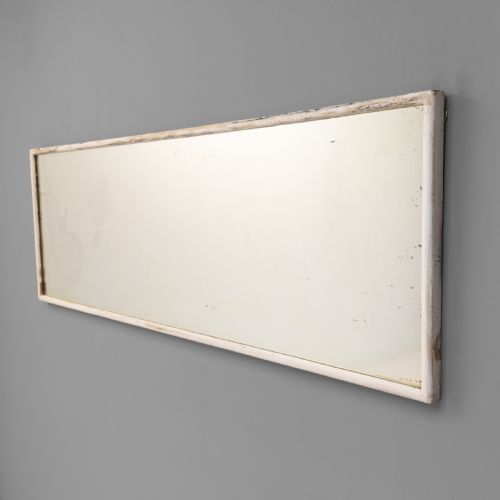
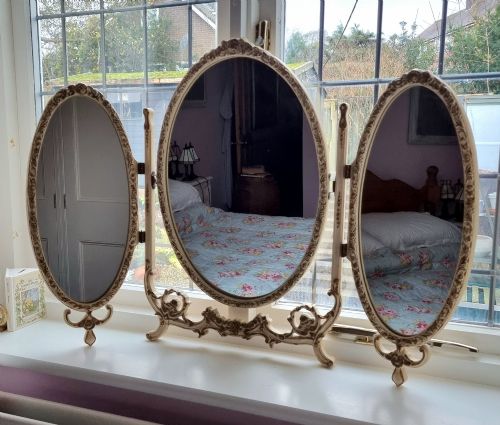
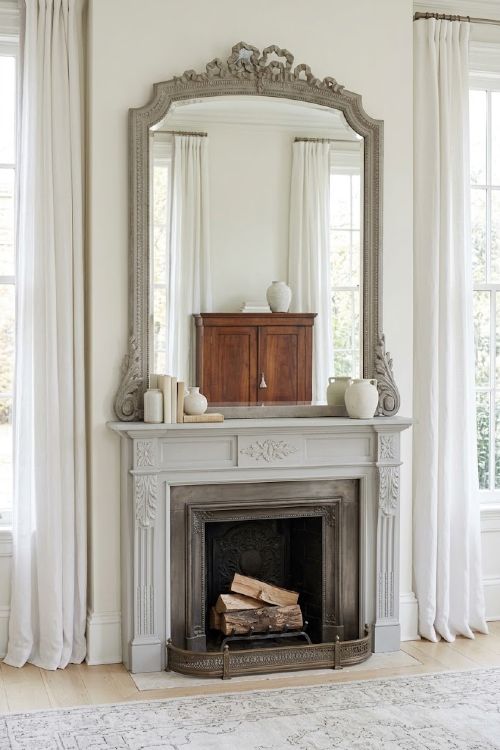
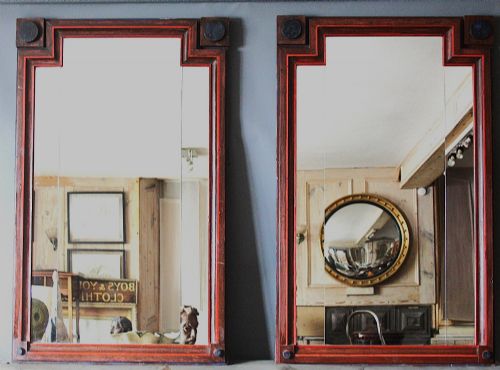
Dressing mirrors sit atop dressing tables, chests of drawers, or function as standalone wall-mounted items. They provide the necessary reflection for daily routines.
Pairing a mirror with a matching painted stool or small side table creates a cohesive dressing area in a bedroom.
How do I care for antique painted surfaces?
Antique painted surfaces require gentle dusting with a dry or slightly damp soft cloth. Avoid harsh chemical cleaners that can strip original finishes.
Protecting the wood and painted layers from direct sunlight prevents fading and preserves the integrity of the nineteenth and early twentieth-century decoration.