

Painted Wood Sculpture
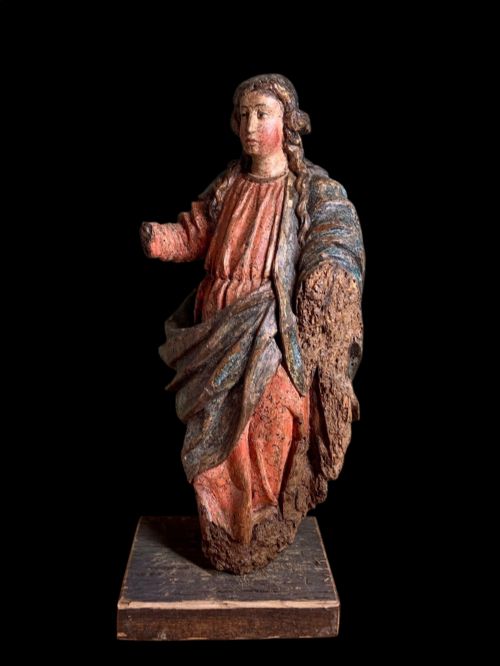
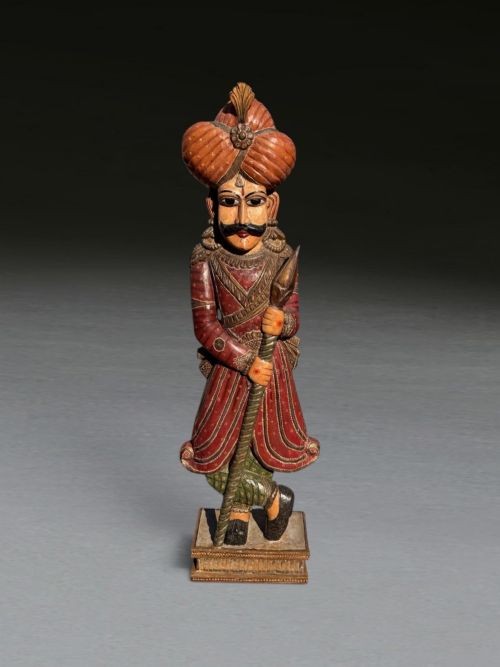
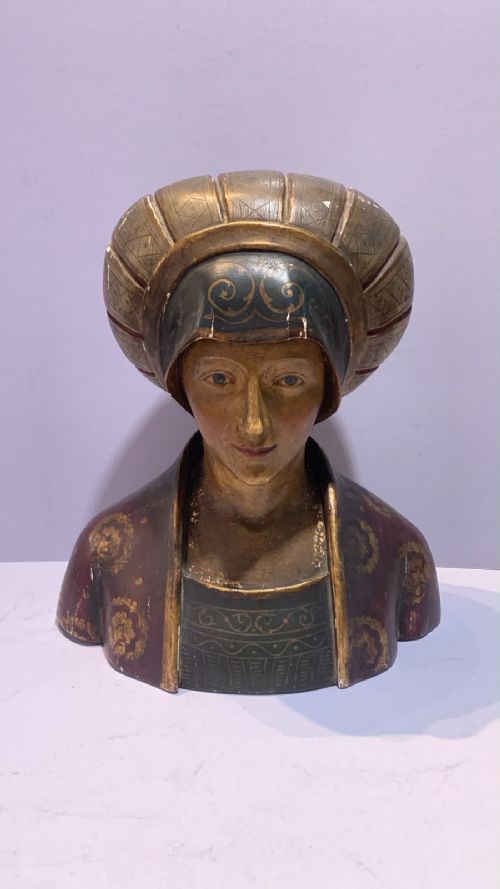
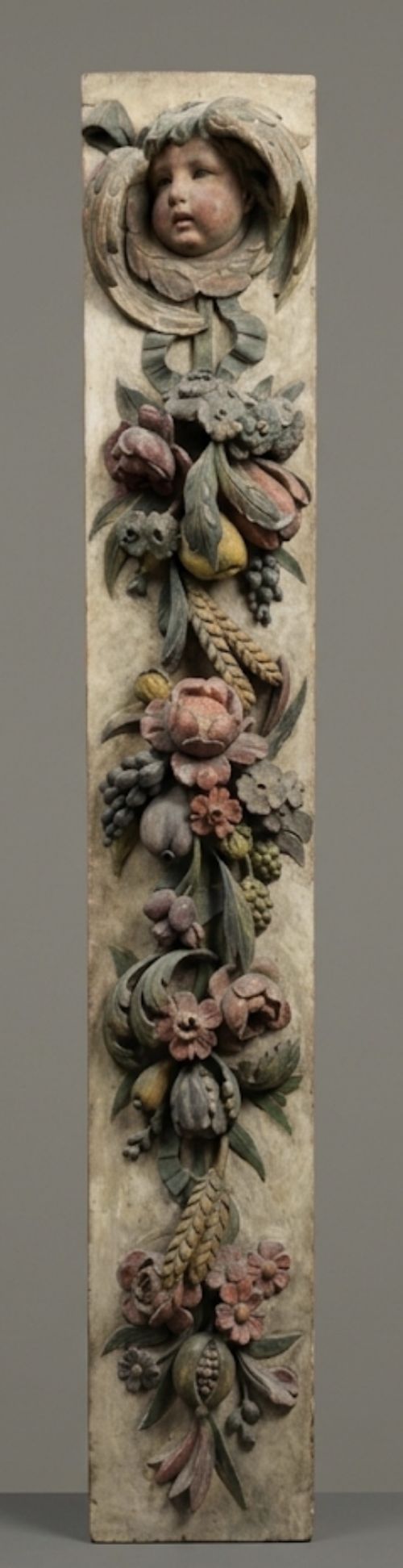
Painted wood sculpture brings together carved forms and layered pigment, offering everything from rustic folk art figures to classical figures.
Painted Wood Sculpture
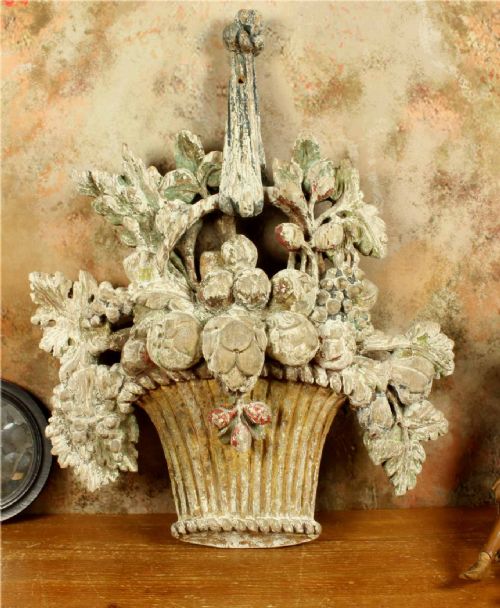
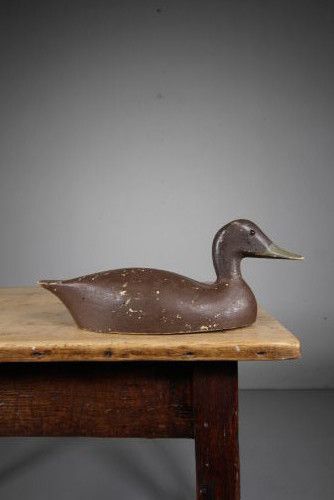
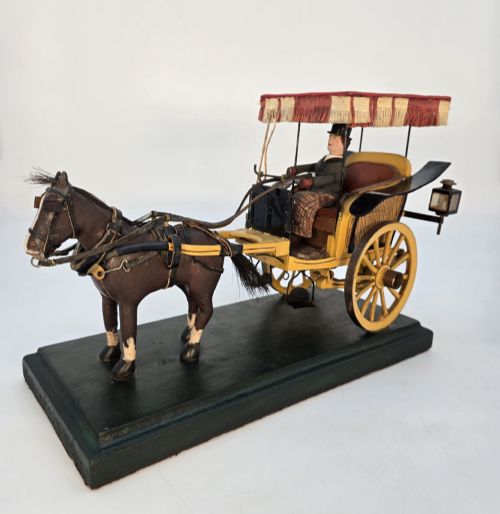
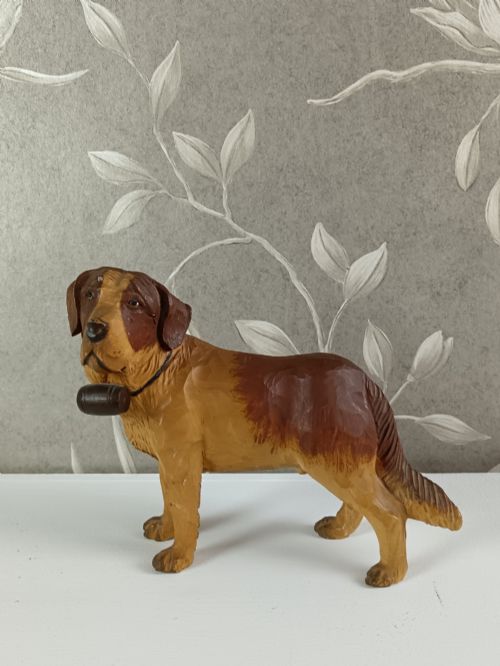
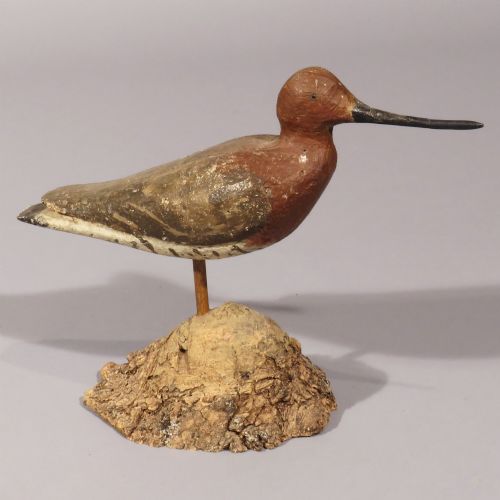
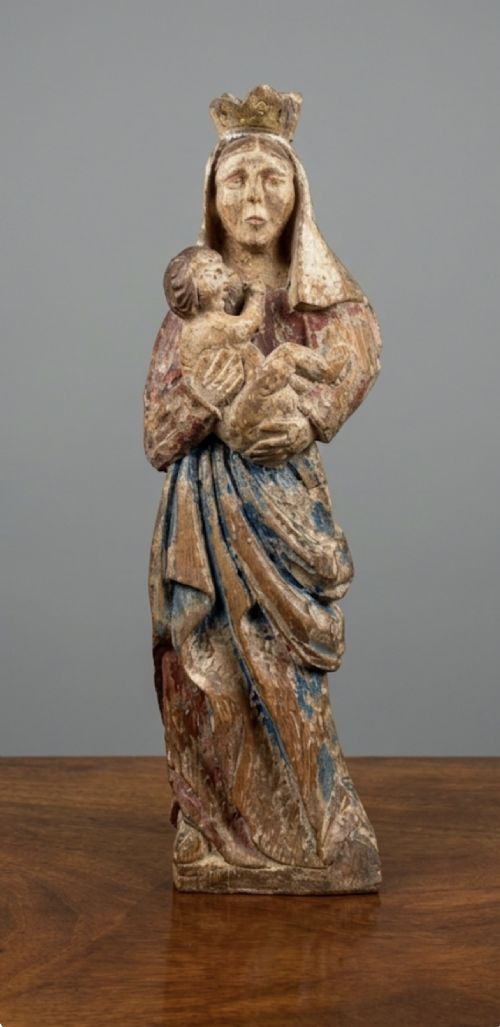
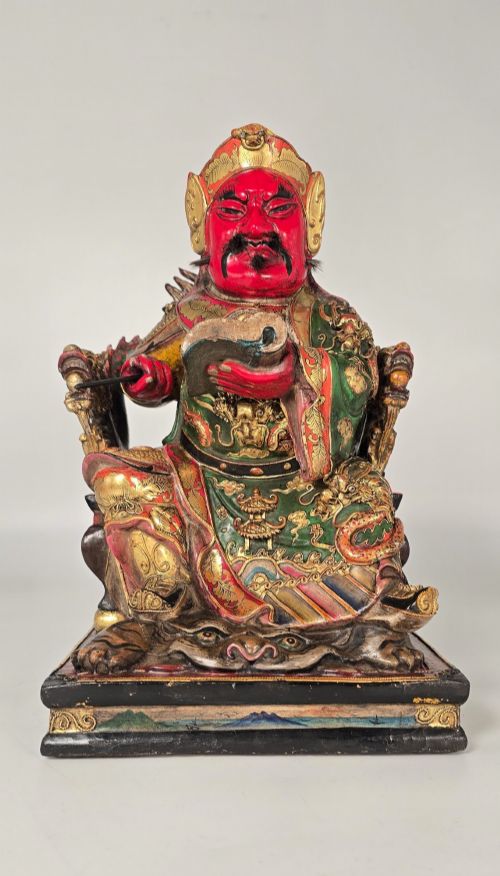
When you search for painted wood sculpture, you encounter a diverse array of objects spanning the eighteenth, nineteenth, and early twentieth centuries. These pieces encompass religious figures, animal models, architectural elements, and trade signs originating from various global traditions.
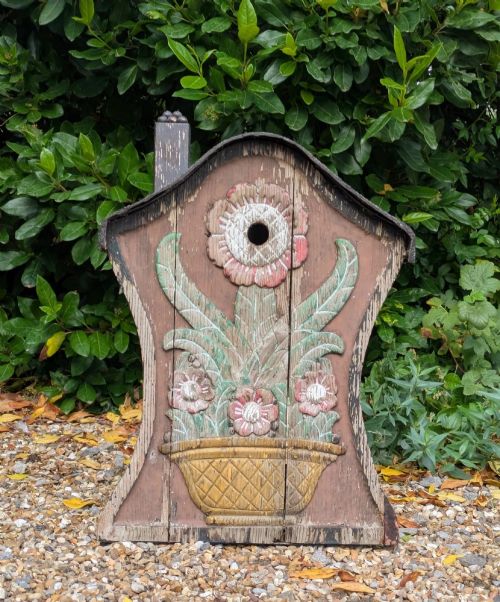
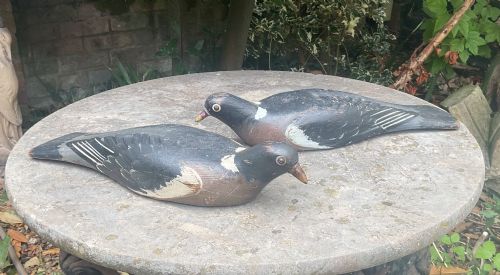
The most common examples on this page include utilitarian decoys, folk art carvings, and religious statues. Objects range from English decoy pigeons and Swedish bird boxes to South Asian figures and continental saint carvings.
Works appear in styles varying from Baroque ornamentation to naive folk art and Victorian realism. The selection shifts between domestic decorative items and larger figurative sculptures.
Materials and construction methods
Carvers shaped these pieces from various timbers, utilising hand tools to cut and model the base material. Tradespeople and artists then applied surface layers including polychrome paint, gesso, gold leaf, and lacquer to finish the objects.
Many works combine structural wood elements with detailed surface decoration, sometimes incorporating glass or additional materials. Paint layers built up over decades provide both protection and visual depth to the carved surfaces.
Among the birds and soldiers, a matchstick model of a medieval house sits quietly waiting for inspection.
Distinguishing quality factors
The standard of a carved piece depends on the precision of the initial timber shaping and the fluidity of the anatomical or architectural form. Skilled makers achieved proportion and expression that elevate a decorative object into fine sculpture.
Surface preservation plays a major role in evaluation, distinguishing items with original untouched pigment from those subjected to later overpainting. The delicacy of detail in polychrome or gilded decoration separates standard utilitarian items from masterworks.
The Painted Wood Sculpture Glossary
- Polychrome paint
- Pigment applied in multiple colours to decorate the surface of a carved wooden object.
- Gesso
- A plaster mixture applied to wood to provide a smooth base for painting or gilding.
- Decoy
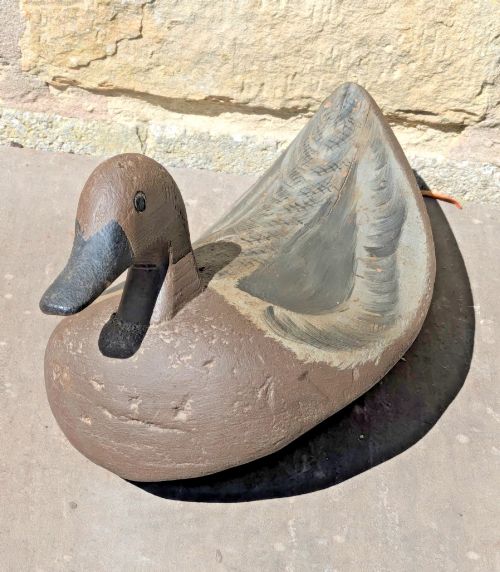
- A carved and painted wooden bird or animal used historically to attract wildlife.
- Trade sign
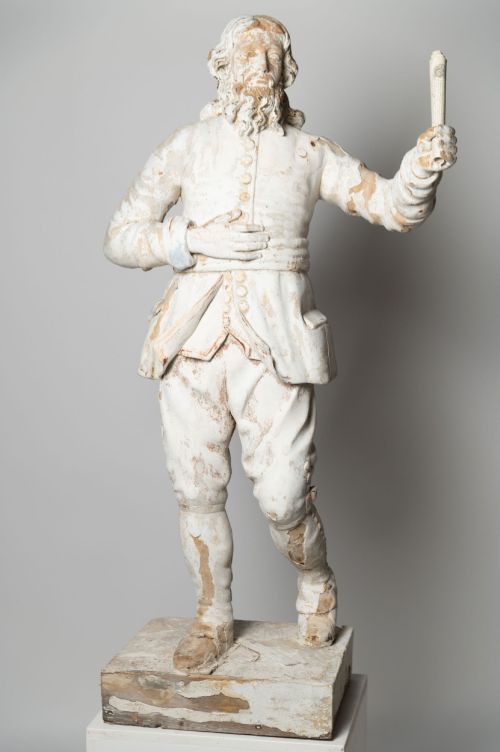
- A large carved wooden figure or panel displayed outside a shop to advertise a business.
- Treen
- Small handmade wooden household objects and decorative items.
Painted Wood Sculpture: Frequently Asked Questions
How do I clean painted wood sculpture?
Dust surfaces gently using a soft, dry brush without applying water or chemical cleaners that might lift fragile paint layers.
Keep pieces away from direct sunlight and damp environments to protect the underlying timber and historic pigments.
Are these sculptures signed by makers?
Most antique wooden carvings remain unsigned, reflecting the workshop traditions of earlier centuries rather than individual authorship.
Occasional pieces feature stamps, inscriptions, or dates carved into the wood or painted on the base.
How do I identify the age of a piece?
Dating relies on tool marks, timber types, and the composition of the paint layers applied to the surface.
Stylistic cues from clothing, decorative motifs, and regional manufacturing methods also help narrow down the period of origin.
Where should I display these objects?
Place sculptures on stable surfaces or dedicated pedestals away from heat sources and radical temperature shifts.
Stable indoor climates prevent the wood from splitting and safeguard fragile gesso and polychrome finishes.