



Painted Wood Potting Table
These painted wood potting table pieces bring practical utility and character to an interior, offering robust surfaces shaped by utility and time.
Painted Wood Potting Table
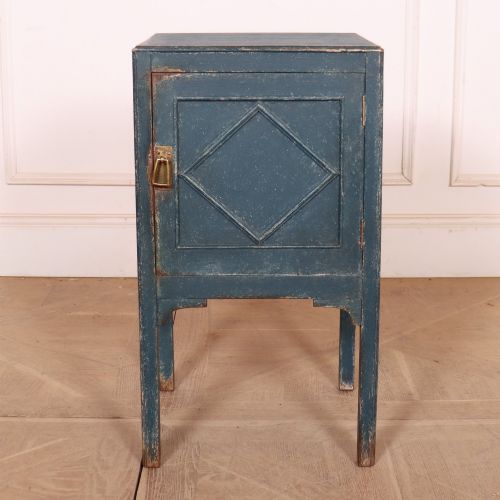
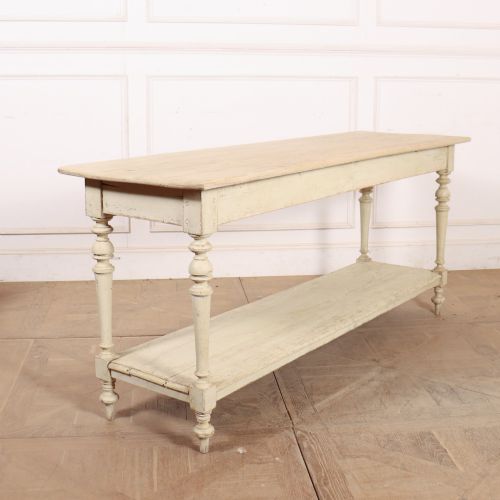
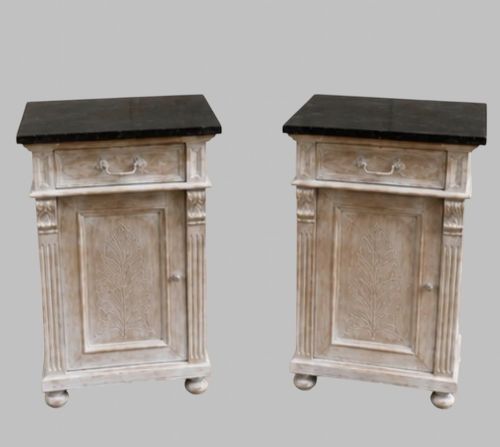
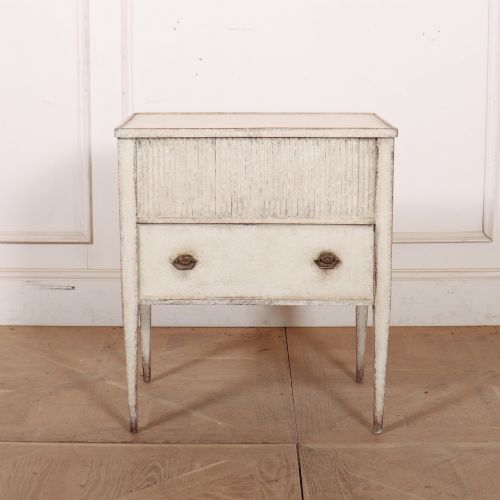
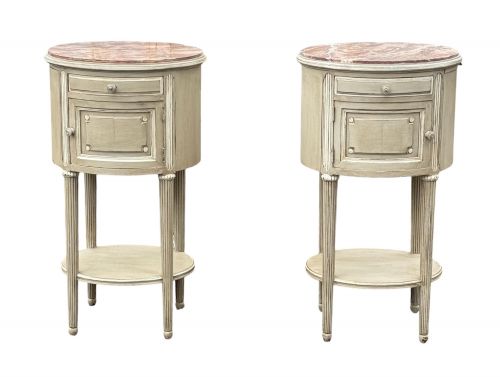
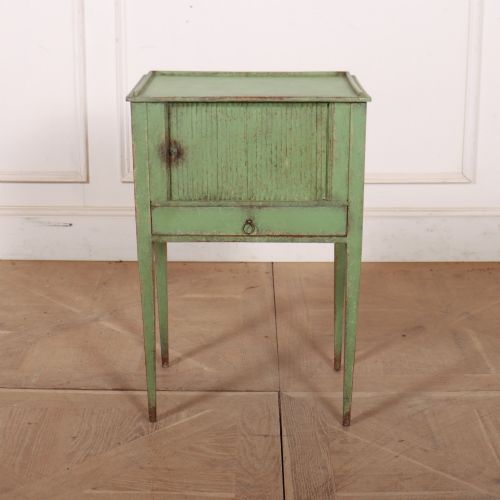
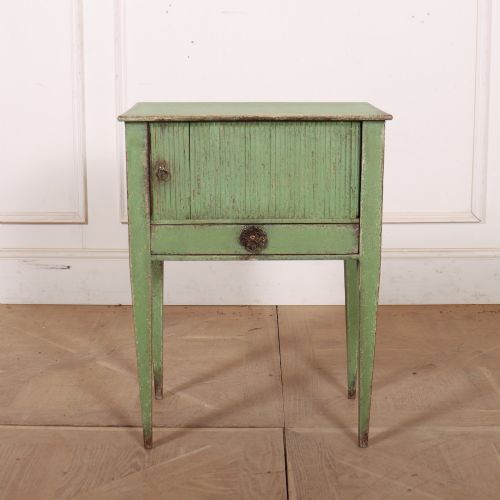
A painted wood potting table bridges the gap between utilitarian garden storage and decorative interior furnishing, drawing on diverse continental traditions. The pieces gathered under this term span several nineteenth century forms, notably bedside cabinets, pot cupboards, and serving tables.
Most examples hail from the nineteenth century, including specific dates such as 1860, 1880, 1890, and 1900, alongside general Victorian and French provincial idioms. Buyers frequently encounter forms intended for domestic storage or potting tasks, finished in various layers of old paint.
Materials and construction methods
Makers relied primarily on pine and softwood to construct these carcases, applying protective or decorative coats of paint, verdigris, and graining. Metal elements such as brass fixtures and copper tops appear on specific utilitarian variants.
Surfaces occasionally incorporate marble or faux marble inserts to handle moisture or heavy use. Joinery techniques reflect standard nineteenth century workshop practices designed for daily service in sheds, orangeries, and chambers.
Painted Wood Potting Table Retail Price Guide 2026
Typical asking prices for painted wood potting table among the pieces listed under this phrase on Sellingantiques today, from the lower quarter to the upper quarter. They describe what is for sale here now, not the wider market.
Listings feature pine and softwood structures finished with paint, brass, and marble elements across various nineteenth century periods.
Factors of quality and finish
Distinction across these pieces rests in the integrity of the original timber and the character of the accumulated paint surface. Authentic wear and undisturbed layers of pigment distinguish superior survivors from later decorative treatments.
The refinement of the hardware, from simple iron latches to brass mounts, also separates standard utility pieces from more finished continental examples. Structural soundness in the pine framing underpins the longevity of each cabinet or table.
Melissa White
The Painted Wood Potting Table Glossary
- Pot cupboard
- A small bedside cabinet originally constructed to house a chamber pot. These practical items often feature a single door and interior shelving.
- Pine
- A common softwood used extensively for nineteenth century furniture carcases. It provides a stable base for painted and grained finishes.
- Verdigris
- A green patina that forms naturally on copper and brass surfaces through exposure to moisture. This finish appears on specialised horticultural tables.
- Graining
- A decorative painting technique designed to imitate the appearance of more expensive hardwoods. Artisans applied this finish using specialised combs and brushes.
Painted Wood Potting Table: Frequently Asked Questions
What is a potting table?
A potting table is a sturdy bench or surface traditionally used for gardening tasks such as repotting plants and handling soil. Many examples feature robust timber construction designed to withstand outdoor or greenhouse environments.
Over time, these practical tables migrated into domestic interiors as decorative consoles or serving surfaces. Their utilitarian origins give them a distinct character suited to kitchens, garden rooms, and hallways.
Are these tables waterproof?
Most antique painted wood tables are not fully waterproof, especially those featuring bare pine or traditional milk paint finishes. Variants equipped with metal tops, such as copper or zinc, offer better resistance to moisture during practical tasks.
Using protective mats under potted plants helps prevent water rings and staining on delicate wooden surfaces. Regular wiping keeps the timber dry and preserves the integrity of the finish.
How do I date an antique table?
Dating an antique table involves examining construction marks, timber types, and the composition of the paint layers. Nineteenth century pieces often display hand-sawn boards, forged iron nails, and accumulated wear consistent with age.
Stylistic details like neoclassical lines or provincial mouldings also help narrow down the period of manufacture. Comparing hardware styles provides further clues to the decade in which the piece was built.