




Painted Wall Lights
These painted wall lights bring interior illumination through hand-finished colour and metalwork.
Painted Wall Lights
Painted wall lights combine functional domestic illumination with decorative surface pigment, spanning formats from single-arm wooden brackets to multi-branch metal fittings. When searching for painted wall lights, buyers encounter continental European examples, particularly French and Italian pieces from the nineteenth and early twentieth centuries.
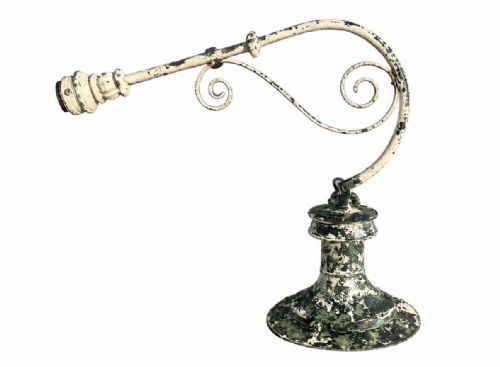
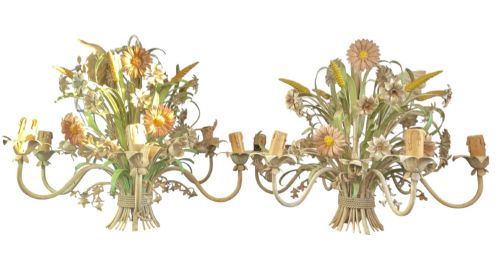
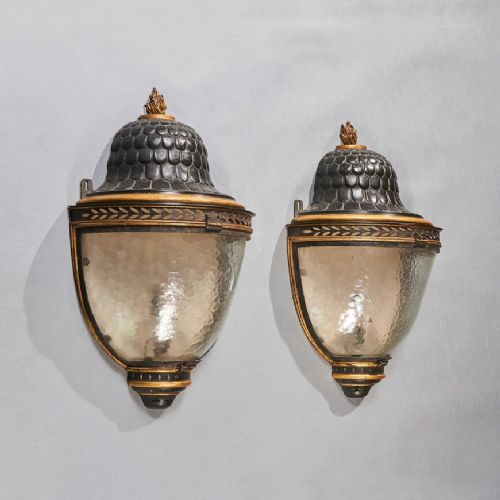
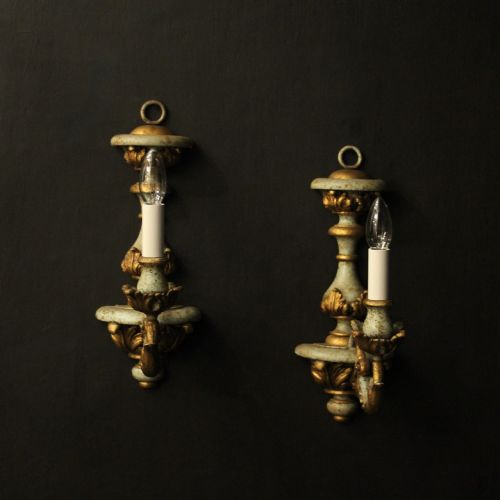
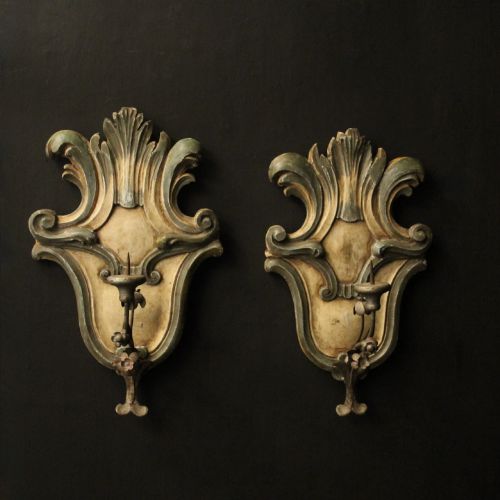
The selection ranges from polychrome carved wooden sconces to sheet metal toleware lanterns finished in muted greens or gilt. These fixtures attach directly to interior walls, projecting light across rooms while introducing distinct regional styles into domestic spaces.
Materials and Construction
Carved wood, wrought iron, and sheet metal form the structural core of these wall fixtures, often shaped into floral or scrolling motifs. Artisans applied gesso to wooden bases to create smooth surfaces for polychrome paint and parcel gilding.
Metal components receive hand-applied coats of paint or lacquer, frequently distressed or aged to simulate centuries of handling. Toleware manufacturing involves thin lacquered sheets of metal shaped into botanical forms like leaves and petals.
Painted Wall Lights Retail Price Guide 2026
Typical asking prices for painted wall lights among the pieces listed under this phrase on Sellingantiques today, from the lower quarter to the upper quarter. They describe what is for sale here now, not the wider market.
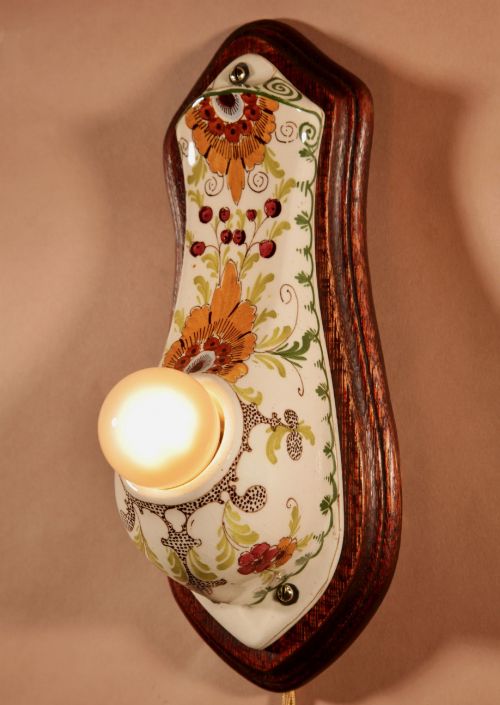
Several items showcase painted fruit and green daisies, proving that historical lighting designers enjoyed a playful garden aesthetic.
Markers of Quality
The sophistication of the hand-carved detailing and the depth of the polychrome pigment layers distinguish finer examples from simpler workshop output. Superior pieces display organic brushwork on floral motifs rather than mechanical uniformity.
Original surface preservation dictates desirability, where authentic aged patination on metal or wood surpasses later repainting. Structural integrity in the arm joints and candle cups ensures the fixture holds its alignment securely.
William Woolard·Robert A Nottingham·Harry Kluge·Lionel Horsnell·Frans Gailliard·Jean-Baptiste Olive·William Lee Hankey·Kershaw Schofield·Edmund Gouldsmith
The Painted Wall Lights Glossary
- Toleware
- Painted or lacquered sheet metal items produced extensively in France and Britain. This technique allowed artisans to shape metal into complex floral and scrollwork designs before applying decorative pigments.
- Polychrome
- Decorated in multiple colours. This term describes painted wooden or metal surfaces displaying various hues, frequently combined with gilt highlights.
- Sconce
- A wall-mounted lighting fixture designed to hold candles or electric lamps. These brackets project outward from vertical surfaces to illuminate hallways and living spaces.
- Gesso
- A plaster mixture applied to wood surfaces as a base for paint or gilding. This preparation creates a smooth ground for intricate decorative carving.
- Parcel Gilt
- Partially gilded with gold leaf or metallic powder. Artisans use this method to accent raised portions of carved wood or metal against a painted background.
Painted Wall Lights: Frequently Asked Questions
How are painted wall lights wired?
Most antique wall fixtures require professional electrical adaptation for modern domestic standards. Electricians run hidden wiring through the structural arms or backplates to accommodate contemporary wall connections safely.
Original candle drip pans and sockets are frequently retained or adapted to house small screw-fitting lamp holders. This preserves the visual integrity of the historic metalwork while providing functional illumination.
Where should wall lights be positioned?
These fixtures work best mounted at eye level in hallways, flanking living room mirrors, or along dining room walls. Proper placement ensures the painted backplates and arms catch ambient room light effectively.
Spacing pairs evenly across a chimney breast or architectural partition creates a balanced focal point. Avoid areas prone to heavy moisture unless the specific finish tolerates damp conditions.
What period styles are common?
Nineteenth-century pieces often reflect French Rococo revival tastes with ornate floral and scroll configurations. Early twentieth-century examples lean toward Italian Florentine designs and provincial toleware with botanical motifs.
Distinguishing between periods relies on examining the fastening methods, paint chemistry, and wood seasoning. Maker marks or stamps occasionally assist in dating more formal workshop productions.