

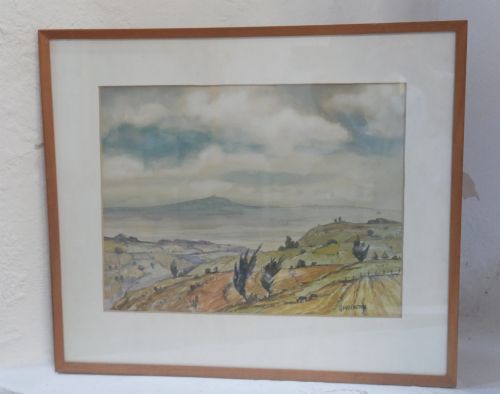


Painted Timber Sign
A painted timber sign brings genuine commercial history and vernacular character straight to a wall, shaped by decades of weathering and hand-lettering.
Painted Timber Sign
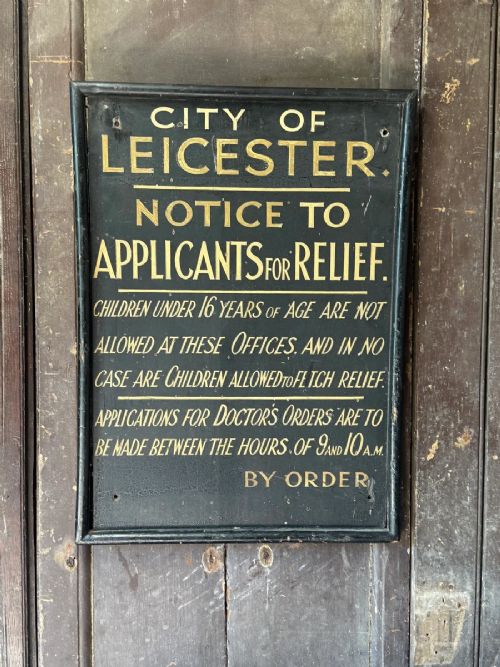
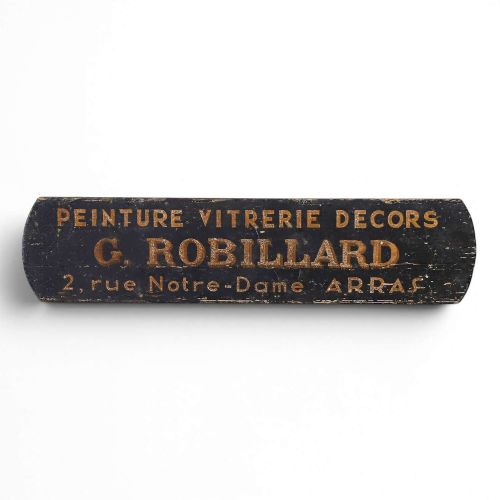
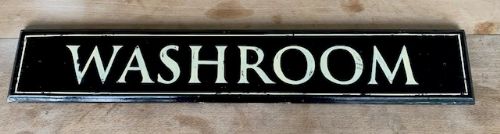
A painted timber sign encompasses utilitarian trade boards, directional markers, and advertising boards produced across the nineteenth and twentieth centuries. These pieces carry the visible marks of daily commerce, civic direction, and local trade from eras before mass plastic production.
The most common examples on this page date from the Victorian period through the interwar decades, merging practical lettering with robust wooden construction. Buyers encounter everything from double-sided hall markers to large rustic direction boards complete with glass reflectors.
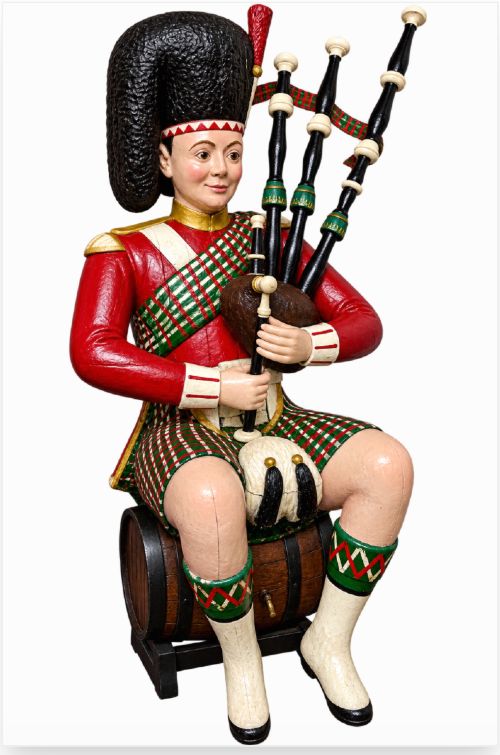
Folk art traditions heavily influence many surviving items, resulting in expressive brushwork and robust carved elements rather than sterile industrial output. Each board preserves a fragment of commercial life, executed in wood and pigment.
How they were made
Traditional makers built these boards using solid timbers like pine, oak, or reclaimed wood, preparing the surface with layers of preparatory ground before applying oil or lead-based paints. Skilled signwriters then hand-lettered the text or pictorial elements using durable pigments that could withstand outdoor exposure.
Many examples incorporate supplementary materials such as gold leaf for gilded lettering, glass reflectors for night visibility, or paper and canvas elements mounted directly to the timber base. Protective wooden frames frequently surround the main panel, secured with traditional joinery.
Painted Timber Sign Retail Price Guide 2026
Typical asking prices for painted timber sign among the pieces listed under this phrase on Sellingantiques today, from the lower quarter to the upper quarter. They describe what is for sale here now, not the wider market.
Listings feature timber signs utilising paint, gold leaf, and glass reflectors across Victorian, Edwardian, and interwar periods.
What varies in quality
Quality rests in the confidence of the original hand-lettering and the structural integrity of the timber substrate, separating purposeful commercial art from crude later decoration. Crisp brushwork, balanced typography, and genuine surface patination elevate certain boards above standard utility pieces.
The degree of original, untouched surface finish dictates desirability among collectors, as overpainting or heavy modern restoration diminishes historic authenticity. Examples retaining their aged patina, original hardware, and authentic framing command greater appreciation.
C W Tuck·Herbert Royle·Christoffel Bisschop·Donald Watson·Charles Edward Wilson
The Painted Timber Sign Glossary
- Polychrome paint
- The application of multiple colours to a single wooden surface to create pictorial or lettering details. This technique defines much of the vibrant character found on older trade boards.
- Gold leaf
- Beat gold applied to sign lettering or decorative motifs to catch the light and denote status. It remains remarkably durable on surviving exterior panels.
- Signage
- The broader category of functional public or commercial notices designed to convey information or advertise a trade. These objects served purely practical purposes before entering the decorative market.
- Folk art
- Unrefined, traditional artistic expression created by artisans rather than academically trained painters. This style heavily shapes the visual appeal of many early trade boards and figures.
- Trade sign
- A specific board, figure, or carved object hung outside a business to advertise goods or services. They often replaced traditional literacy by using universally understood symbols.
Painted Timber Sign: Frequently Asked Questions
Are these signs suitable for outdoor display?
Most antique signs were originally built for exterior use, but decades of exposure mean surviving examples are now fragile. Placing them outside today exposes aged timber and historic paint to moisture and frost damage.
Interior display preserves the remaining pigment and prevents further warping of the wood. If hung in a garden room or porch, ensure the area remains dry and sheltered from direct weather.
How do I clean an old painted wooden sign?
Gentle dusting with a soft, dry microfibre cloth removes surface dirt without harming delicate paint layers or flaking gold leaf. Avoid household cleaning sprays, water, or abrasive cloths that can strip historic finishes.
Professional conservators should handle any stubborn grime or structural stabilization. Keeping the surface dry protects the original patination built up over generations.
How can I tell an older sign from a reproduction?
Genuine age shows in the natural shrinking of the timber, oxidation of the paint, and authentic wear around fixing points and edges. Hand-cut nails, older joinery methods, and genuine surface grime provide strong indicators of period manufacture.
Modern reproductions often mimic distress artificially, leaving uniform scratches and synthetic ageing compounds that sit on top of the paint. Examining the depth of the pigment and the natural patina helps confirm authenticity.