
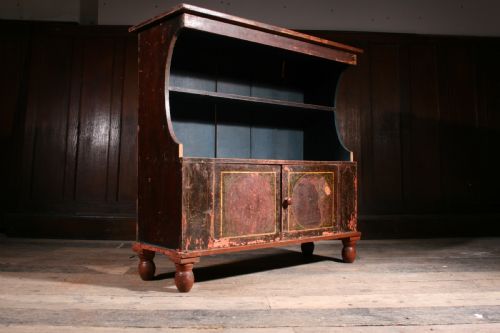
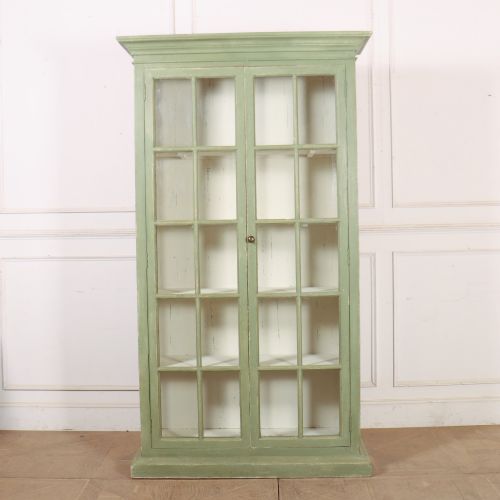


Painted Standing Cabinet
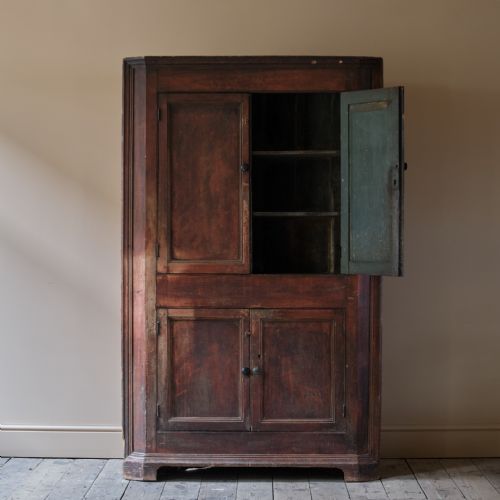
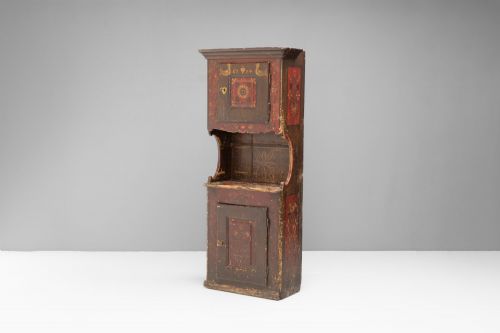
A painted standing cabinet brings colour and upright storage to a room, offering surface decoration alongside practical shelving.
Painted Standing Cabinet
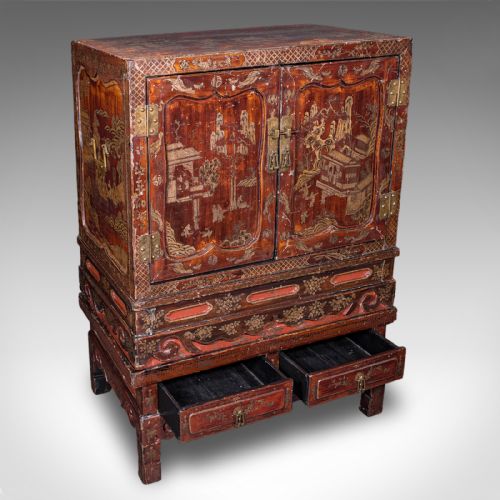
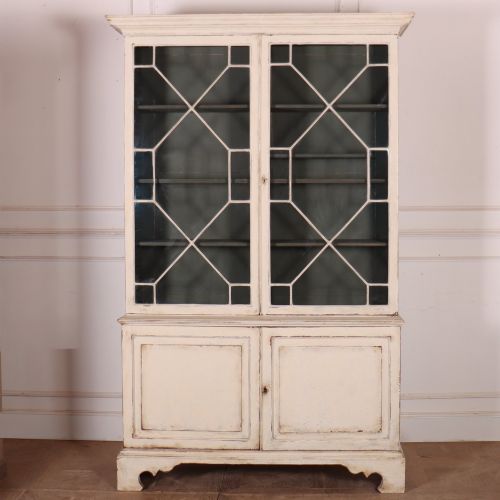
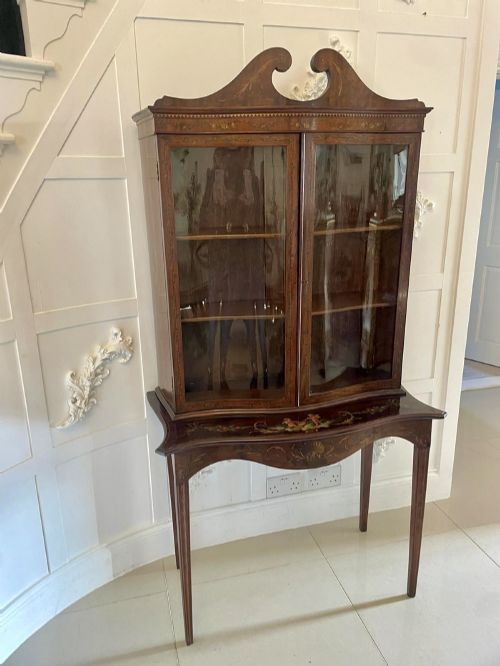
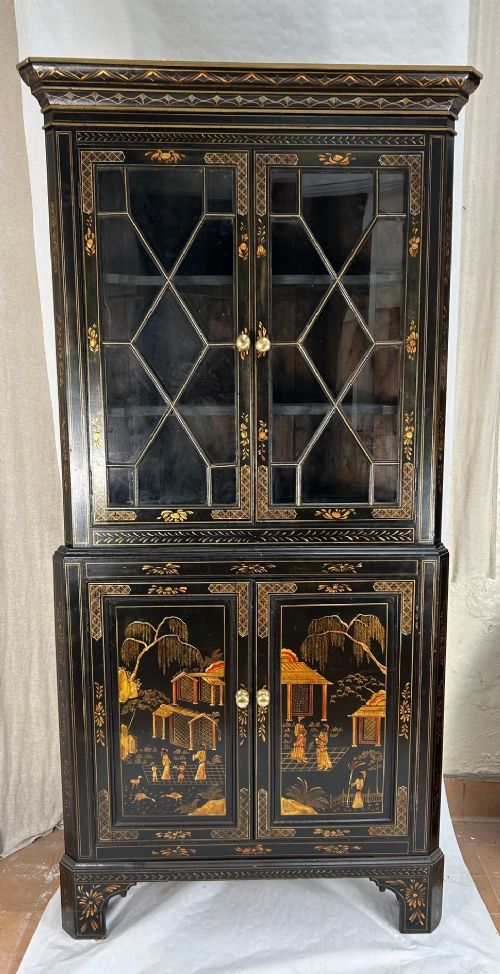
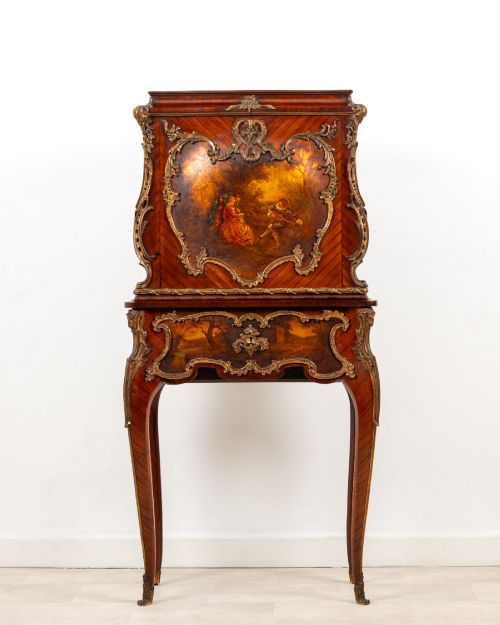
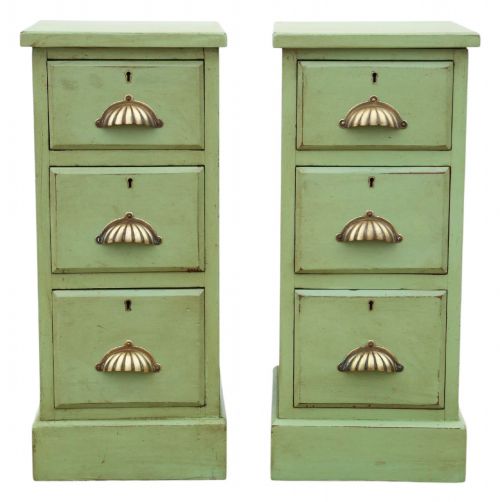
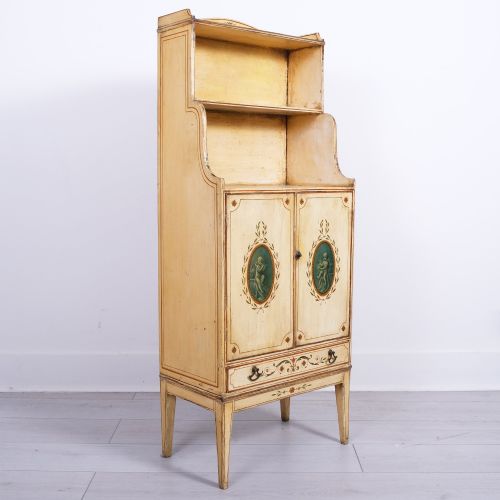
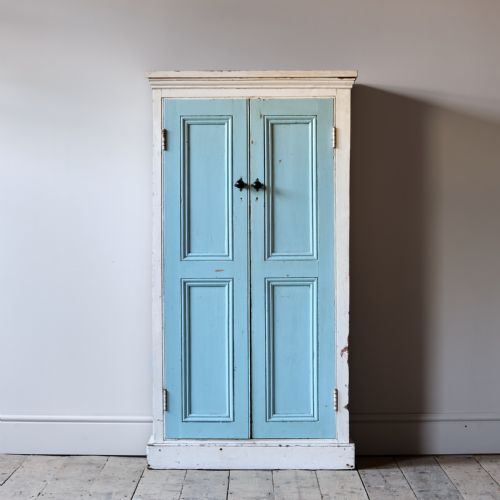
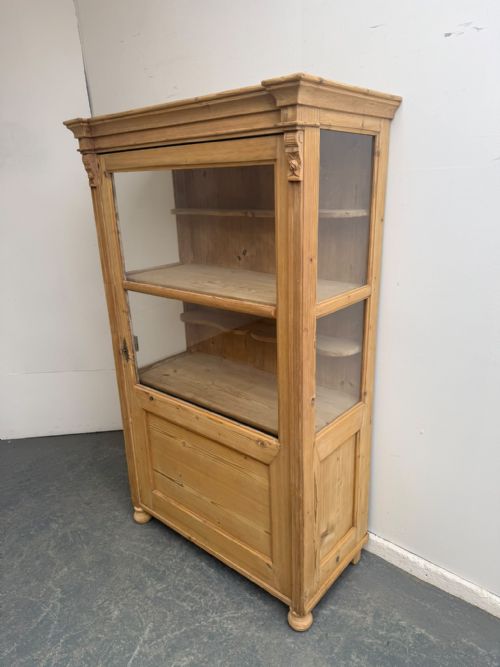
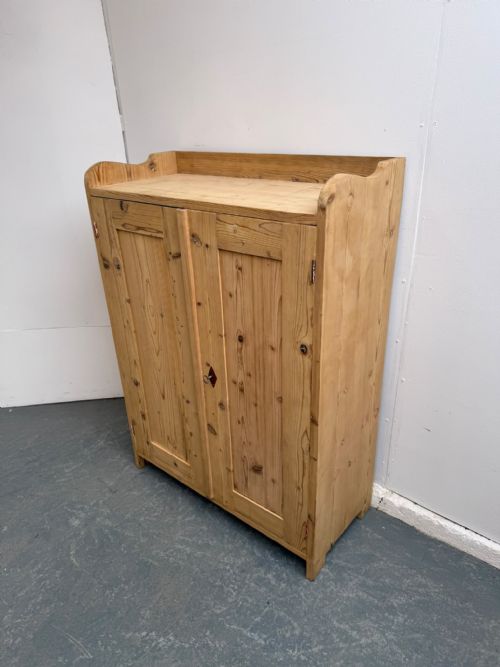
A painted standing cabinet is an upright piece of furniture designed for display or storage, elevated on legs, a stand, or a plinth. When you search for a painted standing cabinet, you encounter diverse forms ranging from corner cupboards and bookcases to cocktail cabinets and secrétaires. The examples available here stretch across the eighteenth, nineteenth, and early twentieth centuries, reflecting changing domestic needs for storing books, porcelain, or beverages.
The most frequent examples on this page date from the Victorian and Edwardian eras, alongside pieces from the Georgian period and the year nineteen hundred. These items often take the form of corner cupboards or cabinets on stands, showing the enduring appeal of raised storage. Makers constructed them in various regional traditions, including English country, Scandinavian country, and distinct oriental styles.
Materials and construction
Cabinet makers built these pieces using primary timbers such as pine, mahogany, kingwood, and walnut, frequently applying paint, lacquer, or gilt highlights directly onto the wood. Surface decoration ranges from simple original paint and grained finishes to elaborate Chinoiserie scenes and Vernis Martin panels. Glass panels, brass hardware, and iron elements appear regularly on glazed doors and vitrines.
Construction techniques combine traditional joinery for the main carcass with specialised finishing for the decorated surfaces. Cabinets on stands often feature separate support frames joined to the upper cupboard or desk section. Artisans applied layers of lacquer or paint, sometimes incorporating carved details, brass mounts, or faux marble effects to achieve the desired aesthetic.
The listings here include pine, mahogany, and iron, finished with lacquer, paint, or gilt highlights across various forms.
Judging quality in painted furniture
The distinction between ordinary and superior pieces rests on the integrity of the surface decoration and the harmony of the proportions. Cabinets retaining their original painted or lacquered schemes command greater attention than those with later or overpainted surfaces. Finer examples display meticulous brushwork, crisp gilding, and balanced details that complement the underlying woodwork.
Constructional solidity also separates standard production from higher craftsmanship. Well-made standing cabinets exhibit tight joints, properly fitted doors, and stable stands that support the weight of the upper body without sagging. The quality of the secondary timbers and the refinement of the hardware, such as brass hinges and escutcheons, further indicate the care taken during manufacture.
Waring and Sons·Coalport
The Painted Standing Cabinet Glossary
- Chinoiserie
- European decorative style inspired by Chinese art, featuring painted or lacquered motifs like figures, pagodas, and landscapes. This technique appears frequently on eighteenth and early twentieth-century cabinets.
- Cabinet on stand
- An enclosed storage section raised upon a separate support frame or legs. This form lifts the main body of the furniture off the floor.
- Vernis Martin
- European imitation of East Asian lacquerwork developed in France, using successive layers of varnish. It is often found on sophisticated secrétaires and writing cabinets.
- Vitrine
- A glass-fronted display cabinet designed for showing porcelain, books, or curiosities. These pieces often feature adjustable shelving and glazed sides.
- Grained finish
- A painted treatment applied to imitate the appearance of more expensive or exotic timbers. Cabinet makers used this technique to elevate simpler woods like pine.
Painted Standing Cabinet: Frequently Asked Questions
What is a painted standing cabinet used for?
These pieces serve primarily for upright storage and display in domestic spaces. Owners traditionally placed them in reception rooms or bedrooms to hold books, glassware, or collected objects.
Today, they function well as focal points in a room, combining enclosed storage behind doors with decorative painted surfaces that add colour and character to an interior.
How do I date a painted cabinet?
Dating relies on examining the construction methods, timber choices, and the characteristics of the painted decoration. Stylistic markers such as Georgian proportions or Edwardian lacquer work provide clear chronological clues.
Hardware, hinges, and secondary woods inside the carcass also help determine the era in which the piece was built.
Are painted finishes original?
Determining originality involves inspecting the wear patterns, craquelure, and the interaction between the paint layers and the underlying wood. Original paint often shows natural ageing and integration with the substrate.
Many pieces from the eighteenth and nineteenth centuries preserve their first decorative schemes, while others received later updates or restorations during the Victorian period.
How do I care for antique painted furniture?
Maintenance requires protecting the surface from direct sunlight, moisture, and extreme temperature fluctuations. Regular dusting with a soft, dry cloth prevents dirt buildup without harming delicate paint.
Avoid using harsh chemical cleaners or abrasive polishes, as these can strip original lacquer, gilding, or historic paint layers.