
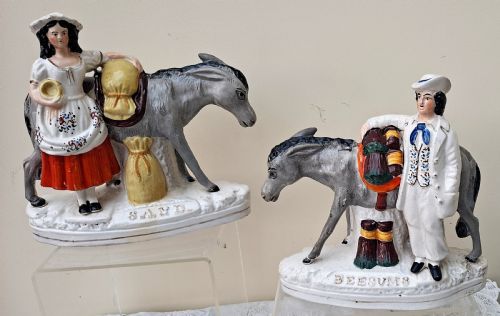


Painted Staffordshire Figure
These painted staffordshire figure pieces bring domestic charm and narrative history directly from past centuries into a modern room.
Painted Staffordshire Figure
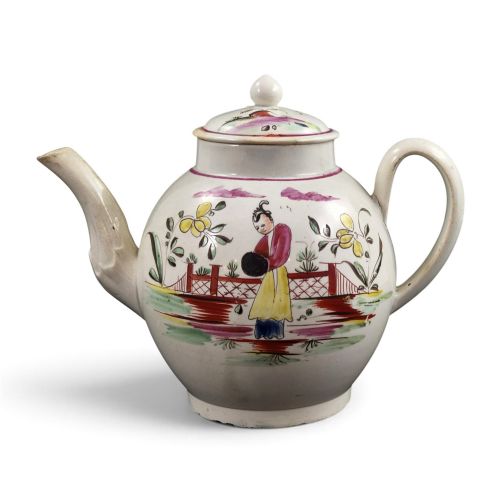
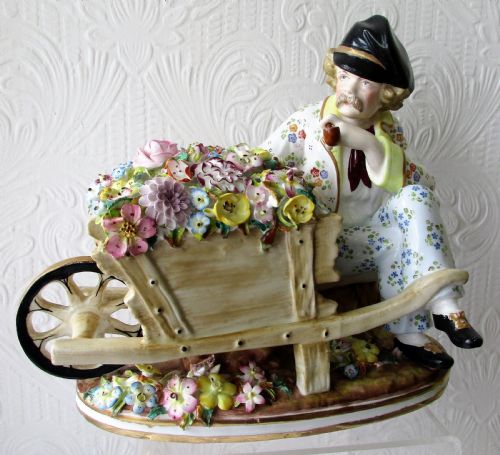
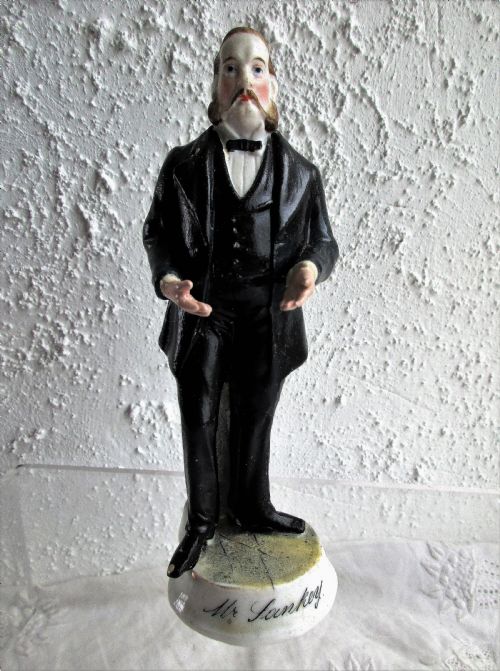
A painted staffordshire figure represents a category of ceramic sculpture originating predominantly in British kilns during the Georgian and Victorian eras. Collectors encounter diverse subjects ranging from historical portrait groups and literary characters to domestic animals and pastoral couples.
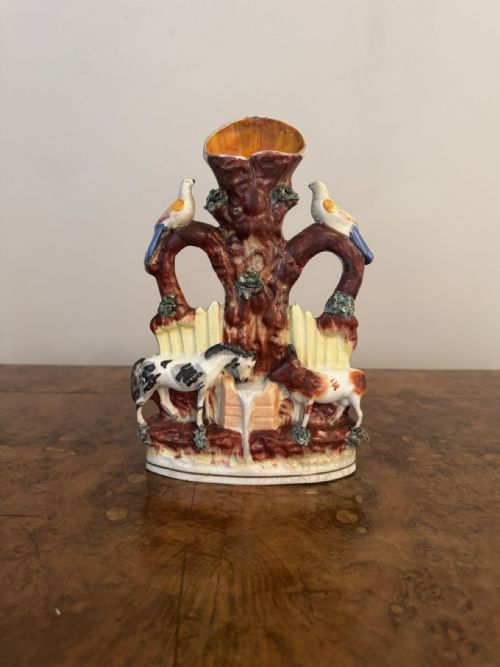
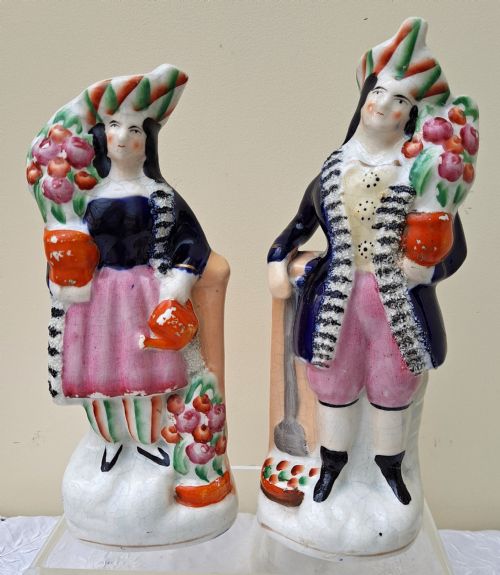
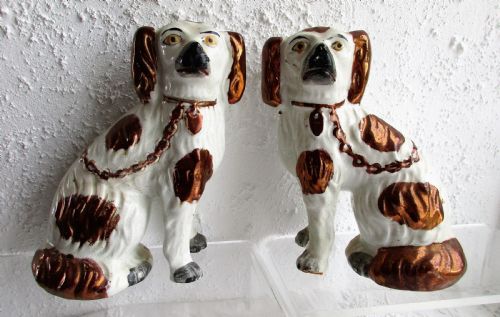
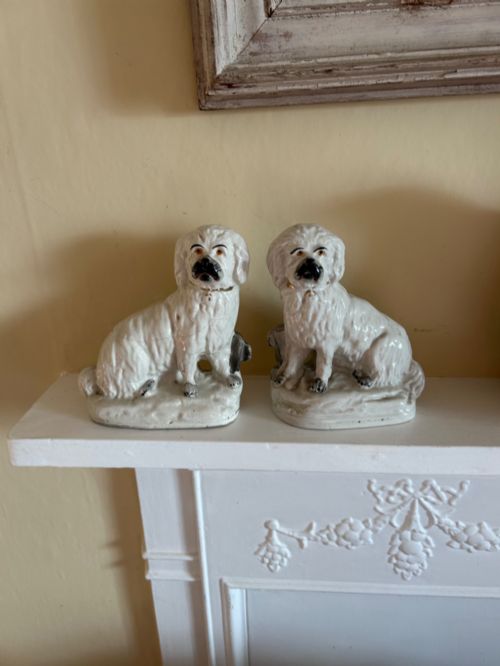
The objects on this page appear mostly as Victorian flatbacks designed to stand against a mantelpiece, alongside seated spaniels, spill vases, and expressive portrait subjects. Makers also produced smaller figurines and pairs intended for symmetrical display in nineteenth-century parlours.
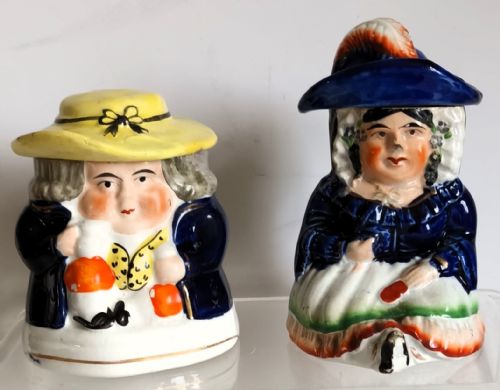
Beyond standard human subjects, the selection includes figurative tobacco jars, watch-holders, and exotic animals such as zebras and leopards. These domestic ornaments served both decorative and utilitarian functions in period homes.
How They Were Made
Potters shaped these earthenware and porcelain objects using press moulds or slip-casting techniques to form the primary body. Workers then applied lead glazes, enamel colours, and occasional gold leaf details by hand before firing the ceramics in kilns.
The characteristic finish relies on hand-painted pigments laid over fired glazes, creating the bright surface decoration seen on birds, dogs, and human figures. Flatback pieces typically received minimal painting on the unviewed rear side to save time and materials during production.
What Varies In Quality
Skill in hand-painting dictates the visual success of each piece, separating careful brushwork from hasty decoration. Rich enamel colours and precise application demonstrate better workshop standards during the manufacturing process.
John Bevington·Longton Hall·Minton
The Painted Staffordshire Figure Glossary
- Flatback
- A ceramic figure modelled with a finished front and a flat, unadorned or partially painted rear. This design allowed makers to place the sculpture neatly against a wall or mantelpiece.
- Spill vase
- A hollow ceramic figure incorporating an attached cylinder designed to hold wooden spills for lighting pipes or fires. These dual-purpose items combined practical utility with domestic decoration.
- Pearlware
- A fine earthenware developed in the eighteenth century featuring a subtle blueish glaze that pooled in recesses. It provided a whiter surface that imitated Chinese porcelain.
- Earthenware
- A porous ceramic body fired at lower temperatures than stoneware or porcelain. Potters coated these wares with opaque tin glazes or transparent lead glazes to achieve a sealed surface.
- Lead glaze
- A glossy coating containing lead oxide applied to pottery before a secondary firing. It produced a smooth, transparent finish that enhanced the painted earthenware beneath.
Painted Staffordshire Figure: Frequently Asked Questions
What are painted staffordshire figures?
These ceramic sculptures are decorative earthenware and porcelain objects produced primarily in British potteries during the eighteenth and nineteenth centuries. They depict human characters, animals, and historical events for display in domestic interiors.
Craftsmen moulded and hand-painted each piece to capture popular subjects of the period. Collectors prize them for their variety and social history.
How were flatback figures displayed?
Victorian households placed flatback figures on mantelpieces, sideboards, and brackets where viewers could only see the detailed front. The unpainted flat backs allowed the pieces to sit flush against interior walls.
Pairs of dogs or human figures were often arranged symmetrically on either side of a fireplace. This placement maximised their visual impact in nineteenth-century rooms.
How do I identify a Victorian figure?
Victorian pieces often display characteristic nineteenth-century subjects such as royalty, military groups, literary figures, and domestic animals like spaniels. The use of earthenware bodies with lead glazes and hand-applied enamel colours helps date the manufacture.
Earlier Georgian examples tend to feature creamware or pearlware bodies with different glazing styles. Examining the modelling technique and palette assists in determining the correct era.
Were these figures used for anything?
While most functioned purely as decorative ornaments to brighten a parlour, some forms served practical daily purposes. Examples include spill vases for holding firelighters and tobacco jars designed for smokers.
Watch-holders provided a safe place to hang pocket watches near a bed or fireplace. These utilitarian pieces combined domestic art with everyday convenience.