


Painted Single Beds
Painted single beds bring colour and character to smaller rooms, combining practical proportions with decorative painted finishes.
Painted Single Beds
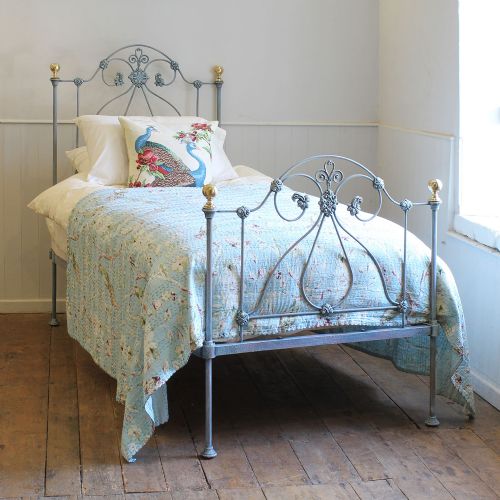
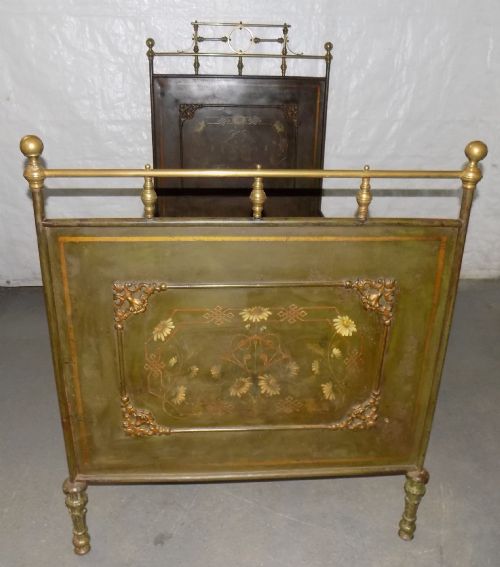
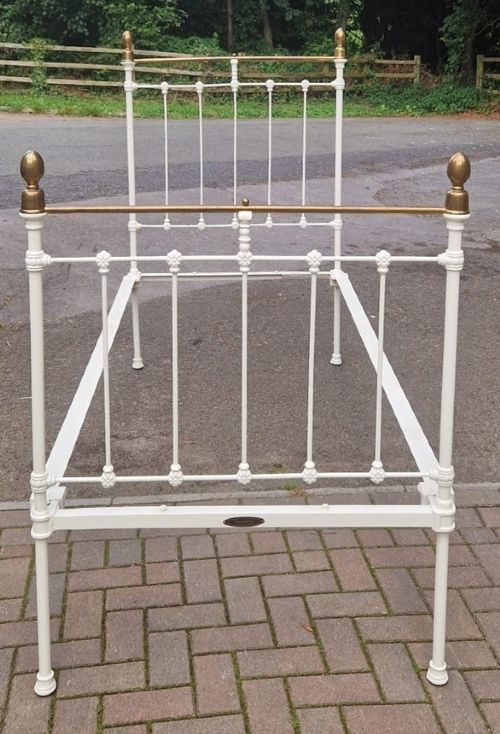
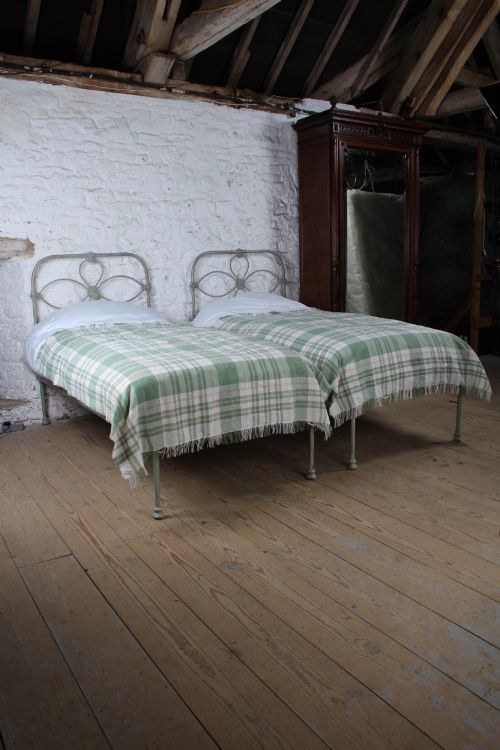
Painted single beds are sleeping frames built to accommodate one person, finished with paint, polychrome detailing or toleware surfaces rather than exposed polished timber. The pieces appearing here span from the mid nineteenth century through the Edwardian era and into the 1920s and 1930s, encompassing both individual frames and matching pairs designed to be joined or used alongside one another. The selection includes French stylistic revivals, Dutch and Austrian designs, and British iron foundations with decorative surface finishes.
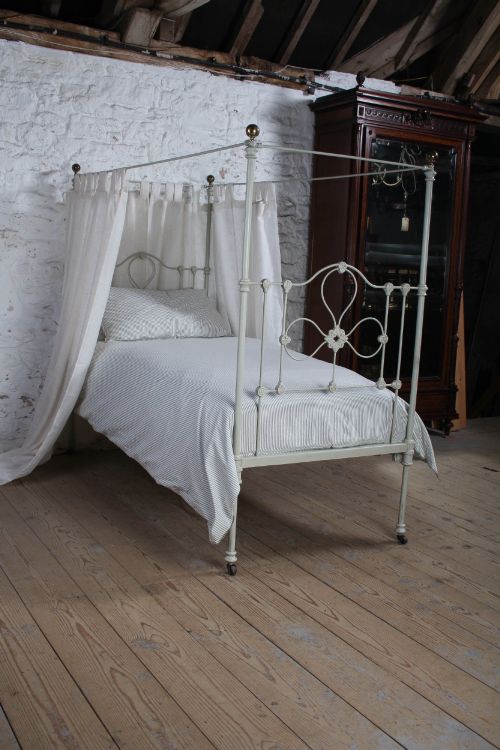
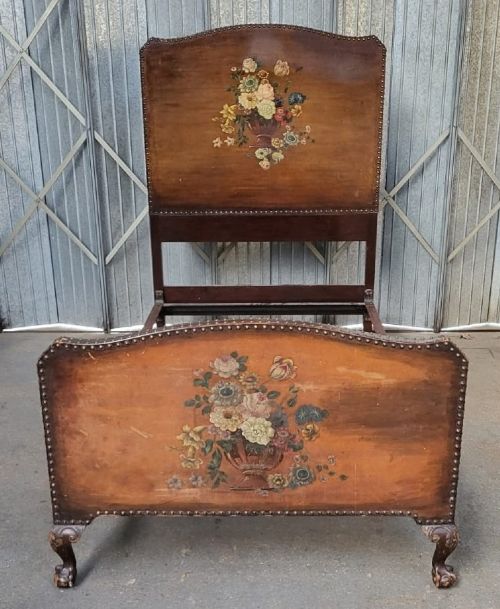
Buyers encounter numerous regional interpretations, ranging from French Louis XVI and Directoire styles with upholstered or caned panels to rustic European models and English iron frames. Many examples incorporate wooden headboards carrying hand painted portraits, gilt tooling or floral motifs, while others pair cast iron and brass with painted frameworks. Formats vary from standard single sizes to larger single widths and four poster configurations.
The construction methods vary according to the primary material, utilising cast iron, wrought iron, and brass alongside solid wood and leather panels. Some designs offer practical versatility through modular construction that allows two separate single frames to join together into a wider platform arrangement.
How they were made
Makers constructed these frames using combinations of cast iron, wrought iron, brass, and timber, applying protective or decorative paint layers directly to metal or wood surfaces. Iron components were cast or forged into structural rails and decorative scrolls, while wooden headboards and footboards utilised carved panels of walnut or other native timbers.
Surface ornamentation involved hand painted polychrome decoration, toleware finishes, and gilt tooling applied over painted grounds. Many frames incorporate upholstered elements, leather inserts, or caned panels set within the painted wooden or metal framework.
Materials recorded across the selection include cast iron, wrought iron, brass, painted wood, leather, and toleware.
What varies in quality
Quality rests in the execution of the decorative surface and the crispness of the framing, separating standard utility pieces from finely detailed artistic examples. Hand painted portrait panels, intricate gilt tooling, and well preserved polychrome finishes elevate the visual impact of a piece far beyond simple monochrome paint layers.
The integrity of the underlying construction distinguishes superior frames, whether through substantial iron casting, robust brass fittings, or carefully carved wooden joinery. Original painted surfaces that retain their intended depth and character hold greater distinction than later or heavy handed overpainting.
R W Winfield
The Painted Single Beds Glossary
- Toleware
- Painted or lacquered sheet metal items. This technique appears on specific Austrian bedstead examples in the selection.
- Polychrome
- Decorated in multiple colours. This term describes painted headboards featuring distinct hues and portrait panels.
- Corbeille
- French term for a basket shaped bed with curved, enveloping head and footboards. These frames wrap around the sleeper.
- Directoire style
- A transitional French design period bridging Louis XVI and Empire styles. It relies on clean architectural lines rather than heavy ornamentation.
Painted Single Beds: Frequently Asked Questions
Can these single beds be pushed together?
Many listings specifically note whether individual frames can be aligned or joined to form a wider sleeping platform.
Buyers find several pairs designed with matching dimensions and compatible side rails for this purpose.
What materials make up these painted beds?
The frames combine painted wood, cast iron, wrought iron, and brass, frequently incorporating leather or upholstered panels.
Surface finishes range from simple cream or white paint to detailed polychrome scenes and gilt tooling.
How do French styles differ from British ones?
French examples often lean towards Louis XVI, Directoire, or Empire revivals with curved corbeille shapes and painted woodwork.
British and Austrian pieces more frequently feature iron and brass frameworks combined with painted or toleware details.
What periods do these beds date from?
The available selection spans from the Victorian era through the Edwardian period and into the 1920s and 1930s.
Nineteenth century examples sit alongside early twentieth century interpretations of classical continental styles.