



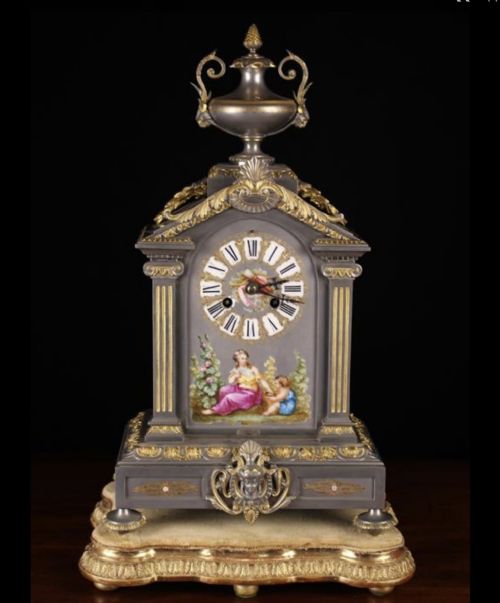


Painted Porcelain Shelf Clock
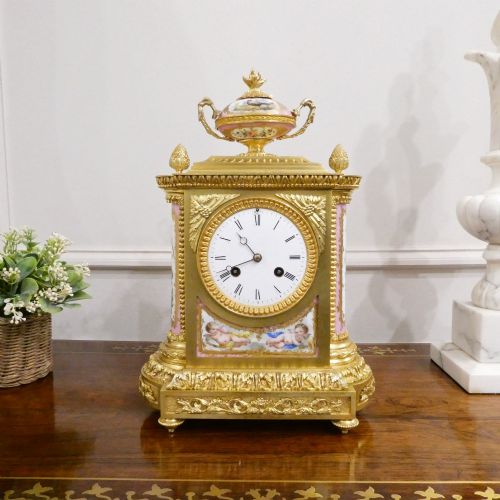
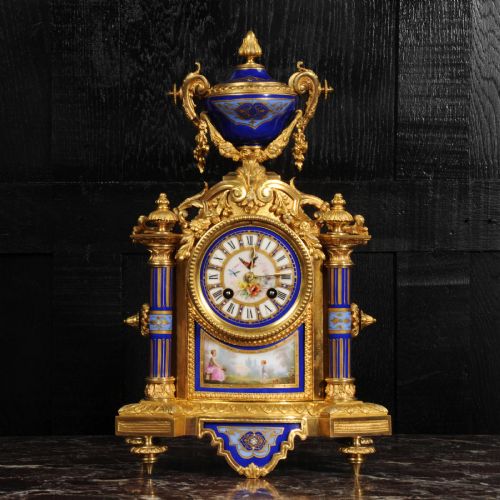
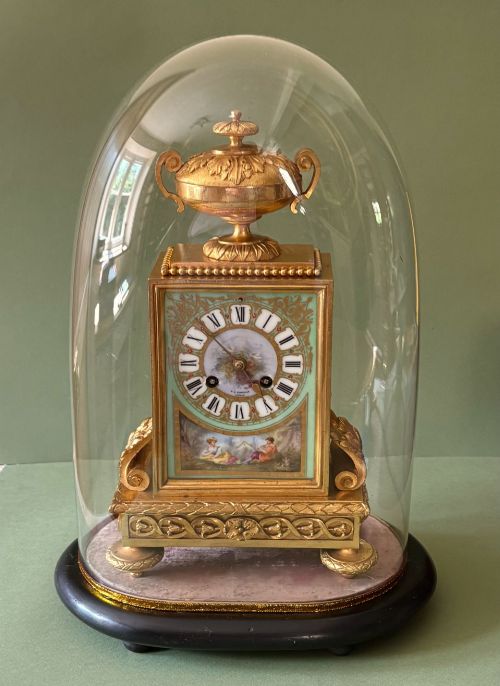
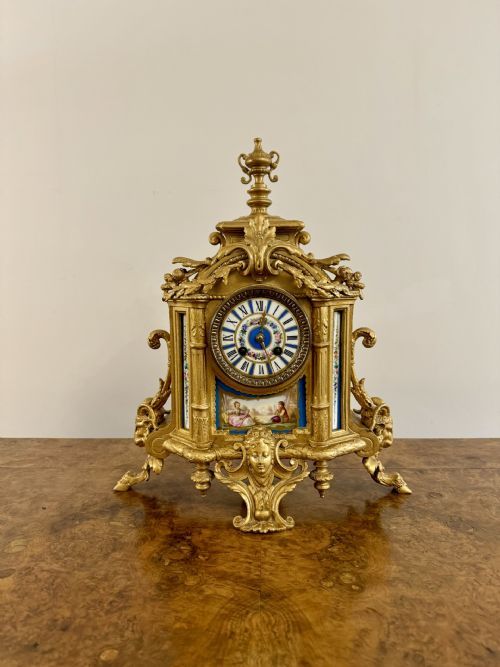
A painted porcelain shelf clock brings undeniable French elegance and intricate hand-painted detail to a mantelpiece.
Painted Porcelain Shelf Clock
A painted porcelain shelf clock is a decorative domestic timekeeper that combines ceramic panels with metal casing, predominantly originating from nineteenth-century France. These pieces typically take the form of mantel clocks designed to sit securely on a shelf or fireplace mantel, functioning both as practical timepieces and striking decorative objects.
The versions most commonly met on this page belong to the Victorian era and the latter half of the nineteenth century, spanning from eighteen-fifty to nineteen-hundred. They frequently display distinct stylistic influences such as Louis XVI style, Rococo revival, and Napoleon III aesthetics, often incorporating painted ceramic plaques reminiscent of Sevres factories.
Makers and foundries of the period housed these porcelain components within substantial metal frameworks, creating a harmonious balance between robust mechanical timekeeping and delicate ceramic artistry. Collectors encounter these objects in various configurations, ranging from ornate gilt bronze mounts to simpler gilt metal structures.
Materials and construction methods
Makers constructed the primary framework of these clocks using cast bronze, ormolu, or gilt metal, often fire-gilding the metal surfaces to achieve a brilliant, enduring lustre. This metallic structure provided the necessary rigid housing to support heavy mechanical movements and delicate decorative mounts.
Ceramic artisans produced painted porcelain panels and dials, frequently incorporating hand-painted floral motifs or pastoral scenes before firing the pieces at high temperatures. Glazing protected the painted surface, allowing the delicate colours to remain vibrant beneath glass covers that shielded the enamel clock faces and hands.
Painted Porcelain Shelf Clock Retail Price Guide 2026
Typical asking prices for painted porcelain shelf clock among the pieces listed under this phrase on Sellingantiques today, from the lower quarter to the upper quarter. They describe what is for sale here now, not the wider market.
Materials recorded on this page include porcelain, gilt bronze, ormolu, glass, enamel, brass, and gilt metal.
Distinctions in craftsmanship
The refinement of the hand-painted porcelain panels sets exceptional examples apart from standard production, particularly where artists employed meticulous brushwork and rich colour palettes. Superior pieces exhibit finely detailed enamel dials and crisp, deeply chased gilt bronze mounts that demonstrate advanced metalworking skill.
The reputation of the maker and the complexity of the internal movement also dictate the standing of a piece within the range. Workshops known for producing reliable eight-day movements alongside high-grade porcelain components command greater appreciation among discerning collectors.
Japy Freres·Jean-Baptiste Delettrez·Japy Fils·JP Delettrez
The Painted Porcelain Shelf Clock Glossary
- Ormolu
- A technique of applying finely ground high-carat gold to a bronze object, creating a rich golden finish. This method was widely utilised in nineteenth-century French clockmaking.
- Sevres
- A famous French porcelain manufactory known for producing soft-paste and hard-paste porcelain. Pieces bearing this influence often feature rich blue grounds and hand-painted decorations.
- Enamel
- A glassy substance fused to metal surfaces under high heat, used primarily here for the clock dial. It provides a smooth, durable background for painted numerals.
- Mantel clock
- A portable timekeeper designed to stand on a shelf or fireplace mantel. These objects served as central decorative ornaments in Victorian drawing rooms.
- Gilt bronze
- Copper alloy cast and coated with a layer of gold. It forms the heavy, ornate structural housing for many French shelf clocks.
Painted Porcelain Shelf Clock: Frequently Asked Questions
How do I wind a painted porcelain shelf clock?
Most of these nineteenth-century clocks utilise an eight-day mechanical movement requiring a specialised winding key. You insert the key into the appropriate winding holes on the enamel dial to tension the mainspring.
Care must be taken not to over-wind the mechanism, stopping as soon as resistance is felt. Regular gentle winding keeps the movement running accurately without straining the vintage internal gears.
Where should I place my shelf clock?
A stable, level surface away from direct sunlight and moisture is essential for preserving both the gilt bronze casing and the painted porcelain panels. Traditional placement includes fireplace mantels, sturdy sideboards, or dedicated console tables.
Ensuring the clock sits level on its feet allows the pendulum to swing evenly and maintains consistent timekeeping. Avoid placing the piece near heat sources that could dry out historic wooden internal components or crack the enamel.
How do I identify the period of a clock?
Dating relies heavily on stylistic cues such as the presence of Louis XVI Revival details, Rococo Revival curves, or specific nineteenth-century manufacturing marks. Examining the casting quality of the gilt metal and the style of the painted porcelain provides further chronological clues.
Signatures or stamps from documented makers like Japy Freres or Jean-Baptiste Delettrez also help narrow down the production era. Comparing the construction methods to established Victorian norms confirms whether a piece originates from the eighteen-fifties or the turn of the twentieth century.
What maintenance do these antique clocks require?
Periodic professional servicing is recommended to clean, oil, and adjust the delicate mechanical movement inside the bronze housing. Keeping the glass face clean and dusting the gilt metal gently with a soft brush preserves the exterior finish.
Harsh chemical cleaners must be avoided entirely to protect the delicate gilding and hand-painted porcelain decorations. Ensuring the environment remains at a stable room temperature prevents thermal shock to the ceramic and metal parts.