

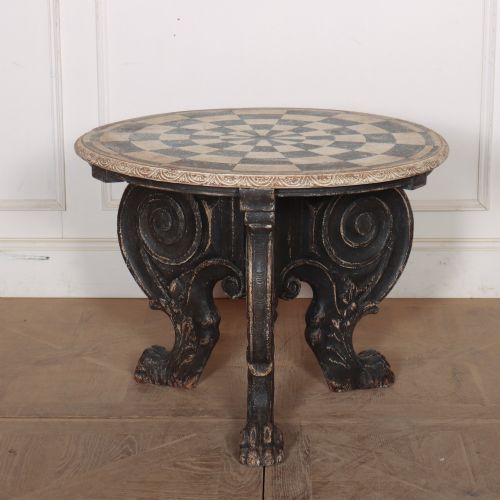
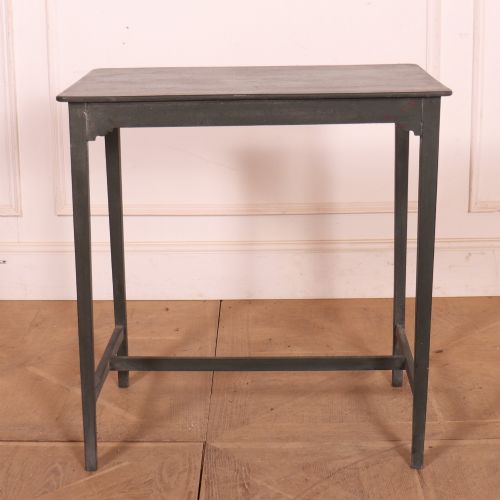


Painted Oak Side Table
A painted oak side table brings useful surface space and a weathered finish to a hallway or living room.
Painted Oak Side Table
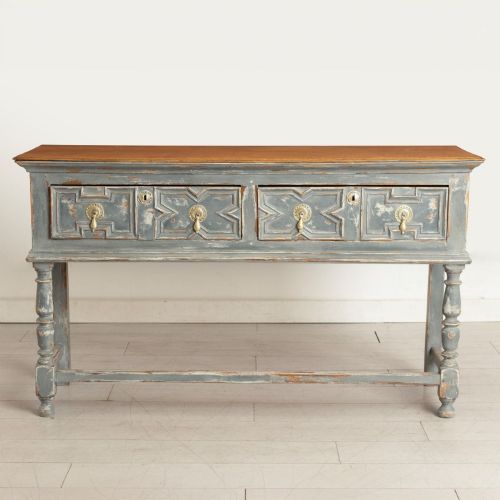
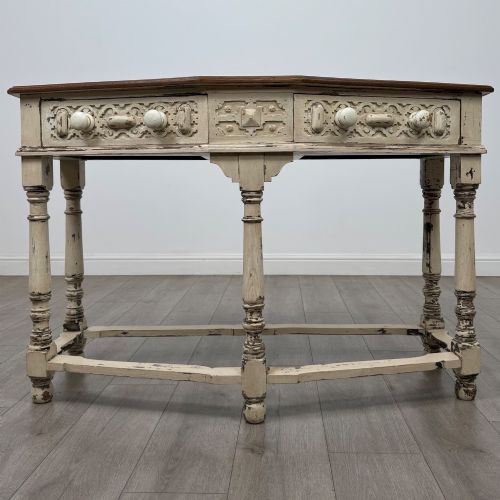
A painted oak side table combines sturdy native timber with decorative painted surfaces spanning several centuries of domestic use. These pieces include compact lamp tables, occasional tables, and console tables originating from English, French, Dutch, and German workshops.
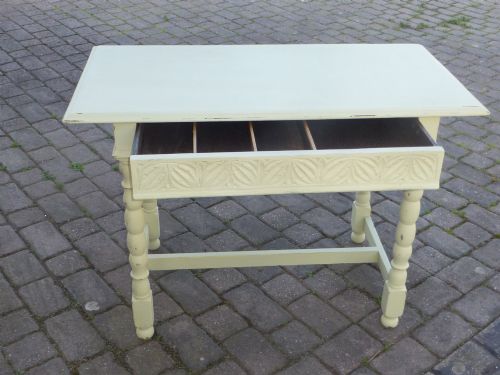
Buyers seeking a painted oak side table will encounter both period originals with later decorative paint and pieces retaining older painted finishes. The forms range from simple single-drawer hall tables to ornate console tables featuring brass hardware or marble tops.
Assessing quality and character
Quality in these tables rests upon the integrity of the timber frame and the historical relationship between the oak structure and its painted surface. Pieces where the paint shows natural age, wear, and patination hold greater visual interest than heavy modern applications.
Proportion and execution distinguish finer examples, particularly in Georgian and console forms where leg turning, joint stability, and edge profiling demonstrate the maker's skill. The integration of secondary materials, such as marble inserts or brass fittings, further defines the character of individual pieces.
Several tables have spent centuries supporting everything from country cheese to Georgian lanterns before finding their way here.
The Painted Oak Side Table Glossary
- Console table
- A table designed to stand against a wall, frequently featuring front legs with wall support or brackets. These pieces often serve narrow hallways or reception rooms.
- Dresser base
- A low, heavy sideboard-style table featuring drawers or cupboards beneath a flat top. They provide substantial storage alongside surface utility.
- Cricket table
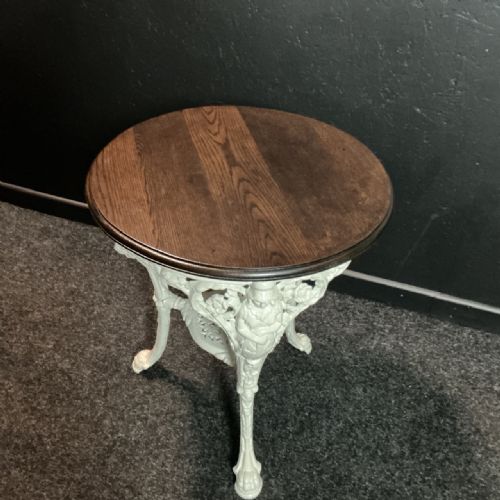
- A small, lightweight occasional table typically supported by three splayed legs. This design offers stability on uneven floorboards in country interiors.
- Lamp table
- A compact occasional table built to hold lighting or small decorative objects. They occupy minimal floor space while providing reachable surface area.
- Patination
- The surface sheen and colour acquired by wood and paint through decades of handling and exposure. It serves as an indicator of age and genuine use.
Painted Oak Side Table: Frequently Asked Questions
Where should I place a side table?
These tables fit well in hallways, beside seating areas, or against empty wall spaces where surface area is needed without bulk.
Their compact footprints allow them to function as lamp stands, plant pedestals, or bedside surfaces in various rooms.
How do I care for painted wood?
Dust surfaces regularly with a soft, dry cloth and avoid exposing the timber to direct heat sources or excessive moisture.
Protect the painted finish from sharp objects and harsh chemical cleaners to preserve the historic character of the surface.
Are these tables period originals?
The inventory spans multiple centuries, including pieces built during the seventeenth, eighteenth, and nineteenth centuries.
Some items feature original finishes from their manufacturing era, while others show decorative paint applied during later periods of their history.
What is the difference between oak and pine?
Oak is a dense, heavy hardwood prized for its durability and prominent grain pattern, used extensively for structural framework.
Pine is a softer wood frequently utilised for secondary elements like drawer linings or backing boards within these pieces.