





Painted Miniature Pendant
A painted miniature pendant holds a tiny portrait close to the heart, combining personal history with exquisite craftsmanship.
Painted Miniature Pendant
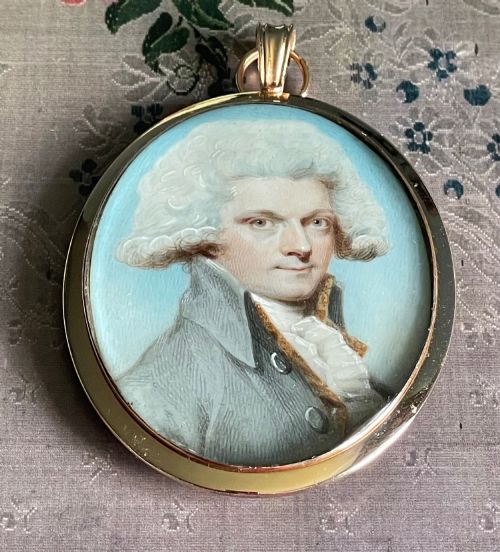
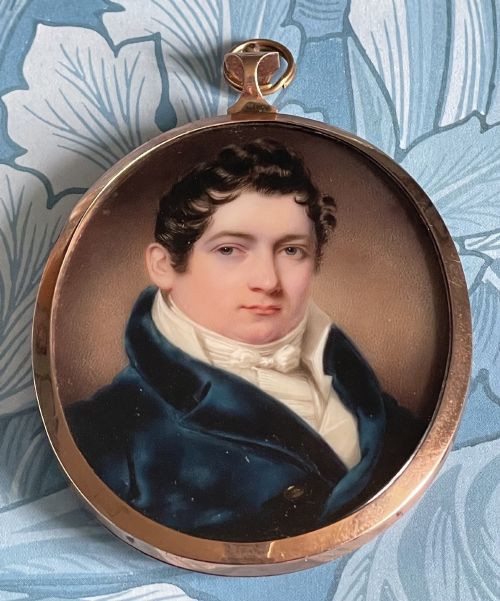
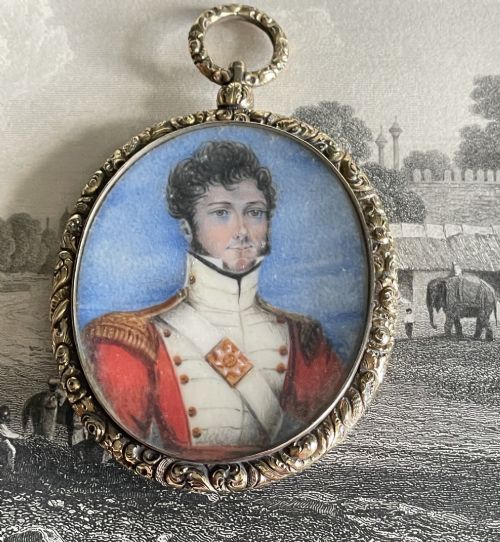
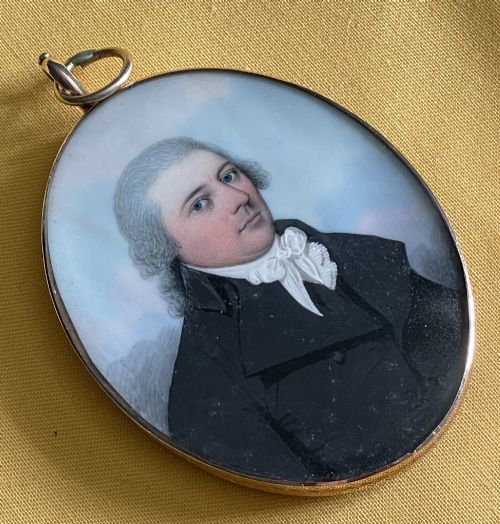
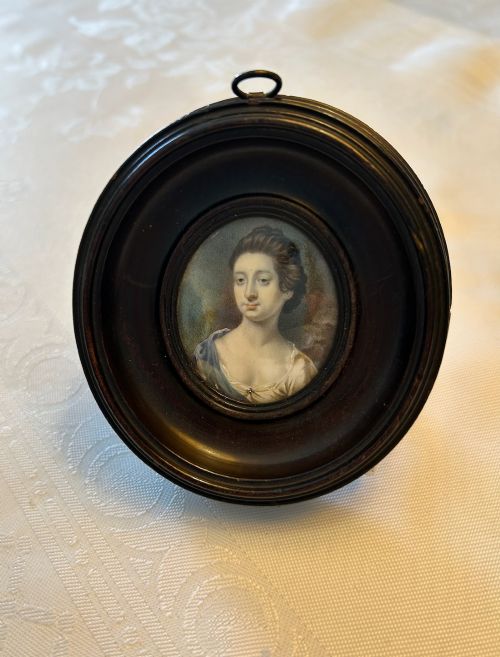
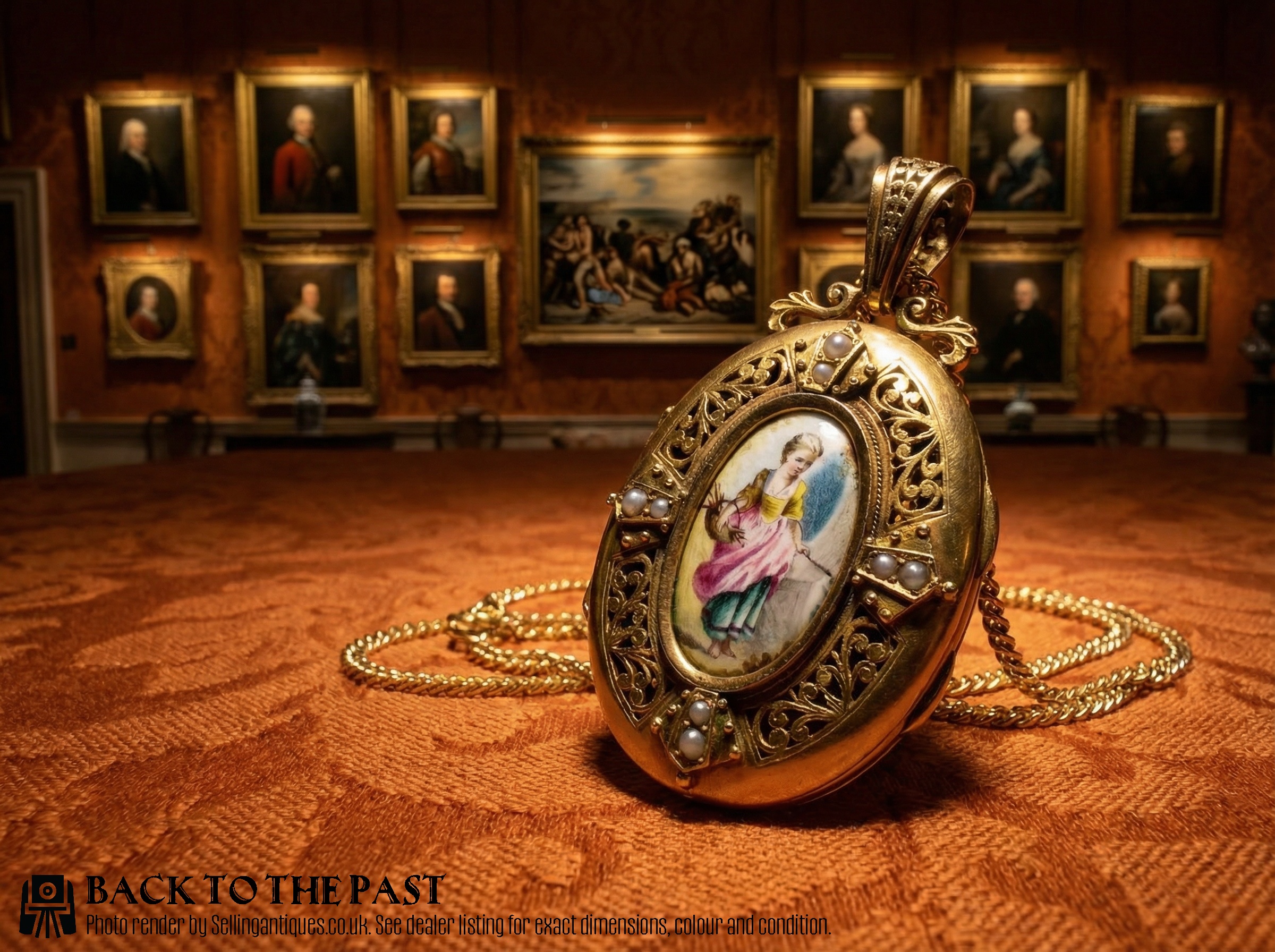
A painted miniature pendant is a portable artwork designed to be worn around the neck, featuring a hand-painted portrait executed with remarkable detail. These pieces predominantly date from the eighteenth and nineteenth centuries, spanning the Georgian, Regency and Victorian periods.
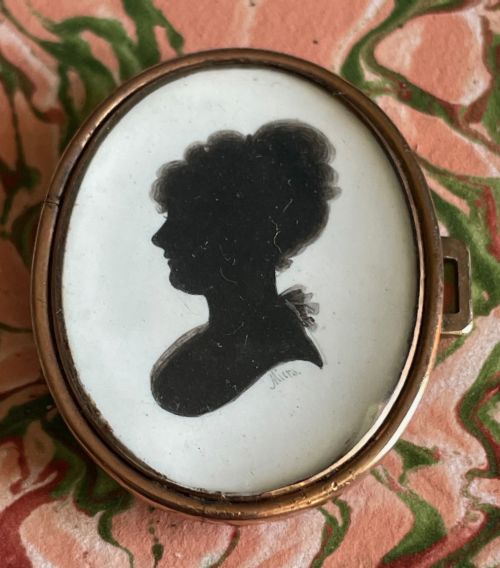
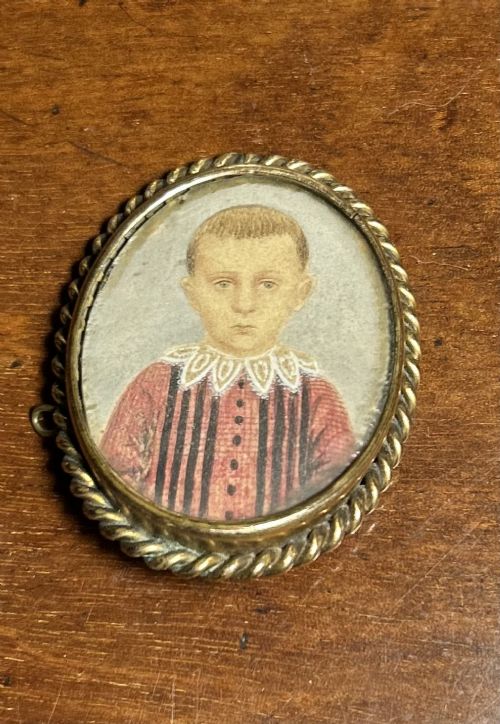
The most common examples encountered on this page take the form of oval portraits rendered on ivory, vellum or enamel, secured within gold, silver or gilt metal frames. Many of these wearable works function as both brooches and pendants, adapting to different modes of dress.
Subjects range from British military officers and named gentlemen to society ladies and children, often painted by recognised practitioners of the genre. The scale demands intense concentration from the artist, turning a small disc or oval into a deeply intimate likeness.
Materials and construction
Makers applied watercolour or pigment onto thin slices of ivory, vellum, glass or agate panels, building up flesh tones and lace with microscopic brushstrokes. Enamel versions involved fusing powdered glass to metal supports under intense heat, locking the pigments into a permanent glossy surface.
These delicate painted panels required secure housings, leading craftsmen to mount them in surrounds of gold, silver, pearl and gilt metal. Many housings double as lockets, incorporating glazed reverse compartments designed to hold locks of hair or braided memorial tokens.
Listings feature works spanning the eighteenth and nineteenth centuries, executed in watercolour, enamel and pigment upon ivory, glass and vellum.
Assessing quality and execution
Henry Bone ARA·Charles Shirreff·John Miers·John C D Engleheart·Frederick Buck·Charles Hayter·Christian Friedrich Zincke·William Naish·James Ferguson·George Engleheart·William Grimaldi·John Inigo Wright·Samuel Cotes·AE Chalon·John Barry
The Painted Miniature Pendant Glossary
- Portrait miniature
- A small-scale painting, typically executed in watercolour, enamel or oil on ivory, vellum or copper. These pieces were commissioned to commemorate family members, lovers or notable public figures.
- Enamel
- A glassy substance fused to a metal base through firing, providing a durable and luminous surface for portraiture. Enamel miniatures resist fading better than those painted on organic supports.
- Vellum
- A fine parchment prepared from calfskin, utilised as a smooth painting surface for miniatures before ivory gained popularity in the eighteenth century. It offers a flat, absorbent ground for delicate watercolours.
- Agate panel
- A polished slice of semi-precious stone used occasionally as a painting support. The natural grain of the stone sometimes provides a subtle backdrop or texture for the subject.
- Silhouette
- A profile portrait filled in with a solid dark pigment, often cut from paper or painted on glass or plaster. These stark likenesses represent a popular alternative to full-colour painted miniatures.
Painted Miniature Pendant: Frequently Asked Questions
How were painted miniature pendants worn?
Owners typically suspended these pieces from ribbons or chains around the neck, allowing the portrait to rest against the chest. Many designs incorporated folding loops or pin stems, enabling the wearer to attach the piece to clothing as a brooch.
This versatility meant a single item could transition from private devotional wear to public display at social gatherings. The dual function as pendant and brooch remains common among nineteenth-century examples.
What is inside a locket back?
Locket backs frequently contain braided human hair arranged in intricate geometric patterns, often accompanied by gold wire initials. This practice served as a sentimental memento of absent or deceased loved ones.
Opening the reverse compartment reveals the personal, memorial aspect that often accompanied commissioned portraiture. These hidden elements transform a simple piece of jewellery into a deeply personal archive.
How do I date a miniature pendant?
Dating relies on the clothing style, hairstyle and framing technique of the subject. Georgian pieces often feature simplified gold bezels and powdered wigs, while Victorian examples introduce pearls and more elaborate chased metalwork.
Signatures or exhibition notes on the reverse provide definitive markers when present. Comparing the portrait style to known works by documented painters helps narrow the decade of creation.
Are these paintings done on ivory?
Many eighteenth and nineteenth-century examples use thin wafers of ivory as a painting surface because the material imparts a luminous quality to skin tones. Artists exploited the natural translucence of the substrate to create glowing complexions.
Alternative supports include vellum, glass, copper and enamel, depending on the period and the artist's preference. Examining the edges under magnification reveals the underlying material without damaging the frame.