




Painted Metal Trade Sign
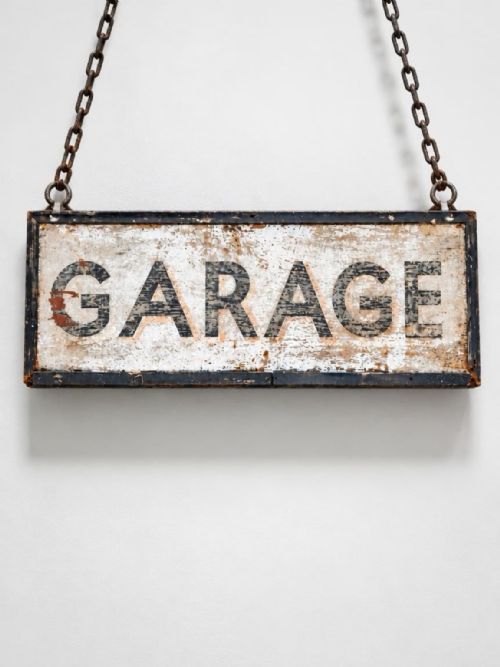
A painted metal trade sign brings bold lettering and robust metalwork straight from the shopfront or pub wall into your interior.
Painted Metal Trade Sign
A painted metal trade sign represents the commercial and advertising history of the nineteenth and twentieth centuries, spanning periods from the nineteenth century through the 1950s. You will frequently encounter forms such as wall signs, advertising signs, pub signs, and hanging pieces that once identified local tradesmen, public houses, and commercial premises.
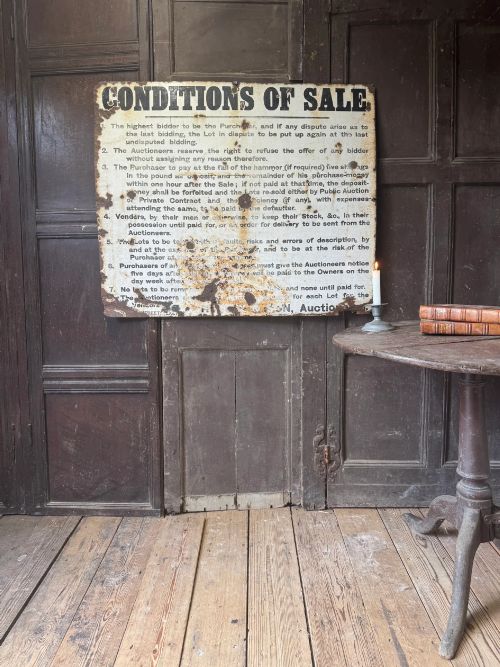
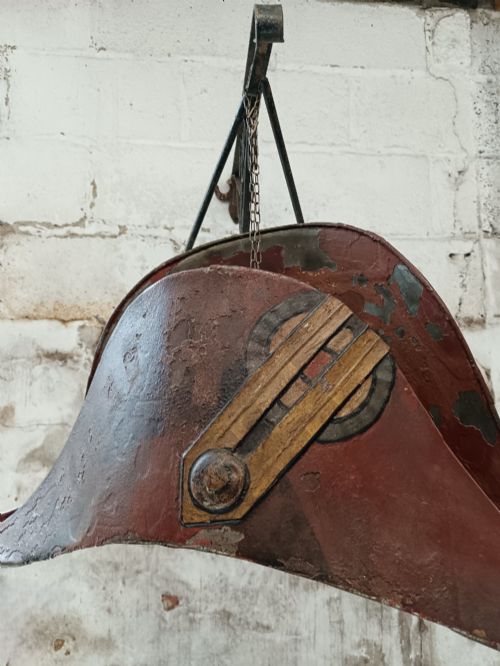
The regional variety ranges from traditional British hanging pub signs and auctioneers' conditions of sale notices to French industrial street shop signs and military toleware bicorn hat symbols. These objects served purely functional purposes outdoors before transitioning into decorative wall decor and display items.
How they were made
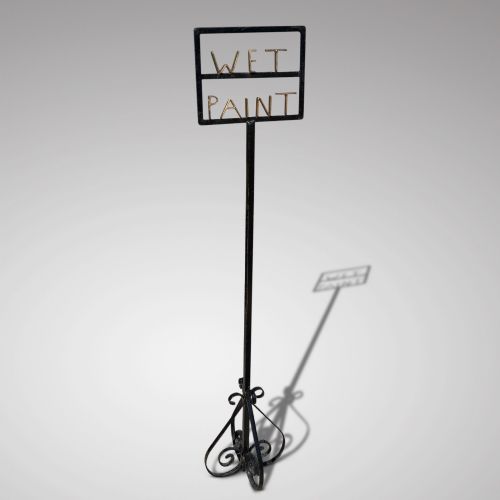
Maker construction relies heavily on iron, sheet iron, sheet metal, and wrought iron shaped into flat panels or three-dimensional forms like clock faces and hat shapes. Smiths and signwriters applied direct coats of paint to these metal substrates to create durable outdoor notices.
Techniques combine blacksmithing for the iron brackets and hanging mounts with hand-painted lettering and pictorial motifs. The materials show the practical industrial methods of the nineteenth century and the early twentieth century.
Painted Metal Trade Sign Retail Price Guide 2026
Typical asking prices for painted metal trade sign among the pieces listed under this phrase on Sellingantiques today, from the lower quarter to the upper quarter. They describe what is for sale here now, not the wider market.
A painted metal hat can tell you more about a nineteenth-century quartermaster than a whole shelf of ledgers.
What varies in quality
The distinction in quality rests upon the clarity of the original signwriting and the character of the surface paint. Examples with crisp, legible typography and authentic weathering present a stronger visual presence than plain or heavily compromised surfaces.
Construction robustness also divides the selection, separating simple sheet metal panels from complex three-dimensional wrought iron fabrications and shaped trade symbols.
The Painted Metal Trade Sign Glossary
- Toleware
- Painted or lacquered metalware, often shaped into specific objects such as military bicorn hats. This technique was widely utilised for decorative and commercial items during the nineteenth century.
- Wrought iron
- Tough, malleable iron beaten into shape by a blacksmith to form robust hanging brackets and structural frames. It provides the heavy-duty support necessary for hanging pub and shop signage.
- Sheet metal
- Rolled metal plate cut and formed into flat signboards for painted lettering. It served as a lightweight alternative to cast iron for commercial advertising.
- Pub sign
- A hanging board designed to identify a public house through pictorial imagery and text. These traditional pieces often incorporated iron hanging hardware for exterior display.
- Folk art
- Utilitarian items created by non-academic makers, including early twentieth-century shop signs. Their appeal lies in unpretentious regional lettering and direct visual communication.
Painted Metal Trade Sign: Frequently Asked Questions
Where were trade signs displayed?
These signs hung outside shops, public houses, and commercial premises to identify the trade or profession housed within. They projected into streets or mounted directly onto exterior walls to attract passing foot traffic.
Over time, many surviving examples moved indoors to serve as wall decor once their commercial purpose ended.
What periods do these signs cover?
The available pieces span from the nineteenth century through the mid-twentieth century, including Edwardian and 1920s examples. This encompasses nineteenth-century military pieces alongside 1950s auction notices.
French industrial and traditional British styles dominate this timeline.
Are the paint surfaces original?
The paint surfaces show the weathering, wear, and patination accumulated from decades of outdoor or commercial exposure. Signwriters used durable pigments designed to withstand the elements.
Examination of the lettering reveals hand-painted execution characteristic of early twentieth-century trade work.