




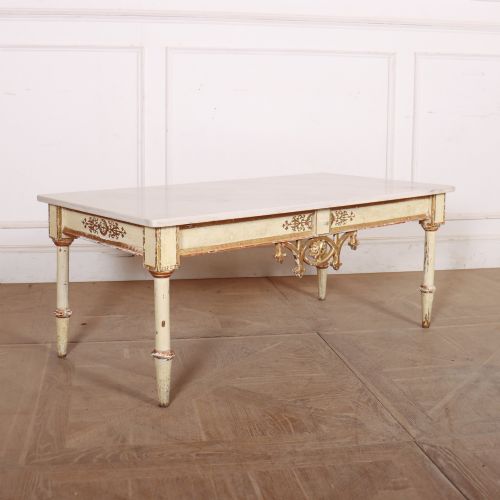
Painted Low Table
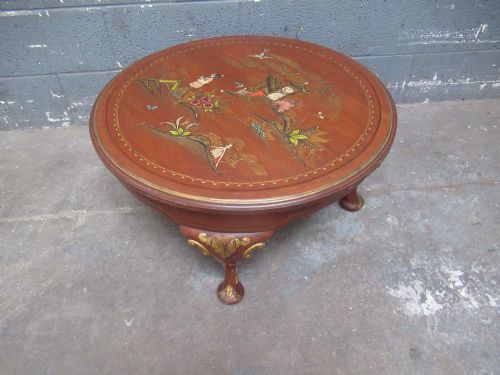
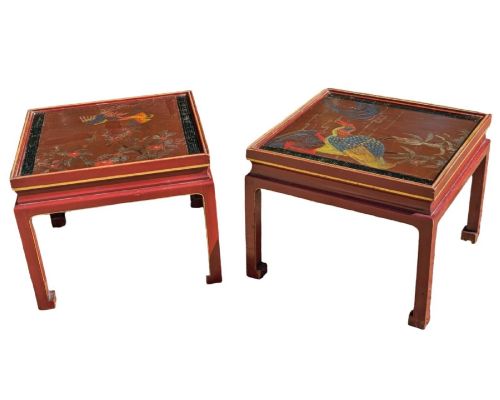
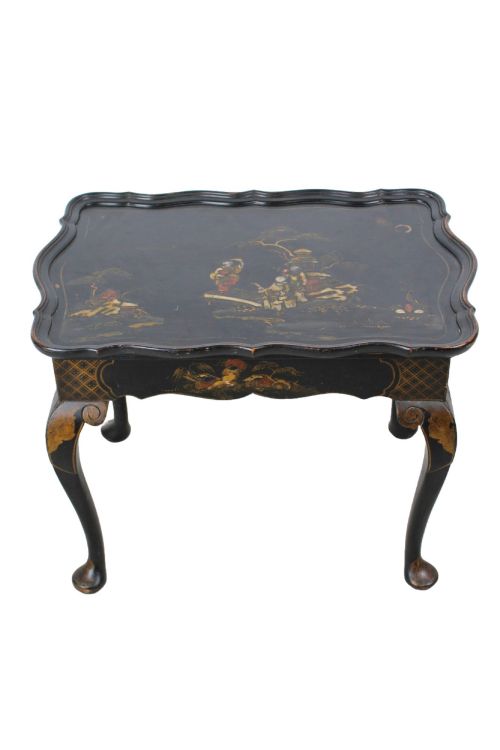
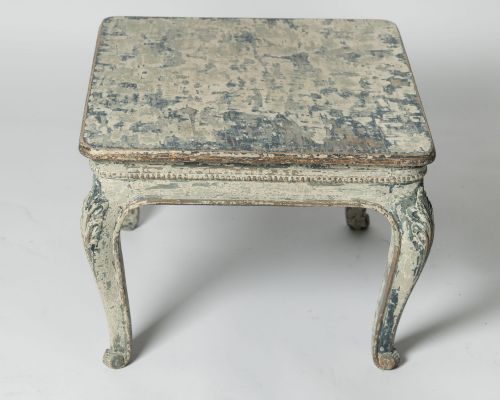
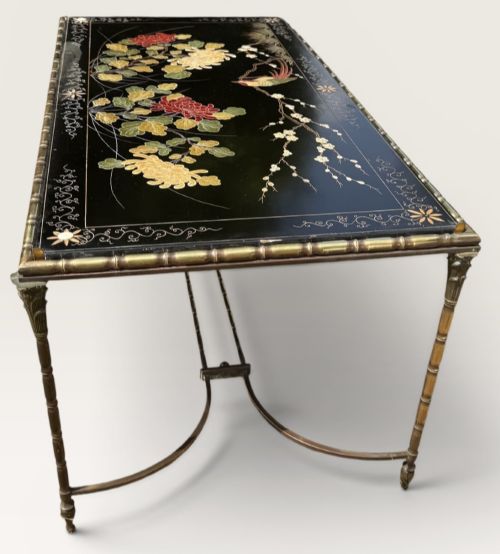
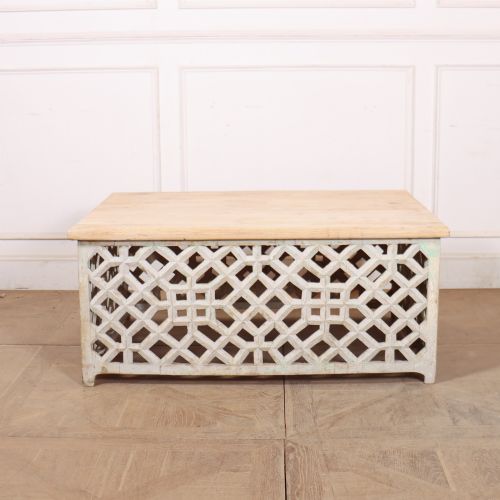
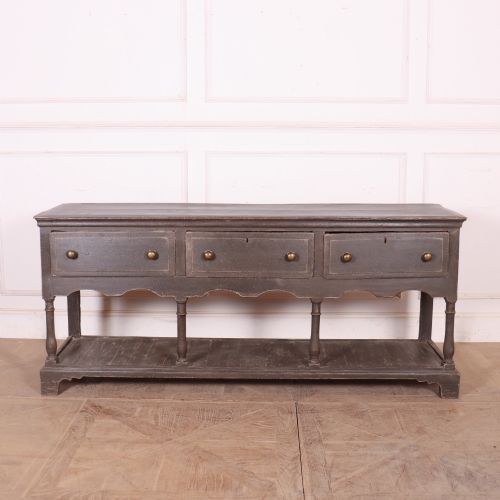
A painted low table brings surface utility and visual depth to a room, ranging from Chinoiserie lacquer to rustic English farmhouse bases.
Painted Low Table
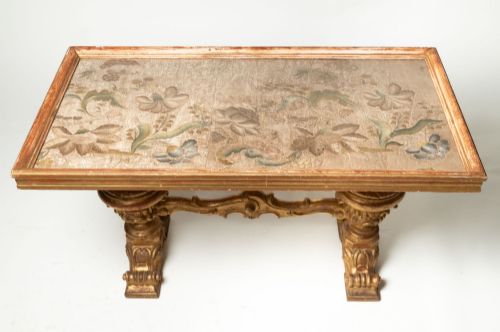
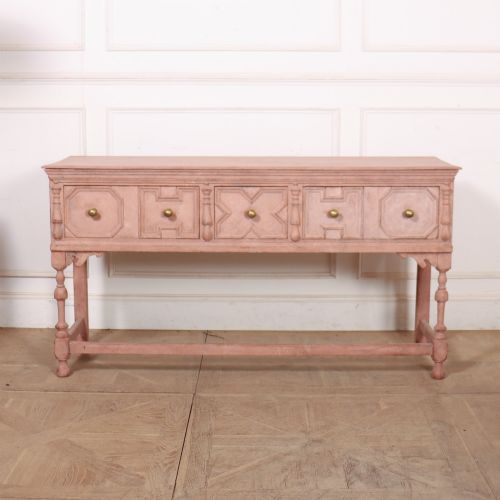
A painted low table combines low-level utility with decorative surface work, taking the form of coffee tables, side tables, lowboys, and adapted dresser bases. These items span periods from the Georgian era through the nineteenth century and into the 1920s and 1930s.
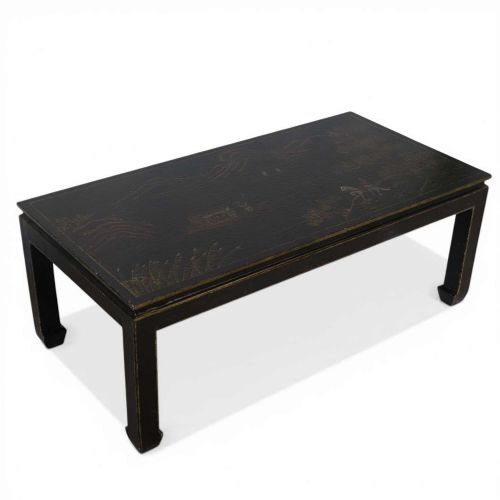
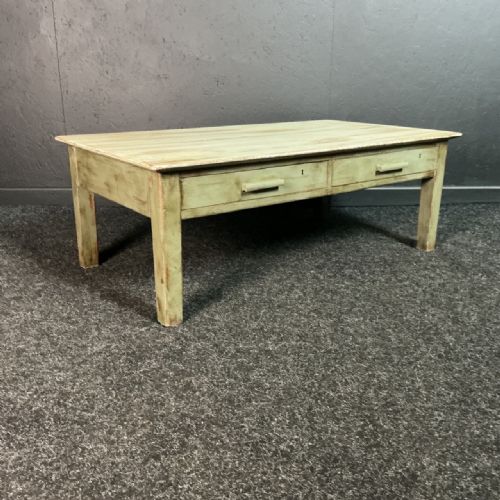
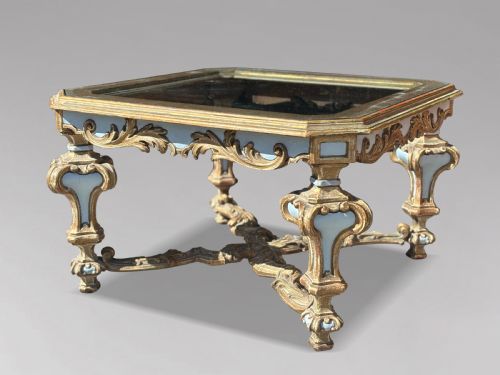
The selection on this page leans heavily toward coffee tables and low surfaces finished in Chinoiserie lacquer, rustic farmhouse paint, or Italian Baroque and French styles. Buyers also encounter low stools, benches, and low boys fulfilling similar low-profile domestic roles.
Geographic origins vary widely across the inventory, encompassing English country workshops, French provincial centres, Venetian studios, and Chinese or Kashmiri production. Each piece reflects the decorative taste of its period, whether through pastoral English scenes or intricate oriental lacquer.
How they were made
Makers utilised solid timbers including oak, pine, teak, and various hardwoods as the structural foundation for these surfaces. Paint, lacquer, and gilt were then applied over the wood, sometimes accompanied by applied brass hardware or inset marble tops.
Decorative techniques relied heavily on hand-applied paint and lacquer to create decorative scenes, japanning, or parcel-gilt highlights. Surface treatments range from simple rustic farmhouse coats to intricate Chinoiserie motifs executed on Chinese, Anglo-Indian, and European pieces.
Painted Low Table Retail Price Guide 2026
Typical asking prices for painted low table among the pieces listed under this phrase on Sellingantiques today, from the lower quarter to the upper quarter. They describe what is for sale here now, not the wider market.
Scottish dairy dressers share shelf space with Venetian style coffee tables and Kashmiri tea trays.
What varies in quality
The sophistication of the painted or lacquered surface dictates much of the distinction between pieces, moving from simple country coats to detailed figural Chinoiserie scenes and parcel-gilt work. The integrity of the underlying timber construction, whether sturdy oak, pine, or exotic hardwood, supports the longevity of the piece.
Provenance and stylistic execution separate standard domestic items from high-design examples associated with specific regional traditions or notable retailers. The retention of original decorative schemes rather than later repainting governs the integrity of antique low tables.
Maison Bagues·Harrods
The Painted Low Table Glossary
- Chinoiserie
- European decorative style inspired by Chinese art and design, characterised by lacquered surfaces and painted figures. This technique appears frequently on tables from the nineteenth and early twentieth centuries.
- Lowboy
- A small eighteenth-century English table with drawers, standing on relatively short legs. These items are frequently adapted or utilised as low display surfaces today.
- Japanning
- European imitation of East London and Japanese lacquer work, built up in layers of varnish and heated. It is commonly found on early twentieth-century decorative tables.
- Potboard dresser base
- A heavy wooden base featuring an open lower shelf for storing pots and domestic utensils. These sturdy kitchen and dairy pieces originate from English and Scottish country houses.
- Parcel-gilt
- Partially gilded woodwork where gold leaf highlights specific carved or raised details against a painted ground. This finish appears on Italian and French tables.
Painted Low Table: Frequently Asked Questions
What is a painted low table?
A painted low table is a surface designed for low-level use, encompassing coffee tables, lowboys, and adapted dresser bases finished with paint, lacquer, or gilt. These pieces serve functional and decorative roles in interior spaces.
They draw on diverse traditions, including English country workshops, French provincial furniture, and Asian lacquerware.
How do I date a painted low table?
Dating relies on examining the underlying timber construction, joinery methods, and the style of the painted or lacquered decoration. Eighteenth-century pieces often show utilitarian country or Georgian construction, while nineteenth and twentieth-century examples display Victorian, Edwardian, or Art Deco aesthetic traits.
Original surface wear and pigment composition also offer clues to a piece's age.
Where were these tables made?
The inventory includes pieces originating from English, Scottish, French, Italian, Danish, Chinese, Kashmiri, and Anglo-Indian workshops. Each region contributed distinct forms and decorative vocabularies to domestic furniture.
Makers adapted local timbers and regional painting techniques to suit contemporary tastes.
How do I care for a lacquered surface?
Lacquered and painted surfaces require gentle cleaning with a soft, dry cloth to remove dust without abrasive chemicals. Direct sunlight and excessive moisture should be avoided to protect the delicate finishes and prevent cracking.
Maintaining stable indoor humidity preserves both the wood underneath and the painted decoration above.