





Painted Lacquer Cupboard
A painted lacquer cupboard brings rich colour and figurative narrative into a room, spanning 18th century European japanning and traditional Chinese marriage furniture.
Painted Lacquer Cupboard
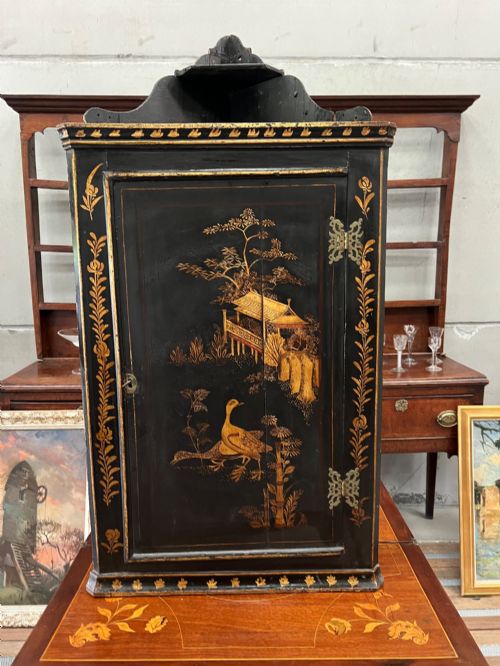
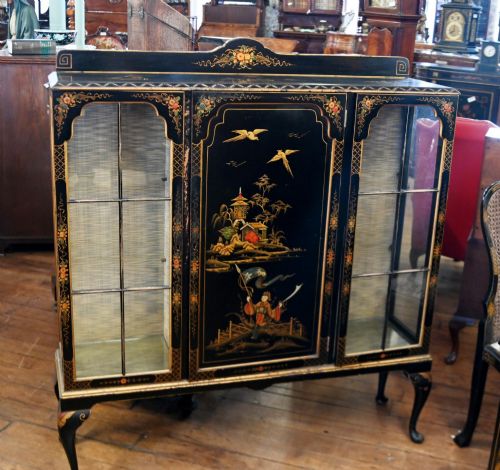
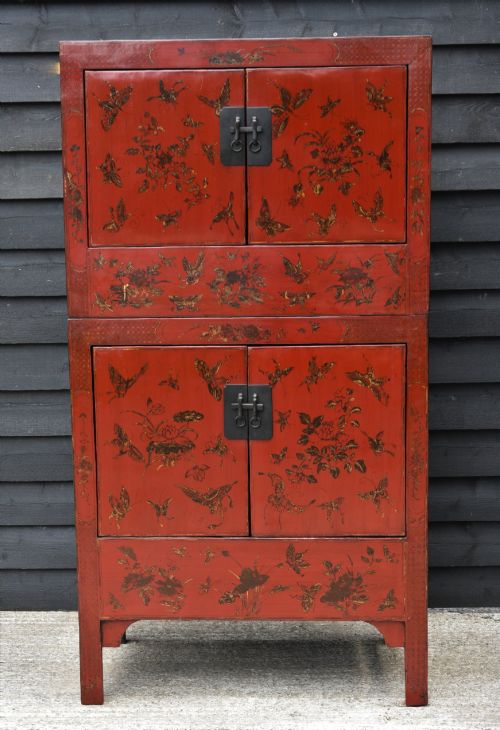
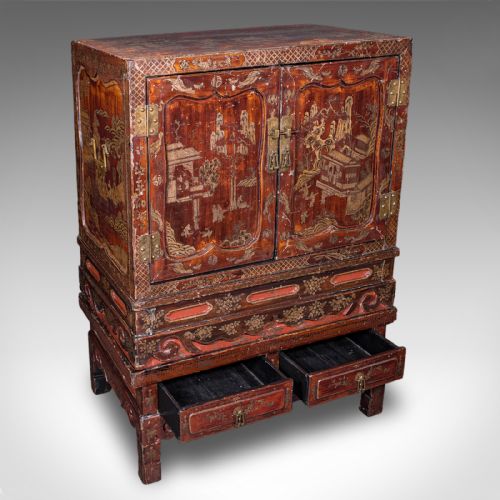
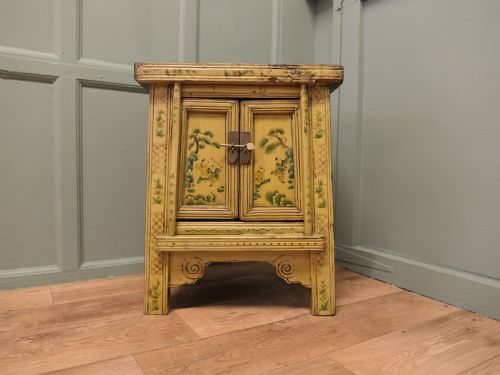
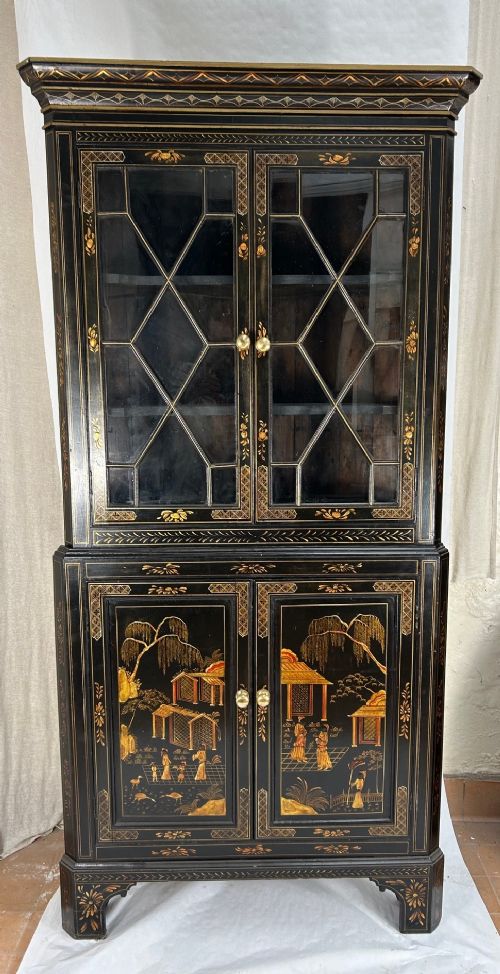
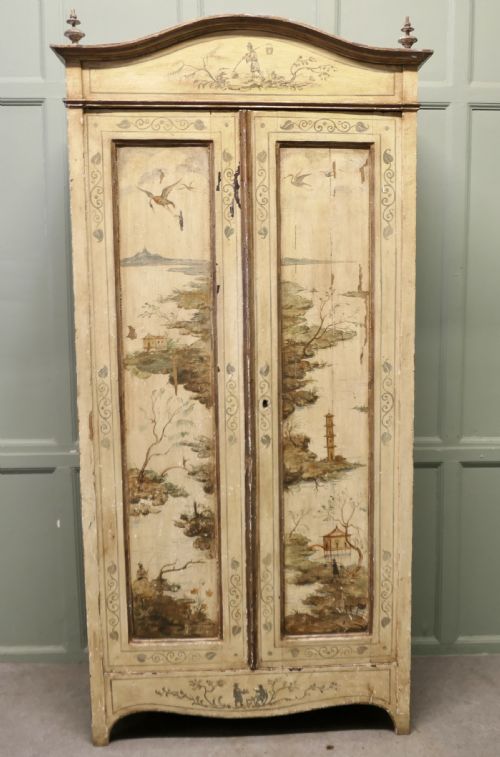
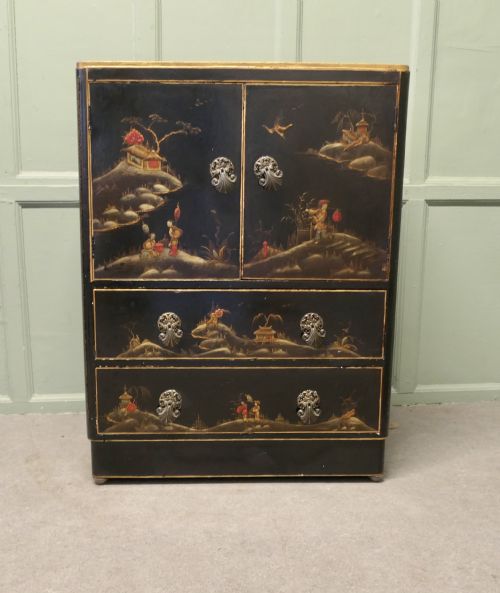
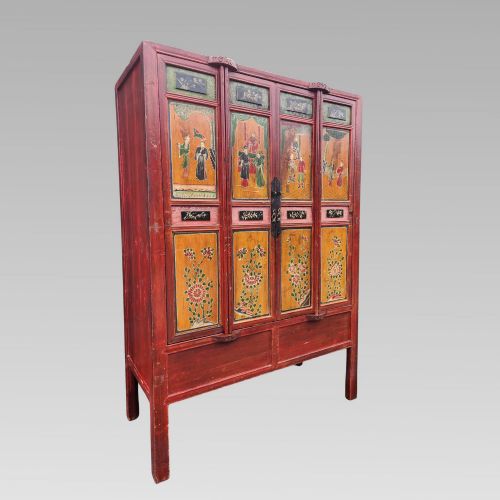
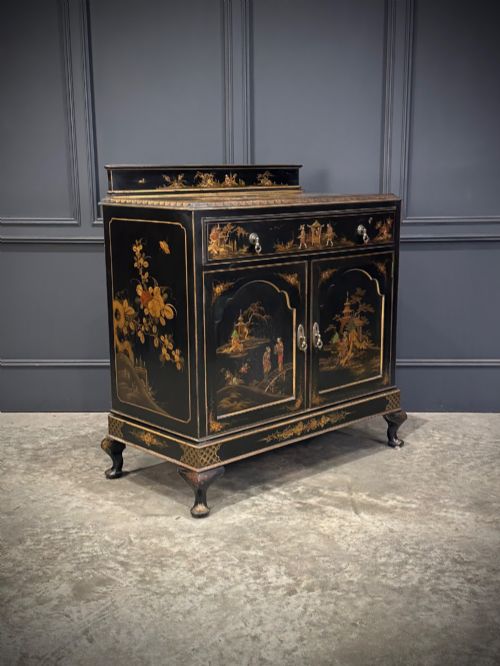
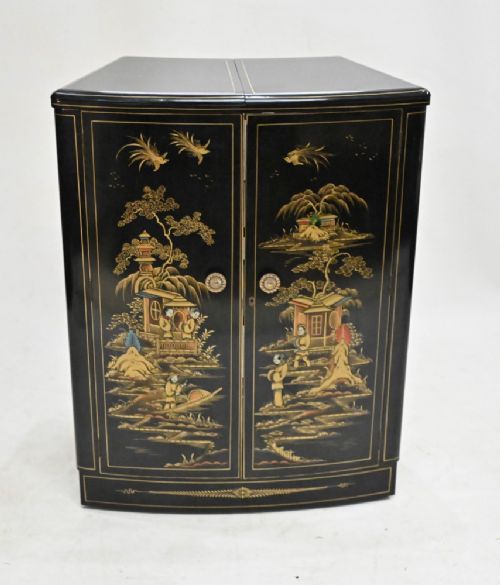
A painted lacquer cupboard offers versatile storage through forms ranging from corner cabinets and side units to tall wedding chests and drinks cabinets. When exploring a painted lacquer cupboard, buyers frequently encounter pieces decorated with outdoor scenes, birds, flowers, and figures.
The selection encompasses diverse geographical origins and chronological periods, running from Georgian and 18th century pieces through Victorian, Edwardian, and Art Deco interpretations. Chinese red and black lacquer examples sit alongside English, Italian, and French revival pieces.
Cabinets on stands and corner cupboards represent common structural formats within this category. Each variation brings distinct proportions and decorative schemes suited to both traditional and modern interiors.
How they were made
Construction relies primarily on wood, incorporating elm, painted timber, and specialised lacquered wood surfaces built to receive intricate decoration. Artisans applied layers of paint and lacquer to create smooth grounds suitable for detailed pictorial work.
Surface ornamentation often includes applied gilt, brass hardware, and glass panels in display and drinks cabinets. Japanning techniques in European examples emulate Asian export lacquer through raised motifs and metallic dust.
Makers utilised traditional joinery methods suited to carcases, stands, and doors. The integration of painted scenes required steady brushwork and specialised varnishing to seal the pigments.
Painted Lacquer Cupboard Retail Price Guide 2026
Typical asking prices for painted lacquer cupboard among the pieces listed under this phrase on Sellingantiques today, from the lower quarter to the upper quarter. They describe what is for sale here now, not the wider market.
Listings feature materials such as brass, gilt, glass, and lacquer applied to wooden carcases across multiple centuries.
What varies in quality
Quality reveals itself in the depth of the lacquered surface and the crispness of the painted decoration, whether depicting architectural outdoor scenes or botanical subjects. Finer examples display subtle shading and balanced composition across doors and panels.
The integrity of the timber carcase and the retention of original brass fittings influence the overall standing of a piece. European japanning and Chinese export work both depend on the preservation of the layered finish over centuries.
Proportion and the harmony between cabinet bodies and their supporting stands dictate visual balance. Superior items maintain cohesive styling across hinges, handles, and painted borders.
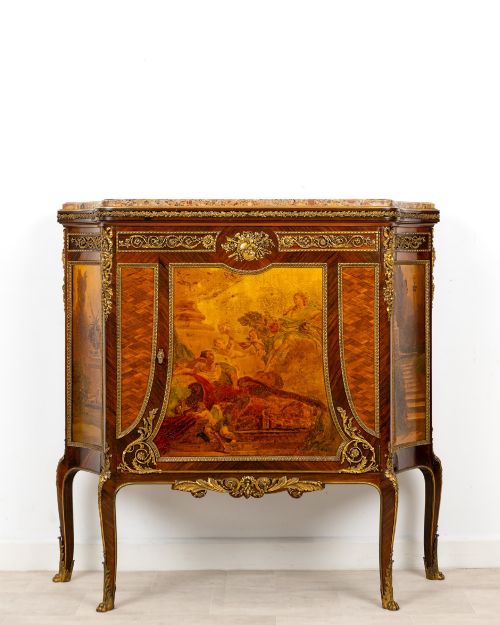
François Linke·Harrods
The Painted Lacquer Cupboard Glossary
- Japanning
- European imitation of Asian lacquerwork created by applying layers of varnish and resin, then decorating with gold motifs on dark grounds.
- Chinoiserie
- European artistic style reflecting Chinese artistic influences, popular in furniture decoration during the 18th and early 20th centuries.
- Marriage cabinet
- Large traditional Chinese storage cabinet, often finished in red lacquer, traditionally given to couples as part of wedding furnishings.
- Vernis Martin
- European imitation of oriental lacquer developed in France, known for translucent varnishes over painted decorations.
- Corner cupboard
- Space-saving storage furniture designed to fit neatly into room angles, frequently featuring shaped shelving behind single or double doors.
Painted Lacquer Cupboard: Frequently Asked Questions
Where should I place a corner cupboard?
A corner cupboard utilises unused angles in dining rooms or hallways, turning dead space into a display or storage area. These cabinets fit comfortably in period properties and modern rooms alike.
Ensure the door swing has adequate clearance from surrounding furniture. Positioning them away from direct heat sources protects the lacquered finish and wooden carcase.
How do I care for lacquer surfaces?
Dust lacquered furniture regularly with a soft, dry cloth to prevent abrasive particle buildup. Avoid chemical polishes and damp cloths that can damage aged varnish.
Maintain stable room humidity to protect the wood and lacquer layers from cracking. Direct sunlight will fade painted pigments over time.
What is a drinks cabinet used for?
A drinks cabinet provides dedicated storage for glassware, bottles, and bar accessories behind secure doors. Many examples from the 20th century feature specialised internal fittings for cocktail preparation.
They serve as focal points in living rooms and entertaining spaces. Their decorative exteriors allow them to function as statement furniture pieces.
How do I distinguish 18th century japanning from later revivals?
Early pieces exhibit genuine age in the crackleur of the varnish and the wear patterns on brass hinges and handles. The composition of the timber beneath the lacquer conforms to period construction methods.
Later 19th and 20th century revivals often display brighter, more uniform surfaces and machine-cut elements. Comparing construction details helps confirm the era of manufacture.