

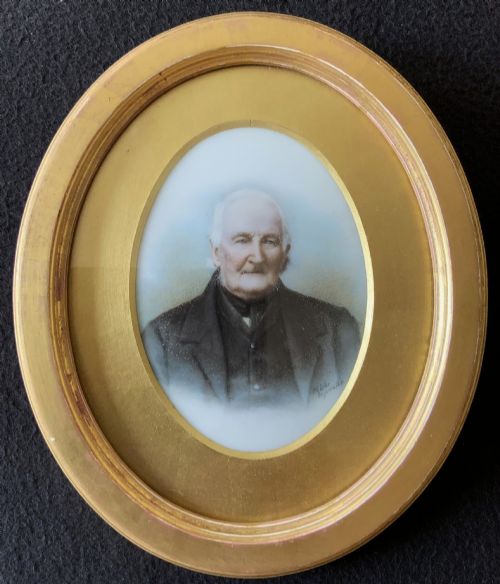


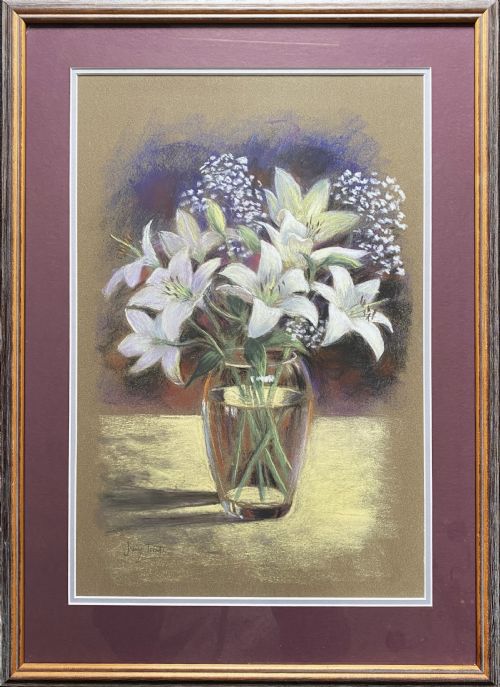


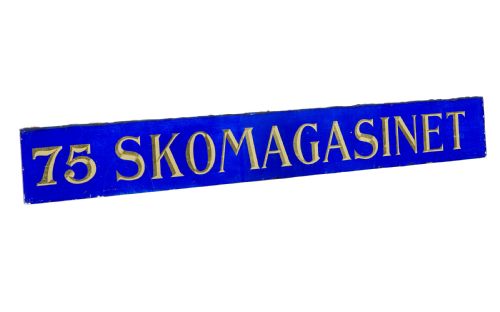
Painted Glass Sign
These painted glass sign examples are robust commercial survivors that bring authentic trade history directly into an interior.
Painted Glass Sign
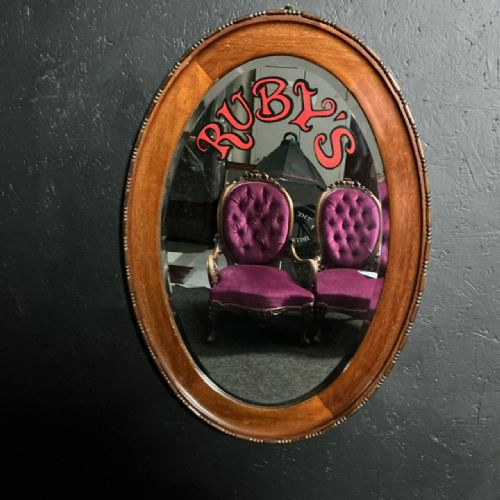
A painted glass sign serves as a durable piece of commercial or directional messaging, originating from high street shops, professional practices, and public buildings. The selection frequently includes reverse-painted window panels, advertising mirrors, and trade boards produced across the Victorian, Edwardian, and Art Deco eras.
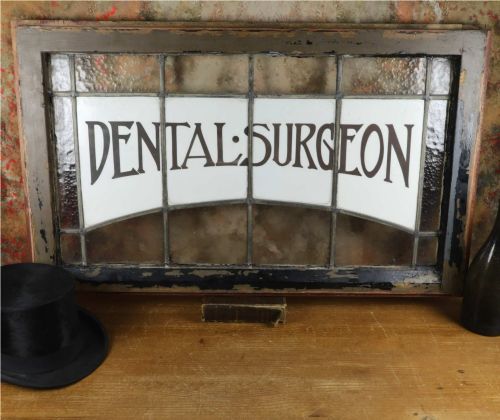
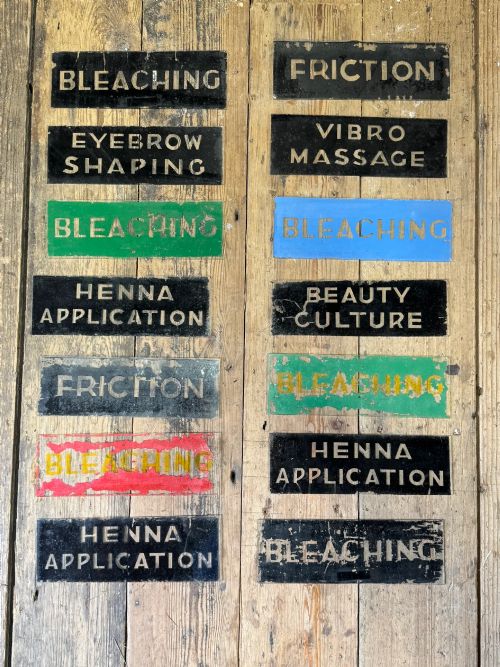
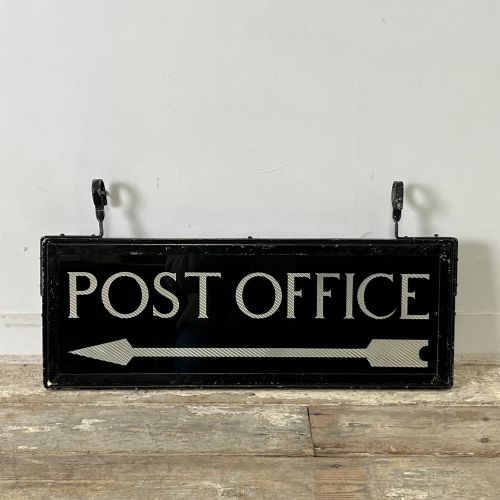
Buyers encounter distinct professional formats, ranging from dental surgeon window panels and hair salon collections to post office direction signs and tobacco shop displays. Architectural salvage and framed shop trade signs also appear alongside domestic items adapted with commercial lettering.
The aesthetic bridges utilitarian function and decorative art, utilising reverse-painting, enamel, and gold leaf on glass surfaces often framed in wood or timber. These objects reflect the commercial branding methods of nineteenth and early twentieth century commerce.
What varies in quality
Quality rests upon the crispness of the hand-lettering and the preservation of the delicate paint, enamel, or gold leaf layers on the glass. Superior examples retain their original wooden frames and exhibit clean, deliberate brushwork without extensive pigment loss.
The complexity of the trade iconography and the survival of the original backing materials distinguish ordinary utilitarian boards from exceptional pieces with specific professional provenance. Intricate reverse-painting and well-documented trade origins elevate the standing of an individual panel.
Painted Glass Sign Retail Price Guide 2026
Typical asking prices for painted glass sign among the pieces listed under this phrase on Sellingantiques today, from the lower quarter to the upper quarter. They describe what is for sale here now, not the wider market.
The listings span from 1850 to 1960, incorporating materials such as timber, foil, lead, and enamel within wooden frames.
Richardson Vitrified·Emmy Seyfried·Joseph Meissonnier·Jennifer Toombs·Adrian Bury
The Painted Glass Sign Glossary
- Reverse-painting
- A technique where the image and lettering are applied to the back of a glass sheet so the finished composition is viewed through the front. This method protects the pigment from environmental wear and gives the surface a glossy sheen.
- Enamel
- A decorative glass-like substance fused to a substrate through high heat, or an opaque glossy paint used for durable lettering. It provides vibrant colour and resistance to fading on shop windows.
- Gold leaf
- Extremely thin sheets of beaten gold applied to surfaces for lettering and ornamentation. It catches ambient light effectively in commercial displays.
- Architectural salvage
- Building elements and fixtures rescued from structures slated for demolition or alteration. These items retain historical fabric from older properties.
- Lead
- A malleable metal used historically to hold glass panes together in windows and leaded light panels. It offers structural stability and a dark linear contrast.
Painted Glass Sign: Frequently Asked Questions
How do I hang a heavy glass sign safely?
Support the weight using the original wooden frame rather than relying on the glass panel itself. Secure fixings directly into wall studs.
Ensure the hanging wire or brackets match the load capacity of the timber housing to prevent structural strain.
Were these signs meant for interior or exterior use?
Most examples functioned inside shop windows, above doorways, or on interior partition walls within commercial premises. Protected behind glass or beneath roof overhangs, they avoided direct exposure to harsh weather.
Today, these pieces suit indoor display environments away from excessive moisture and direct sunlight.
How should I clean a painted glass sign?
Dust the surface gently with a soft, dry cloth to remove loose particles without disturbing delicate paint or gold leaf. Avoid harsh chemical cleaners and abrasive scrubbing.
Test any moisture on a tiny hidden area first, as older pigments and enamel can flake easily when wet.
Can I date a sign by its lettering style?
Lettering styles shift across decades, with Victorian panels showing ornate serif fonts while Art Deco and 1930s pieces favour geometric layouts. Examining the font helps narrow down the production era alongside the frame construction.
Trade conventions and surrounding material evidence like timber types provide additional clues for dating.