




Painted Glass Portrait
A painted glass portrait captures a sitter beneath a transparent sheet, offering an intimate glimpse into past centuries through a demanding medium.
Painted Glass Portrait
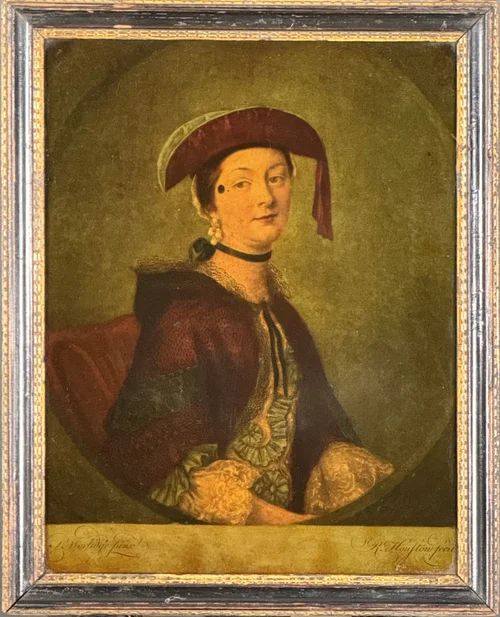
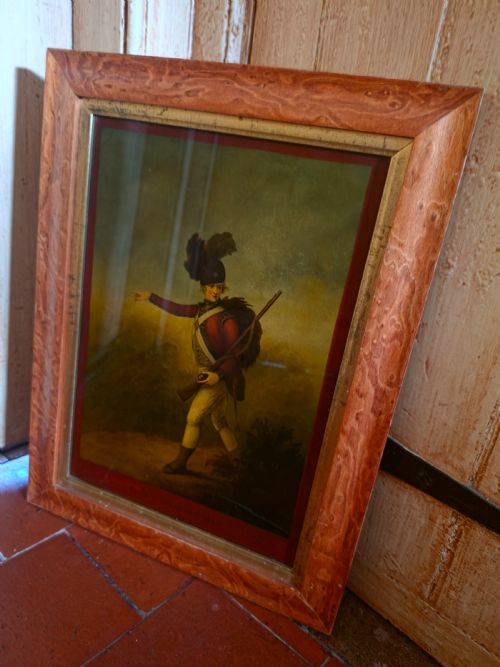
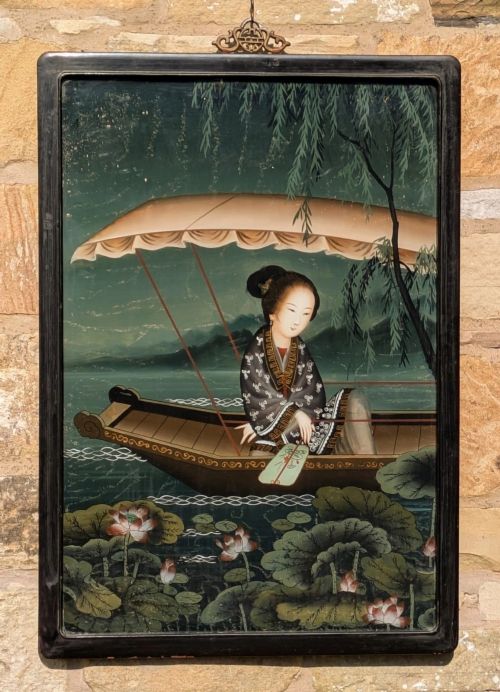
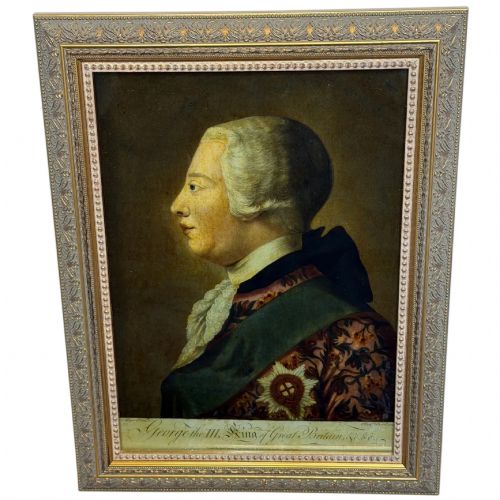
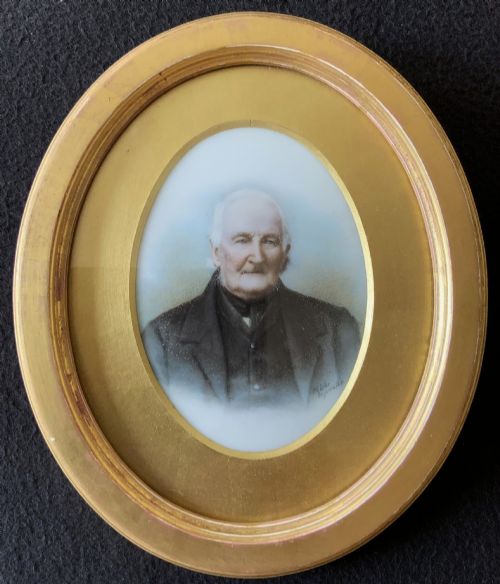
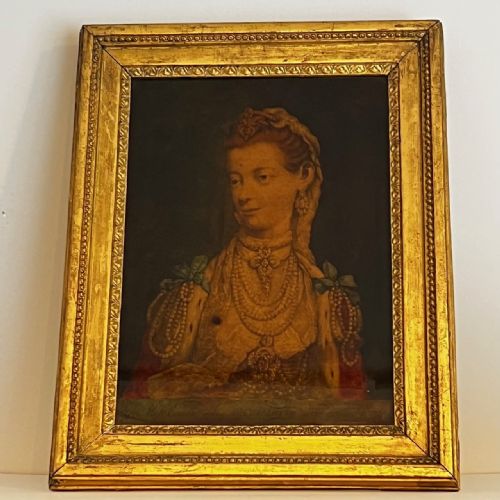
A painted glass portrait brings together miniature likenesses, decorative mirrors, and wall art produced across the Georgian, Regency, and Victorian eras. Buyers seeking a painted glass portrait encounter delicate silhouettes, reverse glass mezzotints, and Chinese export paintings.
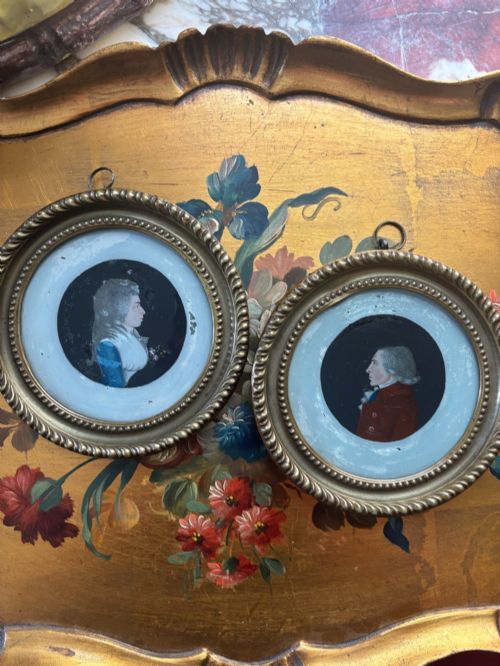
The selection ranges from small marriage miniatures and profile silhouettes to larger prints depicting monarchs and literary figures. These pieces reflect diverse origins, including British country house workshops and Qing Dynasty studios.
How They Were Made
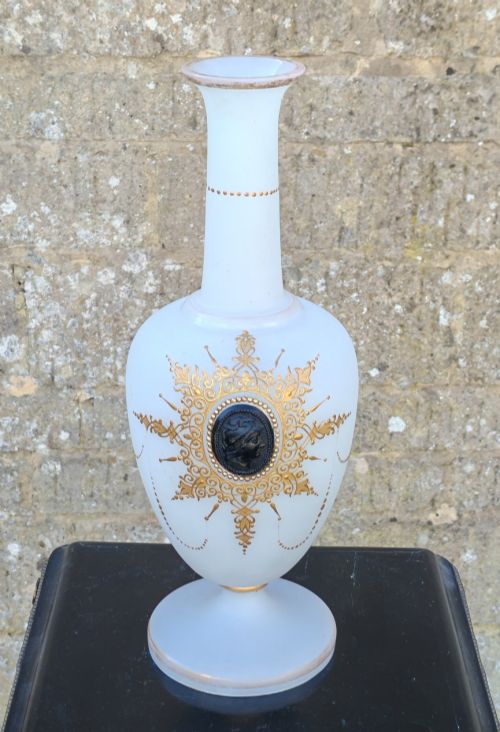
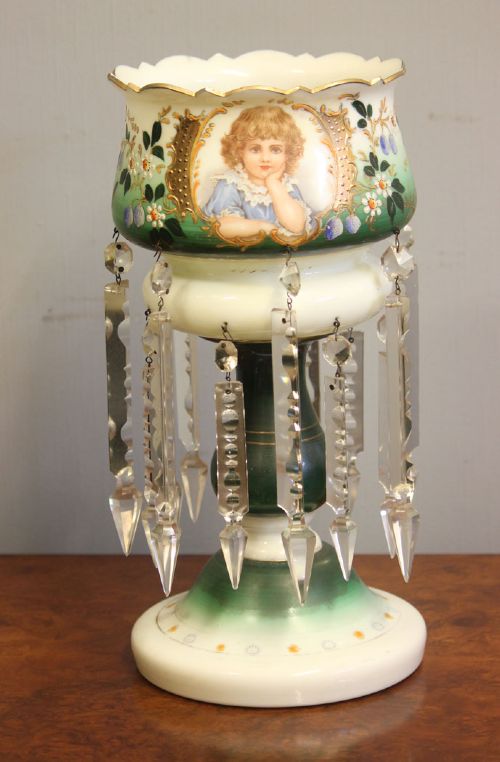
Frames of wood, brass, and paper support these fragile glass panels, while some examples incorporate layered giltwork or coloured Bohemian glass vessels. The finished work relies on the smooth, reflective surface of the glass to preserve the pigments underneath.
Painted Glass Portrait Retail Price Guide 2026
Typical asking prices for painted glass portrait among the pieces listed under this phrase on Sellingantiques today, from the lower quarter to the upper quarter. They describe what is for sale here now, not the wider market.
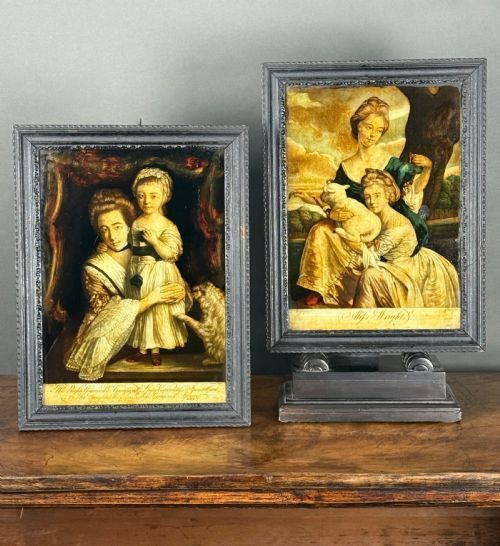
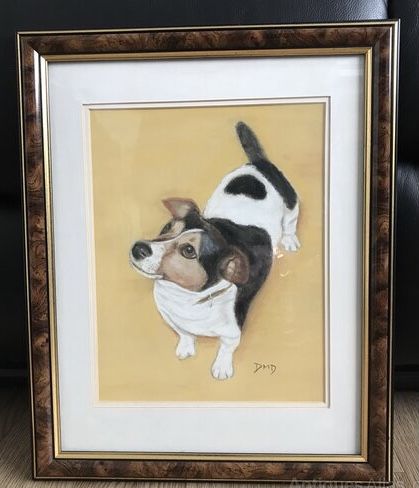
Domestic dogs and household cats occasionally share the frame with their human counterparts.
What Varies in Quality
The sophistication of the draughtsmanship separates simpler decorative souvenirs from masterworks attributed to known printmakers and miniaturists. Fine brushwork in the rendering of facial expressions and costume details indicates superior execution.
The preservation of the pigment layer beneath the glass determines the visual clarity of the portrait. Examples with minimal flaking, stable gold leaf, and original wooden or brass housings retain their intended impact.
Charles Spooner·Richard Purcell·Alexander Harwood·Takabatake Kasho·John Barry
The Painted Glass Portrait Glossary
- Verre eglomise
- Cold decoration applied to glass using gold or silver leaf combined with painting and engraving. This technique creates a mirror-like background for miniature portraits.
- Mezzotint
- A printmaking process based on roughening a metal plate to achieve tonal gradations in ink. When transferred to glass, these prints received hand colouring.
- Crystoleum
- A Victorian method of applying a coloured print to glass, making the paper transparent so artists could paint the reverse. The result mimics an oil painting.
- Silhouette
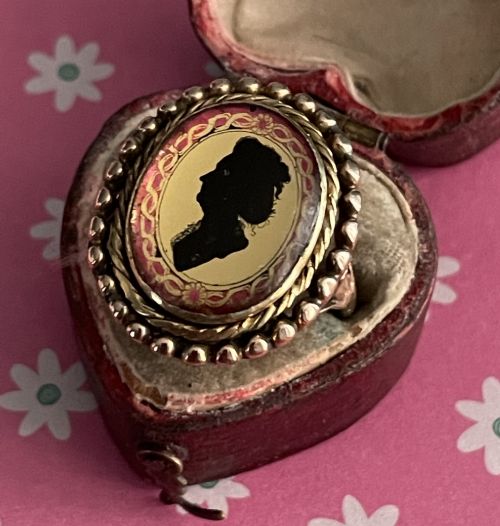
- A solid profile portrait, typically cut from paper or painted directly onto glass. These monochrome likenesses gained popularity during the Georgian and Regency periods.
- Mantel lustre
- A decorative glass or porcelain mantelpiece ornament hung with glass prisms. Some pieces feature overlaid portraits painted directly onto the body.
Painted Glass Portrait: Frequently Asked Questions
How do I care for glass portraits?
These pieces require gentle handling away from direct sunlight and damp environments to protect the fragile pigments and gold leaf underneath the glass. Cleaning should involve only a dry microfibre cloth on the exterior.
Opening the original frames risks damaging the fragile painted surface or the paper backing. Keeping them securely mounted prevents shifting.
How are silhouettes on glass different?
Silhouettes on glass feature profile likenesses painted with dark pigments, sometimes enhanced with colour or gold highlights. The transparent glass ground creates depth behind the flat profile.
Many date from the Regency period and appear in small, intimate brass or wood frames designed for domestic display.
Are these portraits signed by artists?
Some pieces bear signatures or publisher details inscribed within the print or painted directly onto the glass panel. Printmakers such as Charles Spooner and Richard Purcell produced notable works in the eighteenth century.
Unsigned examples remain common, reflecting the commercial production methods of various British and international workshops.