


Painted Garden Seat
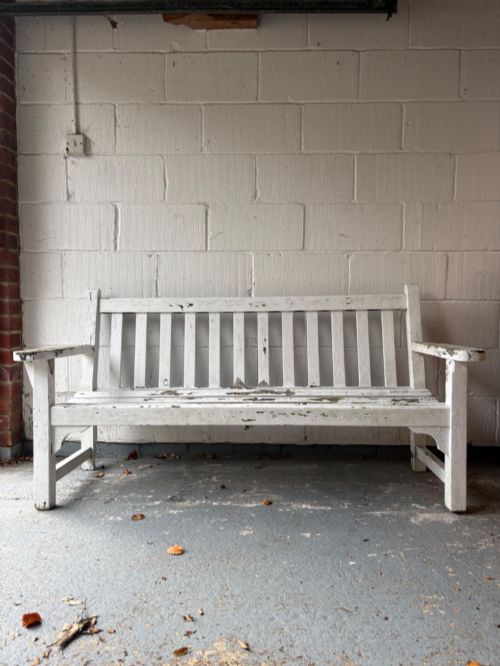
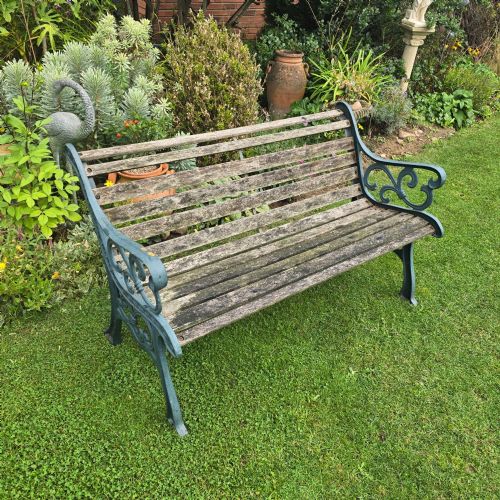
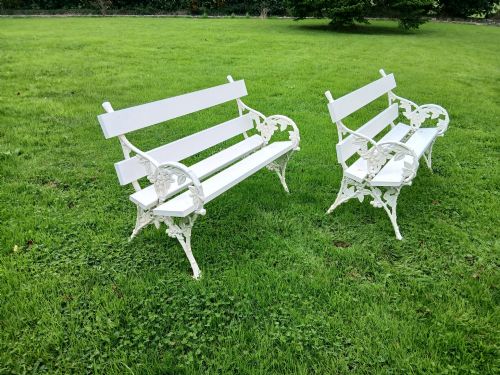
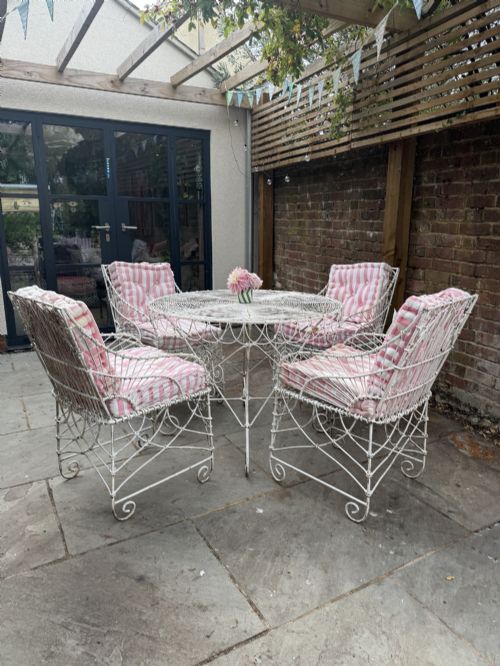
A painted garden seat brings architectural weight and colour to a terrace, and you meet examples spanning ironwork benches to ceramic barrels.
Painted Garden Seat
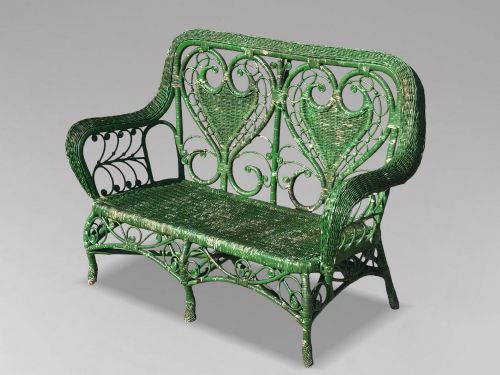
A painted garden seat serves as an anchor point for outdoor spaces, combining utilitarian function with distinct period character. When searching for a painted garden seat, buyers encounter a diverse range of forms, from heavy metal benches to ceramic barrels and wooden settees.
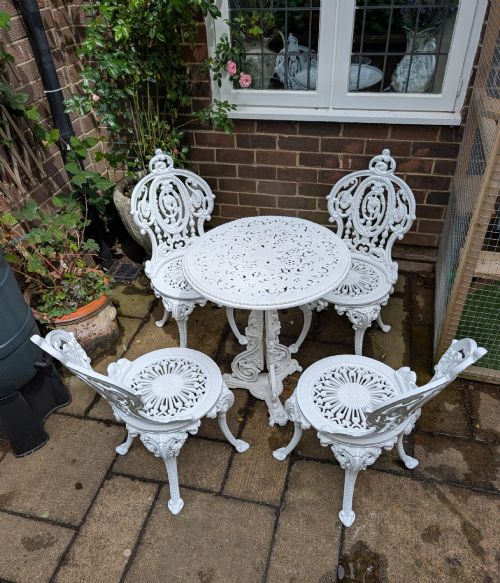
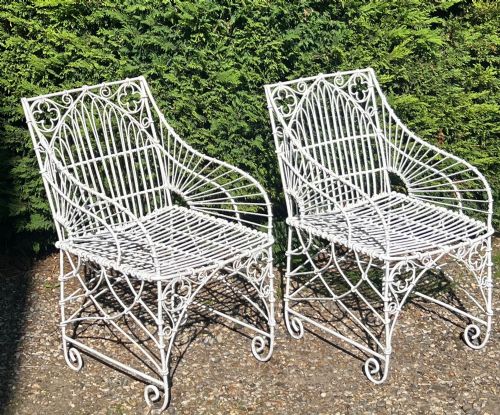
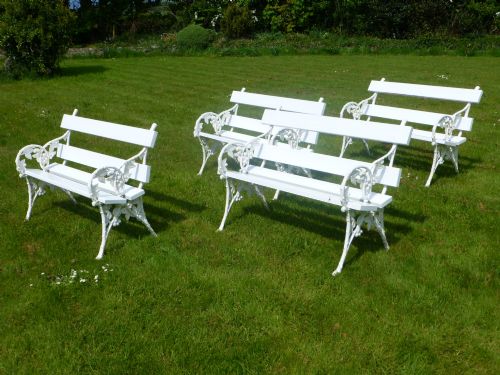
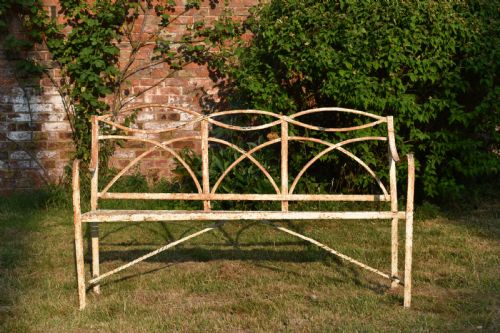
The pieces appearing here stretch from the Regency era through Victorian workshops and into the early twentieth century. Cast iron and wrought iron frames predominate, often paired with timber laths or rendered in intricate botanical patterns.
Alongside standard benches, the selection includes folding chairs, rocking seats, and Chinese porcelain barrels. Each variation reflects the evolving tastes of garden design across the nineteenth and twentieth centuries.
Materials and construction methods
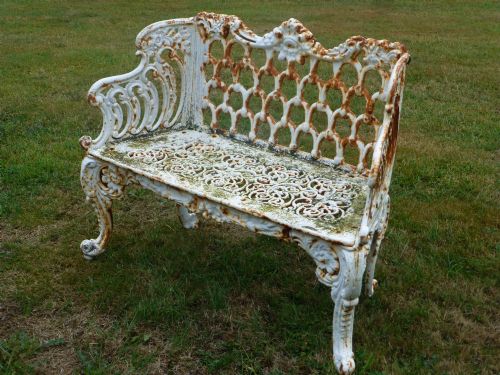
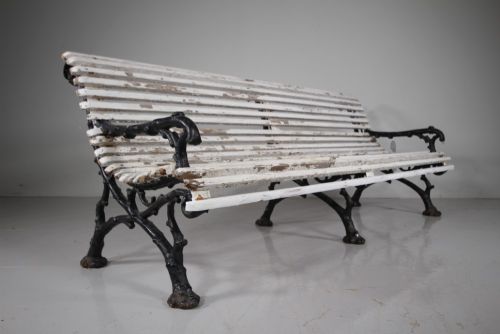
Foundries utilised cast iron and wrought iron to form durable frames, frequently employing intricate moulds for motifs like blackberry leaves, fern fronds, and rustic faux bois branches. These metal structures provide substantial weight and structural longevity.
Timber and wood components, including teak and pine, were integrated into seats and backrests to offer warmer contact surfaces against the cold metal frames. Paint layers were then applied to protect these mixed materials from weathering.
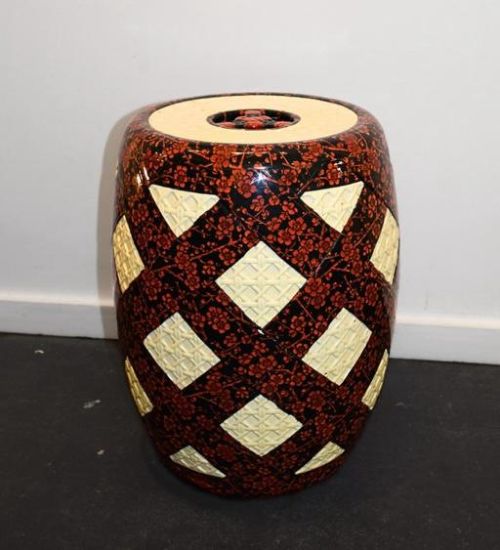
Ceramic and porcelain examples, such as Chinese blue and white barrels and ironstone pieces, relied on high-temperature kiln firing followed by glaze application. These ceramic garden seats introduced vibrant colour pigments and smooth finishes to garden settings.
Painted Garden Seat Retail Price Guide 2026
Typical asking prices for painted garden seat among the pieces listed under this phrase on Sellingantiques today, from the lower quarter to the upper quarter. They describe what is for sale here now, not the wider market.
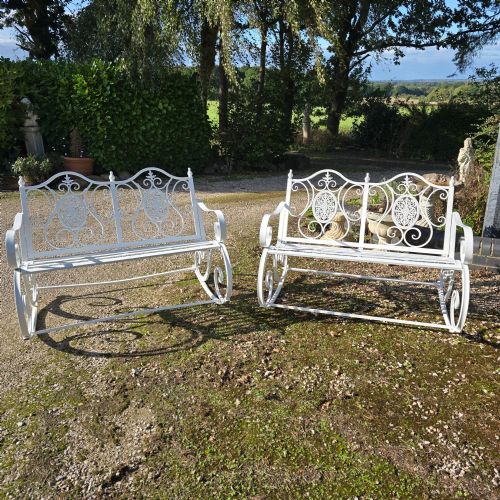
Iron rocking benches offered Victorian gardeners a gentle motion while contemplating the shrubbery.
Assessing craftsmanship and finish
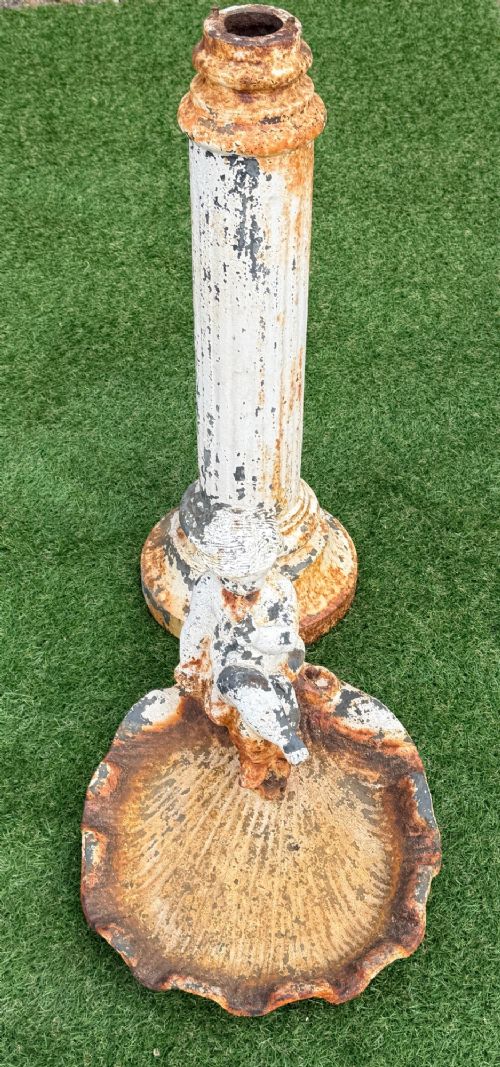
Quality reveals itself in the crispness of the foundry casting and the depth of relief in botanical or architectural ornament. Finer pieces display sharp detail in cast motifs like shell forms or animal masks, whereas lesser examples show blurred edges from worn moulds.
The integrity of the original construction and the survival of early or historic paint layers dictate the standing of a piece. Examples retaining their initial decorative finishes or possessing documented foundry origins command greater attention than heavily reworked items.
Falkirk Carron Foundry·Coalbrookdale·Christopher Dresser
The Painted Garden Seat Glossary
- Cast iron
- Molten iron poured into a mould to create rigid, highly detailed structural and decorative components. This technique allowed Victorian foundries to mass-produce elaborate garden furniture.
- Wrought iron
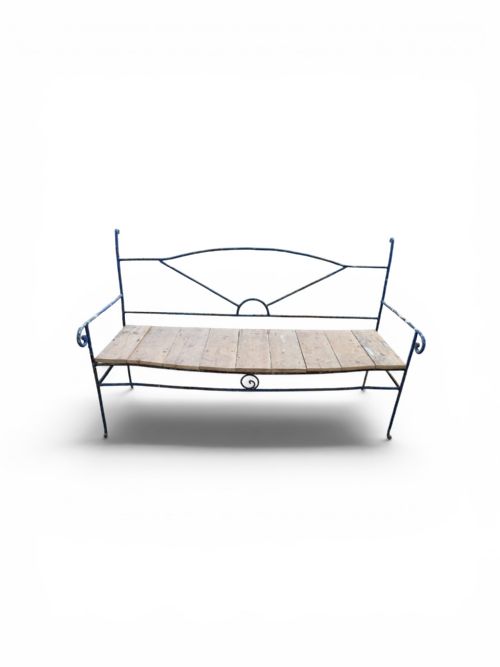
- Iron heated and hammered by hand into shape, yielding flexible and resilient bars. It is characterised by smooth, forged lines rather than crisp cast patterns.
- Faux bois
- An artistic imitation of wood grain executed in hard materials like cast iron or stone. Victorian makers used this technique to mimic rustic timber branches.
- Clobbered
- Porcelain or pottery decorated with secondary overglaze painting, often added later to enhance visual appeal. This intervention alters the original ceramic palette.
- Strapwork
- Flat bands of metal arranged in geometric or interlaced strap patterns. This style appears frequently on Regency and Victorian iron benches.
Painted Garden Seat: Frequently Asked Questions
How do I care for historic painted garden furniture?
Historic painted surfaces require gentle cleaning with mild soap and water rather than harsh chemical strippers or abrasive pads. Keeping the pieces sheltered during harsh winter months preserves the remaining paint layers.
Applying specialised protective waxes or breathable sealants helps stabilise old paint without trapping moisture underneath. Regular inspection prevents minor flaking from developing into extensive paint loss.
Can iron garden seats stay outdoors all year?
Cast and wrought iron pieces withstand outdoor environments well due to their heavy metal construction. However, sustained exposure to damp ground and freezing temperatures can accelerate corrosion.
Elevating the feet slightly off the soil prevents moisture transfer into the base of the legs. Storing wooden-slatted or ceramic elements under cover during winter ensures long-term preservation.
How can I distinguish a Victorian seat from a later reproduction?
Victorian originals typically display heavier casting weights, hand-finished surfaces, and construction methods utilising threaded bolts or specific fasteners. The detailing in botanical or figurative motifs tends to be sharper and deeper.
Examination of the paint layers often reveals multiple historic applications beneath the surface coat. Later reproductions frequently lack the subtle irregularities inherent in nineteenth-century foundry work.
Where should I position a heavy iron bench in my garden?
Heavy iron benches perform best on firm, level foundations such as stone paving, gravel paths, or concrete pads. Placing them directly on soft earth causes the legs to sink unevenly over time.
Positioning the seat against a hedge or wall provides a stable visual backdrop and shelter from prevailing winds. This placement also highlights the architectural qualities of the ironwork.