




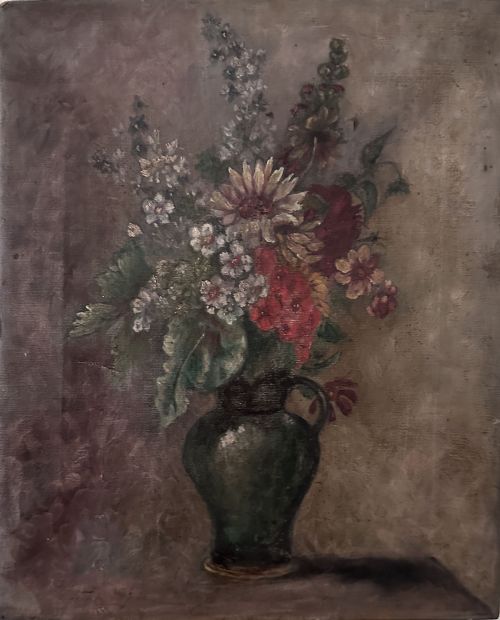
Painted Flower Vases
These painted flower vases span porcelain, earthenware, glass, and oil on canvas, bringing floral subjects into interior spaces.
Painted Flower Vases
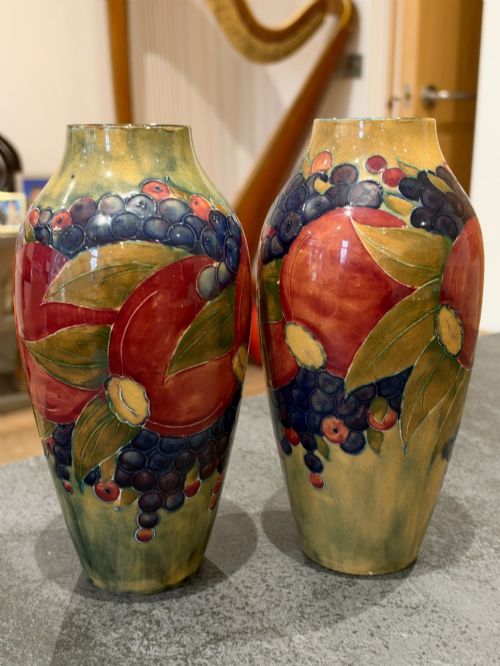
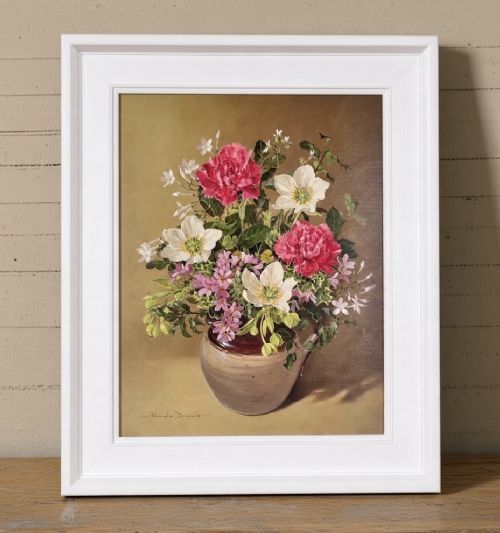
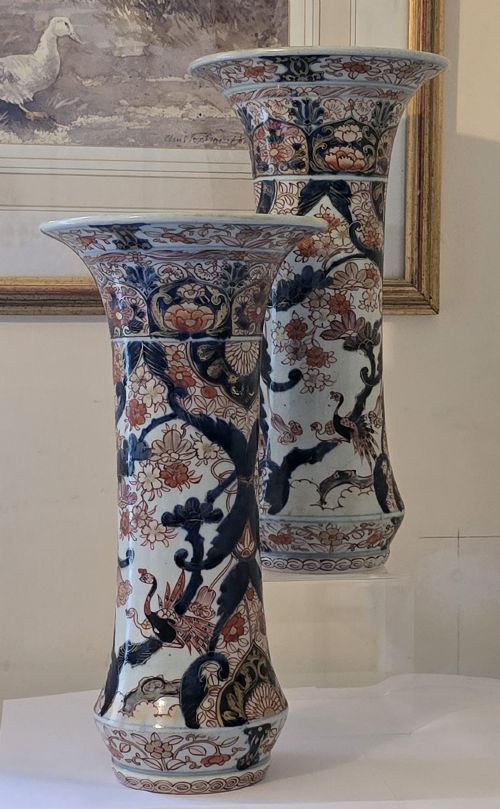
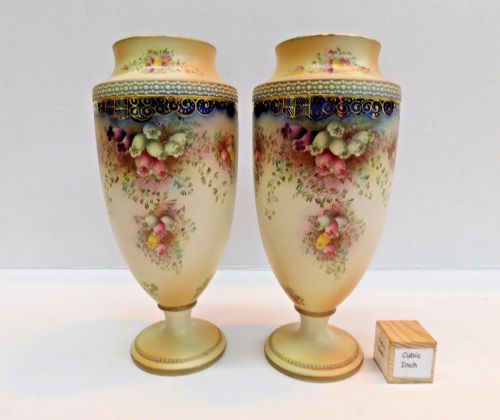
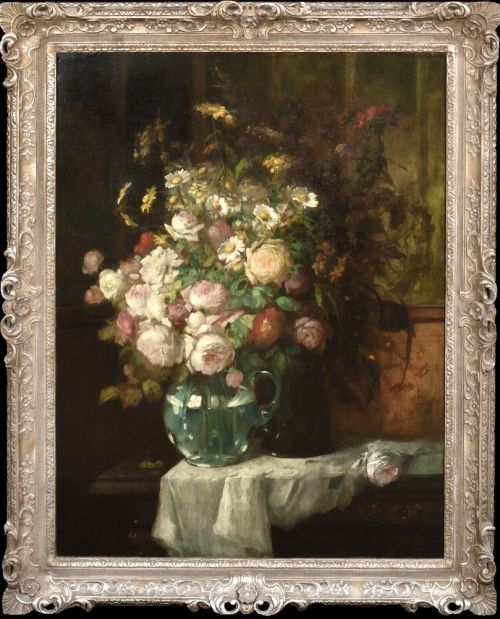
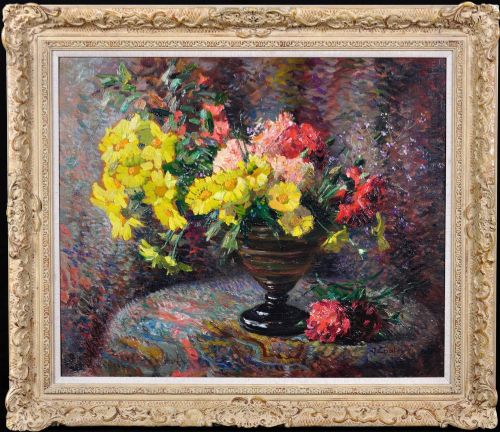
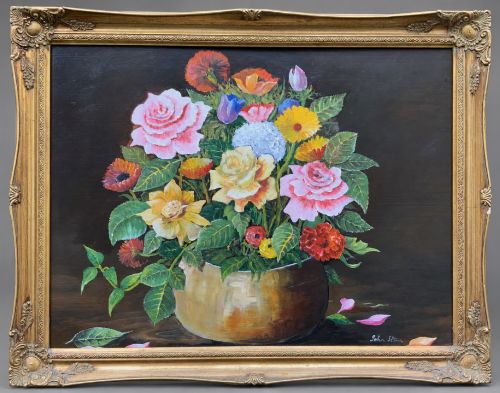
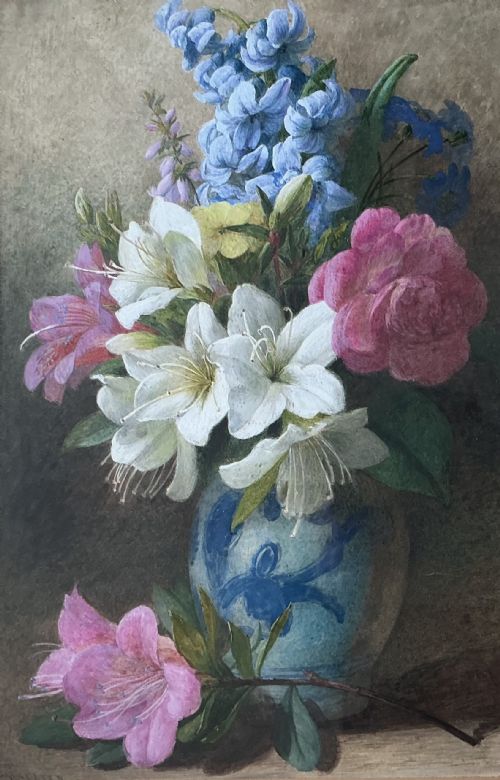
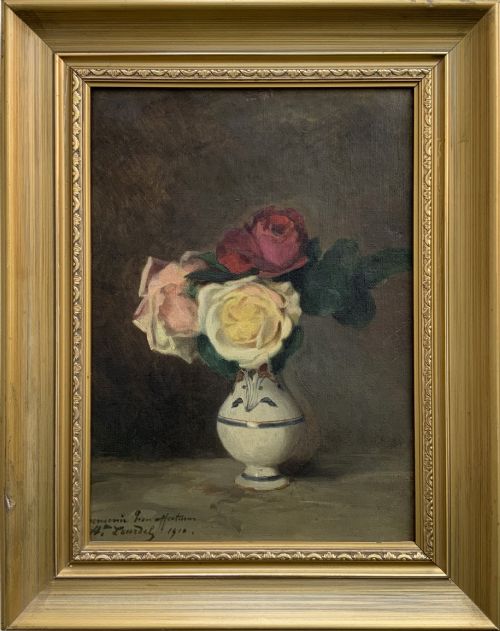
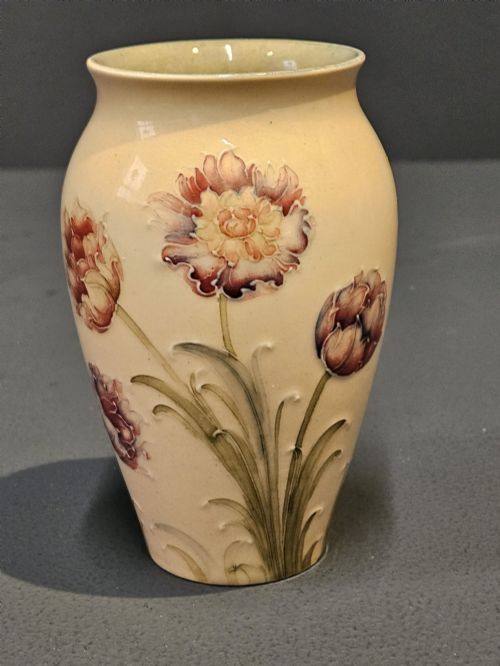
Painted flower vases encompass both actual ceramic and glass vessels decorated with floral motifs, alongside oil paintings and watercolours depicting vases of flowers. When searching for painted flower vases, buyers encounter three-dimensional vessels formed in porcelain, earthenware, and glass, as well as two-dimensional canvas and panel works.
The selections range across the nineteenth and twentieth centuries, taking in periods such as Victorian, Art Nouveau, and Art Deco. Makers represented in the evidence include Moorcroft, Royal Worcester, Doulton Lambeth, and various international porcelain works and fine art traditions.
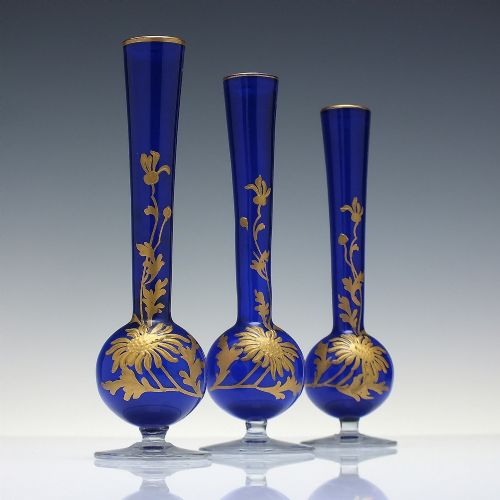
Vessels take forms such as baluster shapes, tulipieres, and bud vases, while flat works capture still lifes of roses, daffodils, and summer flowers. This mix bridges decorative pottery and fine art painting under a single floral theme.
Materials and construction
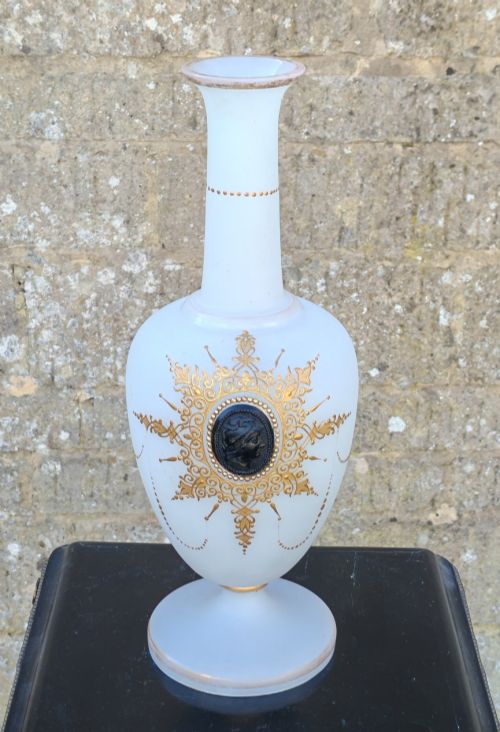
Ceramic pieces utilise porcelain and earthenware bodies, decorated with hand-painted enamels, glazes, and occasionally gold leaf. Glass vessels employ methods such as enamelling and gilding upon cranberry, green, or clear glass surfaces.
Painted works on canvas, board, and panel apply oil or watercolour mediums to render floral compositions. Wood is also seen, both as panel supports for paintings and as structural display stands for ceramic items.
Painted Flower Vases Retail Price Guide 2026
Typical asking prices for painted flower vases among the pieces listed under this phrase on Sellingantiques today, from the lower quarter to the upper quarter. They describe what is for sale here now, not the wider market.
Periods represented reach from the seventeenth century to the mid-twentieth century.
Quality distinctions
The caliber of a painted flower vase rests on the execution of the brushwork and the clarity of the design, whether applied to ceramic glaze or canvas surface. Pieces bearing named studio signatures or attribution to established potteries and painters demonstrate higher artisan skill.
Material handling also marks differences, such as the precision of enamelling and gilding on glass or the fineness of detail in floral still life paintings. Preservation of the original painted surface without later restoration distinguishes superior examples.
John Stone·Moorcroft·Wemyss·Fourmaintraux Courquin·Konstantin Stoitzner·Emma Fordyce MacRae·Gaspar Peeter Verbruggen·Royal Worcester·Crown Derby·Doulton Lambeth·Flight Barr and Barr·Owen Bowen·Henrietta Creswell·Florence Hess
The Painted Flower Vases Glossary
- Baluster
- A vase form characterised by a rounded body that tapers towards the base and flares slightly at the neck. This silhouette appears frequently in traditional ceramic vessels.
- Famille Rose
- A Chinese porcelain palette dominated by opaque pink enamel, introduced in the eighteenth century. Pieces decorated in this style often feature botanical and bird motifs.
- Tulipier
- A specialist bulb or flower vase designed with multiple spouts to display individual stems separately. These vessels have a distinct multi-opening profile.
- Enamelling
- The application of fused glass powder to metal, glass, or ceramic surfaces to create colourful decorative designs. It provides a durable and vibrant finish.
- Still life
- A work of art depicting mostly inanimate subject matter, typically commonplace objects which may be either natural or man-made. In these listings, the focus rests upon floral arrangements in vases.
Painted Flower Vases: Frequently Asked Questions
What periods do these pieces cover?
The selection spans from the seventeenth century through the nineteenth and twentieth centuries, encompassing Victorian, Art Nouveau, and Art Deco eras.
Individual items range from early porcelain and oil paintings to mid-century canvas works and glassware.
How were these decorative items used?
Ceramic and glass vessels served as functional holders for cut flowers or as decorative cabinet pieces within domestic interiors.
Paintings and watercolours were hung on walls to bring permanent botanical imagery into living spaces.
Are these items made of ceramic or glass?
The material record includes both categories, featuring porcelain, earthenware, and faience alongside coloured and enamelled glass vessels.
Canvas and panel paintings are also included under the same floral theme.
How do I identify different styles?
Styles are recognised through characteristic ornamentation, such as the organic floral lines of Art Nouveau or the symmetrical forms of the Victorian period.
Artist signatures and factory marks further help determine the origin and period of production.