
Painted Female Portrait
When you search for a painted female portrait, you enter a long tradition of oil on canvas works, watercolours, and miniatures spanning multiple centuries.
Painted Female Portrait
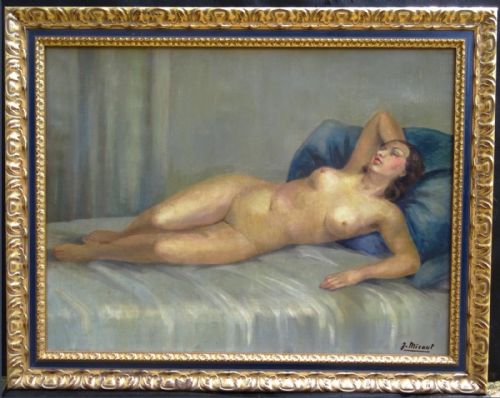
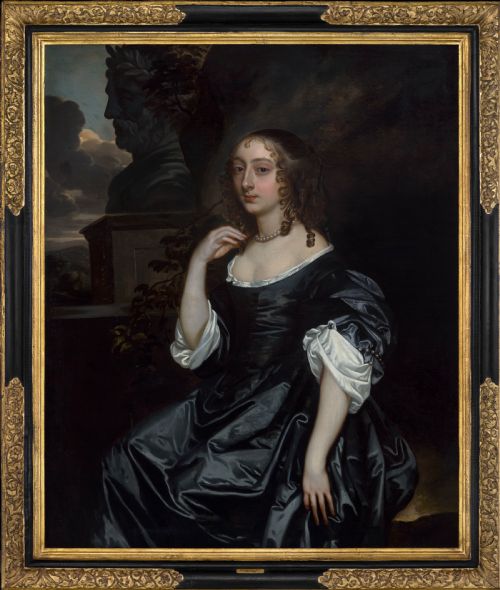
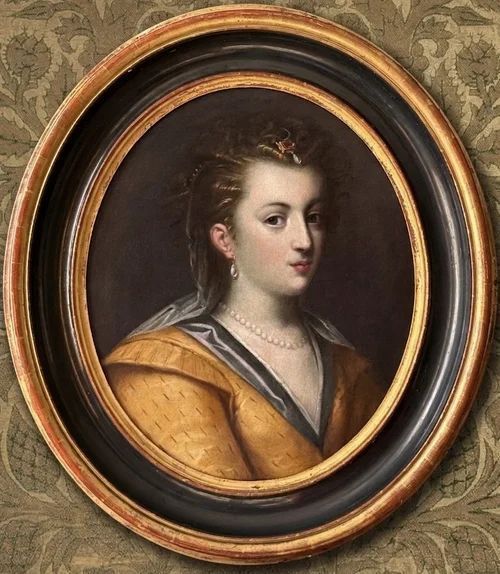
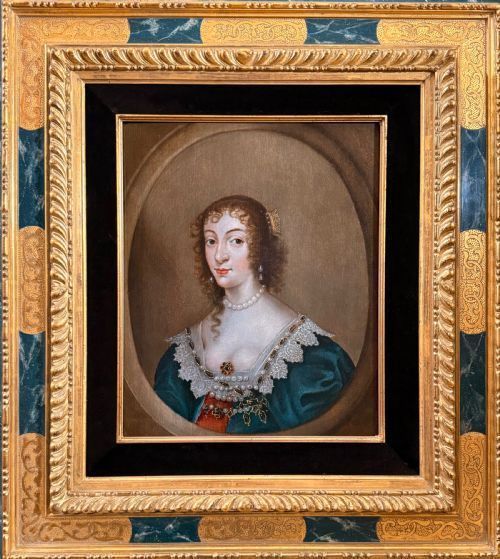
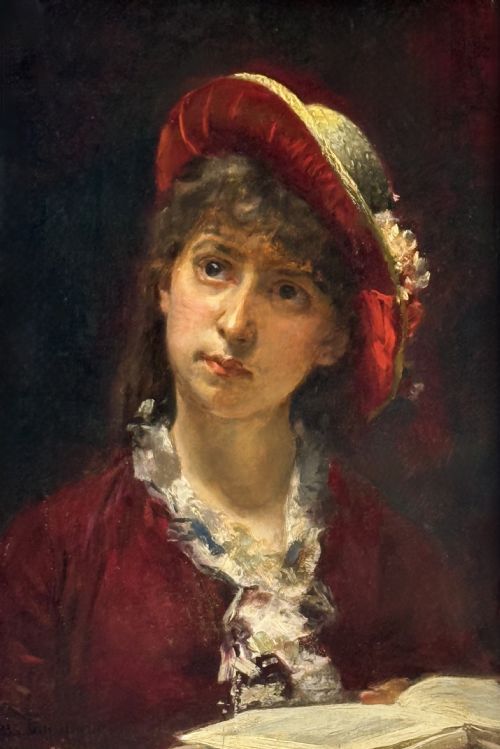
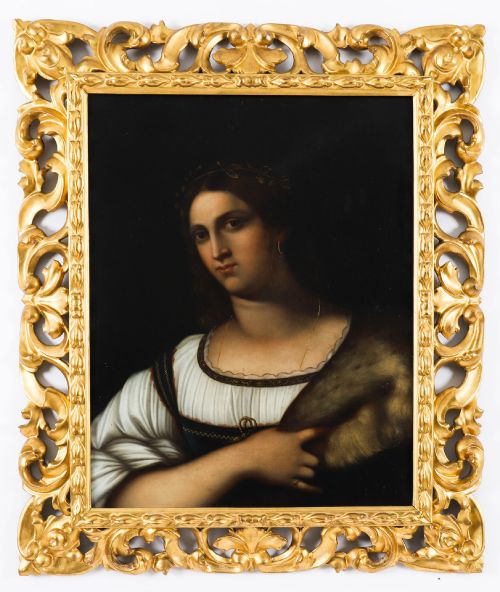
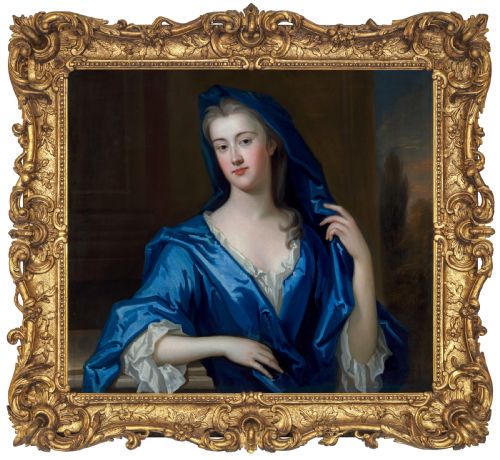
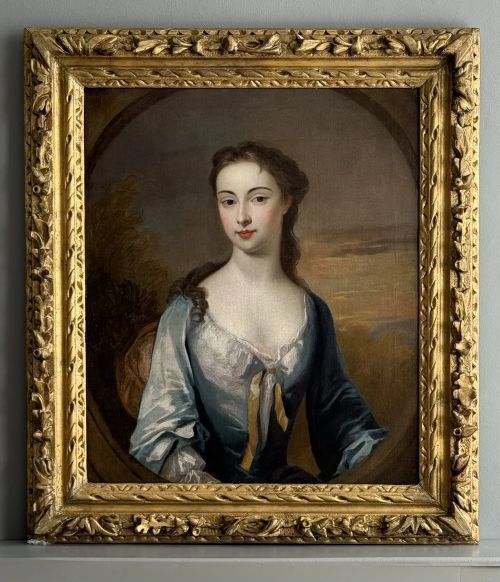
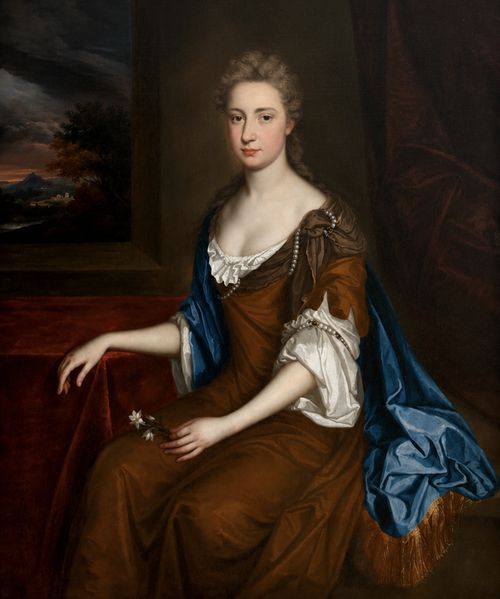
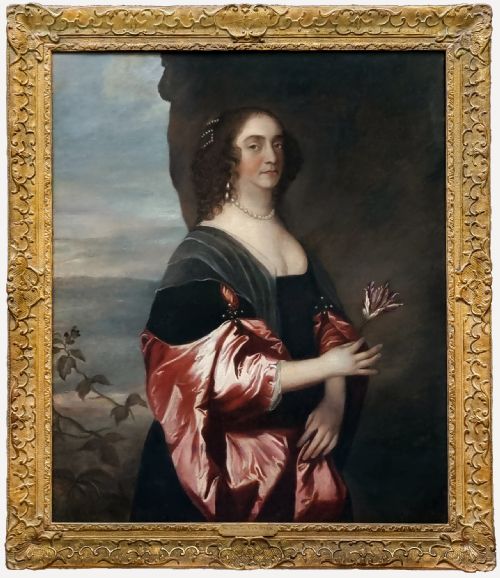
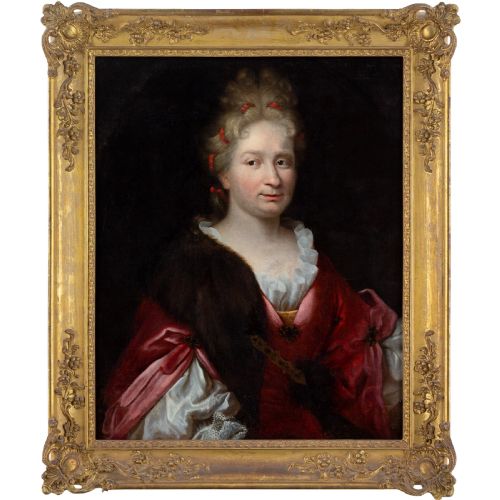
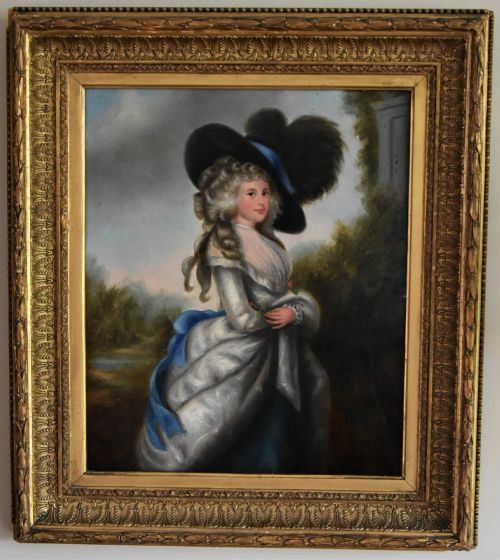
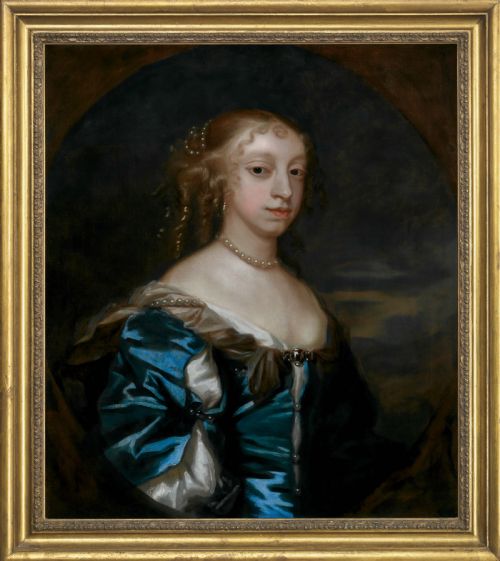
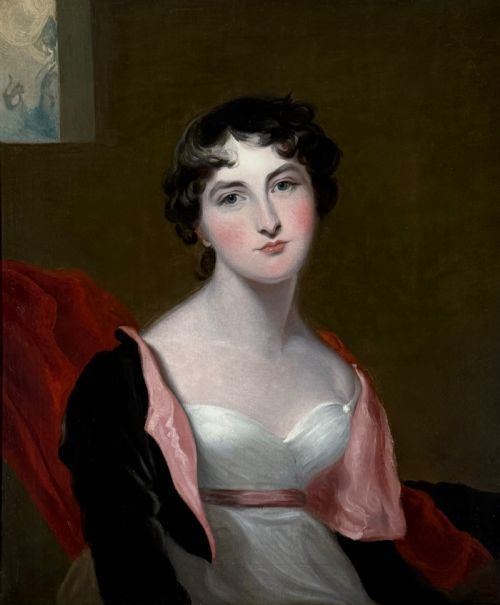
A painted female portrait captures individual likenesses and societal ideals across the seventeenth, eighteenth, and nineteenth centuries, alongside Edwardian and mid-century examples. Buyers encounter noblewomen, country girls, and named figures such as Sarah Losh or Henrietta Fordyce, recorded by contemporary schools and named artists.
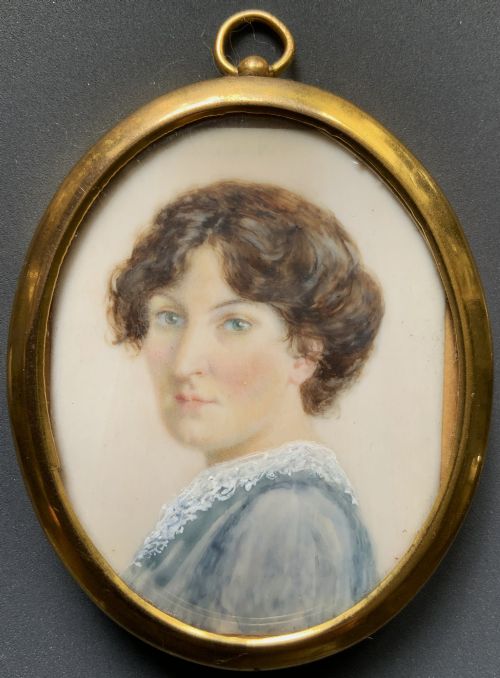
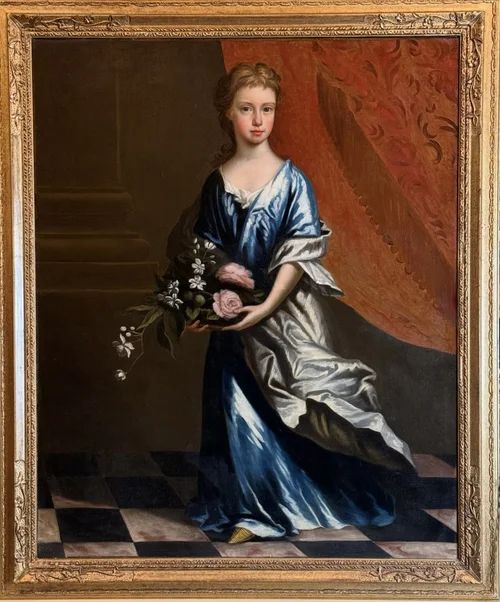
The selections on this page range from grand oil paintings on canvas and panel to delicate portrait miniatures, reverse painted silhouettes, and watercolours. These works document evolving fashions in dress, from elaborate seventeenth-century costume to blue dresses and modern attire.
The physical forms include monumental framed canvases and intimate works on paper or enamel. Each piece reflects the aesthetic priorities of its period, whether Baroque, Georgian, Regency, or Victorian.
How They Were Made
Artists built these images using oil paint applied to canvas, wood panels, or board, often supported by gilt wood and giltwood frames. The technique relies on layering pigment to achieve depth in fabrics, skin tones, and background landscapes.
Alternative methods appear in the selection through watercolour on paper, pastel, and delicate enamel work. Reverse painted techniques on glass or mezzotint provide a different optical quality, sealing the pigment behind a protective transparent layer.
Listings feature works spanning the sixteenth to the twentieth centuries, utilising oil, watercolour, pastel, and enamel on canvas, wood, paper, and glass.
What Varies in Quality
The survival and condition of the original support, whether wood panel or woven canvas, influence the integrity of the piece. Intact period frames and documented attributions to named painters or established circles elevate the standing of a work.
John Hayls·David Scougall·Sir Martin Archer Shee·Sir James Dromgole Linton·Charles Jervas·George Willison·Jeremiah Davison·Pierre Mignard·Pieter Borsseler·Charles Spooner·John Russell·John Vanderbank·Thomas Beach·Sir Anthony Van Dyck·Sir Thomas Lawrence
The Painted Female Portrait Glossary
- Oil on canvas
- Pigment bound in oil applied to a woven fabric stretched across a wooden frame. This medium allowed artists to blend tones smoothly and build rich surface textures.
- Portrait miniature
- A small-scale painting executed with high detail on media such as vellum, card, or enamel. These intimate items were frequently designed to be carried or worn.
- Reverse painted
- A technique where the artist applies paint to the reverse side of glass or crystal so the image is viewed through the transparent front. This method creates a glossy, enamel-like finish.
- English School
- A term used to designate anonymous or studio-produced works originating in Britain during a specific era. It groups pieces sharing regional stylistic traits without a confirmed individual master.
- Giltwood
- Wood carved and coated with a thin layer of gold leaf or gold powder. It provides reflective, ornate framing suited to formal portraiture.
Painted Female Portrait: Frequently Asked Questions
What periods do these portraits cover?
The works span from the late sixteenth century through the seventeenth, eighteenth, and nineteenth centuries, extending into Edwardian and mid-twentieth-century examples.
Buyers encounter distinct stylistic shifts, from Baroque and Georgian formalities to Regency and Victorian watercolours.
How are miniatures different from standard paintings?
Miniatures are executed on a much smaller scale, often utilising enamel, card, or glass surfaces rather than large stretched canvases.
They were typically created for private, personal use rather than public display on gallery walls.
Who are the subjects in these portraits?
The sitters include named historical individuals such as noblewomen, designers, and literary figures, alongside anonymous sitters recorded as country girls or ladies.
Many portraits preserve the identities of notable families and historical figures of their day.
How should I care for an antique oil portrait?
Keep the canvas away from direct sunlight and steady fluctuations in humidity to protect the paint layer and wooden stretcher.
Dust the surface gently with a soft, dry brush and avoid using chemical cleaning agents on the paint or frame.