




Painted Farmhouse Dresser
A painted farmhouse dresser brings honest utility and vernacular character to an interior, built for daily domestic storage rather than formal display.
Painted Farmhouse Dresser
A painted farmhouse dresser is a utilitarian storage piece built for country kitchens and dairies, designed to hold crockery, provisions and domestic implements. When you search for a painted farmhouse dresser, you encounter substantial timber furniture intended for hard daily use rather than drawing room elegance.
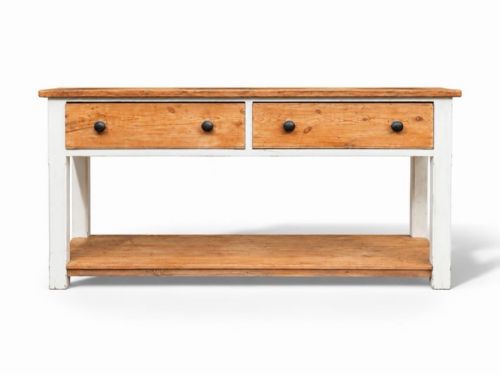
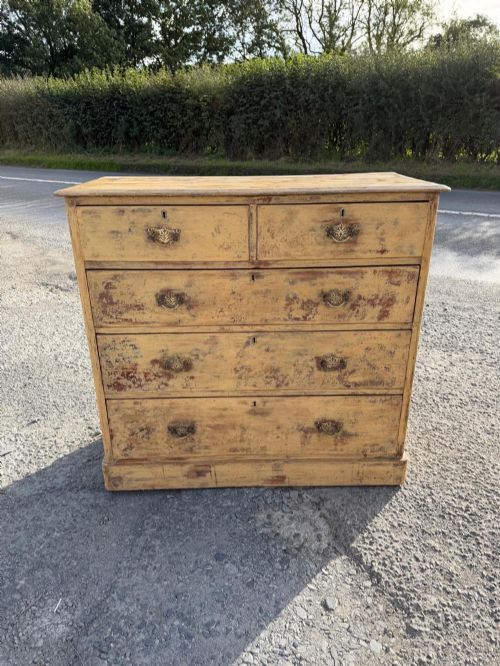
The pieces appearing on this page span the nineteenth century, including specific Victorian examples alongside regional Scottish and English vernacular forms. You will find potboard dresser bases, serving tables and chests of drawers that share a robust construction and unpretentious character.
Regional variations dominate the selection, ranging from English country house furniture to Scottish vernacular and Alpine folk art pieces. These items bring straightforward utility and aged painted surfaces into contemporary domestic spaces.
How they were made
Makers constructed these pieces primarily from pine and painted timber, selecting softwoods that were readily available and straightforward to work with using standard hand tools. The structural carcasses rely on solid planking and sturdy joints designed to bear heavy loads of crockery and provisions.
Surfaces received layers of paint or scumble finishes, which protected the underlying wood while imparting the colourful, worn appearance characteristic of country furniture. Metal fittings such as brass and iron hardware provided functional handles and hinges for drawers and cupboards.
Painted Farmhouse Dresser Retail Price Guide 2026
Typical asking prices for painted farmhouse dresser among the pieces listed under this phrase on Sellingantiques today, from the lower quarter to the upper quarter. They describe what is for sale here now, not the wider market.
Several pieces preserve original scumbled paint applied to trick the eye into seeing expensive hardwood timber.
What varies in quality
Quality in these pieces rests in the integrity of the original construction and the survival of early painted surfaces. A superior example retains its authentic structural proportions and honest vernacular details without unnecessary later alterations.
The character of the paint finish significantly influences the standing of a piece, with undisturbed scumbled or painted surfaces demonstrating greater integrity. Finer examples display harmonious proportions across potboards, drawers and base cabinets that reflect thoughtful regional craftsmanship.
The Painted Farmhouse Dresser Glossary
- Potboard
- A lower open shelf built into a dresser base, traditionally used for storing heavy pots and pans. This platform sits just above the floor on sturdy legs.
- Scumble
- A decorative painting technique involving layers of translucent colour dragged or mottled over a paler base to imitate grain. This finish creates a rich, textured surface typical of nineteenth-century country pieces.
- Vernacular
- Architecture or furniture built by local craftsmen using traditional regional methods and local materials, without academic architectural guidance. These pieces prioritize practical utility over high-style fashion.
- Dresser base
- The lower cabinet portion of a kitchen dresser, featuring cupboards and drawers beneath a flat top surface. It often functions independently as a serving table or sideboard.
Painted Farmhouse Dresser: Frequently Asked Questions
What is a potboard dresser base?
A potboard dresser base is the lower section of a kitchen dresser featuring an open lower shelf rather than enclosed cupboards. This design provided accessible storage for heavy culinary pots in nineteenth-century country kitchens.
These sturdy timber bases function effectively today as serving tables or sideboards in dining rooms and kitchens. Their open lower tier offers practical space for stacking large platters and baskets.
How do I identify nineteenth century pine furniture?
Nineteenth century pine furniture displays construction methods typical of the period, including hand-cut joints and dense old-growth timber boards. Tool marks and natural ageing in the wood reveal the manual processes used by vernacular makers.
Examining the fixings, drawer construction and timber shrinkage helps confirm the age of these pieces. Original painted finishes often show distinct patterns of wear that develop over generations of domestic use.
Where were regional farmhouse dressers made?
Regional farmhouse dressers were built across rural Britain and Europe by local joiners working within distinct local traditions. Examples from this selection originate in English, Scottish and Alpine workshops.
Each region developed specific proportions and detailing suited to local domestic requirements and available softwood timbers. Scottish and Alpine pieces often exhibit particular structural characteristics that distinguish them from English country furniture.
How do I care for painted wooden furniture?
Painted wooden furniture requires gentle maintenance to preserve fragile historic finishes and soft pine timbers. Keeping pieces away from direct heat sources prevents the wood from drying out and the paint from cracking.
Dusting regularly with a soft, dry cloth protects the surface without introducing moisture. Avoid using harsh chemical cleaners that can strip or damage original scumble and painted layers.