



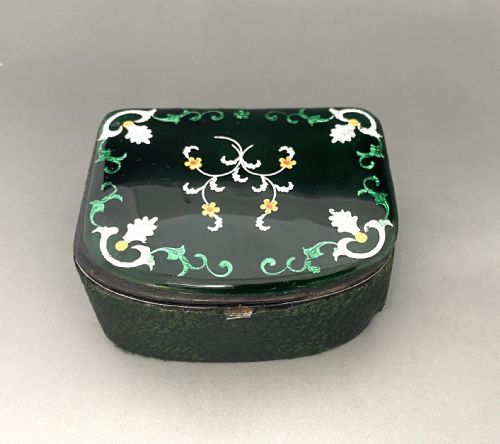
Painted Enamel Pill Box
These painted enamel pill box examples are charming miniature containers that catch the eye and slip easily into a pocket.
Painted Enamel Pill Box
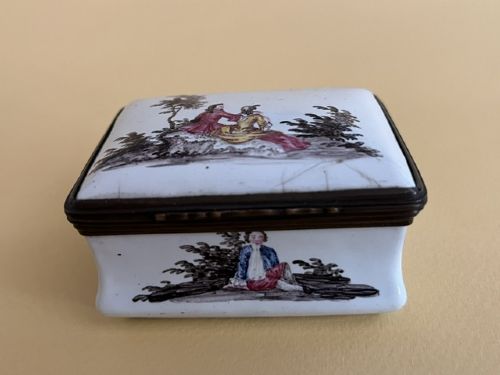
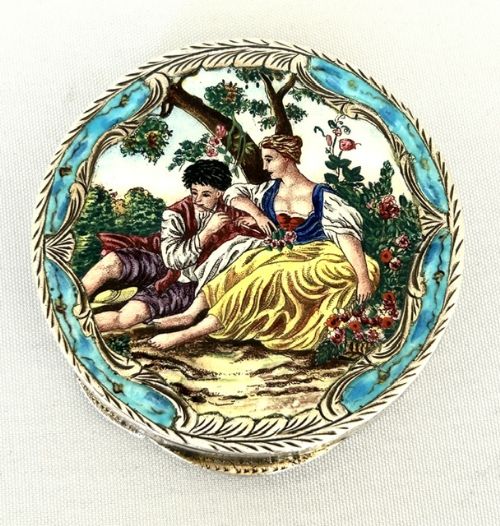
When you search for a painted enamel pill box, you encounter small decorative containers originating from periods such as the eighteenth century, the nineteenth century, and the Edwardian era. The pieces on this page span diverse forms, including trinket boxes, snuff boxes, patch boxes, powder compacts, and bonbonnieres.
You are most likely to meet Georgian examples, particularly those associated with Bilston or South Staffordshire, alongside later Edwardian and continental pieces. These small objects often feature hinged lids and detailed pictorial scenes painted directly onto the enamelled surface.
How they were made
Maker's workshops fused vitreous enamel onto copper, brass, or gilt metal bases through repeated firing in a kiln. This created a smooth, glossy canvas suitable for miniature hand-painting.
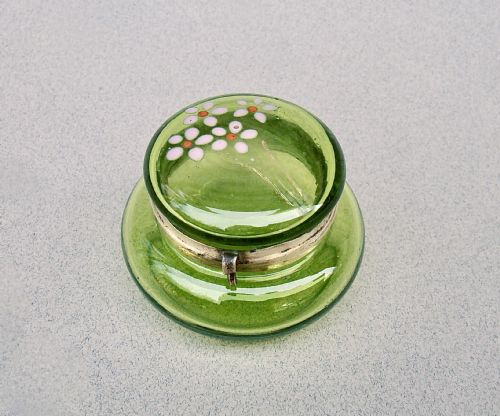
Many pieces incorporate sterling silver mounts or glass bodies, combining metalwork and enamelling techniques to shape compact, durable containers.
Painted Enamel Pill Box Retail Price Guide 2026
Typical asking prices for painted enamel pill box among the pieces listed under this phrase on Sellingantiques today, from the lower quarter to the upper quarter. They describe what is for sale here now, not the wider market.
Georgian gentlemen kept their snuff dry while ladies hid silk beauty spots in miniature boxes small enough to tuck into a palm.
What varies in quality
The fineness of the hand-painted detail separates ordinary items from superior examples. Crisp brushwork in scenic panels and delicate floral motifs indicate a skilled hand.
The integrity of the enamel surface and the precision of the metal mounts, hinges, and clasps determine the overall refinement of the piece.
South Staffordshire·Bilston Enamel
The Painted Enamel Pill Box Glossary
- Bilston enamel
- A term for enamels produced in the Staffordshire town of Bilston during the eighteenth century. These works typically feature copper bases with white or coloured enamel coatings.
- Snuff box
- A small pocket container designed to hold dry tobacco for inhalation. These boxes often featured hinged lids to keep the contents dry.
- Guilloche enamel
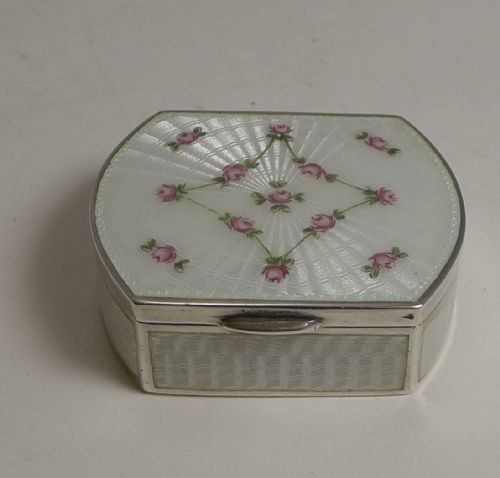
- A decorative technique where transparent enamel is layered over engine-turned metal. This creates repeating geometric patterns that shine through the coloured surface.
Painted Enamel Pill Box: Frequently Asked Questions
What were painted enamel boxes used for?
These small containers served practical purposes for carrying dry goods like snuff, medicinal pills, or small cosmetic patches.
Over time, they evolved into fashionable accessories and decorative trinket boxes displayed on dressing tables and mantelpieces.
How do I date an enamel box?
Dating relies on examining the base metal, the shape of the box, the style of the hinges, and the character of the painted scenes.
Eighteenth-century examples often feature copper bases with characteristic crazing and hand-painted pastoral or figural motifs.
Are these boxes fragile?
The vitreous enamel surface is essentially glass fused to metal, which means it can chip or crack if dropped against a hard surface.
With careful handling and storage away from edges, these durable little objects survive well through generations.
Where were Bilston enamels made?
Production centred in the West Midlands town of Bilston, alongside other Staffordshire workshops during the Georgian period.
Master artisans applied white and coloured enamel coatings to copper stampings before painting miniature scenes by hand.