
Painted Country Dresser
A painted country dresser brings functional utility and regional character into a room through honest timber and weathered pigment.
Painted Country Dresser
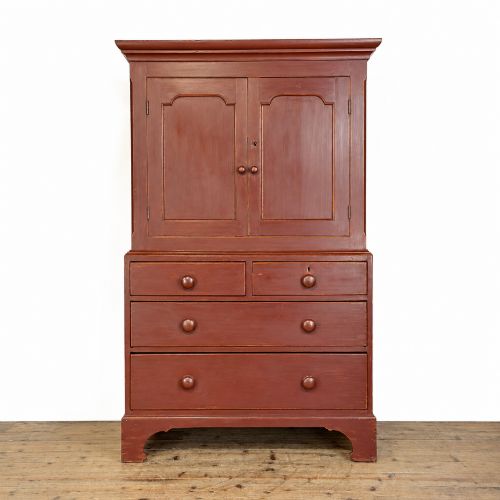
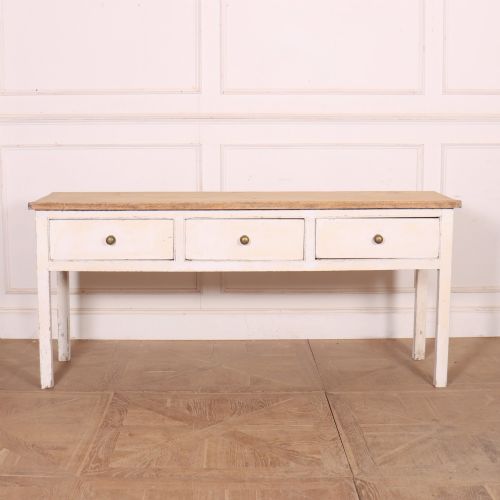
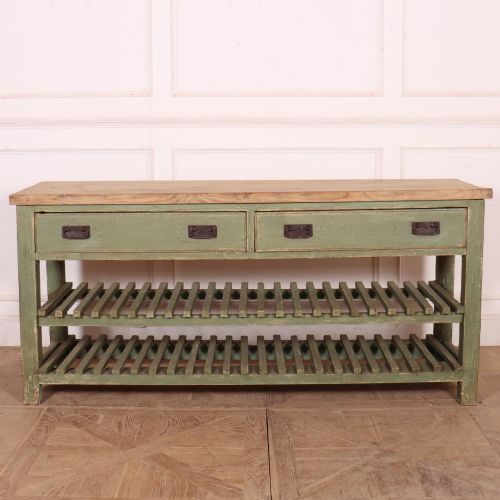
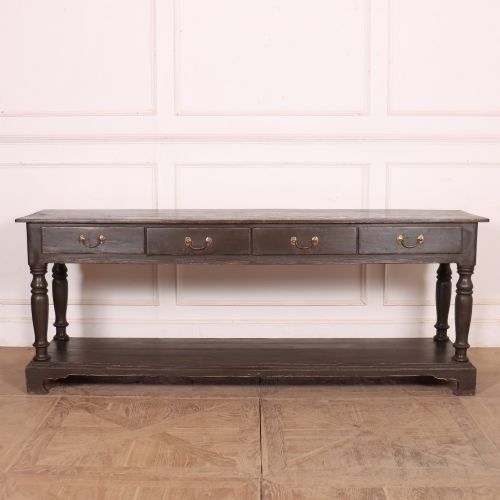
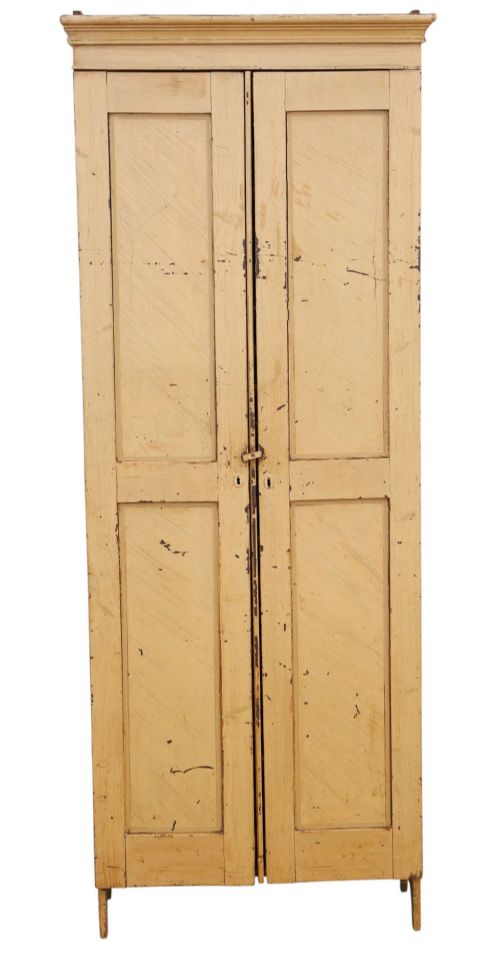
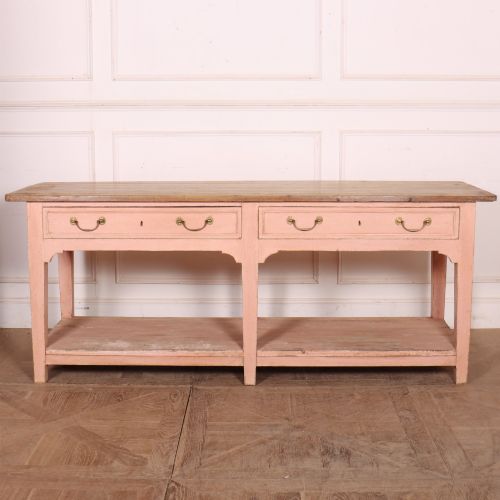
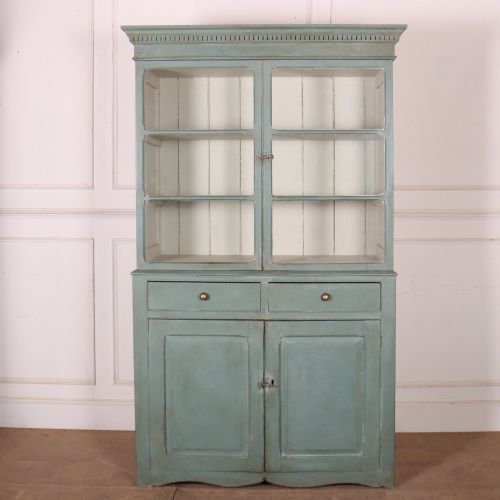
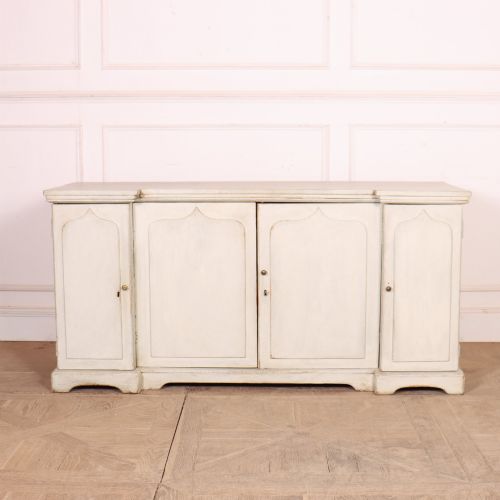
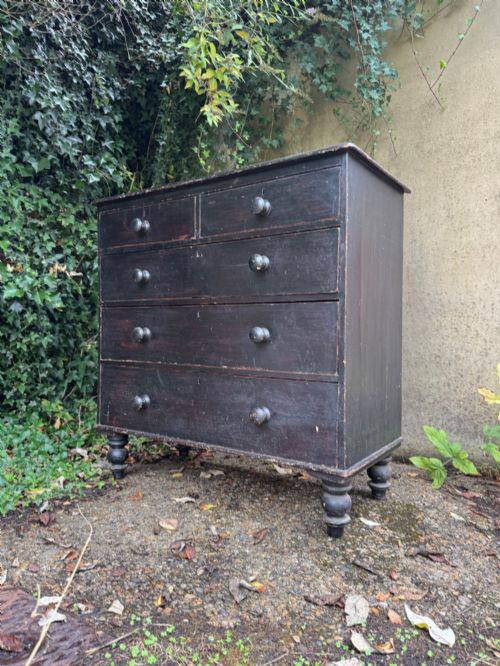
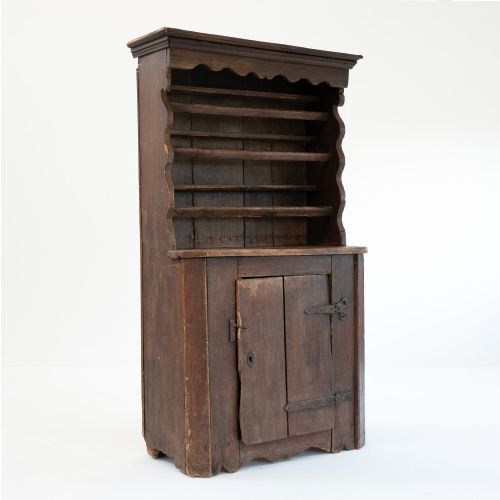
When searching for a painted country dresser, you are looking at sturdy domestic storage pieces designed for provincial kitchens, sculleries and farmhouses. These practical furnishings range from open-shelf kitchen dressers and enclosed dresser bases to housekeepers' cupboards and potboards.
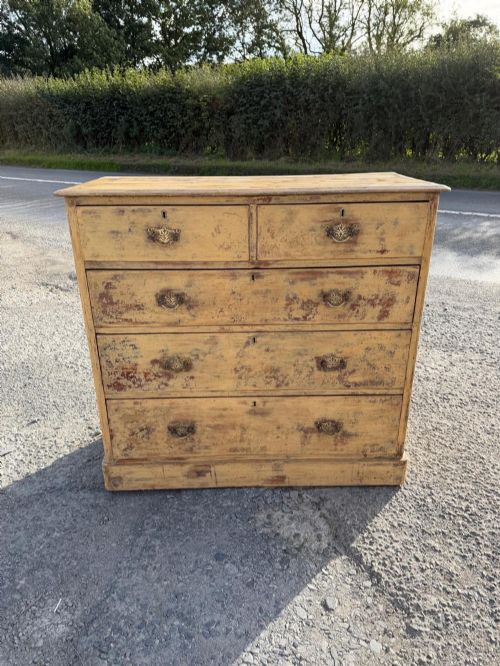
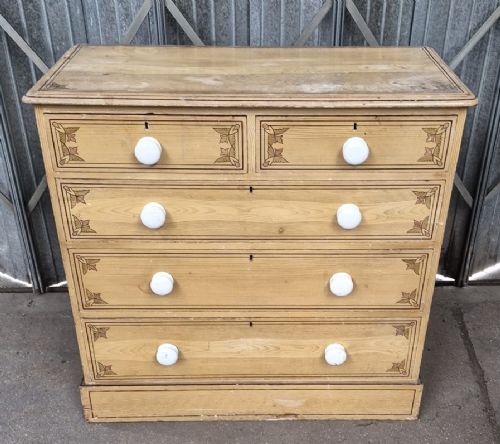
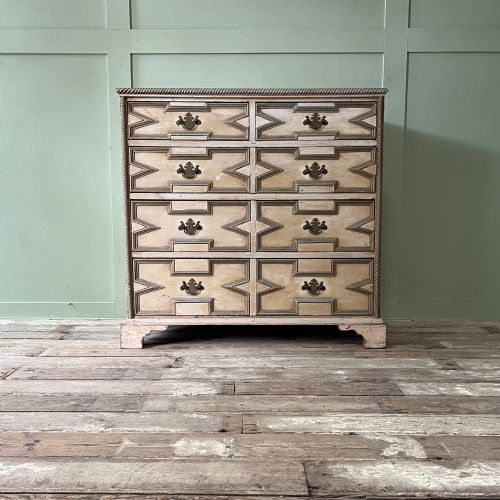
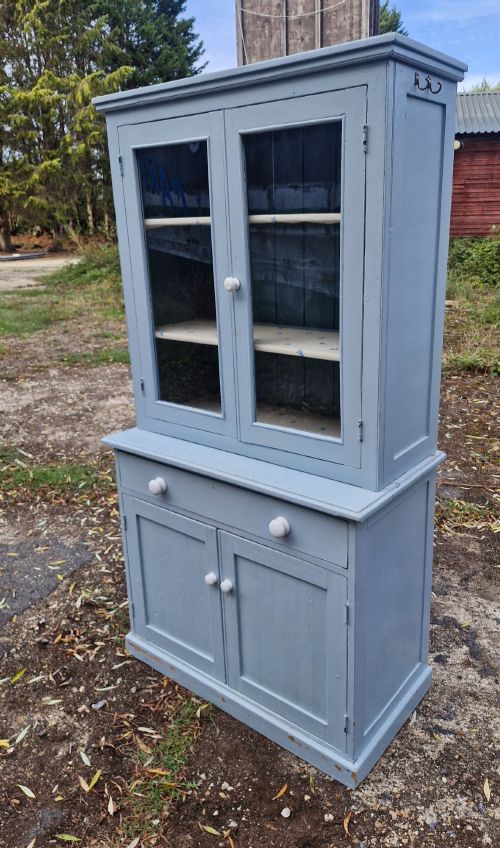
Many survivors retain layers of original or historic paintwork, often in muted tones, greens or creams, which have softened through decades of domestic use. They combine lower storage cupboards or banks of drawers with upper display shelving or enclosed glazed cabinets.
Materials and construction
Pine serves as the primary timber for the vast majority of these regional pieces, chosen for its availability and workability in provincial joinery. Hardwoods such as oak occasionally appear in earlier dresser bases and potboards.
Makers utilised straightforward construction techniques like dovetail joints for drawer construction and pegged mortise and tenon joints for frames. Iron and brass hardware, including drop handles and escutcheons, secures doors and drawers.
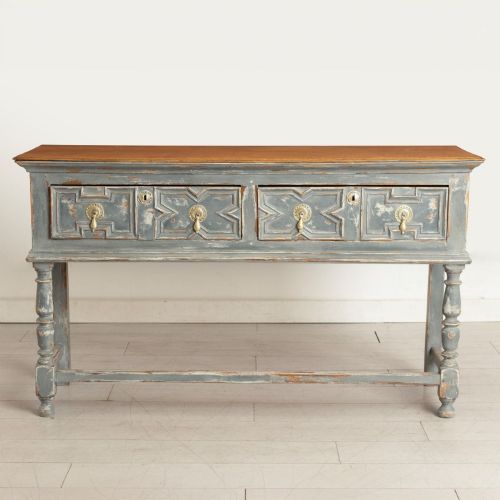
Surfaces were finished with lead-based or oil paints applied directly to the wood, sometimes layered over time or scumbled to create mottled decorative effects.
Regional forms originate from English counties, Scottish farmhouses, Irish country houses, French provinces and Swedish workshops.
Indicators of quality
The distinction between standard utility items and finer examples rests in the integrity of the original surface finish and the preservation of authentic regional proportions. Pieces retaining undisturbed early paint layers carry greater historical value than those stripped or repeatedly recoated.
Proportional harmony and substantial timber thickness elevate certain regional pieces above basic workshop output. Joinery details, such as finely cut dovetails and well-fitted panel doors, demonstrate superior craftsmanship in provincial furniture.
Sir Clough Williams-Ellis
The Painted Country Dresser Glossary
- Potboard
- An open slatted lower shelf built into a dresser base, traditionally used for storing heavy pots and earthenware. This feature is particularly characteristic of English and Welsh farmhouse furniture.
- Scumbled
- A decorative paint technique where a translucent top coat is manipulated over a lighter base colour to simulate grain or texture. It creates a distinctive aged surface found on Victorian pine furniture.
- Dresser Base
- The lower portion of a kitchen dresser featuring cupboards and drawers without the upper shelving superstructure. These versatile pieces function independently as sideboards or serving tables.
- Housekeeper's Cupboard
- A large tall storage cabinet with multiple internal shelves and doors, historically used for linen and provisions. These imposing pieces often stand in provincial hallways and kitchens.
- Glazed Cabinet
- A storage unit featuring glass-paned doors in the upper section for displaying china and glassware. They appear frequently on nineteenth-century kitchen dressers and display cabinets.
Painted Country Dresser: Frequently Asked Questions
What is a painted country dresser?
A painted country dresser is a utilitarian storage unit built from pine or local timbers, featuring cupboards, drawers and often upper shelving. These regional pieces were made for provincial kitchens and farmhouses.
Over decades of domestic service, many acquired layers of painted finishes that now define their rustic aesthetic and historical appeal.
How were these dressers used historically?
Historically, these items served as the primary storage and display units in rural homes, holding everyday ceramics, cookware and provisions. The open shelves showcased best tableware while the base cabinets concealed bulky kitchen items.
In larger households, housekeeper variants stored household linens and dry goods securely behind panelled doors.
How do I care for original paintwork?
Original painted surfaces require gentle treatment using a dry microfiber cloth to remove dust without introducing moisture. Avoid modern chemical cleaners or abrasive polishes that can lift historic pigment.
Keep the timber away from direct heat sources and dramatic humidity fluctuations to prevent the wood from warping and the paint from flaking.
How do I identify the period of a dresser?
Dating relies on examining construction methods, timber selection, hardware types and the characteristics of the paint layers. Hand-cut dovetails, iron butterfly hinges and pegged joints typically point towards eighteenth and early nineteenth-century origins.
Later Victorian pieces often incorporate machine-sawn elements, scumbled finishes and standardised brass fixtures.