




Painted Architectural Panels
Painted architectural panels bring hand-rendered imagery and structural presence into a room, spanning carved wooden overdoors and leaded glass windows.
Painted Architectural Panels
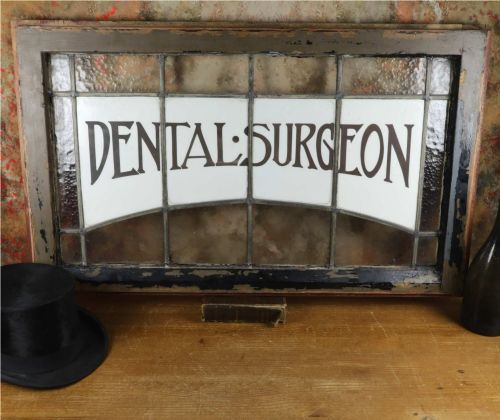
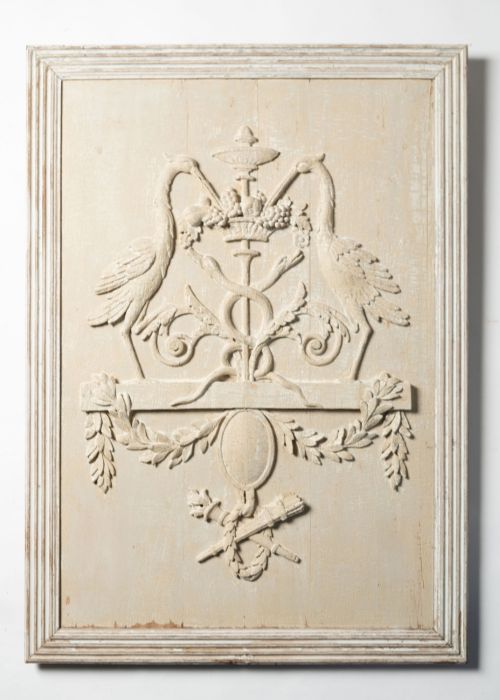
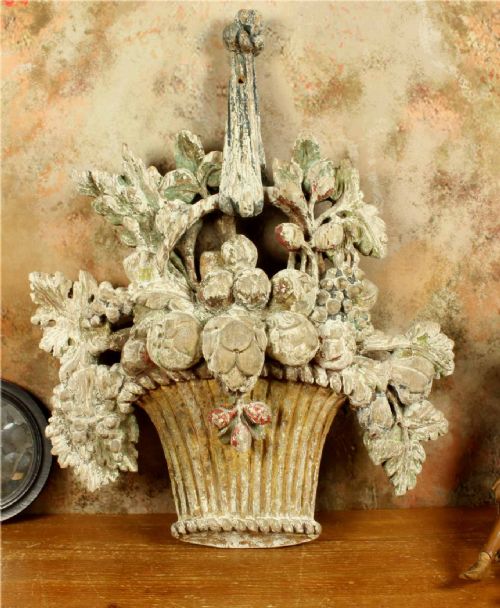
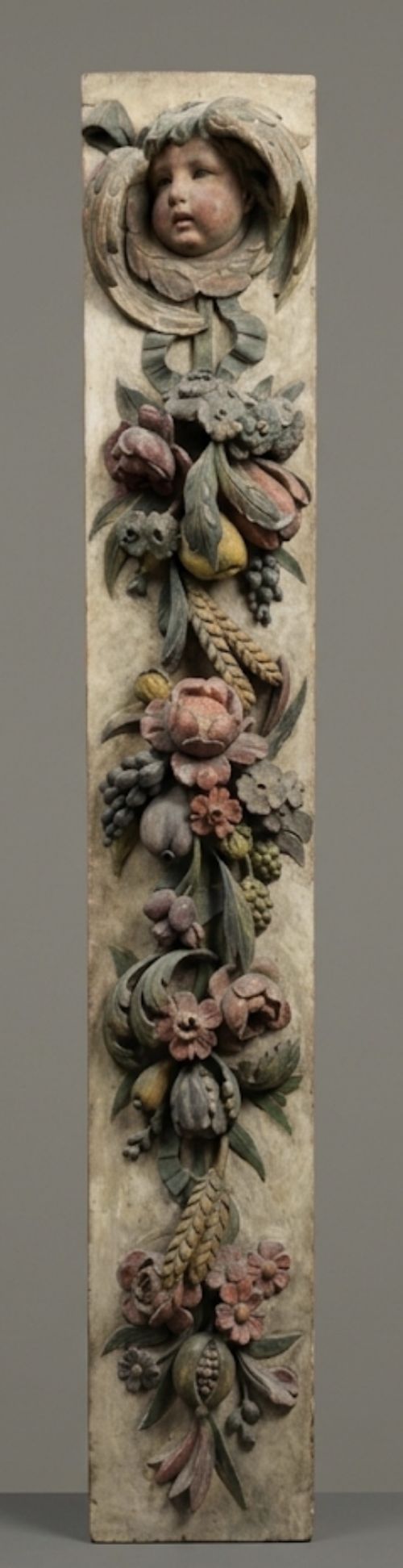
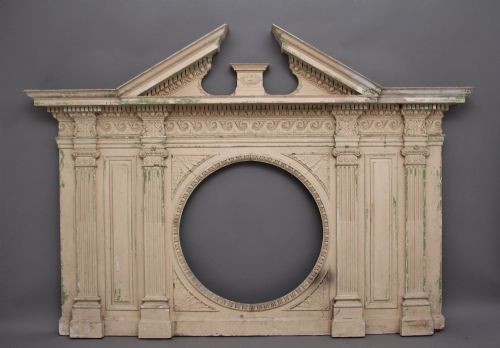
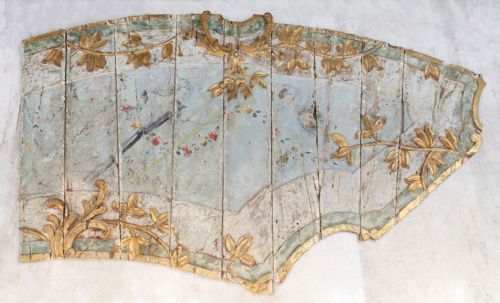
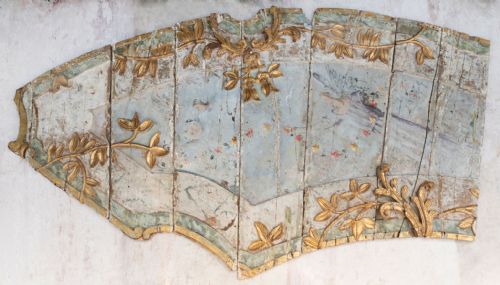
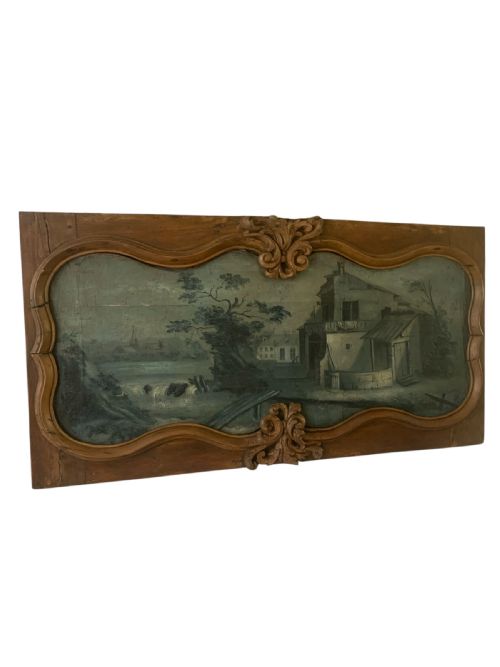
Painted architectural panels encompass wall plaques, overdoors, and stained glass windows that originally formed part of a building's interior or exterior fabric. Pieces range from eighteenth-century carved wooden polychrome panels to Edwardian shop windows and leaded glass designs depicting countryside scenes.
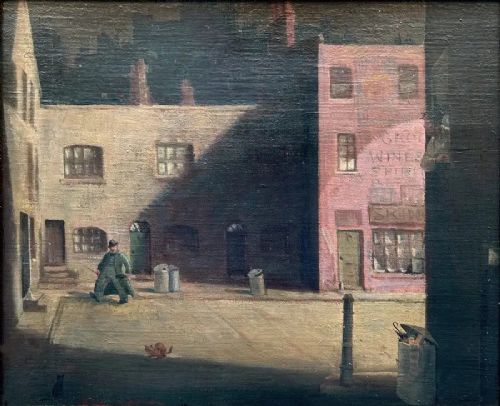
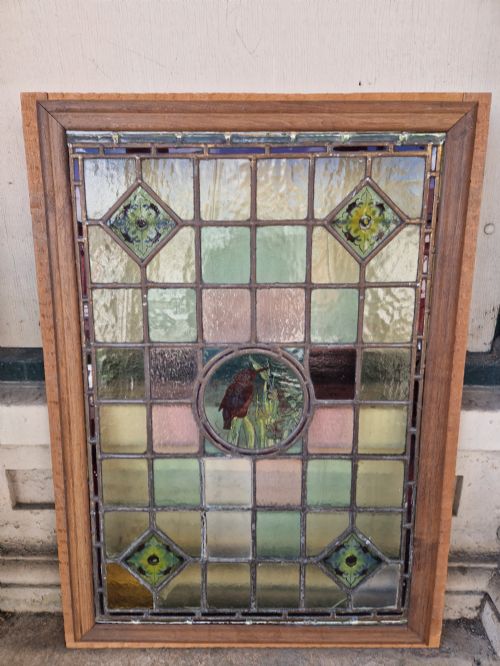
The selection includes French hand-carved panels, Italian church altar boards, and nineteenth-century naive oil paintings set within architectural scenes. Buyers frequently encounter leaded glass windows decorated with hand-painted birds, flowers, and landscapes dating around nineteen hundred.
Objects span Georgian, Victorian, and Arts and Crafts styles, reflecting diverse domestic and commercial origins. Overmantles and carved wooden panels sit alongside framed oil paintings on panel from the early twentieth century.
Materials and construction
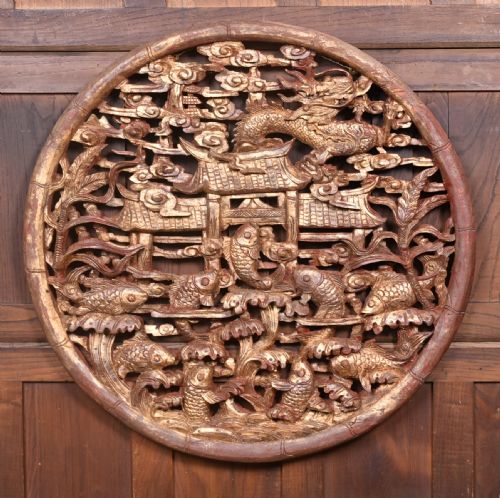
Makers utilised timber and pine as foundations for carved wooden reliefs, applying gesso and oil paint to build up polychrome surfaces. Overdoors and wall plaques rely on traditional joinery and hand-carving techniques.
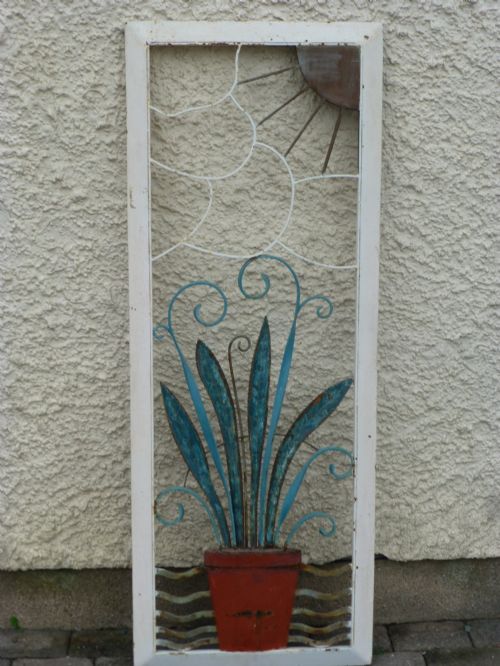
Leaded glass panels combine glass segments held together by lead cames, incorporating hand-painted details fired onto the glass surface. Bullseyes and gold leaf appear alongside oil paint to add texture and light refraction.
Iron and bronze elements support structural screens and decorative metalwork, bridging the gap between hardware and fine art.
Assessing quality and execution
The standard of execution in the brushwork or wood carving dictates the visual strength of a panel. Finely rendered hand-painted details on glass or wood demonstrate superior craftsmanship compared to simpler, repetitive decoration.
The integrity of the original material, whether lead, timber, or glass, influences the character of the piece. Intact leaded sections and well-preserved polychrome paint layers retain more of their historical context.
Compositional balance and the harmony between the architectural frame and the painted scene distinguish exceptional works from standard salvage.
Raymond Subes·Francisco Sancha·Paul-Élie Gernez
The Painted Architectural Panels Glossary
- Overmantle
- A decorative panel or painting designed to sit directly above a fireplace mantel. These pieces often feature extensive carved woodwork or painted pastoral scenes.
- Polychrome
- Decorated in multiple colours. This term describes wooden panels and sculptures retaining their original painted surface schemes.
- Came
- A slender rod of cast lead with a grooved profile used to hold panes of glass together in a window. Leaded glass panels rely on these flexible strips for structural stability.
- Bullseye
- A small, circular centre of blown glass showing a concentric ripple pattern. These are frequently incorporated into leaded glass windows for added optical texture.
- Trompe l'oeil
- An art technique involving extremely realistic imagery in order to create the optical illusion that the depicted objects exist in three dimensions.
Painted Architectural Panels: Frequently Asked Questions
How were painted architectural panels originally used?
These items served functional and decorative roles within buildings, acting as overdoors, church altar boards, shop windows, and interior wall panels.
They separated spaces while introducing narrative scenes, heraldry, or floral motifs into domestic and commercial interiors.
How do I hang a heavy wooden panel?
Heavy wooden and carved architectural panels require secure wall fixings distributed evenly across the weight-bearing framework of the piece.
Consulting a professional framer or installer ensures the structure is adequately supported without damaging the antique timber.
How should I clean painted glass panels?
Painted glass surfaces require gentle cleaning with a soft, dry cloth to remove dust without disturbing fragile pigments or lead cames.
Avoid liquid cleaners unless tested on a small area, as historic paint layers can be sensitive to moisture and chemical solvents.
How can I tell the difference between periods?
Stylistic indicators and material choices help distinguish eras, such as the naturalistic bird and flower motifs common in Edwardian leaded glass.
Georgian and eighteenth-century pieces often feature heavier carved timber frames and classical polychrome finishes.