

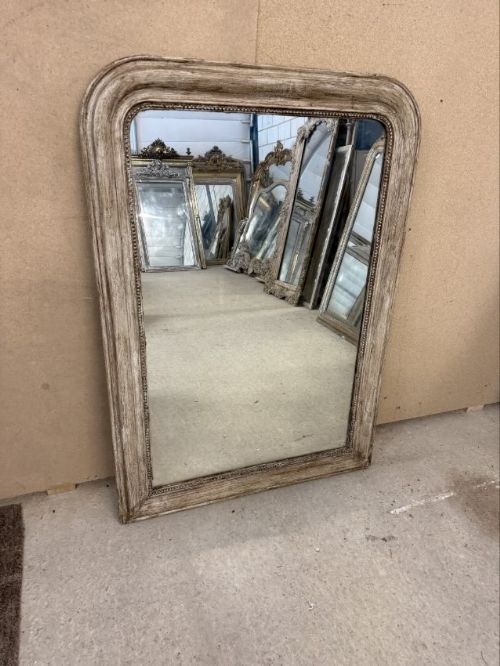
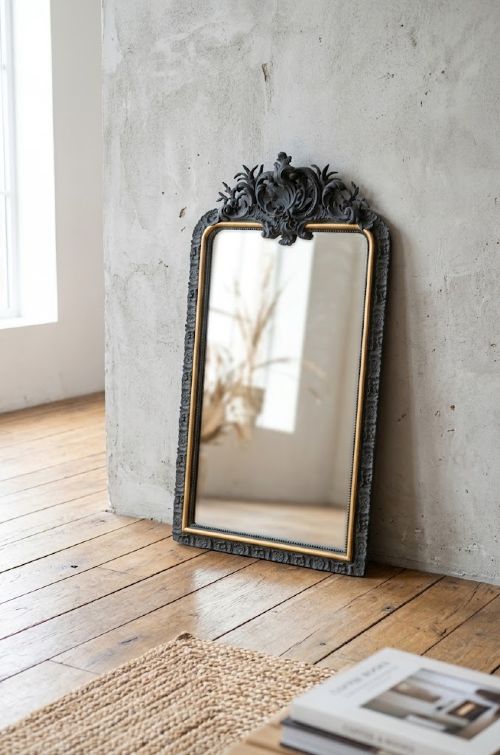

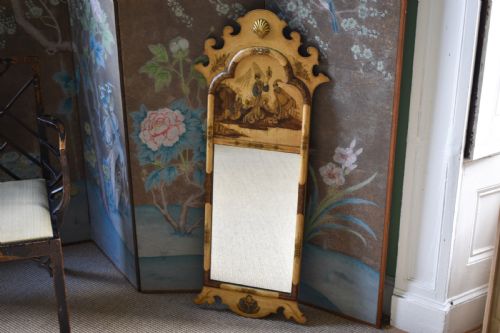
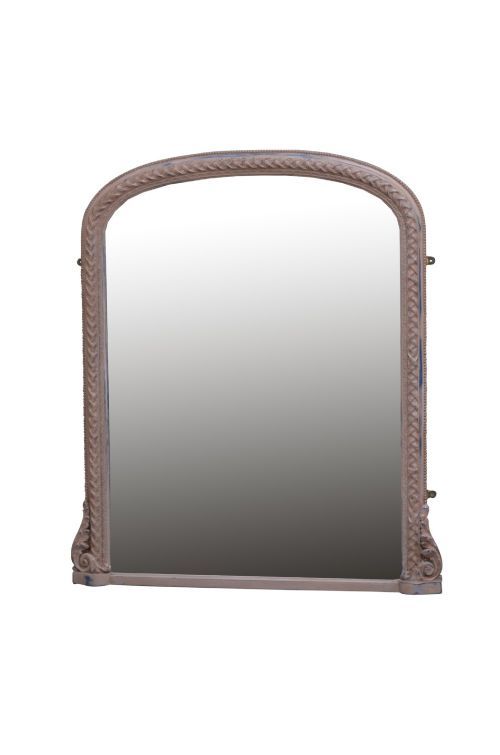
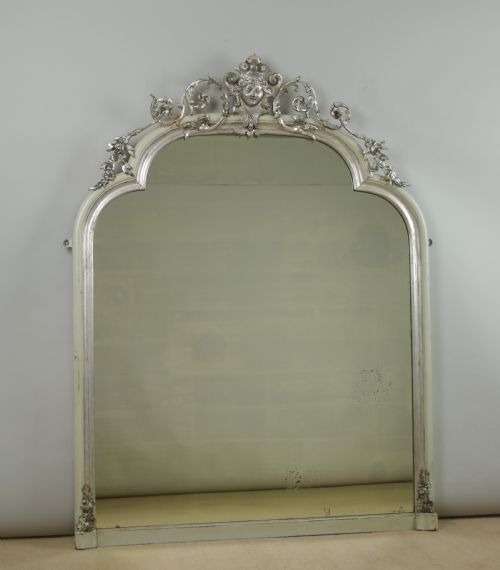

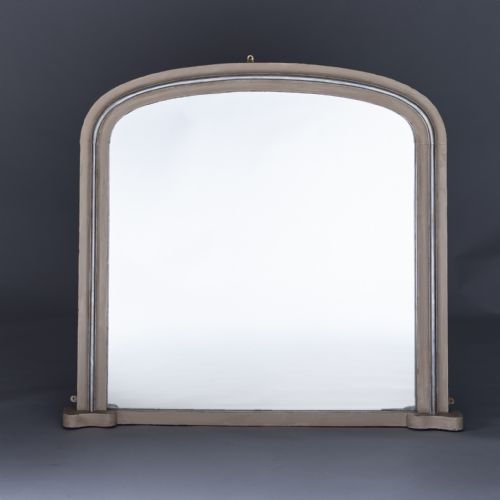


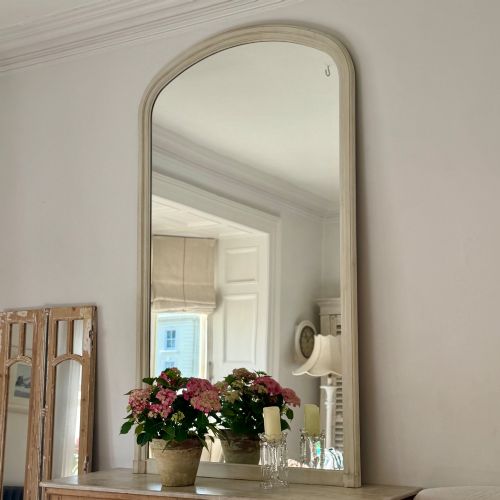


Painted Arched Mirror
These painted arched mirror selections bring nineteenth century character and arched reflection into a room with genuine period presence.
Painted Arched Mirror
A painted arched mirror draws the eye through a curved upper frame, offering scale and architectural depth to an interior space. These pieces serve primarily as wall or overmantel fixtures, commanding attention above fireplaces and console tables.
Most examples found on this page date from the nineteenth century, including Victorian English and French styles like Louis Philippe, Louis XV, and Neoclassical. Formats range from large overmantels to smaller dressing table mirrors and pier mirrors.
Makers shaped these timber and gesso frames with arched crowns, often incorporating parcel gilding or layered pigment palettes. The resulting items reflect period tastes ranging from restrained elegance to ornate provincial decoration.
Materials and construction methods
Craftsmen built these frames using carved wood and applied gesso, shaping the distinctive arched tops by hand before finishing the surfaces. Wood provides the structural rigidity needed for large overmantel formats, while gesso allows for crisp mouldings and delicate relief details.
Finishing involved layers of paint, gold leaf, or parcel gilding over the prepared gesso and timber foundation. Artisans applied pigments in various palettes, from simple cream and black ebonised finishes to complex layered tones and Chinoiserie lacquering.
Painted Arched Mirror Retail Price Guide 2026
Typical asking prices for painted arched mirror among the pieces listed under this phrase on Sellingantiques today, from the lower quarter to the upper quarter. They describe what is for sale here now, not the wider market.
Listings feature items from the mid nineteenth century onward, constructed from wood, gesso, and glass with painted and gilt finishes.
Factors that define quality
Depth of carving and the intricacy of the gesso work dictate the sculptural refinement of the frame. Superior pieces display crisp relief details along the arched crown and crisp junction points in the timber construction.
The sophistication of the painted surface determines visual distinction, with layered or patinated finishes showing greater depth than flat modern applications. Original gilding and integrated glass plates further separate exceptional examples from standard production.
The Painted Arched Mirror Glossary
- Overmantel mirror
- A large mirror designed specifically to hang on the wall directly above a fireplace mantelpiece. These pieces often feature wide horizontal proportions and ornate arched crests.
- Gesso
- A mixture of gypsum or chalk and size used as a smooth base for paint and gilding on wood frames. It allows carvers to achieve fine decorative relief before applying surface colour.
- Parcel gilt
- A decorative technique where portions of an object are highlighted with gold leaf while the remaining areas are painted or left as exposed wood. This creates a contrasting interplay between metallic sheen and matte pigment.
- Pier mirror
- A tall narrow mirror traditionally hung on the pier, the solid wall space between two windows. These items often incorporate console tables or lower stands.
- Japanned
- A European imitation of East Asian lacquerwork, typically executed in red or black ground with raised gilt motifs. This technique appears on decorative eighteenth and nineteenth century style frames.
Painted Arched Mirror: Frequently Asked Questions
Where should an overmantel mirror hang?
Position the mirror centrally above a fireplace mantelpiece to anchor the room's proportions and reflect natural light. Ensure the fixings are secured directly into wall studs due to the considerable weight of timber and gesso frames.
Leave adequate clearance between the base of the frame and the mantel shelf to maintain visual balance. This placement allows the arched top to draw the eye upward toward the ceiling.
How do I clean an antique mirror frame?
Dust the carved wood and gesso surface gently using a soft, dry brush to remove settled particles without disturbing the painted finish. Avoid liquid cleaners or chemical sprays that can soften historic gesso and lift gold leaf.
Clean the glass plate separately with a mild glass cleaner applied to a cloth rather than sprayed directly onto the glass. This prevents moisture from seeping behind the plate into the wooden backing.
What periods do these mirrors represent?
The pieces span the nineteenth century, encompassing Victorian English designs and French regional styles. You will encounter Neoclassical, Louis Philippe, and Louis XV aesthetics alongside Gothic revival influences.
Many items reflect later nineteenth century interpretations of earlier decorative traditions like Queen Anne and George I styles. These variations show how cabinetmakers adapted historical arches for contemporary homes.
Are these mirrors heavy to hang?
Nineteenth century frames constructed from solid wood and heavy gesso require robust wall anchors for safe installation. Professional hanging hardware rated for substantial weight is essential for overmantel formats.
Check the integrity of the original hanging loops on the reverse before mounting the piece. Transfer the load to multiple fixing points to distribute the weight evenly across the wall.