


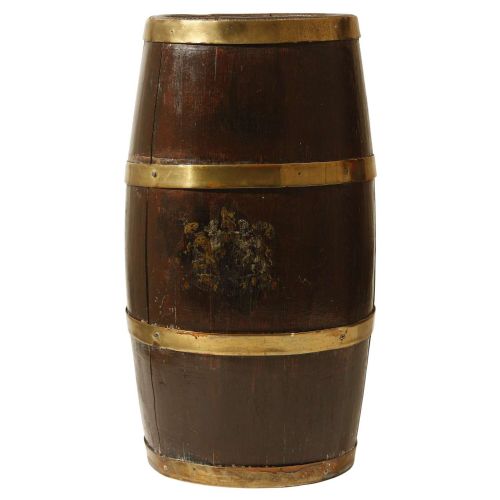


Painted Barrel
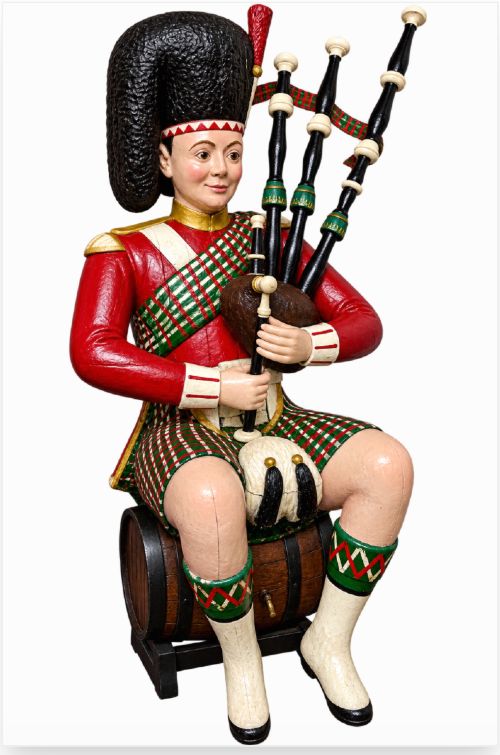
A painted antique barrel brings distinct utility and folk character to a room, offering practical storage disguised in rich historic craft.
Painted Barrel
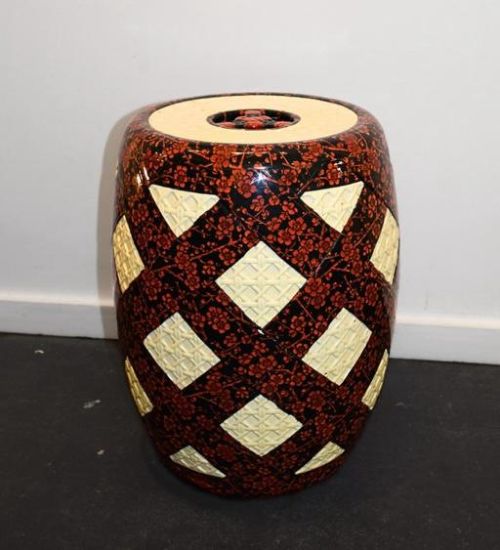
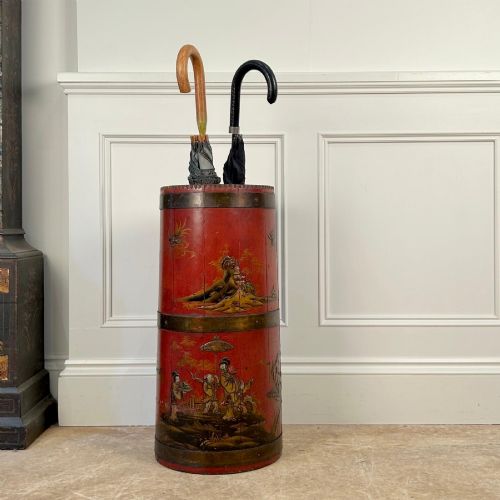
A painted antique barrel spans several practical household and garden forms, most notably oak umbrella stands with brass braces, ceramic biscuit barrels, and garden seats. These objects emerge from periods ranging from the Georgian era through the Victorian and Edwardian decades, reflecting both domestic utility and decorative display.
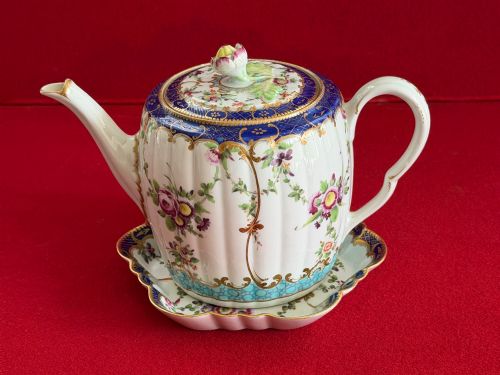
In daily practice, buyers frequently encounter staved timber umbrella stands banded in brass, alongside porcelain and ceramic biscuit jars decorated with enamel or hand-painted details. Such pieces often incorporate English coats of arms or floral motifs, blending everyday function with period aesthetics.
The materials and construction styles vary from Scandinavian oak staves to Chinese rose medallion porcelain and Minton creamware. Each iteration demonstrates how utilitarian cooperage and pottery evolved into decorative interior furnishings during the nineteenth and early twentieth centuries.
How they were made
Makers constructed wooden umbrella stands and storage vessels using traditional cooperage techniques, shaping curved oak staves bound together with secure brass braces or iron hoops. Craftsmen then applied paint, lacquer, or japanning directly to the timber surface to achieve durable finishes.
Ceramic biscuit barrels and garden seats relied on pottery bodies formed from creamware, ironstone, or porcelain, which were subsequently fired and embellished with enamel paints, glaze, or gold leaf. Artisans painted botanical, armorial, or Chinoiserie scenes by hand onto the hardened surfaces before a final protective glaze or varnish was applied.
Painted Barrel Retail Price Guide 2026
Typical asking prices for painted barrel among the pieces listed under this phrase on Sellingantiques today, from the lower quarter to the upper quarter. They describe what is for sale here now, not the wider market.
Objects associated with this category range from staved oak umbrella stands to ceramic biscuit jars and Chinese porcelain garden seats.
What varies in quality
The standard of a painted antique barrel rests primarily on the crispness of the hand-painted decoration and the integrity of the original surface finish. Pieces retaining their early enamel, gilding, or japanned details without heavy modern overpainting command greater interest from collectors.
Structural execution also dictates quality, visible in the tight fit of wooden staves, the secure attachment of brass braces, and the preservation of original porcelain glazes. Finer examples maintain their structural joinery and original hardware without intrusive repairs.
Minton·Worcester
The Painted Barrel Glossary
- Cooperage
- The craft and trade of making wooden staved vessels, such as barrels and buckets, bound together with hoops or braces. This historic trade produced robust containers designed for dry storage or liquid containment.
- Japanning
- A European imitation of East Asian lacquerware applied to furniture and decorative objects. The technique involves layering specialised varnishes and paints, often cured by heat to create a hard, glossy finish.
- Creamware
- A type of fine earthenware developed in Yorkshire during the eighteenth century, possessing a pale yellowish-cream glaze. It became widely utilised for tableware and decorative garden seats.
- Ironstone
- A heavy, durable ceramic developed in the early nineteenth century as a robust alternative to porcelain. It readily accepted painted enamel decoration and transfer printing.
- Rose Medallion
- A distinctive style of Chinese porcelain decoration featuring panels of figures alternating with birds, flowers, and butterflies, typically rendered in bright enamels and gilt. These polychrome designs were popular for nineteenth-century export garden seats.
Painted Barrel: Frequently Asked Questions
What were painted wooden barrels originally used for?
These timber vessels served primarily for storing provisions, dry goods, or liquids in domestic and trade settings before being repurposed as umbrella stands.
Over time, makers adapted the traditional staved construction for hallways and porches to keep wet walking sticks contained.
How do I care for a painted antique barrel?
Protect the fragile painted or japanned surfaces by keeping the object away from direct sunlight and excessive moisture fluctuations.
Dust gently with a dry, soft cloth and avoid abrasive cleaning agents that could lift the historic paint layers.
What is the difference between a biscuit barrel and a garden seat?
A biscuit barrel is a smaller lidded ceramic or glass container designed to hold dry baked goods on a dining table or sideboard.
A garden seat is a heavy, freestanding ceramic or wooden drum intended to support weight and withstand outdoor or conservatory environments.
How can I tell a Victorian barrel stand from a later piece?
Victorian examples typically exhibit hand-forged brass braces, heavier oak staves, and traditional hand-brushed paint finishes or applied coats of arms.
Later Edwardian or twentieth-century pieces often introduce lighter construction methods alongside Chinoiserie or enamel-decorated ceramic bodies.