




Painted Animal Figurine
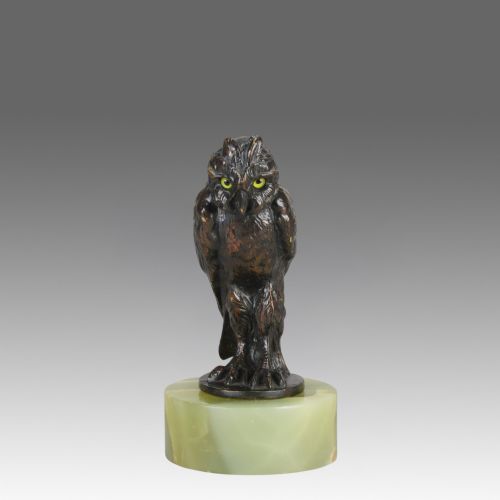
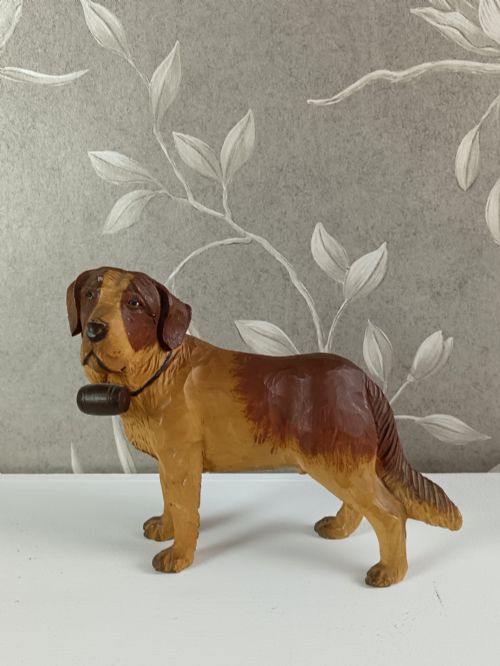
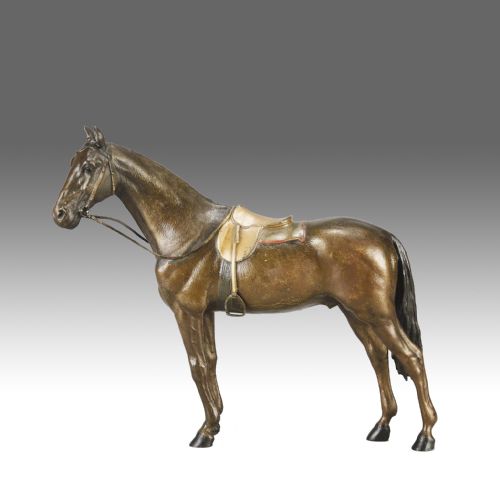
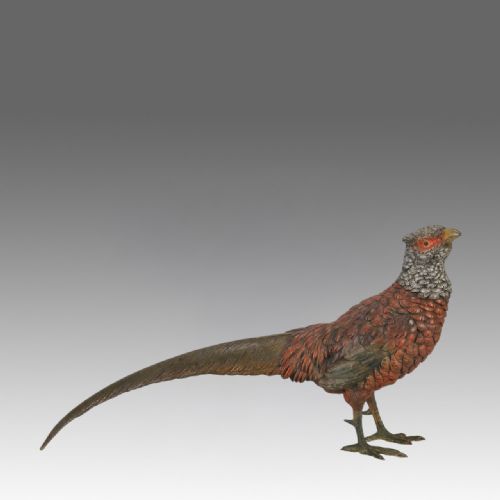
These painted animal figurine examples bring life to a room, ranging from Austrian cold-painted bronzes to Staffordshire pottery dogs.
Painted Animal Figurine
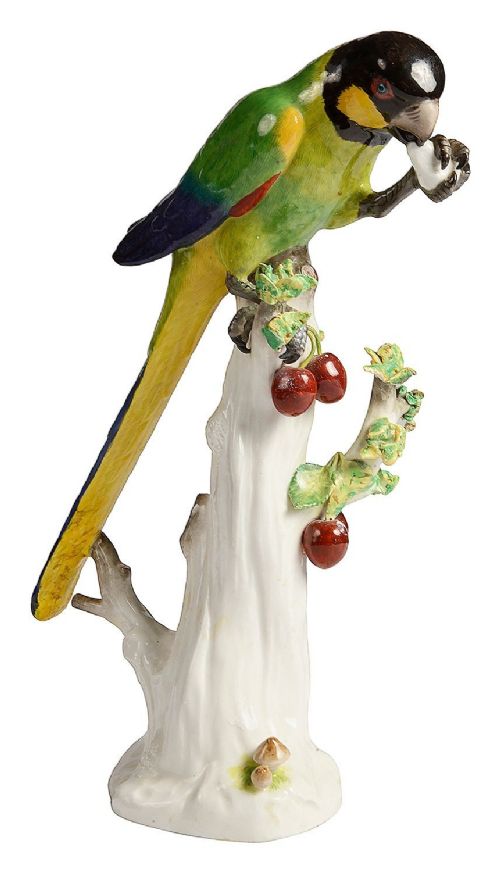
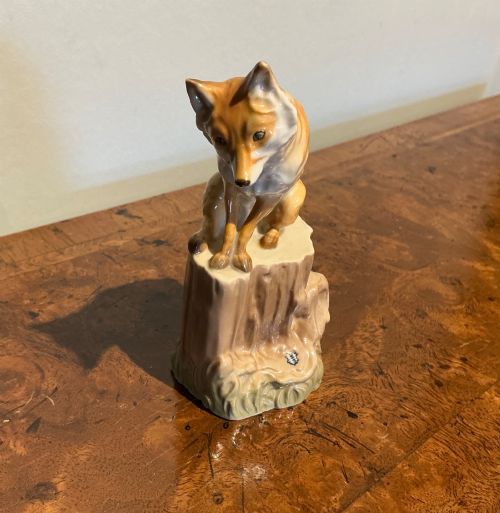
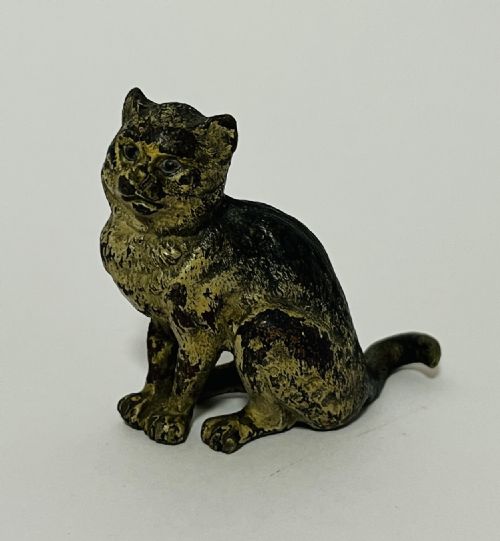
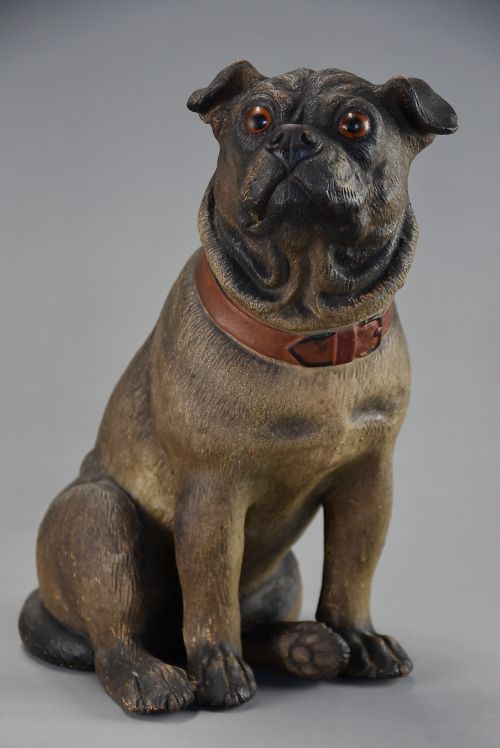
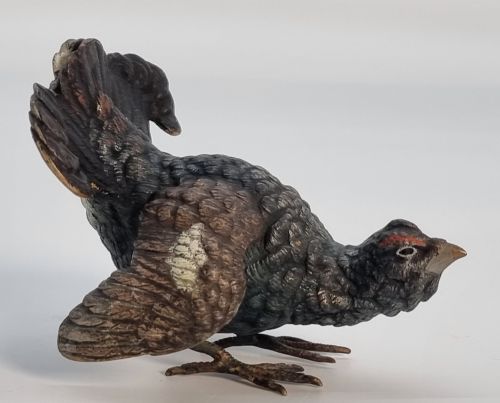
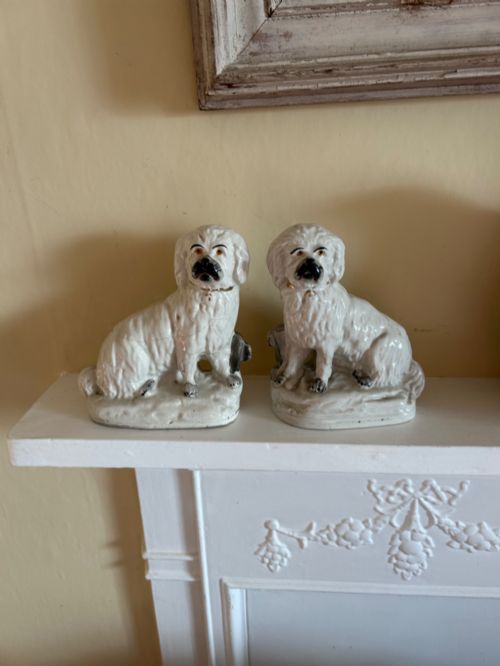
A painted animal figurine represents domestic pets, farm animals, and wild creatures captured in bronze, porcelain, earthenware, and terracotta. These pieces span from the nineteenth century into the early twentieth century, originating primarily from British, Austrian, and German workshops. Collectors encounter everything from miniature bronze dogs and birds to large Staffordshire pottery pairs and porcelain wildlife studies.
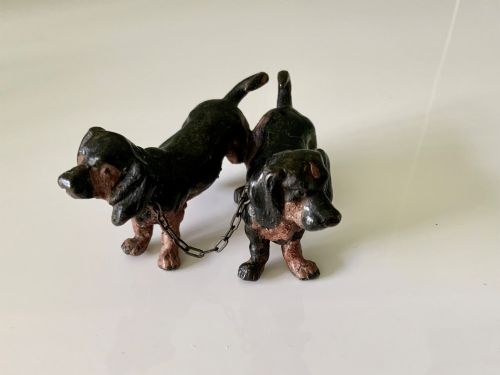
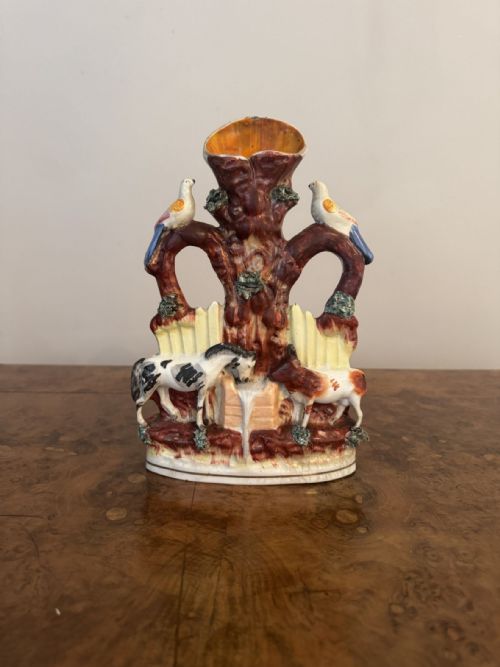
The most common variant on this page is the Austrian cold-painted bronze, often associated with Vienna foundries and makers such as Franz Bergman. These small sculptures depict dogs, horses, birds, and reptiles finished with hand-applied polychrome paint over metal. Alongside these bronzes, buyers frequently find ceramic figures including earthenware spaniels, pugs, and porcelain birds modelled during the Victorian and Edwardian eras.
How they were made
Bronze sculptures utilise the lost-wax casting method before receiving their surface colour. Artisans apply cold paint directly onto the metal substrate without subsequent kiln firing, which leaves the pigmented finish vulnerable to chipping over time. Terracotta and earthenware models undergo shaping in moulds or hand-modelling before receiving painted decoration or traditional glaze coats.
Porcelain figures involve sophisticated firing processes in kilns, often incorporating underglaze painting, enamels, and Sancai glazes. Workshops such as Meissen, Nymphenburg, and Derby shape their porcelain bodies to capture fine anatomical details of feathers and fur before applying high-temperature mineral colours.
Painted Animal Figurine Retail Price Guide 2026
Typical asking prices for painted animal figurine among the pieces listed under this phrase on Sellingantiques today, from the lower quarter to the upper quarter. They describe what is for sale here now, not the wider market.
Materials range from bronze and spelter to terracotta, earthenware, and Chinese porcelain decorated with traditional Sancai glazes.
What varies in quality
Substantial weight in bronze castings and the presence of proper foundry marks or artist signatures elevate an object's status. Porcelain and pottery examples depend upon the precision of the modelling and the stability of the glaze, where clean lines and balanced proportions separate standard decorative items from superior sculptural works.
Franz Bergman·Meissen·Nymphenburg·Derby
The Painted Animal Figurine Glossary
- Cold-painted bronze
- Metal sculpture decorated with oil or enamel paint applied after casting without firing. This technique produces vibrant polychrome surfaces on small Austrian animal figures.
- Staffordshire pottery
- Earthenware figures produced in the English potteries during the nineteenth century. These spaniels, zebras, and territorial animals were designed for mantelpieces.
- Bocage
- Applied porcelain foliage or flowering branches forming a background behind a figure. This technique appears frequently on eighteenth and nineteenth-century animal studies.
- Sancai glaze
- A three-colour ceramic glaze technique originating in China, using lead-fluxed bases to produce amber, green, and cream tones on earthenware and porcelain.
Painted Animal Figurine: Frequently Asked Questions
How do I clean a painted bronze?
Dust these bronzes gently with a soft, dry brush to protect the delicate cold-painted surface. Avoid liquid cleaners, water, or chemical solvents, which strip the original paint layers.
Display the pieces away from direct sunlight and excessive humidity to prevent the metal from expanding and the paint from flaking off over time.
Are Staffordshire dog pairs genuine?
Examine the base for potting marks, crazing in the glaze, and hand-painted touches that indicate nineteenth-century production. Genuine pairs often show slight asymmetries from hand-modelling.
Look at the weight of the ceramic and the depth of the vent holes underneath, which help distinguish period Staffordshire pottery from later souvenir reproductions.
What is Vienna bronze?
Vienna bronze refers to small, highly detailed metal sculptures produced in Austrian foundries during the late nineteenth and early twentieth centuries. These figures typically depict animals, humans, and orientalist scenes.
Artists cast these pieces in bronze or spelter before applying layers of cold paint by hand to capture realistic textures and colours.
How do I spot reproduction cold paint?
Original cold paint shows age-appropriate wear, micro-cracking, and a matte finish that has bonded securely with the metal beneath. Modern touch-ups often appear glossy and sit heavily on top of the bronze.
Inspect the recessed areas of the sculpture under magnification to check whether the underlying metal matches the expected period patina.