

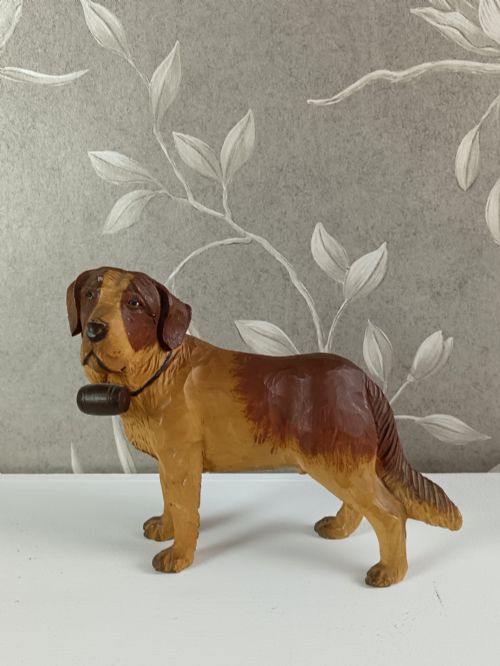


Painted Animal Figure
A painted animal figure brings character and colour to a room, ranging from folk carvings to Austrian foundry bronzes.
Painted Animal Figure
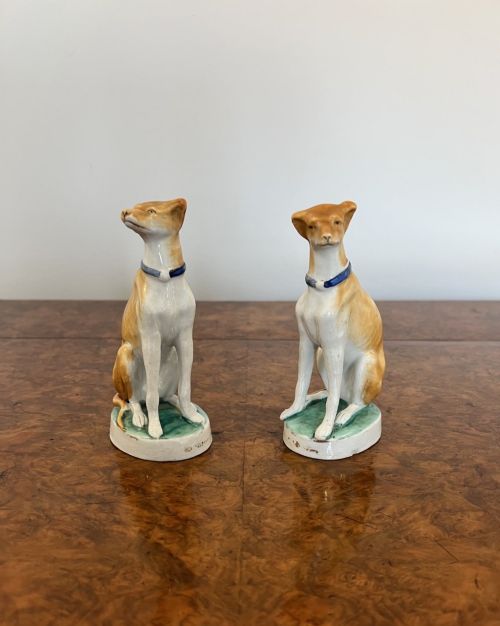
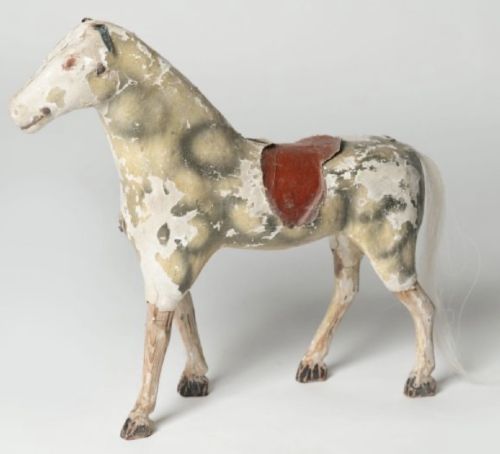
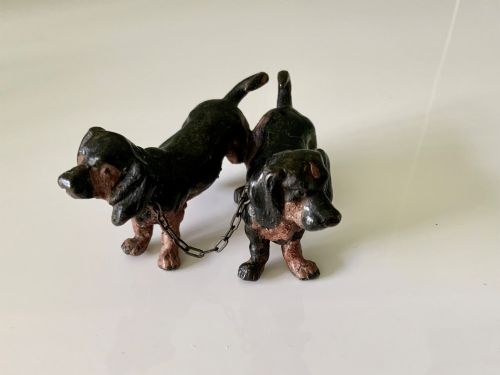
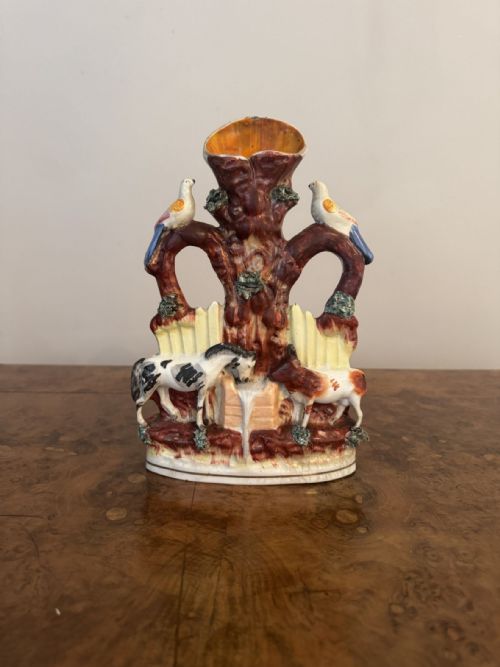
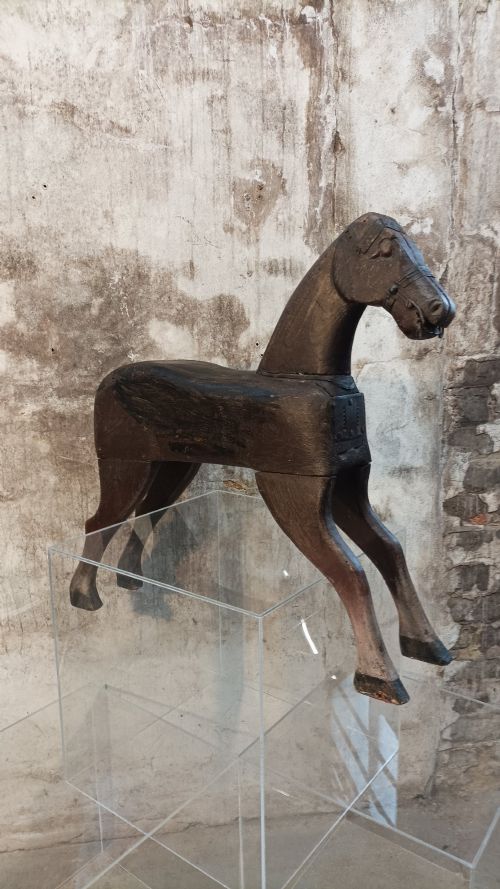
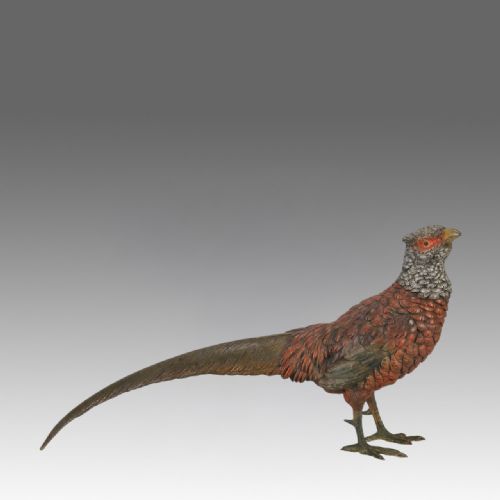
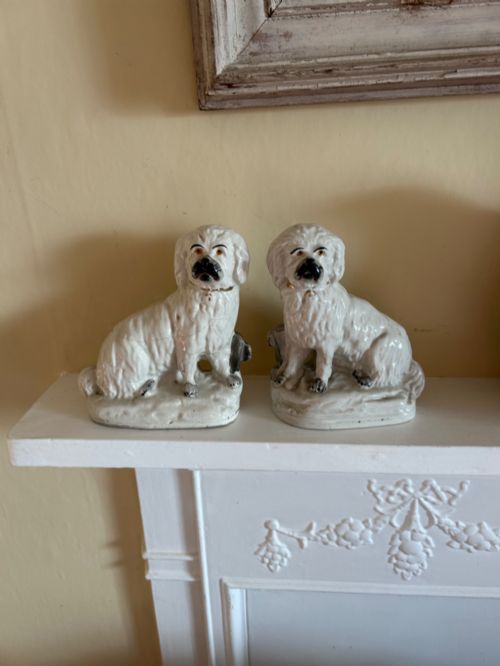
Buyers most frequently encounter Austrian cold-painted bronzes, Staffordshire pottery dogs and zebras, and naive wooden toys or carousel animals. These pieces reflect both industrial production and rural folk traditions.
The assortment includes cabinet-sized sculptures alongside larger display figures, originating from European workshops, British potteries, and Asian kilns.
Materials and construction
Foundry bronzes utilise the lost-wax casting method, subsequently finished with applied cold paint that sits on the metal surface rather than undergoing a high-temperature kiln firing.
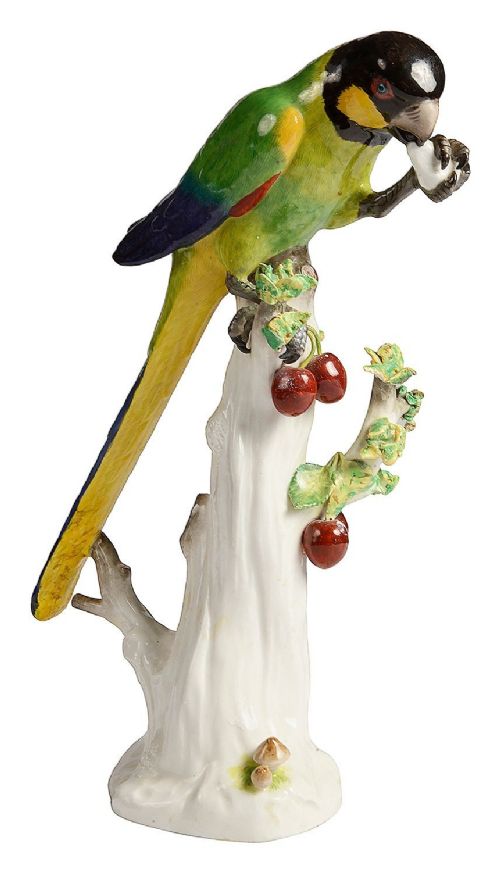
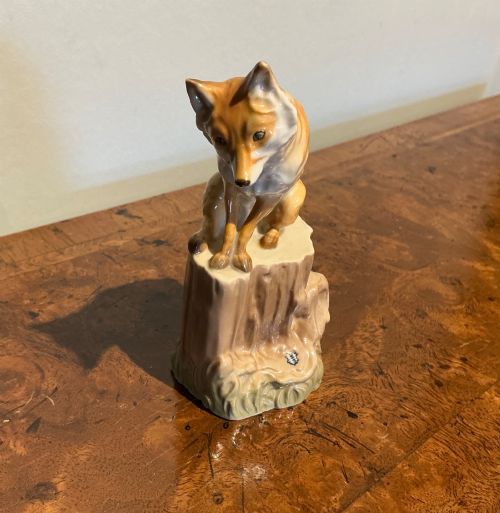
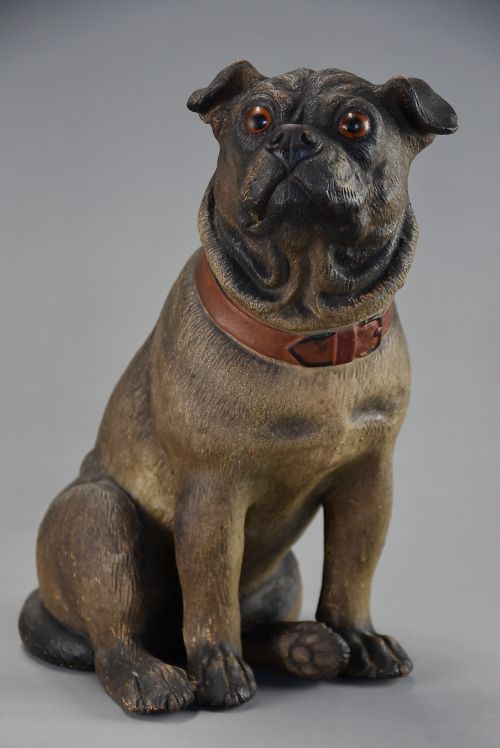
Ceramic pieces combine moulded earthenware, terracotta, or porcelain with hand-applied glazes, enamels, or surface pigments to delineate fur, feathers, and anatomical details.
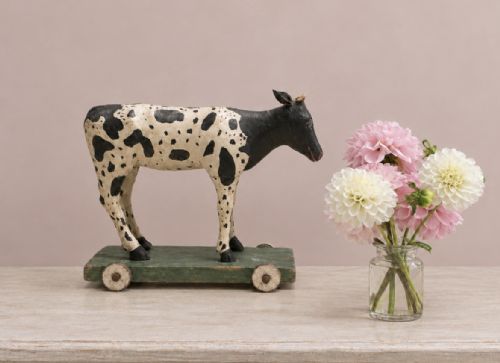
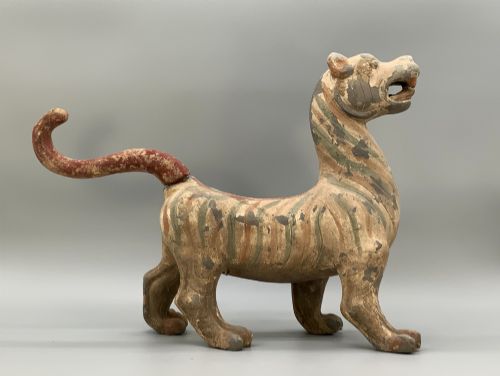
Wooden examples rely on carved or turned timber, sometimes mounted on wheeled trolley bases or constructed as articulated toys, finished with oil-based paint.
Painted Animal Figure Retail Price Guide 2026
Typical asking prices for painted animal figure among the pieces listed under this phrase on Sellingantiques today, from the lower quarter to the upper quarter. They describe what is for sale here now, not the wider market.
Objects span functional items like butcher shop displays and children's toys alongside cabinet bronzes and mantel sculptures.
Judging quality and execution
The refinement of the surface pigment application dictates the visual success of a piece, distinguishing expressive hand-painted detail from flat, mechanical coverage.
Anatomical proportion and the naturalism of the posture separate competent decorative items from masterworks of foundry or ceramic art.
The survival of original surface finishes without extensive overpainting preserves the historical integrity and visual power of the object.
Franz Bergman·Meissen·Nymphenburg·Derby
The Painted Animal Figure Glossary
- Cold-painted bronze
- A metal sculpture technique where paint is applied to a finished bronze casting without subsequent firing. This finish is delicate and prone to rubbing over time.
- Staffordshire pottery
- Earthenware figures produced in the Staffordshire potteries during the Victorian era. These display hand-painted details over moulded white clay bodies.
- Bocage
- An ornamental background of carved or modelled foliage found on eighteenth and nineteenth-century porcelain figures. It frames the central animal or human subject.
- Terracotta
- Fired unglazed clay possessing a porous, reddish-brown body. It serves as a base for painted surface decoration in figural sculpture.
- Sancai glaze
- A three-colour ceramic glaze technique originating in China, utilising lead-fluxed mineral washes of amber, green, and cream.
Painted Animal Figure: Frequently Asked Questions
How do I clean a painted animal figure?
Dust surfaces gently with a soft, dry brush to protect fragile pigment layers. Avoid water and chemical solvents, which lift historic oil paints and cold-painted bronze finishes.
Keep pieces away from direct sunlight and damp environments to prevent wood splitting, ceramic crazing, and paint flaking.
Are bronze animal figures solid metal?
Most figurative bronzes are cast hollow to save material and weight, using standard foundry techniques. Spelter alternatives or solid cabinet bronzes also occur.
Heavier examples often incorporate metal bases or internal support rods for stability.
How do I date a Staffordshire dog?
Examine the clay body, glaze depth, and underglaze painting style to determine nineteenth-century production. Early examples feature robust modelling and minimal vent holes.
Later Victorian versions display sharper moulding lines and brighter, more uniform enamel colours.
What is folk art sculpture?
Folk art comprises utilitarian or decorative objects carved by self-taught makers using local timber and available pigments. These pieces prioritise expressive form over academic accuracy.
Their rustic charm stems from visible tool marks and naive proportions.