



Padouk Wood Table
These padouk wood table examples bring dense tropical timber into domestic spaces through Anglo-Indian and Chinese carving traditions.
Padouk Wood Table
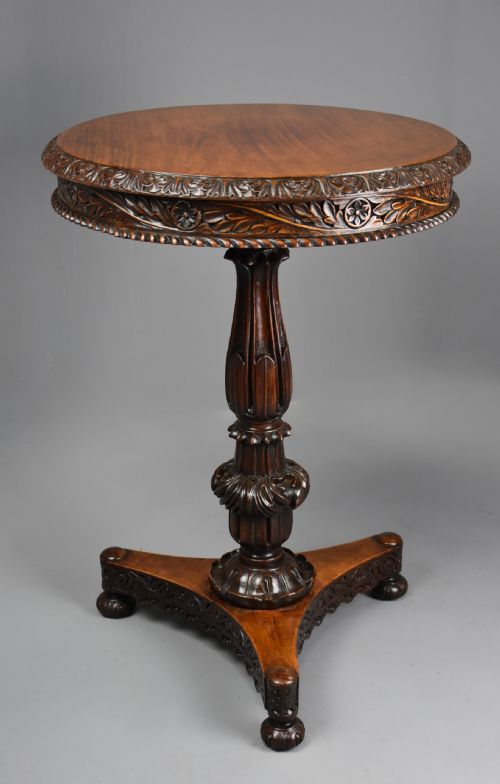
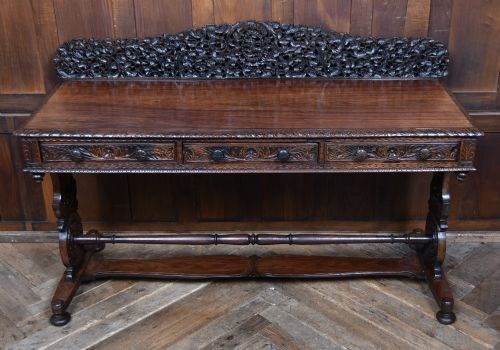
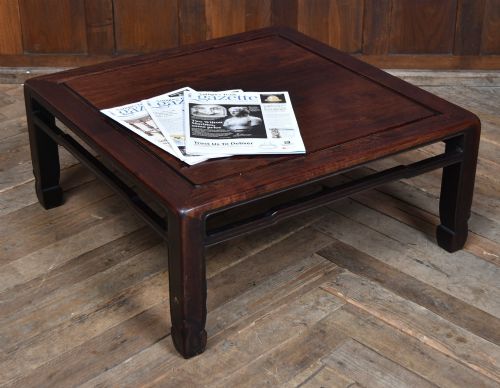
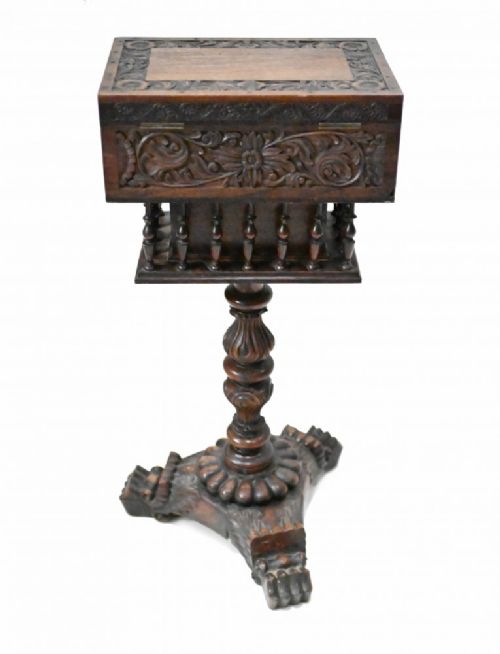
A padouk wood table combines dense tropical timber with regional carving traditions spanning Anglo-Indian workshops and Chinese export production. You will encounter side tables, plant stands, and occasional tables most frequently across this selection.
The dating centres primarily on the nineteenth century, taking in Victorian and Regency periods alongside late Qing Dynasty and Republic period examples. Forms range from tilt-top breakfast pieces and library desks to low coffee tables and console furniture.
Materials and Construction
Makers utilised padouk wood and allied hardwoods, often pairing the heavy timber with inset marble tops, brass mounts, or carved details. The dense nature of the material allowed for deep relief carving without compromising structural integrity.
Joinery methods supported complex silhouettes including circular tilt-tops, rectangular low tables, and substantial sideboards. Surface finishing relied on developing the natural patina of the hardwood through traditional polishing.
Padouk Wood Table Retail Price Guide 2026
Typical asking prices for padouk wood table among the pieces listed under this phrase on Sellingantiques today, from the lower quarter to the upper quarter. They describe what is for sale here now, not the wider market.
Listings span the 18th, 19th, and early 20th centuries, featuring materials such as padouk, marble, and brass across various forms.
Assessing Quality
The standard of carving dictates the visual success of the piece, distinguishing crisp, deep relief work from softer, shallower execution. Proportion and the integrity of the timber grain further separate standard examples from finer items.
Attribution to specific regional centres, such as the Bombay region for Anglo-Indian pieces, influences the interest level of a table. The condition of secondary materials like marble inserts or brass hardware also plays a role.
The Padouk Wood Table Glossary
- Padouk
- A heavy, durable tropical hardwood with a reddish-brown colour that darkens with exposure to light. It provides a robust foundation for intricate carving.
- Tilt-top table
- An occasional table featuring a mechanism that allows the surface to pivot to a vertical position when not in use. This clever design saved valuable floor space in nineteenth-century rooms.
- Anglo-Indian
- A style of furniture produced in India by local craftsmen using British forms adapted to native decorative techniques. These pieces combine heavy padouk timber with elaborate botanical carving.
- Patina
- The lustrous surface sheen developed over decades of handling, polishing, and natural ageing. A good patina enhances the depth of the hardwood grain.
Padouk Wood Table: Frequently Asked Questions
What is padouk wood?
Padouk is an exceptionally dense and heavy tropical hardwood known for its rich reddish-brown colour. It responds well to carving and ages to a deep, warm tone.
Craftsmen favoured it for furniture destined for colonial trade due to its durability and resistance to warping in humid climates.
Where were these tables made?
The pieces originate primarily from workshops in India, Burma, and China intended for export or colonial markets. Anglo-Indian examples often reflect regional specialties from areas like Bombay.
Chinese pieces align with Qing Dynasty and Republic period production standards, utilising local hardwoods and traditional joinery.
How do I care for padouk furniture?
Maintain the timber by dusting with a soft cloth and avoiding placement near direct heat sources or strong sunlight. Excessive dryness can affect dense tropical woods over time.
Apply a light application of appropriate furniture wax occasionally to preserve the surface patina without building up heavy residues.
How can I tell the period?
Dating relies on stylistic markers such as Regency curves, Victorian proportions, or Qing Dynasty aesthetic details. Construction methods and hardware types also offer clues to the decade of manufacture.
Comparing the carving depth and timber finishing helps distinguish mid-nineteenth-century work from later productions.