


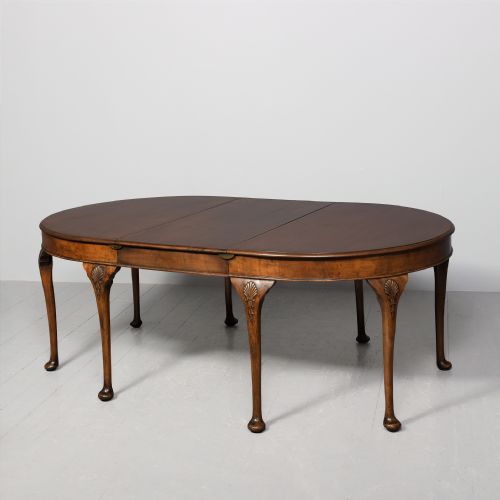


Pad Foot Oval Table
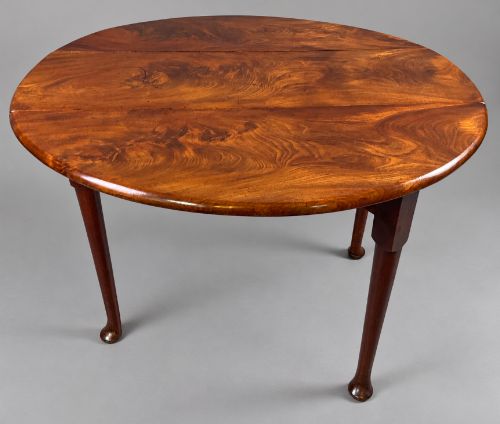
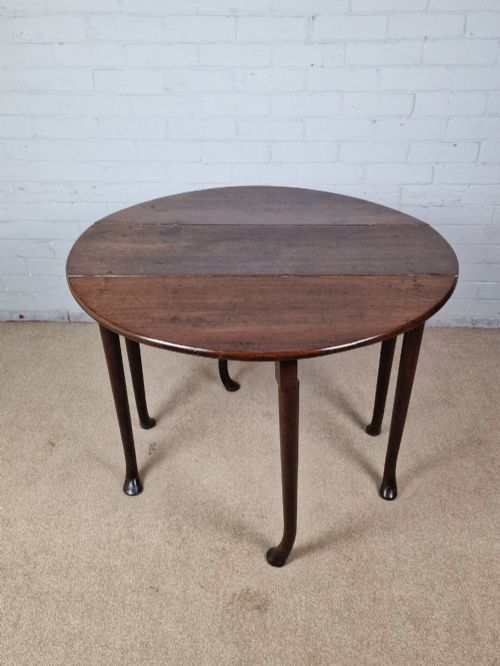
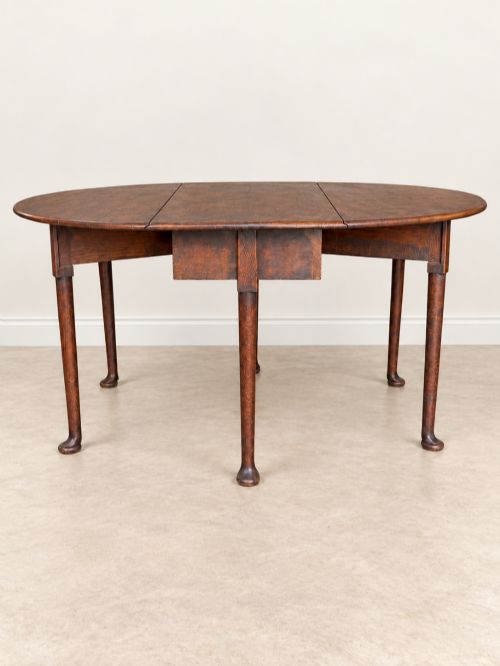
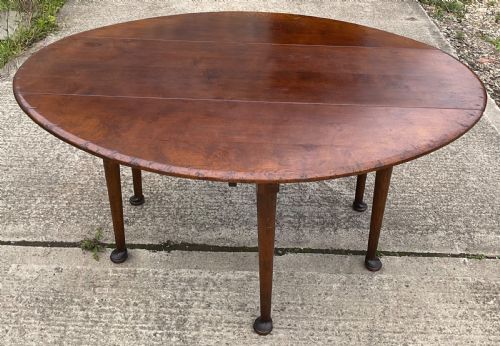
A pad foot oval table offers generous drop-leaf dining space with slender cabriole legs terminating in distinct pads.
Pad Foot Oval Table
A pad foot oval table typically takes the form of a drop-leaf dining table originating primarily from the Georgian period and the eighteenth century, alongside later revival styles from the nineteenth and twentieth centuries.
These pieces function mainly as dining tables or occasional tables, featuring drop leaves supported by swinging legs that allow the surface to expand or contract according to domestic needs.
The materials span mahogany, Cuban mahogany, solid oak, walnut, and rosewood, whilst forms range from large scale dining pieces down to smaller drop-leaf examples and stools.
Materials and construction
Makers utilised dense timbers such as mahogany, Cuban mahogany, walnut, oak, and rosewood to construct the leaves and frames, sometimes incorporating brass and iron hardware.
Cabinetmakers shaped the characteristic pad feet at the base of cabriole legs, while drop-leaf mechanisms relied on hinged leaves supported by pivoting gate legs or swinging frames.
Pad Foot Oval Table Retail Price Guide 2026
Typical asking prices for pad foot oval table among the pieces listed under this phrase on Sellingantiques today, from the lower quarter to the upper quarter. They describe what is for sale here now, not the wider market.
Some tables manage to look surprisingly light on their feet despite weighing enough to test two strong removal men.
Distinctions in quality
Quality rests in the selection of timber, particularly where figured Cuban mahogany or rich walnut displays depth of grain and warm natural colour across the expansive oval top.
The execution of the carved or formed pad feet and the precise fit of the drop leaves when open determine the overall architectural success and structural integrity of the piece.
The Pad Foot Oval Table Glossary
- Pad foot
- A simple foot where the leg descends to a rounded, padded pad resting directly on the floor. It appears frequently on eighteenth-century cabriole legs.
- Drop-leaf table
- A table with a fixed central section and hinged flaps that fold down at the sides. Supporting legs swing outward to hold the leaves when raised.
- Gateleg table
- A table featuring hinged legs that swing out like a gate to support drop leaves. This construction provides robust support for large dining surfaces.
- Cabriole leg
- A furniture leg that curves outward in a convex arc and tapers inward in a concave arc to a pad or claw foot. It defines much Georgian seating and table design.
Pad Foot Oval Table: Frequently Asked Questions
How do I use a pad foot oval table in a modern dining room?
These drop-leaf tables allow you to fold down the sides for compact placement against a wall when not in use. Simply raise both leaves and swing out the supporting legs to create an oval surface for larger gatherings.
The warm tones of mahogany or oak mix readily with contemporary seating. Their versatile footprint makes them practical for everyday dining without dominating the room.
What is the difference between Georgian and revival tables?
Authentic Georgian pieces date from the eighteenth century and show period timber patination and traditional joinery methods. Revival pieces, built during the Victorian era or the early twentieth century, imitate these earlier George II styles.
Examining the construction of the underside and the wear on the wood helps distinguish original eighteenth-century tables from later reproductions. Both share the characteristic pad foot and oval drop-leaf configuration.
Are these tables sturdy enough for daily family meals?
The gateleg and drop-leaf mechanisms provide stable support when fully extended. Solid timber construction in mahogany, oak, or walnut ensures structural resilience for regular use.
Care should be taken when raising and lowering the heavy leaves, ensuring the swinging legs are locked securely into position. Placing heat mats on the polished surface protects the wood from daily wear.
How can I tell a pad foot from other foot styles?
A pad foot presents a smooth, rounded disk or pad at the base of the leg without claws or carved scrolls. It sits flat on the floor and terminates cabriole legs on many eighteenth-century tables.
This restrained foot design contrasts with more ornate ball-and-claw or bracket feet found on different furniture styles. It provides a clean, understated finish to the table base.