
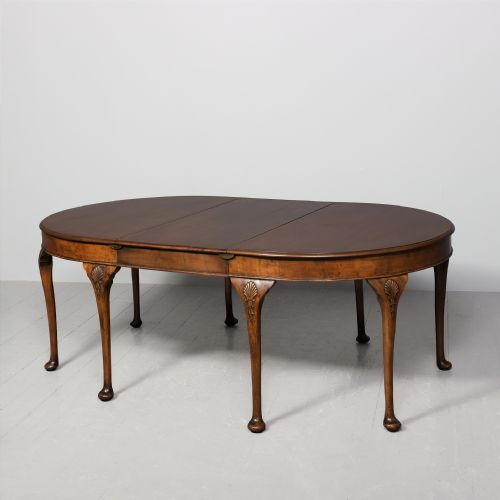


Pad Foot Drop Table
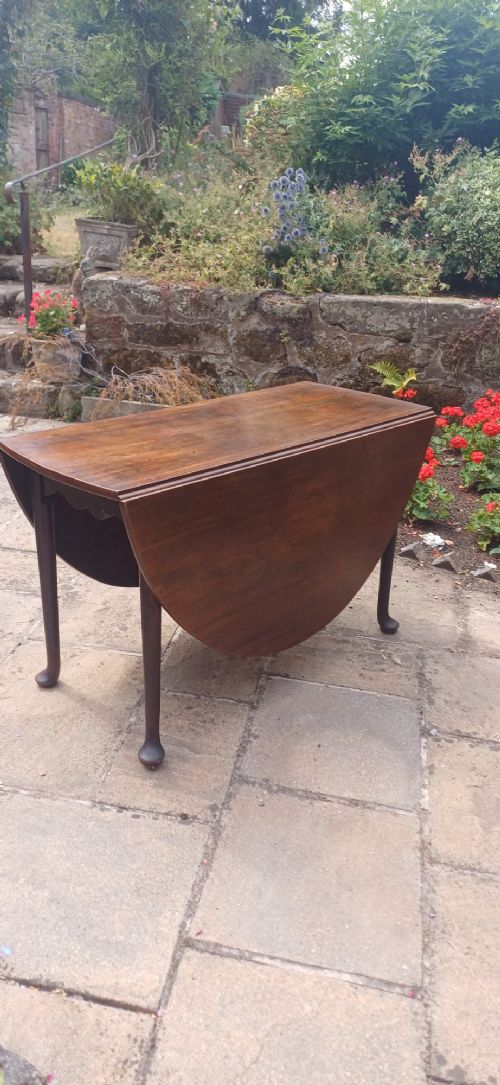
A pad foot drop table is a functional antique surface designed with hinged leaves and distinct rounded feet, offering adaptable space for dining or tea.
Pad Foot Drop Table
A pad foot drop table provides a sturdy timber surface with hinged flaps that fold down when floor space is at a premium. Buyers look for these pieces to combine domestic utility with the rich patination of earlier centuries.
The selections available range from compact occasional variants to large dining formats. Most examples encountered here date from the eighteenth century, aligned with Georgian, George II, and George III periods.
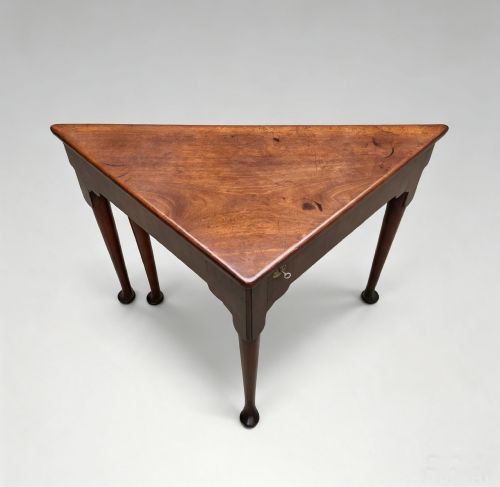
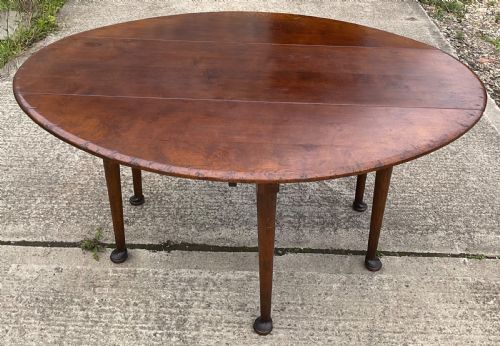
Makers historically constructed these tables in formats including oval dining tables, tea tables, and smaller side tables. Mahogany, Cuban mahogany, red walnut, and oak form the primary structural timbers.
How they were made
Cabinetmakers utilised dense hardwoods such as mahogany, Cuban mahogany, red walnut, and solid oak for the framework and flaps. Timber selection dictated the weight and grain movement of each table.
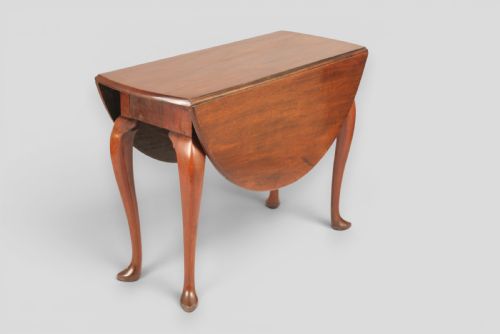
Constructed with hinged drop leaves supported by swing legs or gateleg mechanisms, the frames rely on traditional joinery. The base of each leg terminates in a pad foot, sometimes accompanied by carved cabriole shaping.
Listings feature eighteenth-century pieces alongside later Victorian and twentieth-century revivals.
What varies in quality
Quality rests in the choice of timber and the depth of the natural colour built up over generations. Dense Cuban mahogany displays rich figuring that separates superior examples from plainer stock.
Proportion and scale dictate the desirability of a table. Refined turning on the legs and crisp carving on the pad feet distinguish workshop standards.
The Pad Foot Drop Table Glossary
- Pad foot
- A simple, rounded foot resting flat on the floor at the base of a cabriole or straight leg. This foot type appears frequently on eighteenth-century tables.
- Drop leaf
- A hinged table leaf that lowers when not in use to save space. These flaps allow a surface to expand significantly for meals.
- Gateleg table
- A table with legs hinged to swing outward like a gate to support the drop leaves. This mechanism provides sturdy support under extended flaps.
- Cabriole leg
- A furniture leg that curves outward and then tapers inward mimicking animal limbs. It frequently terminates in a pad foot.
- Cuban mahogany
- A dense, dark timber imported from the West Indies during the eighteenth century. Cabinetmakers prized it for its deep colour and fine grain.
Pad Foot Drop Table: Frequently Asked Questions
How do I use a pad foot drop table today?
These tables adapt easily to modern rooms by folding down against a wall as a side table. Raising both leaves creates a full surface for dining or working.
Positioning the table away from direct heat sources protects the antique timber and preserves the movement of the hinges.
What timber was used most often?
Mahogany and oak dominate the surviving examples from the Georgian era. Cuban mahogany appears in heavier, finely figured dining formats.
Walnut and red walnut also feature among earlier eighteenth-century pieces, offering distinct grain patterns and warm tones.
How can I tell the period?
Leg profiles, timber species, and construction methods offer clues to the age of a table. Cabriole legs with pad feet point toward the early and mid-eighteenth century.
Later Victorian and twentieth-century revivals often imitate these earlier Georgian styles using machine-cut timber and standardised joints.
Are these tables suitable for small rooms?
The drop leaf mechanism makes these tables practical for restricted spaces. Lowering one or both flaps reduces the footprint substantially.
Occasional and small side formats fit neatly into hallways or corners while retaining functional surface area.