

Overmantel Glass
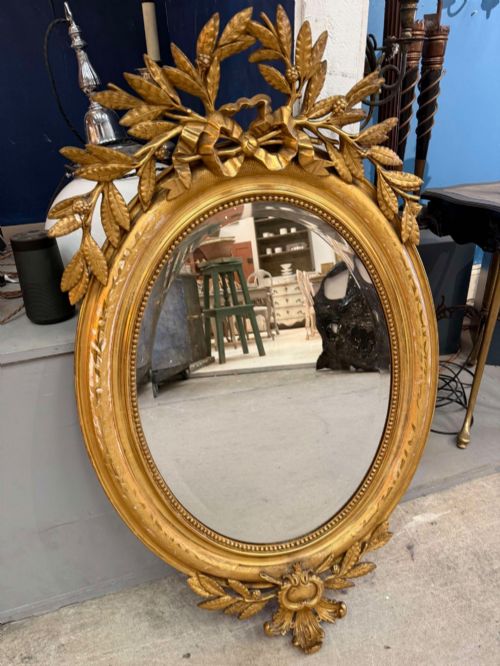
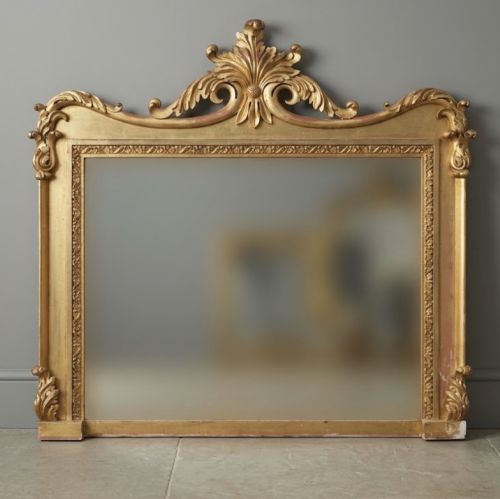
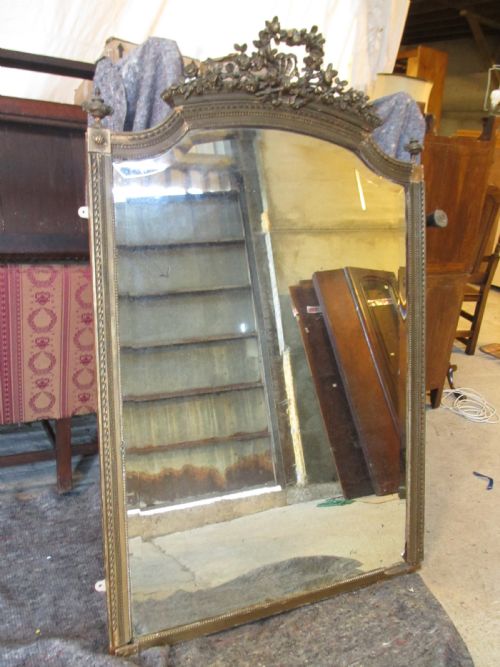
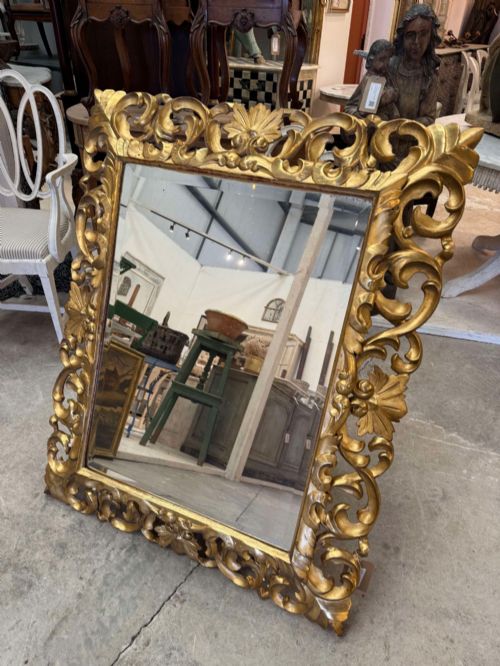
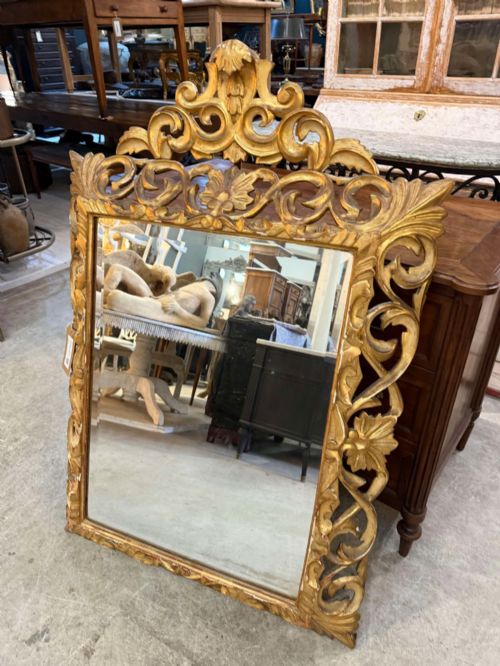
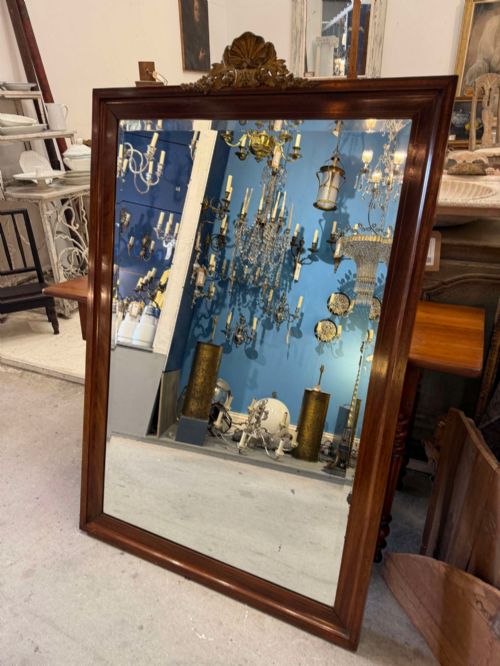
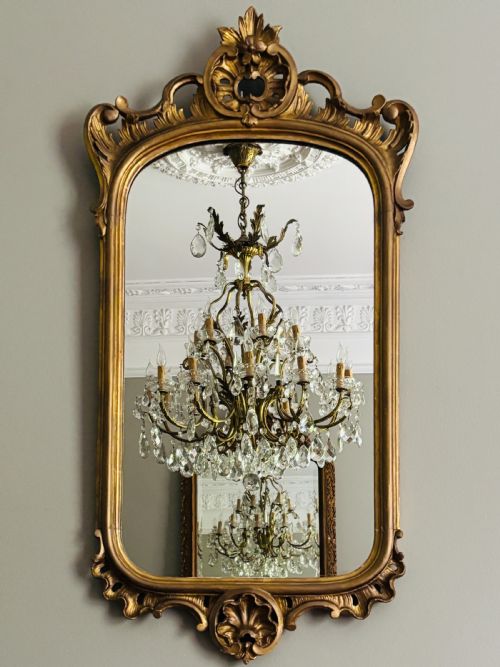
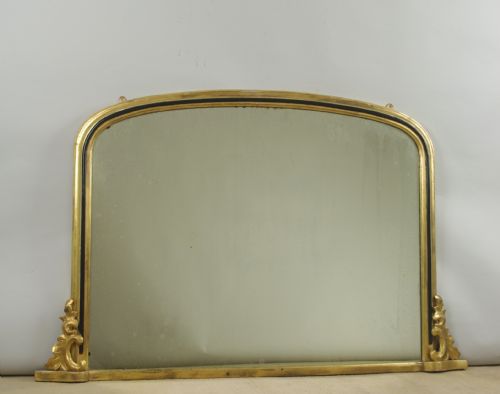
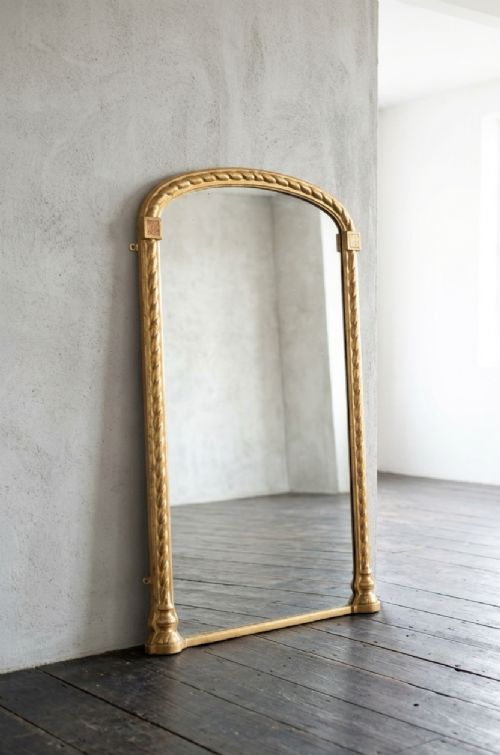
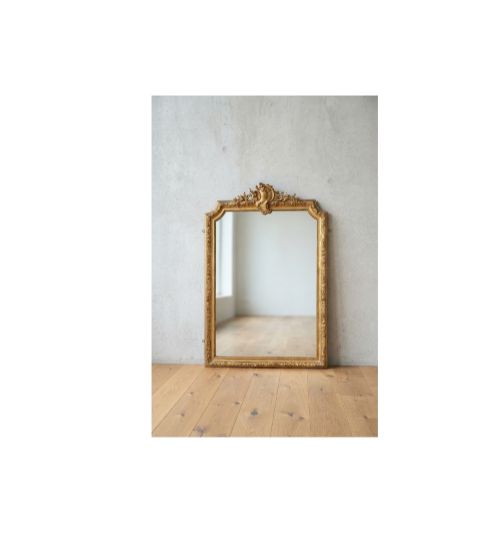
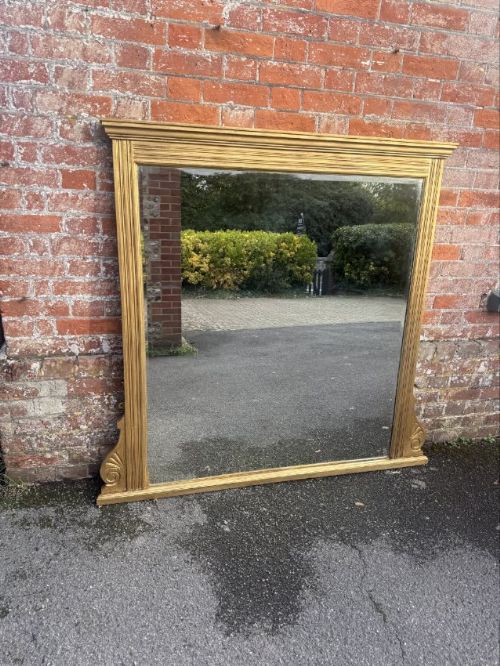
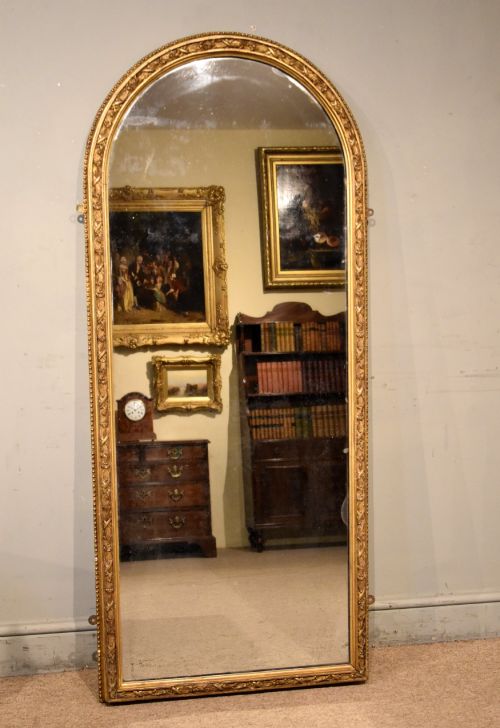
An overmantel glass brings scale and light to a room, sitting naturally above a fireplace as these nineteenth century giltwood and carved timber mirrors have done for generations.
Overmantel Glass
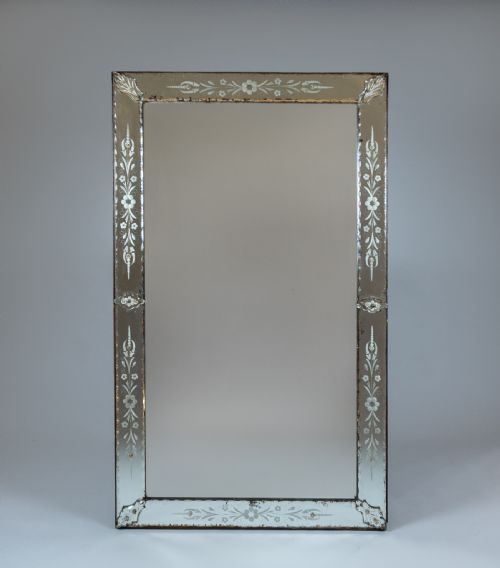
When you search for an overmantel glass, you are looking at large wall mirrors designed specifically to be hung above mantelpieces or used as architectural leaner mirrors. The pieces meeting you on this page span the eighteenth, nineteenth, and early twentieth centuries, drawing heavily on French and English aesthetic traditions.
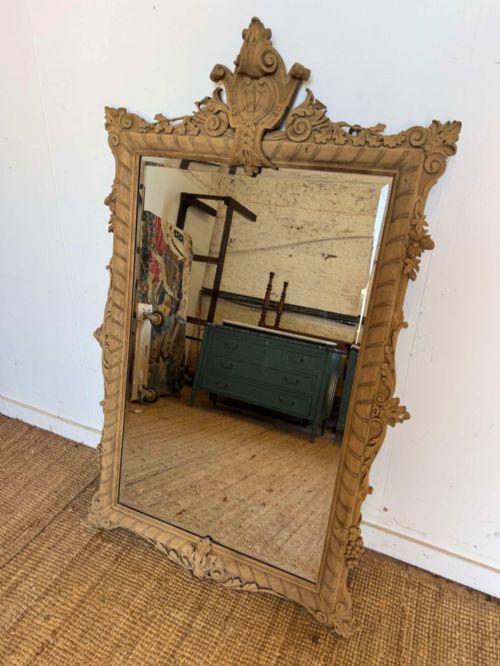
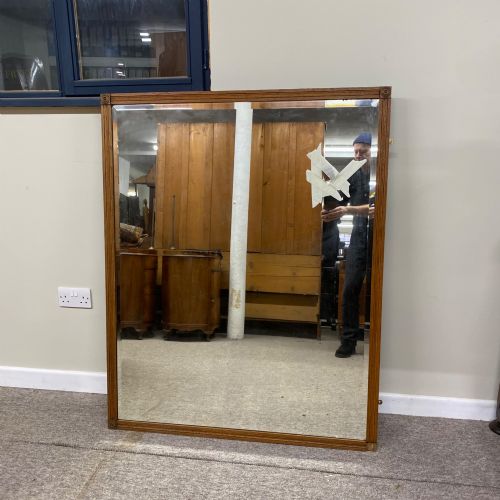
You will encounter forms ranging from rectilinear Louis Philippe plates to arched and rope-twist gesso frames, alongside robust carved oak and mahogany wall mirrors. These items function equally well as grand salon fixtures or focal points in domestic interiors, reflecting light deep into the floor space.
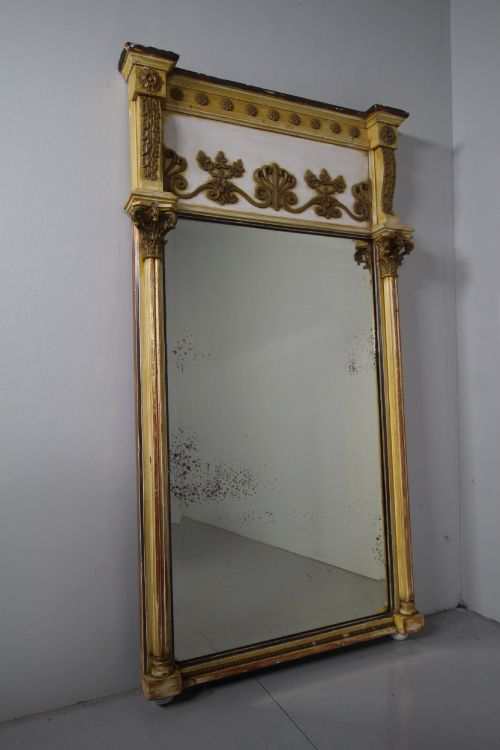
The selection encompasses distinct regional styles, from neoclassical George III pier mirrors to ornate Napoleon III gilt creations and country house proportions. Each piece carries the structural hallmarks of its period, whether built for a formal English interior or a Parisian apartment.
Materials and Construction
Frames are constructed primarily from solid timber such as oak, mahogany, or pine, which serves as the foundational core for intricate ornamentation. Artisans applied layers of gesso to these wooden carcases to build up high-relief decorative motifs before gilding.
Overmantel Glass Retail Price Guide 2026
Typical asking prices for overmantel glass among the pieces listed under this phrase on Sellingantiques today, from the lower quarter to the upper quarter. They describe what is for sale here now, not the wider market.
Listings feature nineteenth century pieces predominantly, alongside eighteenth century and early twentieth century examples framed in oak, mahogany, and giltwood.
Assessing Craftsmanship and Condition
Quality rests in the crispness of the carved wood and gesso ornament, where hand-tooled details outshine mass-pressed composition. The depth and integrity of the original gilding dictate whether a frame retains its warmth or has suffered heavy over-painting.
The character of the mirror plate itself establishes desirability, with original mercury glass showing organic foxing and clouding that modern replacements lack. Structural joinery at the frame corners and the survival of backboards further separate standard utility pieces from exceptional decorative works.
Arsène Rochette·Waring & Gillow
The Overmantel Glass Glossary
- Gesso
- A plaster mixture applied to wooden frame bases as a smooth ground for gilding or painting. It allows carvers to achieve sharp, detailed relief work.
- Mercury glass
- A type of silvered glass produced by pouring a mercury and tin amalgam between double-walled glass or onto flat plates. It creates a characteristic dark, mottled reflection.
- Trumeau
- An architectural wall mirror paired with an oil painting or panel above the glass. These French decorative panels were designed to integrate directly into wall panelling.
- Pier mirror
- A tall mirror specifically proportioned to hang on the wall space between two windows. They reflect additional daylight into the room.
- Foxing
- The natural oxidation and speckling of a mirror plate over time. This chemical ageing creates dark spots within the reflective coating.
Overmantel Glass: Frequently Asked Questions
Where should an overmantel glass be hung?
These mirrors are traditionally positioned centrally above a fireplace mantelpiece to anchor the room's proportions and reflect hearth light. They also function effectively as floor-standing leaner mirrors in hallways and bedrooms.
Ensure the wall fixings match the substantial weight of the timber and gesso frames. Professional wall anchors suited to brick or lath-and-plaster construction provide the necessary security.
What is mercury glass?
Mercury glass refers to antique mirror plates produced using a liquid amalgam of mercury and tin applied to the rear of the glass. This process creates a deep, warm reflection distinct from modern chemical silvering.
Over decades, moisture seeps behind the glass to cause organic foxing and dark spots. This patination is considered a hallmark of authenticity among collectors.
How do I identify a Louis Philippe mirror?
Louis Philippe mirrors typically feature a simple rectangular format with rounded upper corners and a subtle inverted curve at the top frame edge. The framing is often understated, relying on restrained gilding or bare gesso.
Originating in nineteenth-century France, these pieces balance decorative elegance with a clean silhouette that suits both period and contemporary rooms.
How do I care for antique giltwood?
Dust giltwood frames gently using a soft, dry brush to protect the delicate gold leaf and gesso layers from abrasion. Avoid all liquid cleaners, commercial polishes, and damp cloths, which strip or soften the historic finish.
Keep the mirrors away from direct, intense sunlight and damp environments to prevent the wood from warping and the gesso from cracking.