

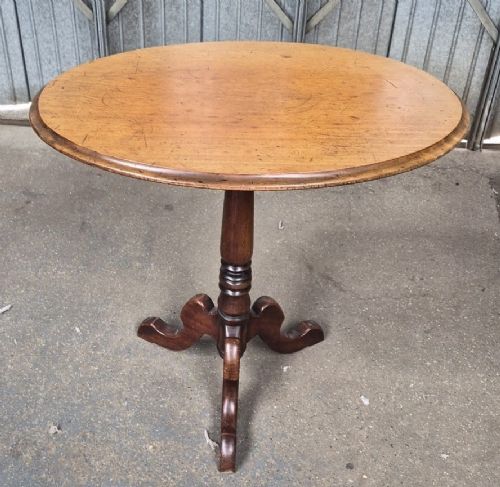
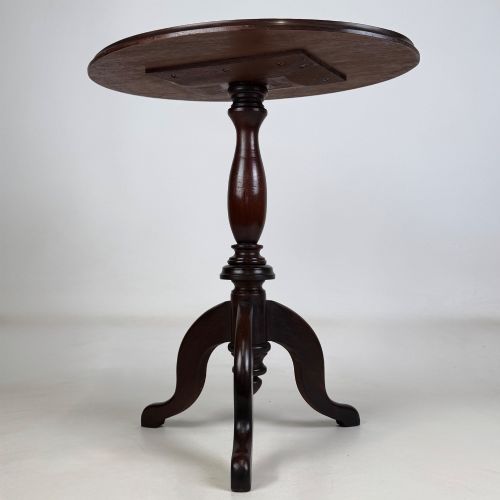

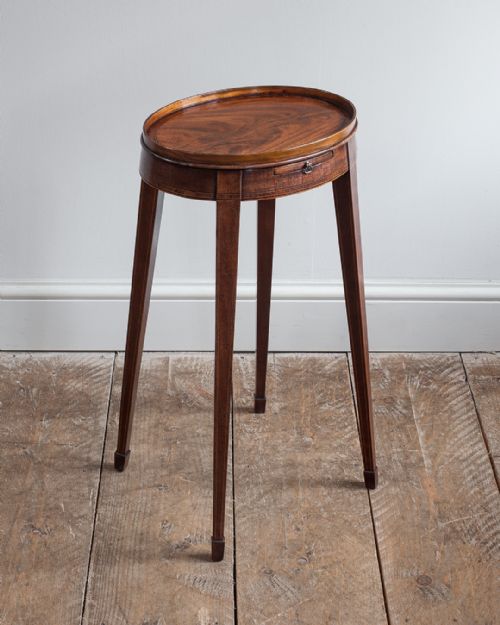


Oval Wooden Lamp Stand
These oval wooden lamp stand pieces combine practical illumination surfaces with period charm, spanning centuries of cabinet-making traditions.
Oval Wooden Lamp Stand
An oval wooden lamp stand functions primarily as a compact surface for lighting and display, drawing from forms such as occasional tables, side tables, and urn stands. Buyers searching for an oval wooden lamp stand will encounter diverse historical iterations ranging from Georgian elegance to Edwardian utility.
The inventory demonstrates a strong representation of Edwardian and Georgian designs alongside Victorian and Art Deco examples. These tables adapt easily beside seating or in corners where a curved silhouette softens a room's geometry.
How they were made
Cabinet-makers constructed these stands using solid timbers and decorative veneers including mahogany, oak, rosewood, and satin walnut. Structural integrity relied on traditional joinery methods, while visual interest was often achieved through wood inlay, marquetry, and painted timber details.
Support structures vary from barley twist legs to delicate tapering supports, occasionally incorporating brass hardware or tiered shelving. Surfaces receive hand-finished polishes that highlight the natural grain patterns of the wood.
Oval Wooden Lamp Stand Retail Price Guide 2026
Typical asking prices for oval wooden lamp stand among the pieces listed under this phrase on Sellingantiques today, from the lower quarter to the upper quarter. They describe what is for sale here now, not the wider market.
Some versatile specimens began life as wine tables or urn stands before finding a happy retirement holding reading lamps.
What varies in quality
The distinction between standard production and superior craftsmanship rests in the selection of timber veneers and the precision of inlay work. Pieces featuring complex marquetry, burr walnut, or amboyna indicate a higher tier of workshop output.
Proportion and stability also dictate worth, where well-balanced frames and tight, seamless joints separate utilitarian items from finer decorative examples.
The Oval Wooden Lamp Stand Glossary
- Occasional table
- A small, movable table designed for a specific, non-permanent function in a room. These versatile items appear frequently in various historical styles.
- Marquetry
- Decorative veneer applied to furniture in patterns using different woods, metals, or other materials. This technique creates intricate pictorial or geometric designs on tabletops.
- Urn stand
- A tall, slender piece originally intended to support a tea urn, now repurposed for lamps. Their elevated, compact form suits smaller display areas.
- Barley twist
- A carved wooden furniture leg resembling a twisted rope. This turned decorative detail is common in Edwardian and earlier British pieces.
- Veneer
- A thin slice of figured wood applied over a secondary timber base. High-grade veneers provide decorative richness while ensuring structural stability.
Oval Wooden Lamp Stand: Frequently Asked Questions
How do I use an oval wooden lamp stand?
These stands provide an ideal surface for table lamps, reading lights, or decorative items in living spaces and hallways. Their compact oval footprint allows them to fit snugly into corners or beside armchairs without obstructing walkways.
They also function effectively as small display ledges for ceramics or framed photographs. The addition of lower tiers on certain models offers extra storage for books or small accessories.
How do I date an oval wooden lamp stand?
Dating relies heavily on identifying stylistic markers, timber choices, and construction methods characteristic of specific eras like the Georgian or Edwardian periods. For instance, satin walnut inlay and lighter frames often point toward the early twentieth century.
Heavier mahogany constructions with simpler turning frequently signal earlier Victorian or Georgian origins. Examining the underside and joinery yields further clues about the age of the piece.
Are these stands sturdy enough for heavy lamps?
Most historical tables are remarkably stable, though their load capacity depends on the leg design and overall construction weight. Stands with wider tripod bases or four-legged frames offer robust support for standard table lamps.
Tall or top-heavy lighting fixtures require careful placement on tables with balanced proportions. Checking the tightness of the joints ensures the stand remains secure during daily use.
How do I care for antique wood surfaces?
Routine maintenance involves dusting with a soft, dry cloth to prevent particulate buildup on the polished timber. Avoid placing these stands in direct sunlight or near heat sources to protect the wood and veneer from drying out.
Occasional application of appropriate furniture wax helps nourish the finish and maintain the natural lustre of the grain. Water spills should be wiped away promptly to prevent staining the antique polish.