

Oval Wood Mirrors
Oval wood mirrors span Georgian, Victorian, and Edwardian periods, bringing warmth and reflective depth to traditional interiors.
Oval Wood Mirrors
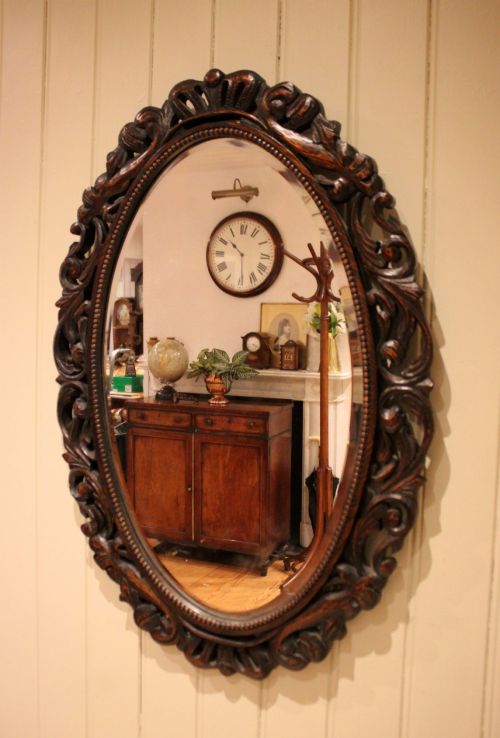
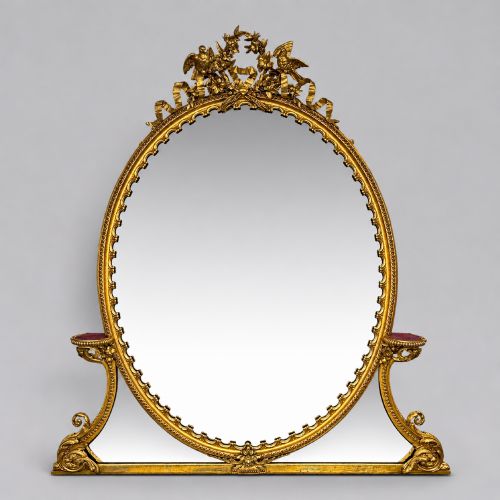
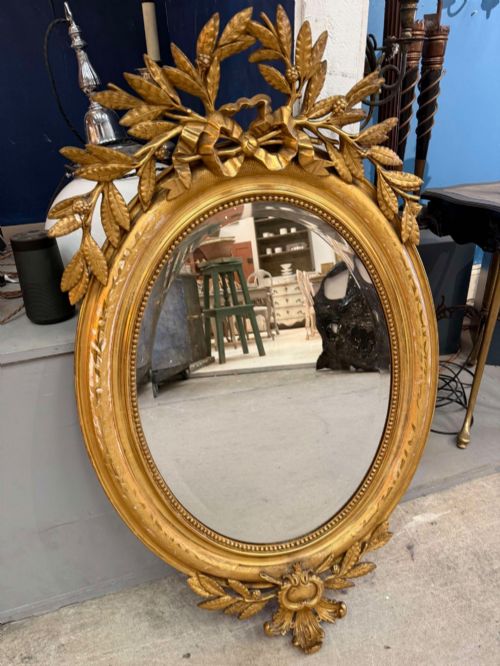
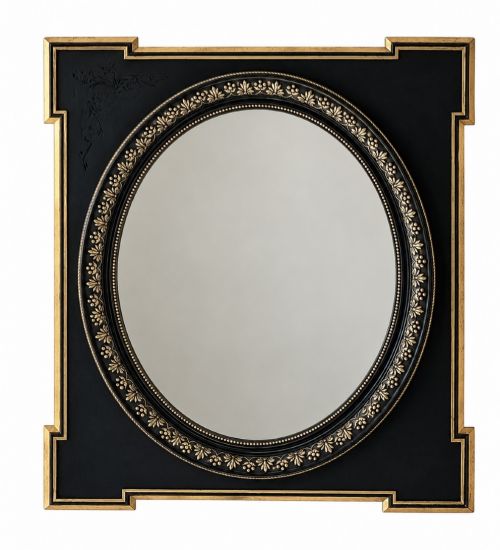
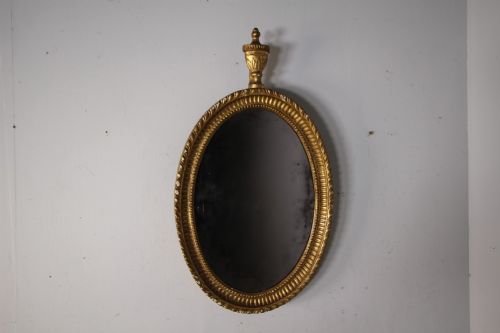
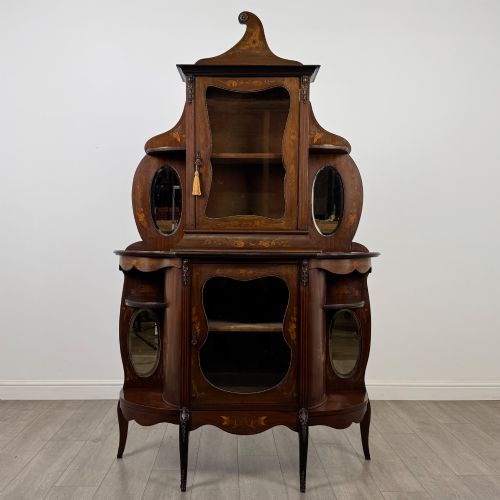
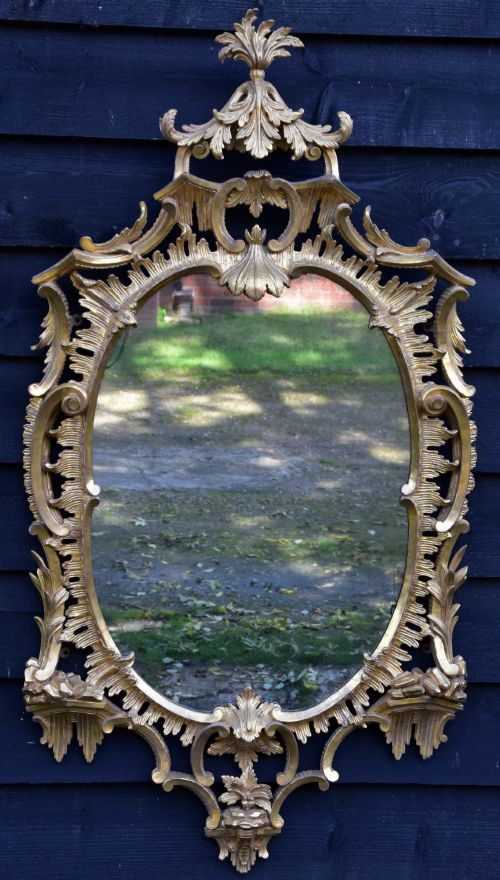
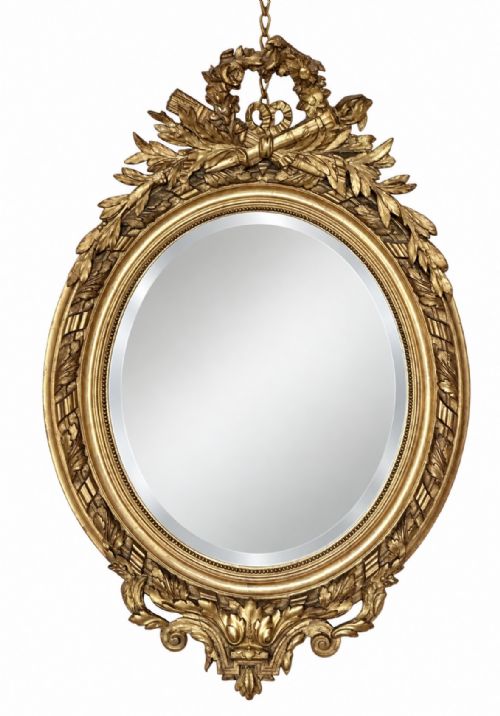
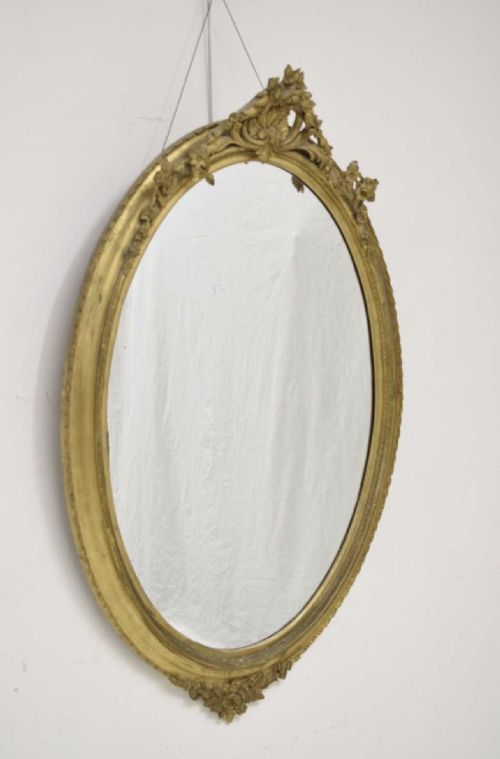
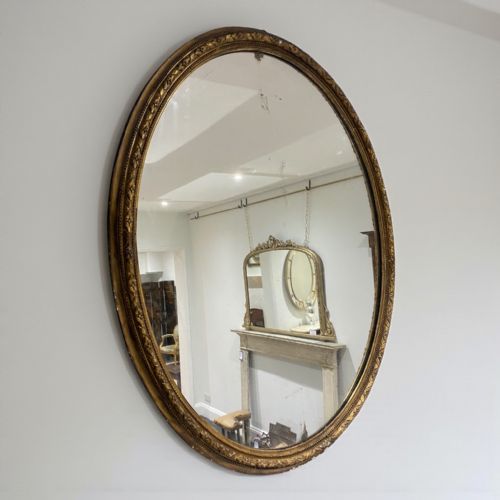
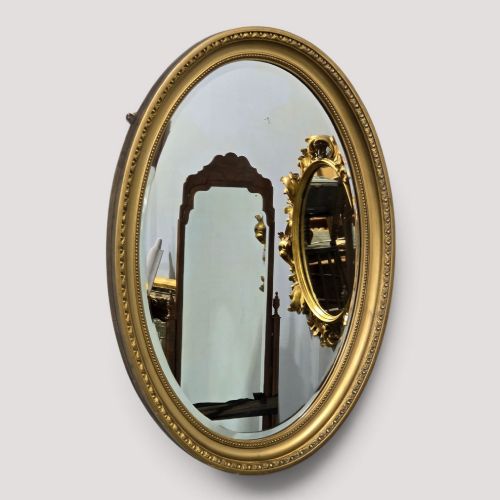
Oval wood mirrors appear primarily as wall mirrors and dressing table mirrors across Georgian, 19th Century, and Victorian periods. Buyers encounter mahogany and oak frames alongside giltwood and gesso pieces designed for hanging or placement on tables.
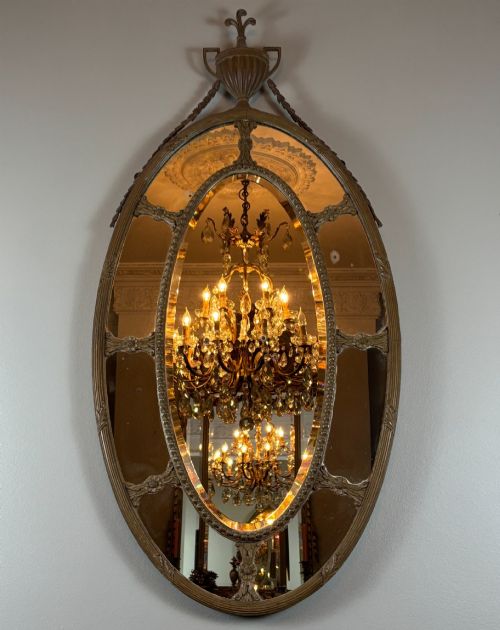
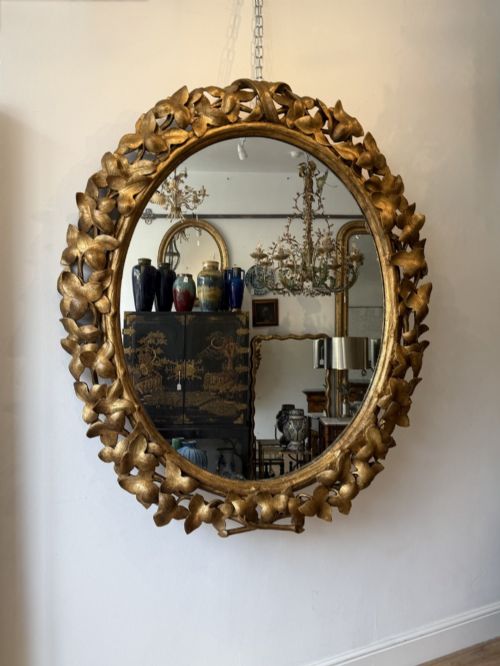
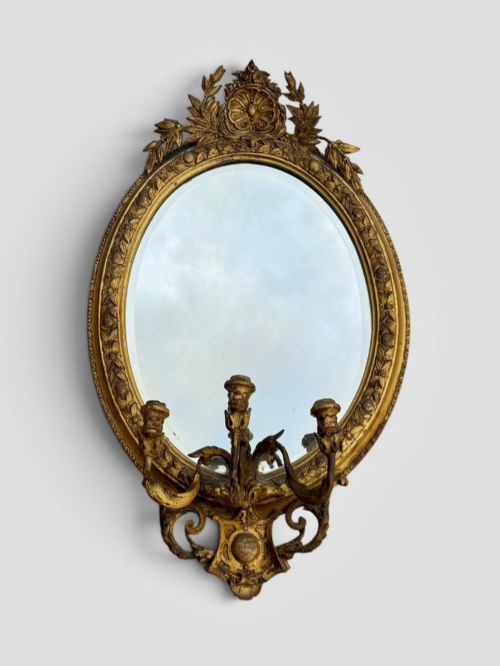
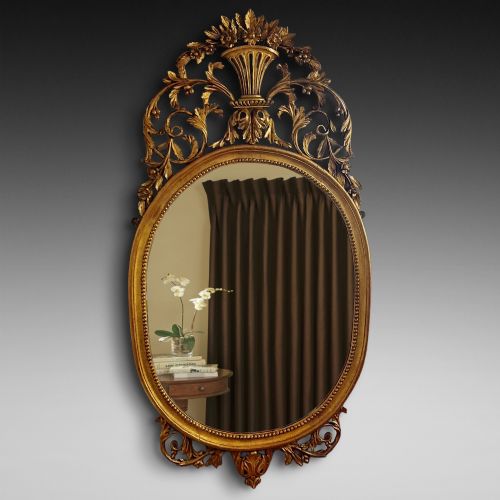
The selection includes country house mahogany frames, George III wall mirrors, and Edwardian examples. Forms range from simple wooden borders to elaborate rococo revival and french chateau styles featuring carved leaf and vine motifs.
How they were made
Craftsmen shaped frames from solid timbers such as mahogany, oak, and walnut, frequently applying gesso to carved wood before gilding with gold leaf. Joinery techniques and hand-carving define the construction of eighteenth and nineteenth-century examples.
Makers integrated glass plates within wooden or giltwood structures, occasionally incorporating brass details or display brackets. Lime wood and simulated wood finishes also appear among the documented production methods.
Oval Wood Mirrors Retail Price Guide 2026
Typical asking prices for oval wood mirrors among the pieces listed under this phrase on Sellingantiques today, from the lower quarter to the upper quarter. They describe what is for sale here now, not the wider market.
Listings feature mahogany, oak, and walnut timbers alongside giltwood and gesso surfaces spanning the Georgian to Edwardian eras.
What varies in quality
Quality rests on the crispness of the hand-carving in the wood or gesso, particularly around swags, urns, and vine leaves. Superior examples display depth and precision in the modelled ornament rather than soft or flat surface detail.
The integrity of the timber, the preservation of the original gilt or wood finish, and the depth of the glass plate distinguish finer pieces. Construction methods and timber selection dictate the durability and visual balance of the frame.
The Oval Wood Mirrors Glossary
- Giltwood
- Wood carved and coated with gold leaf or metallic powder. This finish appears frequently on Georgian and Victorian wall mirrors.
- Gesso
- A plaster-like mixture applied to wood frames to create a smooth surface for carving or gilding. It allows intricate relief ornamentation on mirror borders.
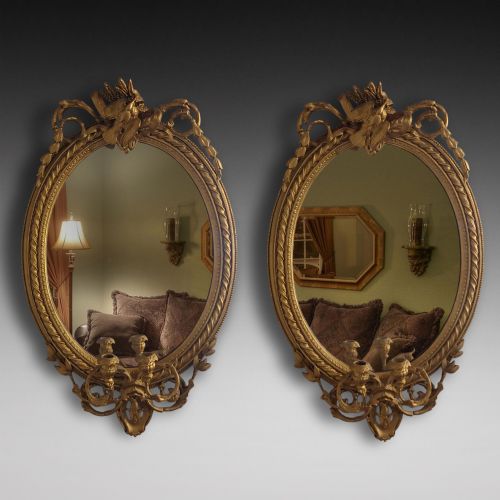
- Girandole
- A decorative wall mirror featuring attached candle sconces. These fixtures reflect candlelight across the room.
- Crossbanded
- A method of veneering where strips of wood run perpendicular to the grain of the main surface. It frames panels on mahogany dressing mirrors and furniture.
- Border Glass
- Mirror glass surrounded by smaller shaped sections of mirrored glass within the main frame. This technique adds complexity to nineteenth-century wall mirrors.
Oval Wood Mirrors: Frequently Asked Questions
Where should I hang an oval wood mirror?
These mirrors suit hallways, living rooms, and above dressing tables where their curved frames soften linear room proportions.
Larger country house examples function well as focal points above mantelpieces or sideboards.
How do I identify a Georgian mirror?
Georgian pieces typically employ mahogany or carved giltwood with restrained classical proportions and fine hand-carving.
Details like urns, swags, and crossbanding often distinguish eighteenth-century examples from later revival pieces.
What is a girandole mirror?
A girandole is a wall mirror equipped with integrated candle brackets designed to multiply light in a room.
Victorian and earlier makers combined reflective glass with brass or giltwood armatures for evening illumination.
Are these mirrors suitable for daily use?
Dressing table and tabletop mirrors provide functional reflection for daily grooming while retaining period character.
Wall-mounted versions serve primarily as decorative architectural elements that enhance natural light in living spaces.