

Oval Watercolour Miniature
An oval watercolour miniature captures a likeness on a tiny scale, offering intimate portraits shaped across the Georgian, Regency, and Victorian periods.
Oval Watercolour Miniature
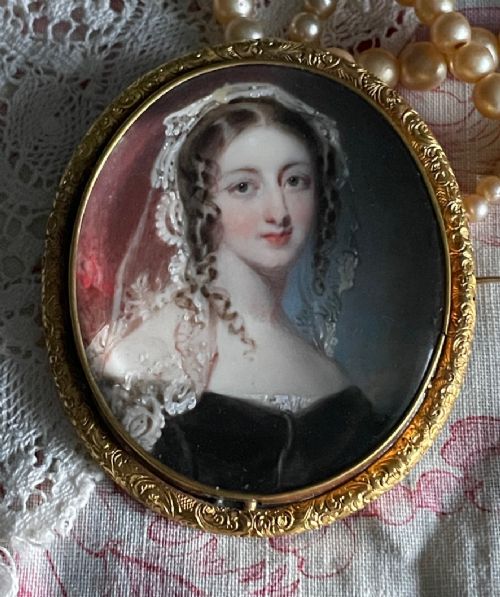
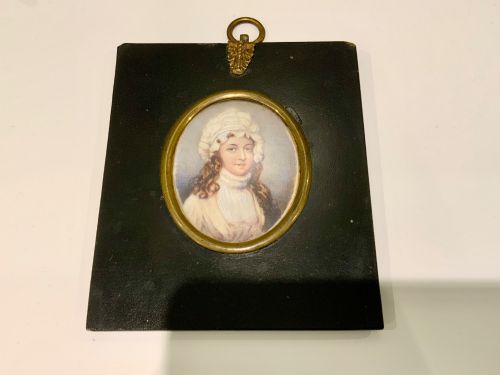
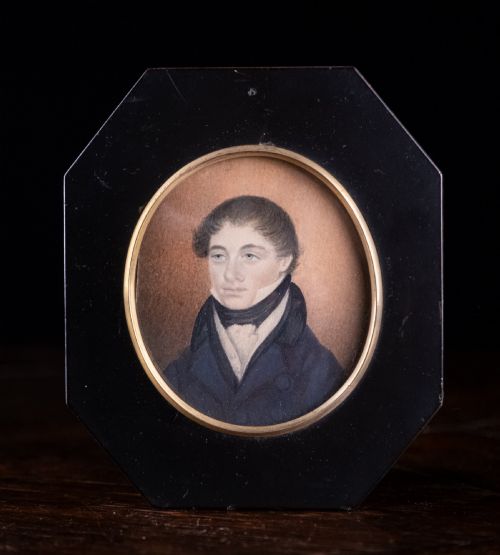
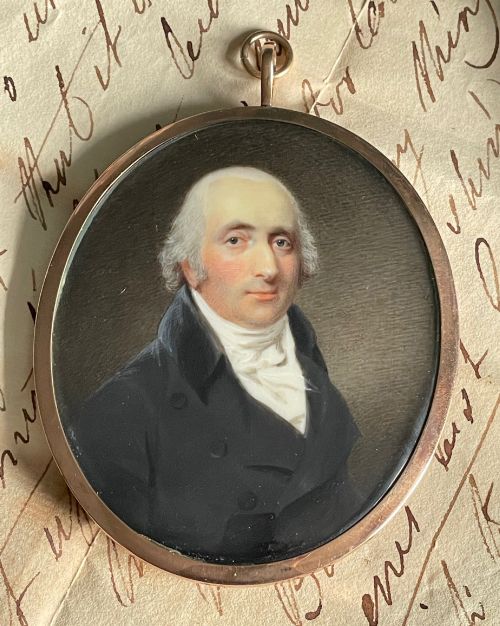
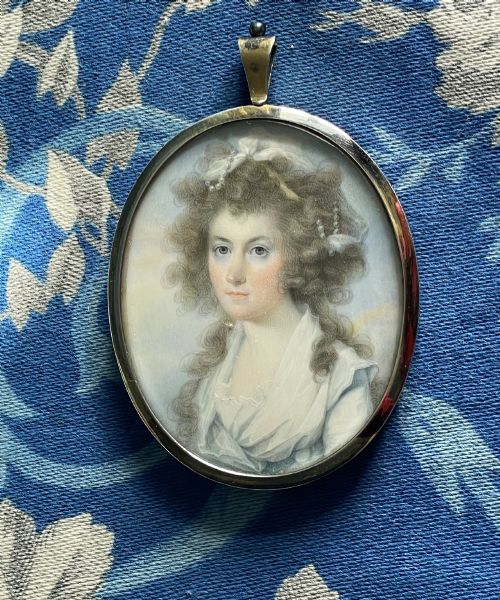
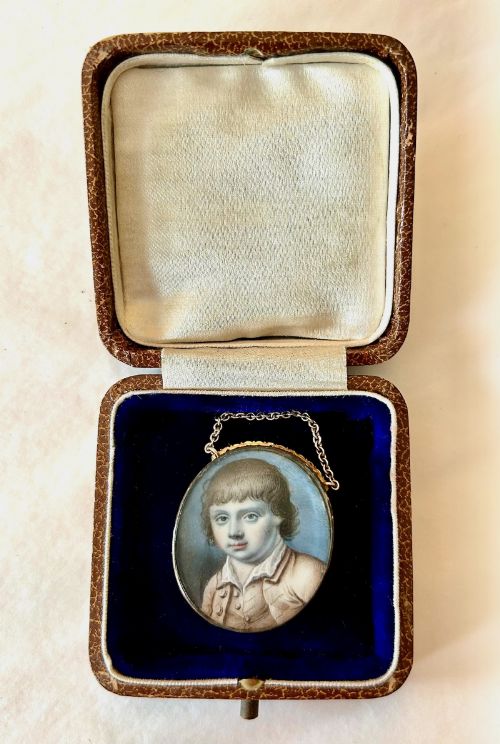
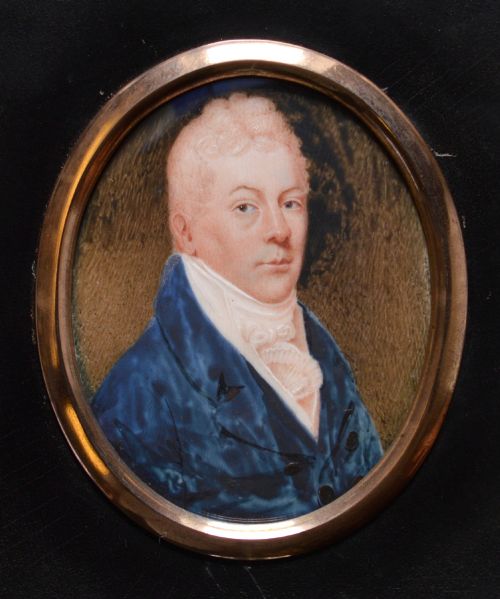
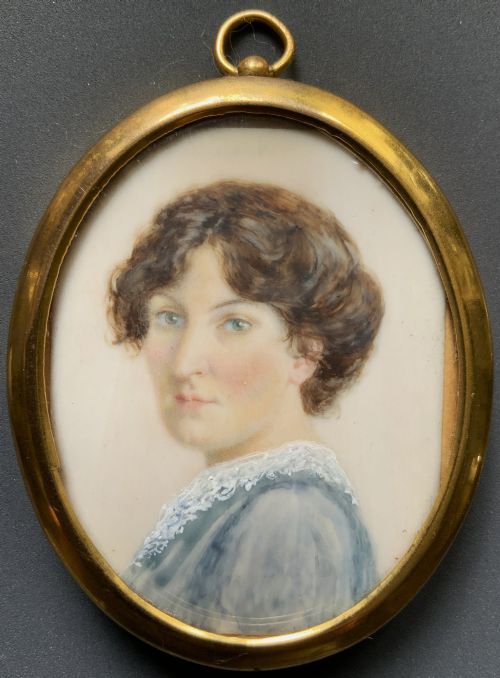
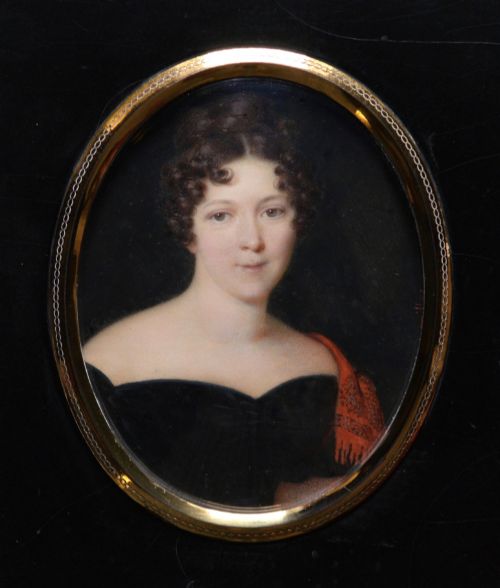
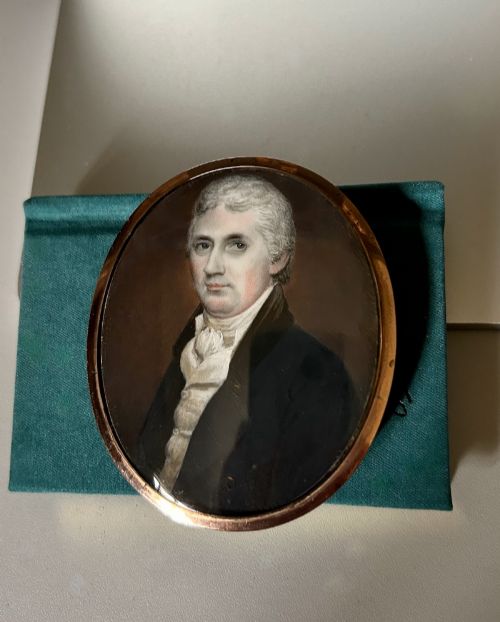
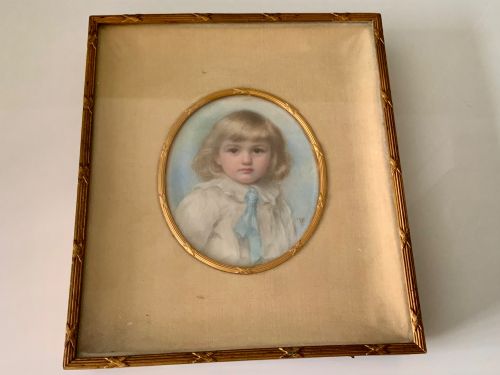
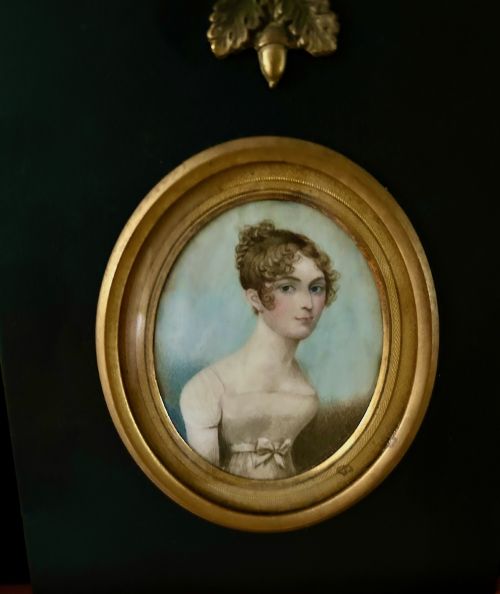
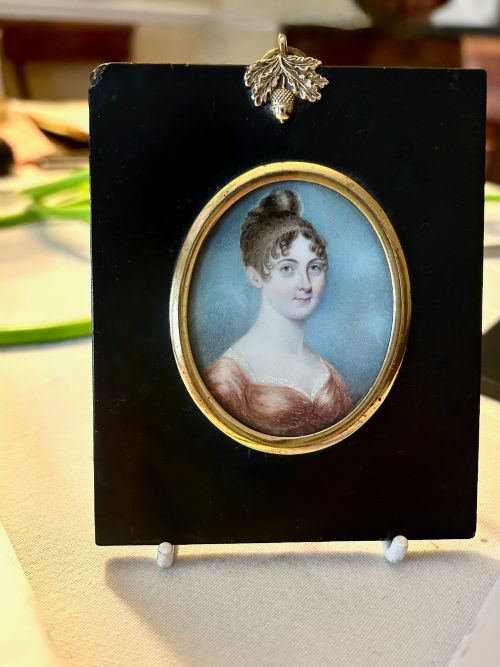
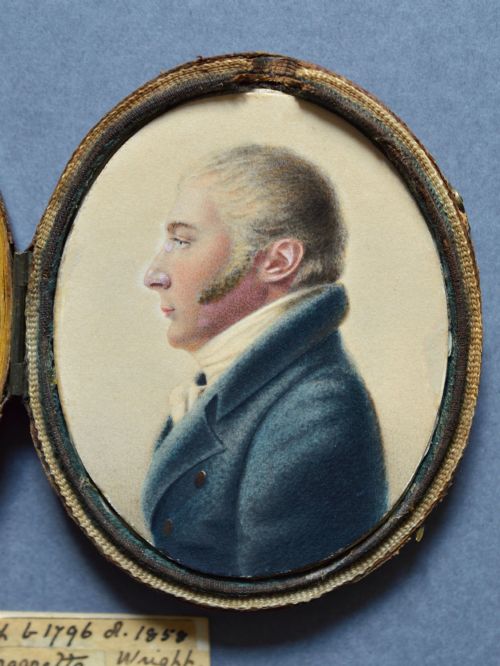
When you search for an oval watercolour miniature, you encounter small-scale painted portraits created across the eighteenth and nineteenth centuries. These works present likenesses of women, children, naval officers, and gentlemen in delicate detail.
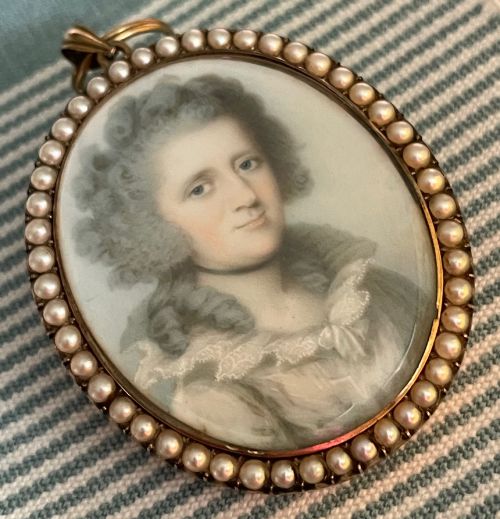
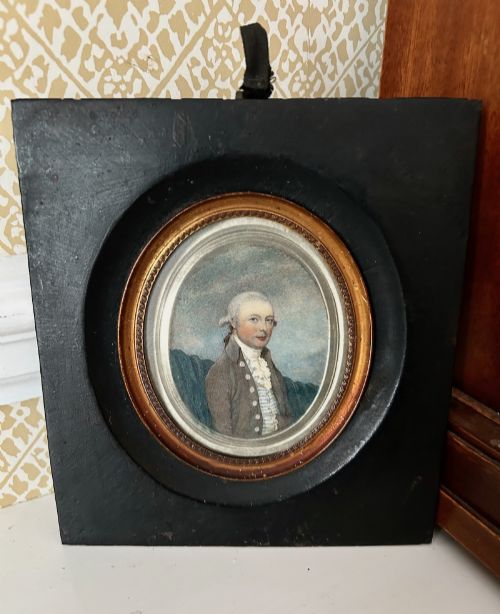
The pieces on this page appear in various formats, including pendant frames, brooches, table stands, and simple ebonised or maple wood frames. Subjects span from British sitters to Anglo-Indian and Mughal figures, alongside French examples.
The forms range from early Georgian studies to Victorian child portraits and later Art Deco interpretations. Most examples utilise paper or glass surfaces housed within protective brass, gilt metal, silver, or gold surrounds.
How they were made
Artists painted these works using watercolour, and sometimes pastel or pencil, applied directly onto paper or glass panels. The precision required for such small dimensions demanded steady brushwork and careful pigment control.
Makers housed these fragile paintings within sturdy protective enclosures, mounting them in frames fashioned from ebonised wood, maple, seed pearl-set gilt metal, or solid gold and silver. Glazing protected the delicate pigments from dust and moisture over centuries of handling.
Oval Watercolour Miniature Retail Price Guide 2026
Typical asking prices for oval watercolour miniature among the pieces listed under this phrase on Sellingantiques today, from the lower quarter to the upper quarter. They describe what is for sale here now, not the wider market.
Materials recorded across these listings include glass, watercolour, brass, gilt metal, paper, ebonised wood, gold, and ivory.
What varies in quality
The housing also influences the character of the object, as custom frames fashioned from gold, silver, or seed pearl-set gilt metal elevate the status of the miniature. Original mountings and documented attributions to known portraitists distinguish the most accomplished works.
Richard Cosway·John C D Engleheart·Frederick Buck·William Naish·Nicolas Freese·George Engleheart·Susie Lassam·William Grimaldi
The Oval Watercolour Miniature Glossary
- Watercolour
- A paint consisting of pigment suspended in a water-soluble binder, used on paper or glass for these small portraits.
- Ebonised wood
- Timber treated to imitate ebony, providing a dark, contrasting border commonly used for Georgian and Victorian frames.
- Gilt metal
- Base metal treated with a thin layer of gold or gold-coloured wash, frequently found on pendant frames.
- Pendant
- A piece designed to be worn suspended from a chain around the neck, often housing a miniature painting.
- Brooch
- An ornamental piece featuring a pin fastening on the reverse, allowing the miniature to be worn on clothing.
Oval Watercolour Miniature: Frequently Asked Questions
How were these miniatures worn?
Many of these small portraits served as personal tokens, mounted as pendants to be worn near the heart or set into brooches for fastening to clothing.
Other examples featured stands for tabletop display or rested within pocket-sized cases for private viewing.
How do I identify a Georgian miniature?
Georgian pieces often display specific costume details such as powdered hair, cravats, and high-collared coats dating from the mid-eighteenth to early nineteenth century.
The framing methods and handwriting on the reverse, where present, also help anchor the work to this period.
Are these paintings executed on ivory?
While historic portrait miniatures frequently employed ivory sheets, the listings here record watercolour, paper, and glass as the primary surfaces.
Artists utilised these mediums to achieve the fine detail characteristic of small-scale portraiture.
How should I care for a watercolour miniature?
Keep the piece away from direct sunlight to prevent the watercolour pigments from fading over time.
Maintain stable indoor humidity levels to protect both the delicate paper or glass panel and the historic frame.