





Oval Pastel Portraits
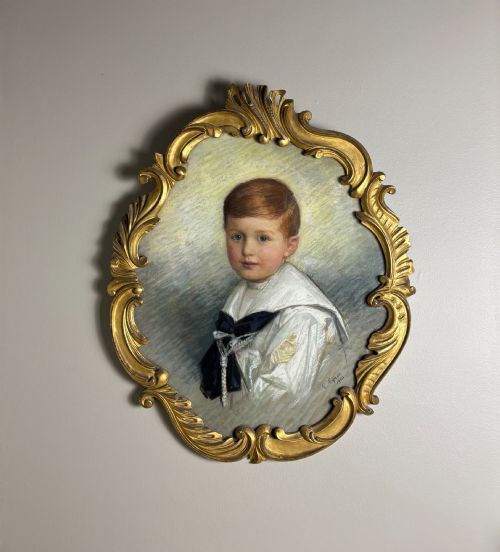
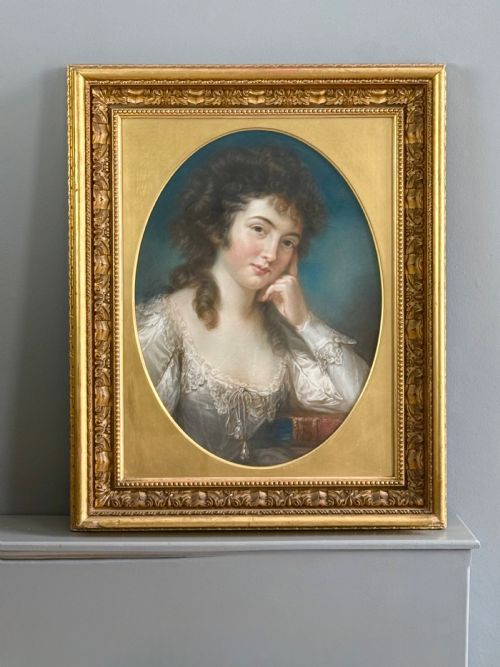
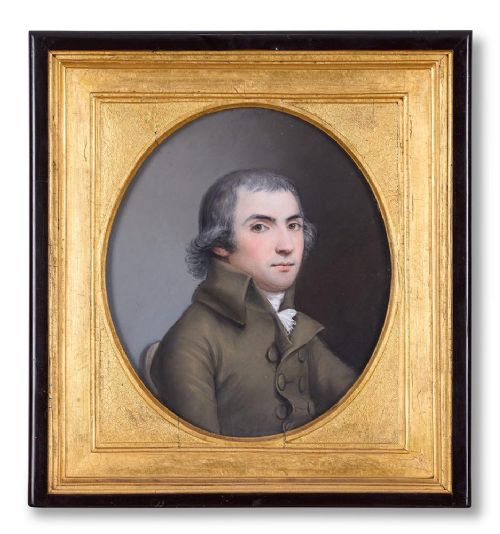
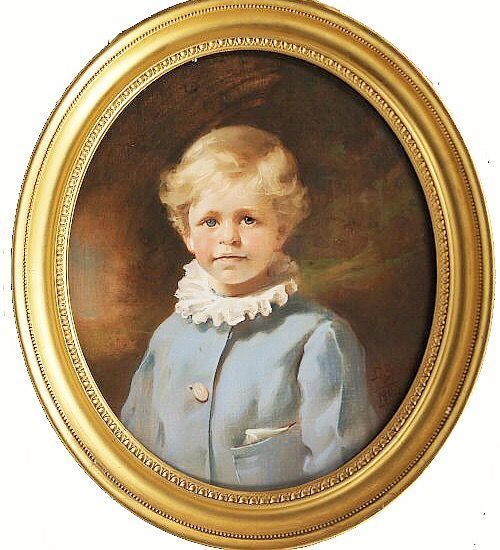
Oval pastel portraits capture likenesses in soft chalks behind glass, offering an intimate window into past lives that draws collectors in.
Oval Pastel Portraits
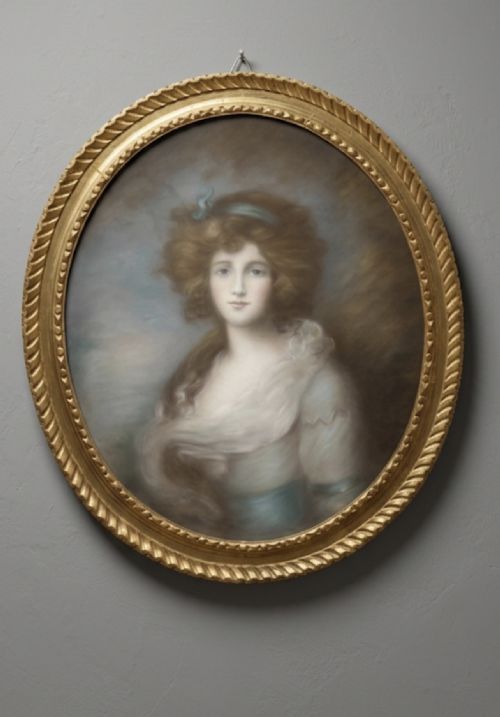
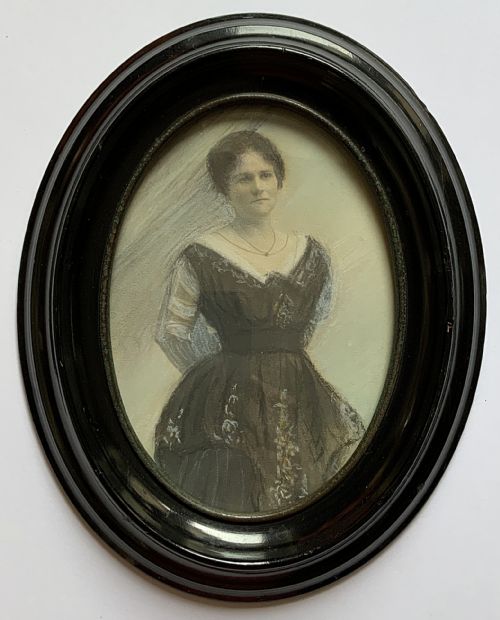
Oval pastel portraits comprise fine art and portrait paintings executed on paper using pastel chalks, frequently housed within protective glass and framed to suit domestic display. When seeking oval pastel portraits, a buyer encounters diverse historical interpretations spanning the eighteenth and nineteenth centuries, including works by named artists and anonymous school pieces.
The subjects range from eighteenth century sitters to Victorian ladies and young girls, rendered with varying degrees of finish from swift preparatory sketches to highly detailed likenesses. French school examples and English school works both appear, alongside portrait miniatures and larger wall art formats.
Framing often includes period giltwood or gilt wood surrounds that complement the curved format, accentuating the delicate nature of the medium within a domestic interior setting.
Evaluating quality and execution
The condition of the delicate pastel surface relative to the glass cover marks a significant distinction, as undisturbed pigment retains its original powdery brilliance. Original period frames that complement the exact oval curvature also elevate the integrity of the piece.
Oval Pastel Portraits Retail Price Guide 2026
Typical asking prices for oval pastel portraits among the pieces listed under this phrase on Sellingantiques today, from the lower quarter to the upper quarter. They describe what is for sale here now, not the wider market.
JAMES SHARPLES·JOHN RUSSELL R.A.·Nathaniel Bermingham·Gerrit Schipper
The Oval Pastel Portraits Glossary
- Pastel
- A dry painting medium consisting of powdered pigment and a binder combined into a stick form. It produces velvety tones that blend directly on the paper surface.
- Giltwood
- Timber carved and coated with a thin layer of gold leaf or gilt finish. It provides ornate framing suitable for prominent eighteenth and nineteenth century portraits.
- Portrait Miniature
- A small-scale painting designed for intimate viewing or portable display. These works capture likenesses with microscopic precision using watercolour, pastel, or enamel.
- School
- A grouping of artists working in a particular geographic region, period, or under the influence of a master. Examples include the French School and English School.
- Gouache
- An opaque water-based paint sometimes utilised alongside pastel to add solid highlights and opaque colour areas to a composition.
Oval Pastel Portraits: Frequently Asked Questions
How should I clean the glass on an oval pastel portrait?
You should avoid spraying liquid cleaner directly onto the glass, as moisture can seep beneath the frame and ruin the delicate pastel medium on the paper within.
Instead, wipe the glass gently with a dry microfiber cloth, keeping the portrait flat to prevent any dislodged dust from falling onto the artwork.
Where is the best place to hang an oval pastel portrait?
Select an interior wall that receives no direct sunlight, because ultraviolet rays quickly fade pastel pigments and discolour the underlying paper supports.
Keep these artworks away from damp areas like kitchens or bathrooms to protect the paper and the wooden gilt frame from moisture damage.
How can I tell an 18th century portrait from a Victorian one?
Eighteenth century examples often display powdered hair, lace fichus, and softer neoclassical clothing styles paired with rococo or early gilt frames.
Victorian pieces typically feature heavier hairstyles, darker attire, and distinct framing conventions that reflect mid-nineteenth century taste.
Why are these portraits framed in oval shapes?
The oval format softens the hard corners of rectangular rooms and draws the eye naturally toward the centre of the sitter's face.
Portrait painters and framers utilised this curved geometry specifically during the Georgian and Victorian eras to create intimacy in miniature and wall art.