








Oval Metal Tray
An oval metal tray brings tactile warmth and enduring utility to a room, offering a versatile surface for serving or display.
Oval Metal Tray
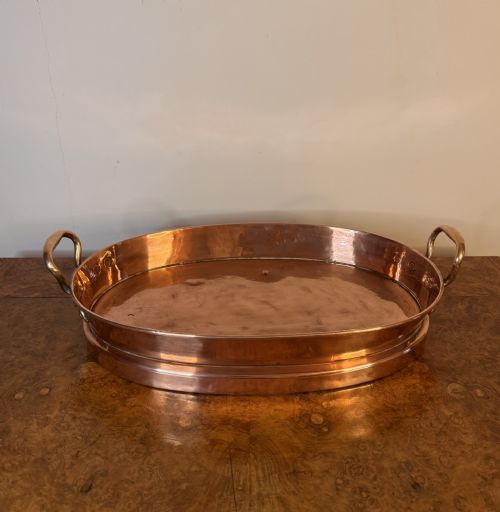
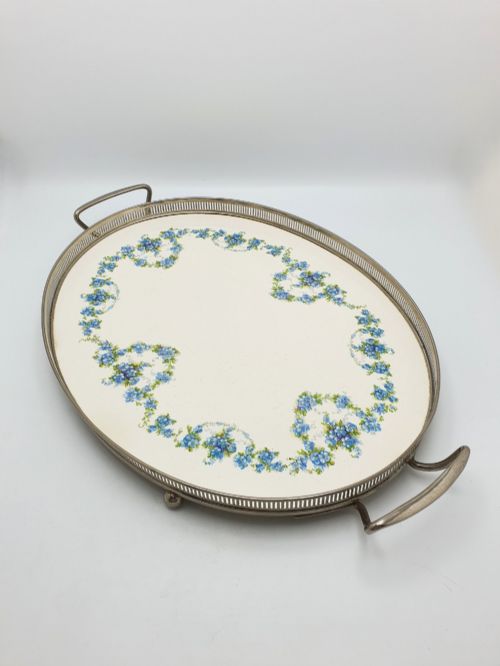
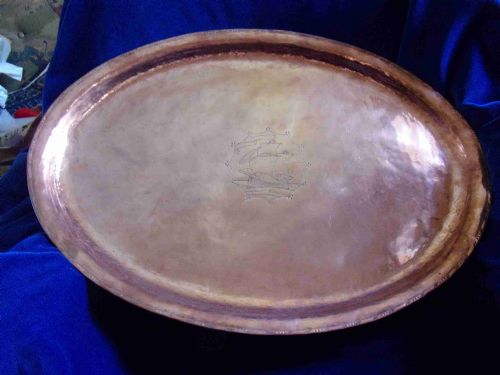
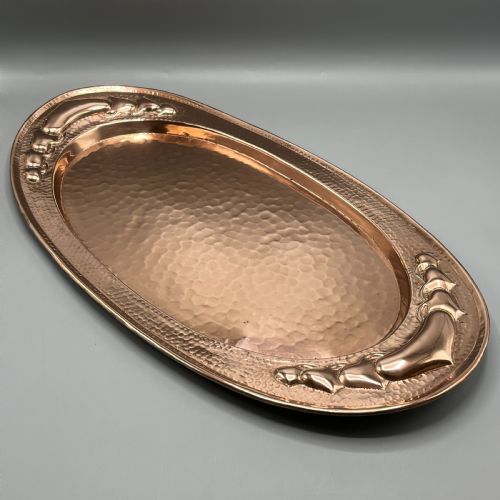
An oval metal tray encompasses utilitarian serving pieces and decorative tabletop items fashioned primarily in copper, brass, silver plate, and tôleware across the nineteenth and early twentieth centuries. Buyers seeking an oval metal tray encounter diverse regional interpretations, from heavy Arts and Crafts repoussé copper pieces to delicate French and German silver-plated designs.
Materials and construction methods
Metals such as copper, brass, iron, and pewter form the structural core of these pieces, often shaped by hand hammering, casting, or spinning. Artisans of the Arts and Crafts movement utilised repoussé techniques to raise botanical and figurative motifs from the copper surface.
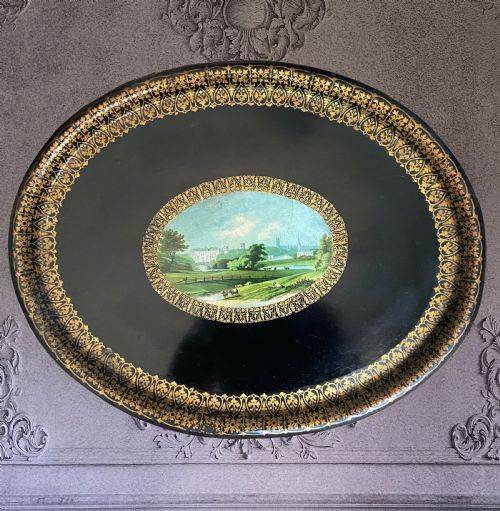
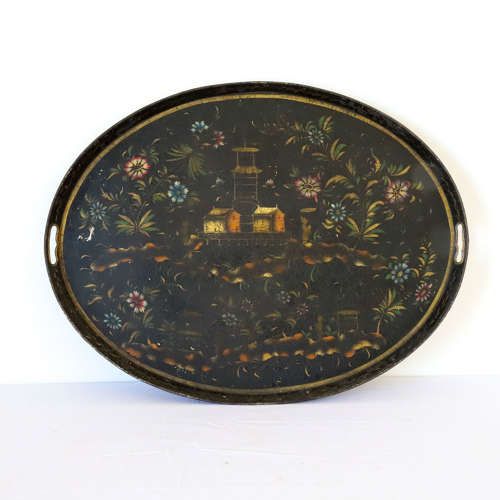
Lacquered papier-mâché and tôle peinte provide alternative substrates coated in dark painted finishes and decorated with gilt or floral centres. Silver-plated surfaces over base metals reflect the industrial refinement of nineteenth-century manufacturing techniques.
Oval Metal Tray Retail Price Guide 2026
Typical asking prices for oval metal tray among the pieces listed under this phrase on Sellingantiques today, from the lower quarter to the upper quarter. They describe what is for sale here now, not the wider market.
Diana the Huntress occasionally surveys her domain from the bottom of an oval brass plaque.
Distinctions in craftsmanship
The distinction between standard domestic wares and superior examples rests on the depth of hand-worked detail, such as crisp repoussé relief or hand-painted floral centres. Heavier gauge metals and substantial proportions indicate a higher grade of production intended for formal service rather than casual use.
Renowned workshops and makers contribute distinct aesthetic merit through signed handles or marked bases, elevating pieces beyond anonymous factory output. The preservation of original surface finishes, whether patinated copper or glossy lacquer, preserves the integrity of the design.
Hugh Wallis·Liberty & Co·Newlyn·Clay
The Oval Metal Tray Glossary
- Repoussé
- A metalworking technique where the artisan hammers the metal from the reverse side to form a raised design on the front. This method creates tactile depth on Arts and Crafts copper surfaces.
- Tôle peinte
- Painted or enamelled sheet metal, typically iron or steel, popular for decorative trays and vessels in the nineteenth century. These items often feature dark painted grounds adorned with hand-painted floral details.
- Silver plate
- A thin layer of silver fused to a base metal such as copper, brass, or Britannia metal. This process provided the visual luxury of solid silver at a lower production cost.
- Papier-mâché
- A composite material made of paper pulp or reinforced paper layers mixed with glue and resin, pressed and dried into rigid forms. It serves as a lightweight yet durable base for lacquered occasional tables and serving trays.
- Cloisonné
- An ancient technique for decorating metalwork objects with colourful material held in place by thin metal strips. Japanese examples utilise wire partitions soldered to a metal body.
Oval Metal Tray: Frequently Asked Questions
How do I clean an antique metal tray?
Maintenance depends entirely on the specific material of the piece, as unlacquered copper responds well to gentle polishing while silver plate requires careful attention to avoid removing the plating. Lacquered papier-mâché and tôleware surfaces need only a soft, dry cloth to remove dust without disturbing the historic finish.
Harsh chemical dips and abrasive scourers should be avoided entirely on antique metalwork to preserve the natural patina accumulated over decades of use. Preserving this surface character maintains the visual integrity and historical honesty of the tray.
Can I use these trays for serving food?
Many nineteenth and early twentieth-century trays served functional dining and hospitality purposes, though modern food safety standards require careful consideration of older materials. Silver-plated and solid metal surfaces can accommodate dry items or wrapped goods quite safely.
Trays featuring delicate lacquer, painted tôleware, or exposed base metals are better suited for display, holding correspondence, or organising dressing table items. Assessing the condition of the protective coating helps determine daily utility.
How do I date a papier-mâché tray?
Dating relies on examining the substrate rigidity, the composition of the lacquer, and the style of hand-painted or gilt decoration applied to the surface. Regency and mid-nineteenth-century examples often exhibit deep black japanning paired with intricate mother-of-pearl inlay or botanical motifs.
Maker signatures, when present on the underside or rim, offer definitive chronological markers for specific workshops. Comparing the weight and construction of the core material against documented period standards confirms the era.
What is the difference between tôleware and copper?
Tôleware consists of painted or enamelled sheet iron or steel, typically finished with a dark pigmented ground and decorative motifs. Copper is a distinct non-ferrous metal valued for its warm reddish hue and malleability in hand-hammered designs.
While tôle pieces rely on painted surfaces for visual appeal, copper trays often showcase the raw metallic texture through repoussé work and polished highlights. Each material represents an entirely different manufacturing tradition within nineteenth-century decorative arts.