
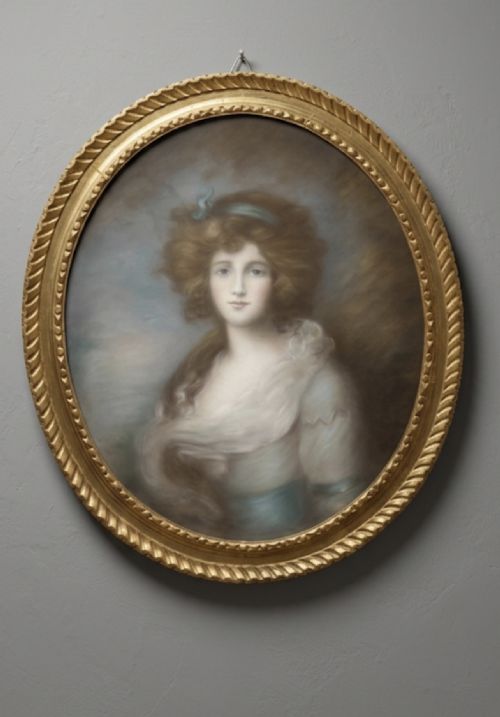
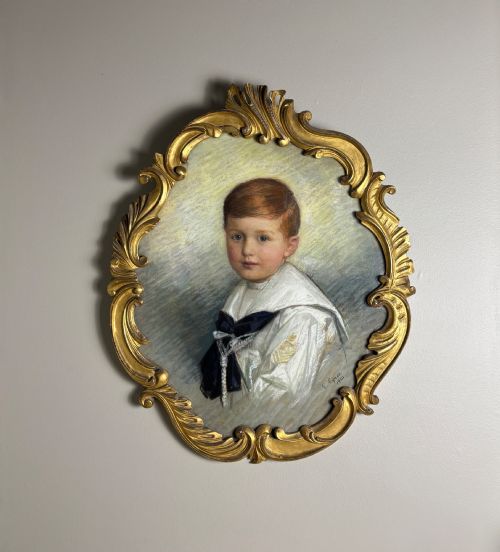


Oval Giltwood Framed Painting
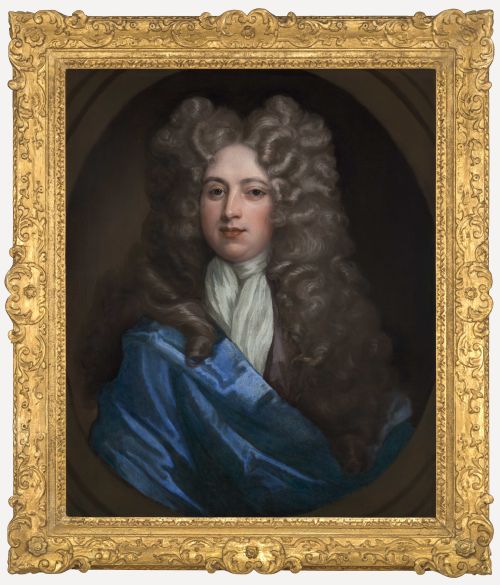
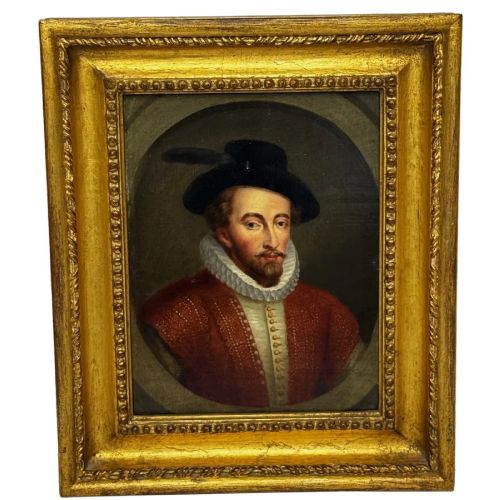
An oval giltwood framed painting brings centuries of portraiture into a room through carved wooden surrounds and oil on canvas.
Oval Giltwood Framed Painting
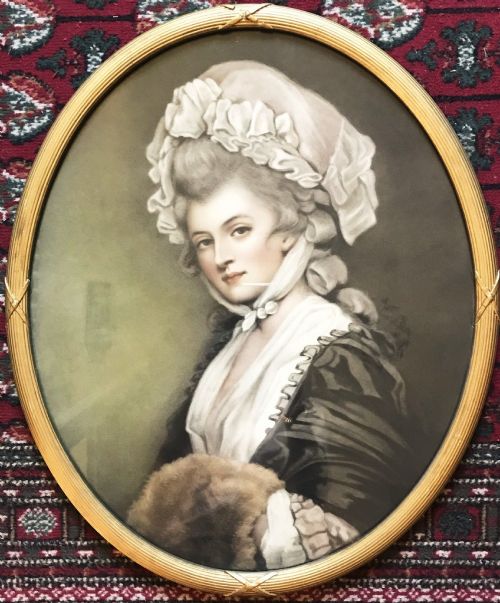
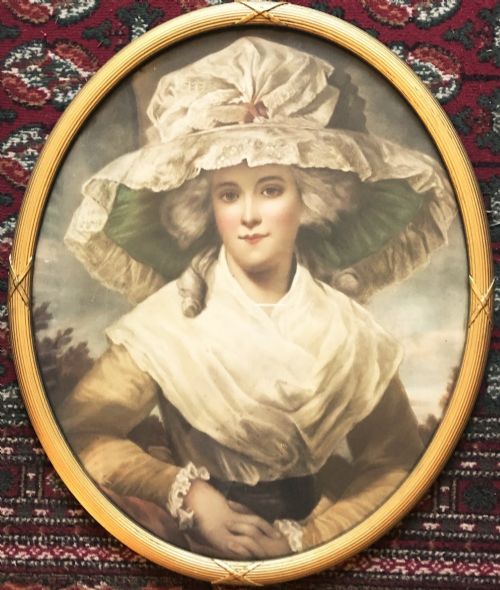
When searching for an oval giltwood framed painting, collectors encounter centuries of portraiture spanning the seventeenth, eighteenth, and nineteenth centuries. These works predominantly take the form of oil on canvas portraits depicting gentlemen, ladies, and children from English and European schools.
Alongside original oils, the selection includes pastels, watercolours, and glazed prints contained within curved wooden borders. Styles range from English and French Baroque to Georgian and Victorian periods, reflecting the shifting tastes of historic interiors.
The format of an oval giltwood framed painting naturally draws the eye toward the centre of the composition, a characteristic utilised by portraitists to soften the corners of formal likenesses.
Materials and construction
The physical objects combine oil paints on stretched canvas or panels with carved wood frames finished in gesso and gold leaf. Artisans sculpted the wooden moulding before applying layers of gesso to create a smooth bed for gilding.
Gold leaf was then laid over the prepared surface, sometimes burnished to a high shine or left with a softer matte appearance. Beneath the surface, wooden frames rely on traditional joinery methods suited to curved perimeters.
Listings feature oil on canvas, pastels, and watercolours spanning the seventeenth, eighteenth, and nineteenth centuries.
Assessing quality and execution
Quality in these works rests upon the handling of the subject by the artist and the depth of the carving on the surround. Finer portraits display careful rendering of textiles, facial expressions, and hands, while lesser examples show stiff proportions.
The preservation of the original gold leaf and gesso layer significantly impacts the character of the frame. Intricate carved ornamentation retains crisp edges on superior pieces, whereas worn examples suffer from smoothed relief through overzealous cleaning.
Thomas Murray·Thomas Gainsborough·Emily Eyres·William Edward Frost·Robert Kemp·Enoch Seeman·Frans van der Mijn·George Knapton·Fra Galgario·Robert Byng·John Riley·Andrea Soldi·Arthur H Buckland·Sir Peter Lely·Arnold van Boonen·John Closterman·Michael Dahl·Adriaen Hanneman·Sir Godfrey Kneller·Angelica Kauffman
The Oval Giltwood Framed Painting Glossary
- Giltwood
- Wood that has been coated with gold leaf or gold paint. This finish creates a reflective metallic surface around the artwork.
- Gesso
- A paint mixture consisting of a binder mixed with chalk, gypsum, or pigment. It forms the smooth base applied to wooden frames before gilding.
- Oil on Canvas
- Pigments bound in a drying oil applied to a woven fabric support. This medium dominated portraiture across the seventeenth and eighteenth centuries.
- Baroque
- An artistic style prevalent from the seventeenth well into the eighteenth century characterised by movement and drama. Portraiture from this era often employs rich drapery and direct gazes.
- Circle of
- A term used when a work is not by the master's hand but shows the distinct influence of a known artist. It indicates production within the wider workshop or following closely.
Oval Giltwood Framed Painting: Frequently Asked Questions
How do I date an oval giltwood framed painting?
Dating relies primarily on the style of dress and hair depicted in the portrait, alongside the construction techniques of the canvas stretcher and wooden frame. Seventeenth and eighteenth-century works often bear distinct wig styles, lace collars, and costume cuts.
The framing materials also offer clues, as nineteenth-century interpretations frequently employ different gesso compositions and assembly methods compared to earlier examples.
Are these paintings always original period works?
The selection includes both seventeenth to nineteenth-century originals and later interpretations, such as nineteenth-century prints or pastels made after older paintings. Reading the individual listing details clarifies whether the artwork is a primary oil painting or a subsequent reproduction.
Examining the canvas texture, pigment type, and the reverse of the stretcher helps determine the exact age of the piece.
How should I hang an oval frame safely?
Oval frames require secure wall fixings distributed across the weight-bearing points of the wooden structure rather than relying solely on old cord or wire. Ensuring the hanging hardware matches the weight of the timber and gesso prevents structural strain.
Positioning the painting away from direct sunlight and heat sources protects both the canvas pigments and the delicate giltwood surface.
What does attribution to a circle mean?
Attribution to the circle of an artist indicates that the painter worked in close proximity to the master, adopting their style, palette, and composition techniques. These works date from the same period but lack direct documentation linking them to the named hand.
Such paintings offer an authentic window into historic studio practices and the widespread influence of prominent portraitists.