



Oval Framed Silhouette Portrait
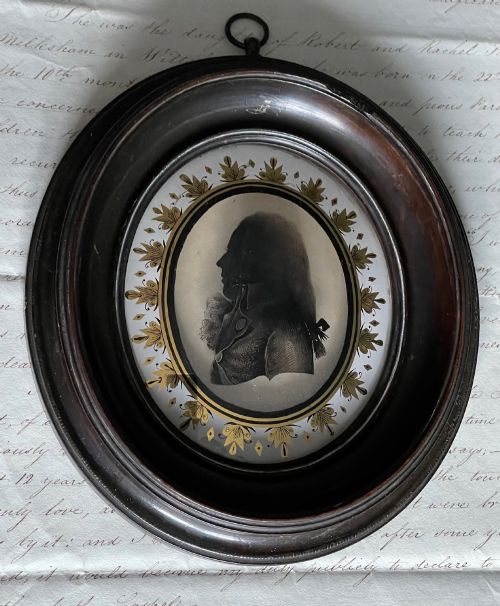
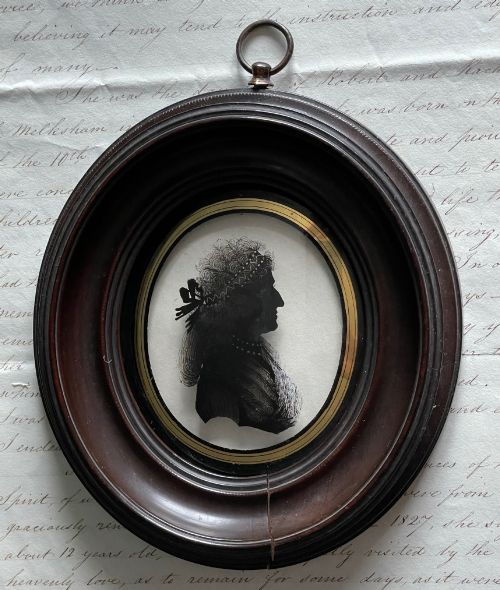
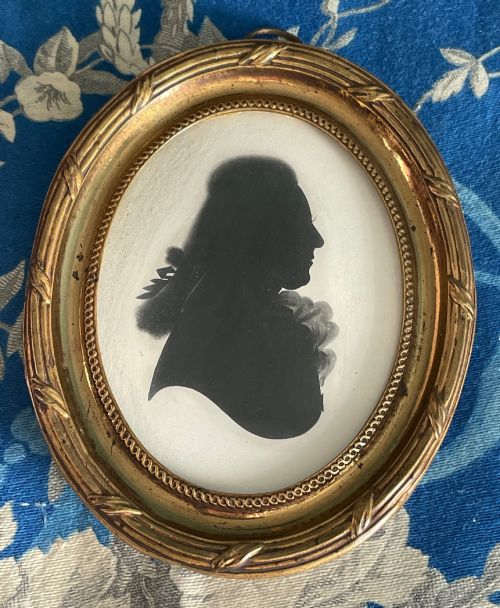
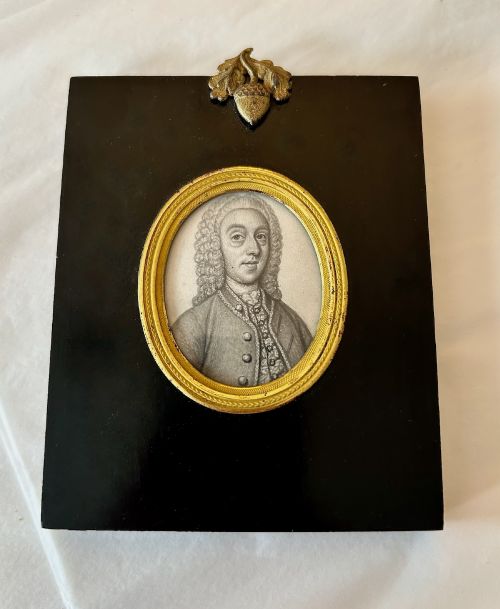
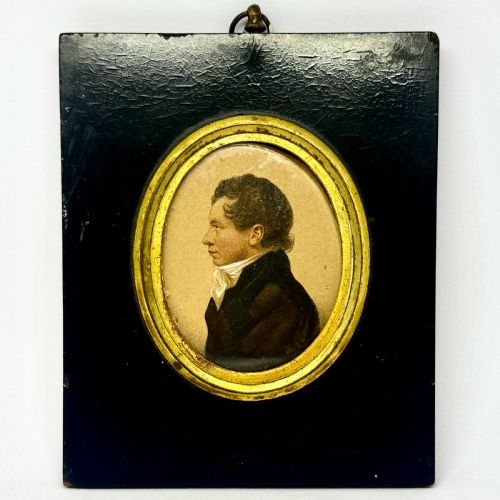
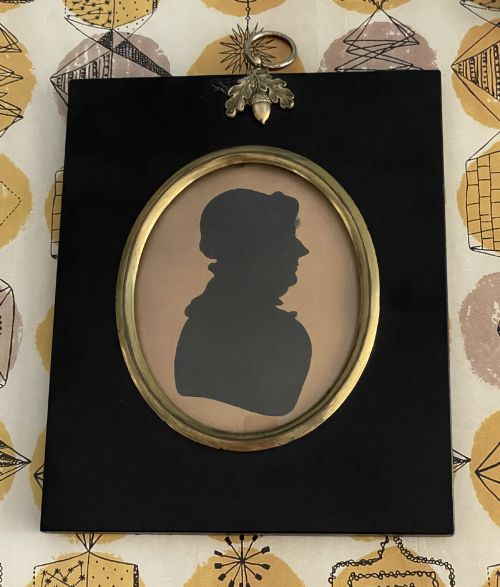
An oval framed silhouette portrait captures the crisp profile of an ancestor through delicate ink, paper and glass.
Oval Framed Silhouette Portrait
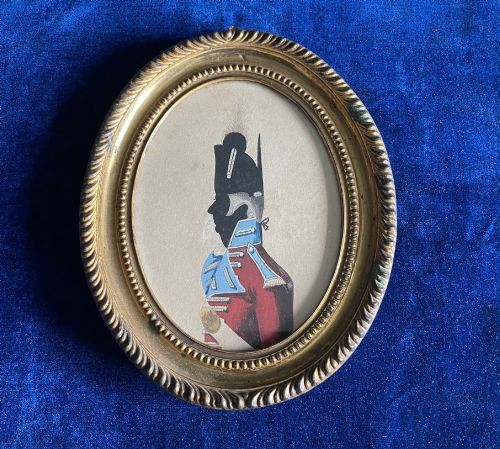
An oval framed silhouette portrait presents a profile likeness of an individual, primarily originating from the eighteenth and nineteenth centuries during the Georgian and Regency periods. These pieces serve as intimate historical records, capturing the exact facial contours of gentlemen, ladies and children before the widespread availability of photography.
Collectors frequently encounter works executed on glass, paper and plaster, housed within protective surrounds such as ebonised wood or gilt metal frames. The selection on this page demonstrates various techniques including hollow-cut paper, painted glass and profiles enhanced with gold leaf.
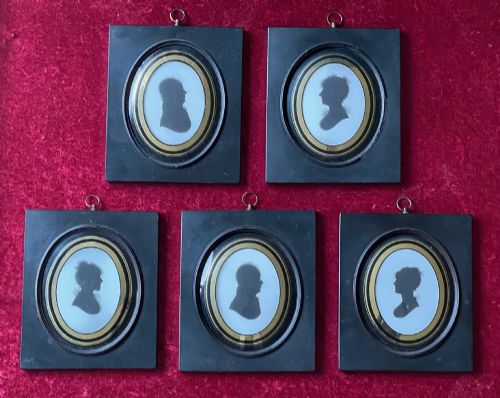
The format ranges from simple bust profiles to detailed family groups and subjects adorned in period attire like turban caps. These works bridge the gap between fine art and personal memento, offering a direct visual link to past lives.
Materials and construction
Makers utilised dark paper for cut-out silhouettes, often mounting the delicate paper against a contrasting light background or directly applying ink and paint to glass. Glass pieces required reverse painting, where the artist worked meticulously from the foreground details back to the silhouette itself.
Support materials extended to specialised plaster and parchment, while framing involved turned ebonised wood or cast brass and gilt metal fittings. Protective convex glass was frequently placed over the profile to preserve the fragile mediums of ink, pastel and gold leaf.
Oval Framed Silhouette Portrait Retail Price Guide 2026
Typical asking prices for oval framed silhouette portrait among the pieces listed under this phrase on Sellingantiques today, from the lower quarter to the upper quarter. They describe what is for sale here now, not the wider market.
The listings on this page feature works created using paper, glass, plaster and wood, spanning both the Georgian and Regency eras.
Markers of quality
The integrity of the original framing, the presence of contemporary trade labels on the reverse and the preservation of fragile glass or plaster substrates significantly elevate the standing of a piece. Works retaining their initial housing provide a more complete historical artefact.
Isabella Beetham·Mrs Mary Lightfoot·John Miers·James Ferguson·James Gillespie·George Atkinson·John Smith of Edinburgh·Nathaniel Bermingham
The Oval Framed Silhouette Portrait Glossary
- Silhouette
- A portrait represented as a solid shape of a single colour, usually black, showing the profile of a subject. This art form gained immense popularity in the eighteenth century prior to the invention of the camera.
- Ebonised wood
- Timber that has been treated or stained to resemble expensive ebony, commonly utilised for dark, contrasting frames during the Georgian and Regency eras. It provides a sharp border that accentuates the pale background of a portrait.
- Reverse painting on glass
- A technique where the artist paints directly onto the underside of the glass panel, meaning details applied first appear at the front. This method protects the pigment from dust and damage over centuries.
- Trade label
- A paper sticker or stamp placed on the reverse of a frame by the original artist or retailer detailing their location and credentials. These labels provide crucial evidence for attribution and provenance.
- Hollow-cut
- A silhouette method where the profile is excised from a sheet of paper, leaving the surrounding paper to serve as the mount. The cutout shape is often backed with dark fabric or paper to create the silhouette effect.
Oval Framed Silhouette Portrait: Frequently Asked Questions
How do I date a silhouette?
Dating relies heavily on costume details such as hairstyles, bonnets, cravats and uniform styles depicted in the profile. The construction of the frame and any contemporary trade labels on the reverse also offer reliable chronological markers.
Eighty percent of the listings on this page belong to the eighteenth century, with the remainder spanning the nineteenth century and the Regency period.
Are trade labels important?
Trade labels are exceptionally valuable because they identify the artist and sometimes provide an exact date or address. This documentation confirms the authenticity and provenance of the portrait.
Pieces bearing original labels from established practitioners command particular attention from serious collectors.
How were silhouettes displayed?
These portraits were designed to be hung closely together on parlour walls in arrangements known as gallery walls or silhouette groups. They were also kept as portable miniatures in cases or placed on desks.
The inclusion of hanging loops on many frames shows their intended domestic placement in Georgian and Regency interiors.
What is reverse glass painting?
Reverse glass painting involves applying pigment to the back of a glass sheet so the image is viewed through the front. This technique protects the delicate ink and gold leaf from atmospheric degradation.
Artists utilised this method to achieve a glossy finish that enhanced the depth of the profile.