

Oval Diamond Cluster
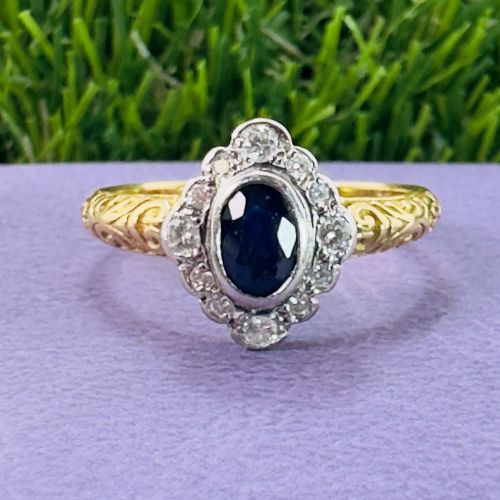
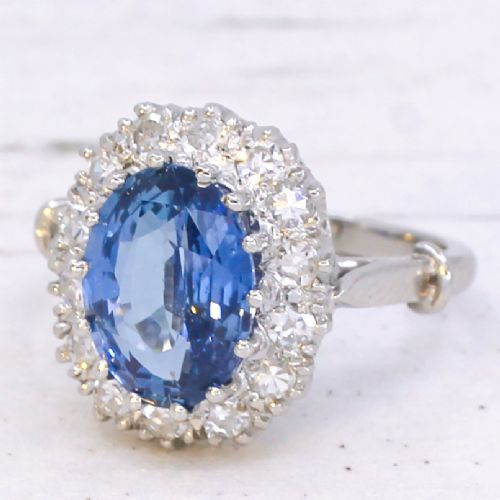
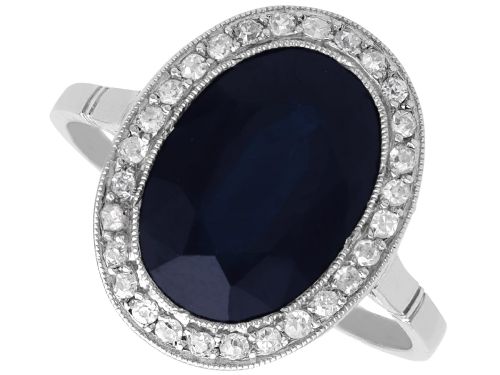
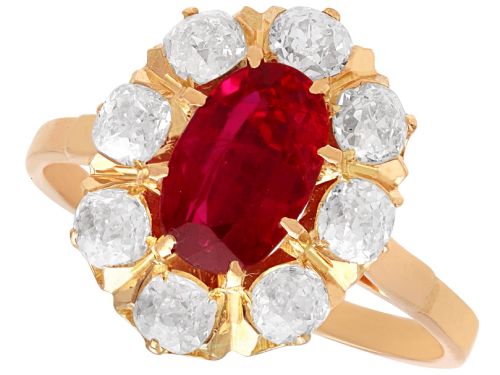
An oval diamond cluster centres a central gemstone within a bright border of diamonds, offering enduring symmetry and colour.
Oval Diamond Cluster
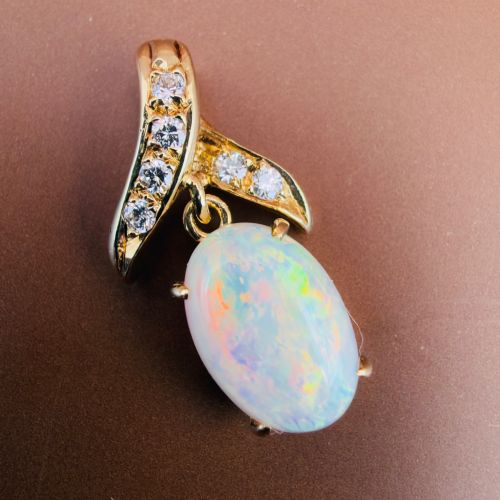
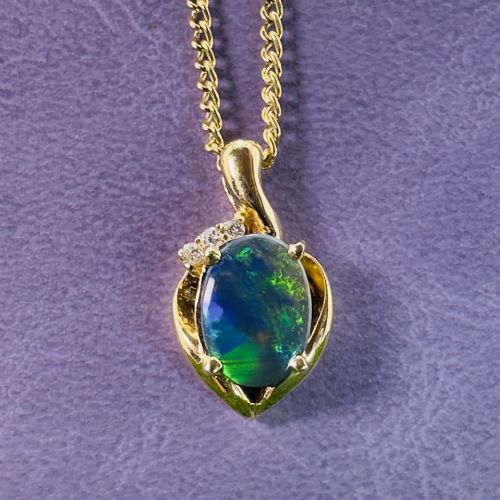
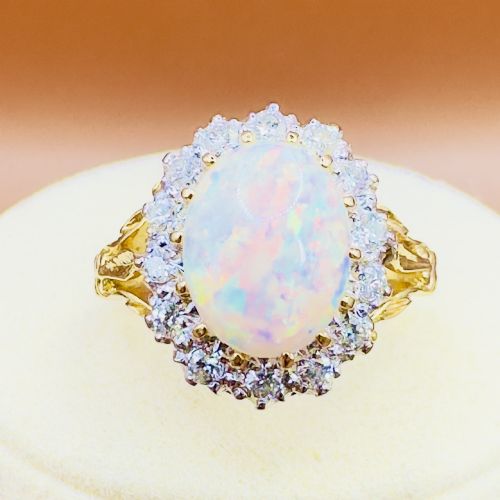
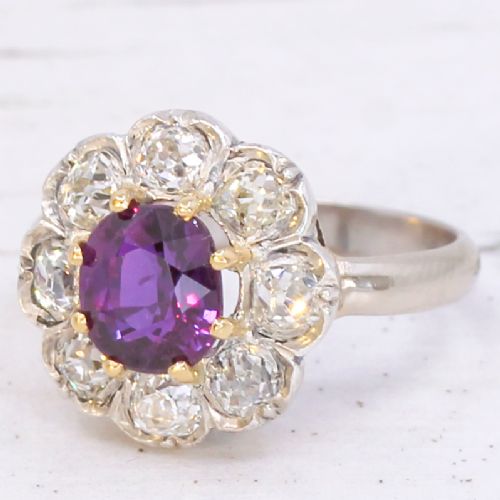
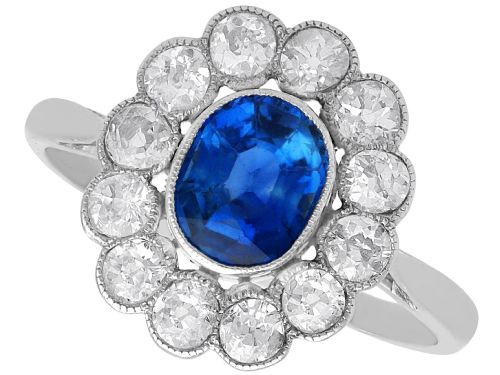
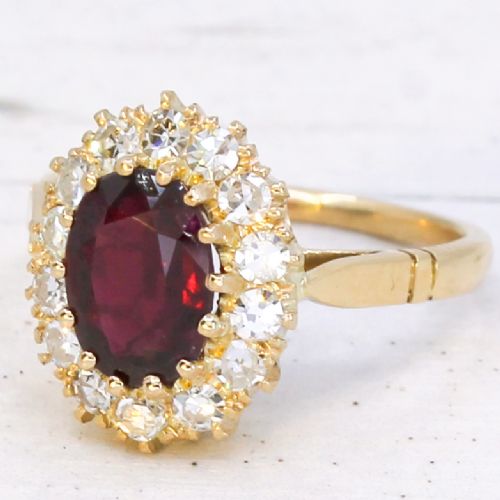
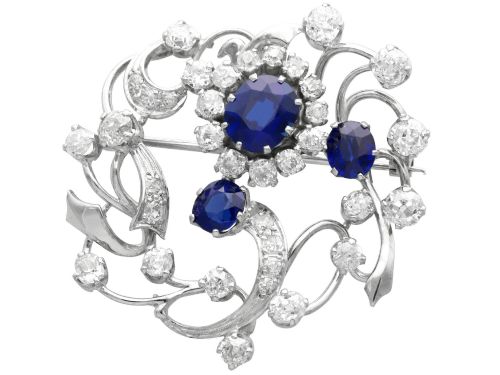
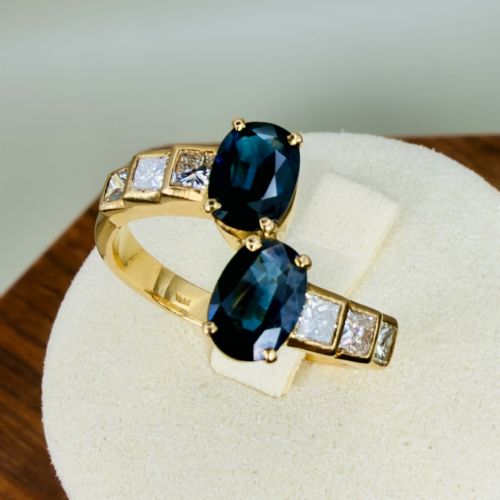
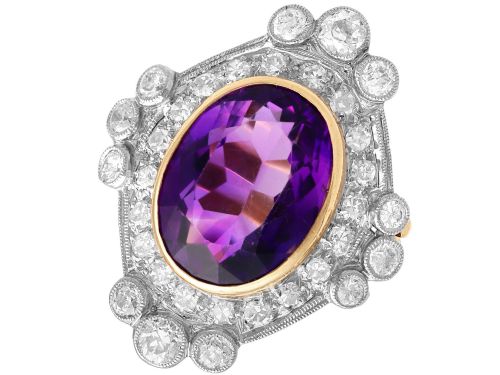
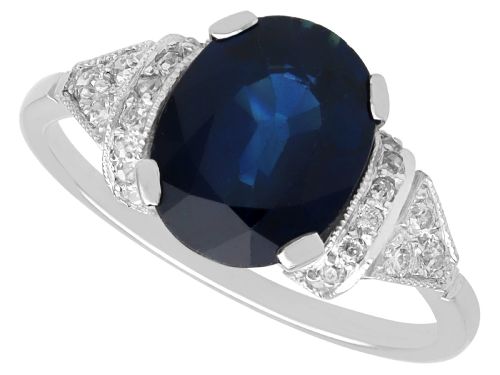
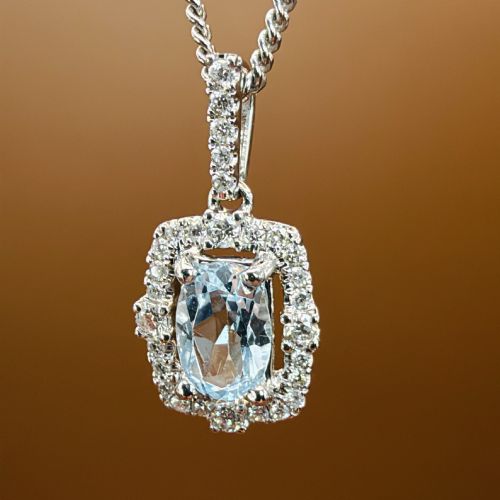
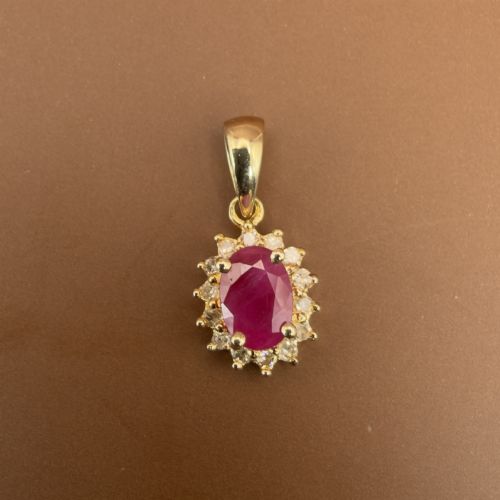
An oval diamond cluster brings together a central oval gemstone framed by smaller diamonds, forming a balanced silhouette that flatters the hand. These pieces appear primarily as rings, alongside pendants, earrings, and brooches.
The design draws from periods spanning the Victorian era through the Edwardian, Art Deco, and mid-century years. Buyers encounter both traditional cluster configurations and elongated forms set along the finger.
While sapphire, ruby, emerald, and opal frequently form the central stone, pieces centred entirely on diamonds also appear. Metal choices shift from yellow gold in earlier decades to white gold, platinum, and rose gold in later designs.
How they were made
Goldsmiths set stones into platinum, 18ct gold, 14ct gold, and 9ct gold mounts, utilising claw settings and secure bezels to hold each gem in place. Platinum gained favour for its strength in holding intricate diamond work.
Cutter workshops shaped central stones into oval cuts and smooth cabochons, surrounded by old cut, princess cut, or round brilliant diamonds. Artisans balanced metal weight with stone proportions to ensure structural integrity across rings, pendants, and brooches.
Oval Diamond Cluster Retail Price Guide 2026
Typical asking prices for oval diamond cluster among the pieces listed under this phrase on Sellingantiques today, from the lower quarter to the upper quarter. They describe what is for sale here now, not the wider market.
Some rings feature adjustable shanks designed to slip comfortably over larger knuckles before tightening securely on the finger.
What varies in quality
Quality rests on the depth of colour in the central gemstone and the matching clarity of the surrounding diamonds. Well-matched stone sizes and tight claw work distinguish finer workshops from standard production.
The weight and gauge of the gold or platinum shank or mount affect the longevity of the piece. Substantial metal weight and crisp detailing signal superior construction.
Le Vian
The Oval Diamond Cluster Glossary
- Cluster
- A stone setting where a central gem is surrounded by a border of smaller stones, typically diamonds. This arrangement maximises surface brilliance.
- Cabochon
- A gemstone shaped and polished with a smooth, rounded dome rather than faceted surfaces. This cut suits opals and certain coloured stones.
- Old Cut
- A hand-cut diamond shape typical of antique jewellery, featuring a small table and high crown that catch candlelight softly. These cuts carry the charm of early cutting techniques.
- Unheated
- A natural gemstone that has undergone no thermal enhancement to improve its colour or clarity. Such stones hold specific appeal for collectors.
- Halo
- A concentric ring of pavé or prong-set diamonds encircling a larger centre stone. It enhances the perceived size and brightness of the middle gem.
Oval Diamond Cluster: Frequently Asked Questions
What is an oval diamond cluster?
An oval diamond cluster is a piece of jewellery featuring a central oval gemstone surrounded by a border of smaller diamonds. This layout combines the rich colour of a primary gem with the sparkle of surrounding stones.
Such designs appear across rings, pendants, and earrings from various historical periods, offering distinct silhouettes.
How do I choose between opal and sapphire?
Sapphires offer deep, saturated colour and high durability suitable for daily wear. Opals display a play-of-colour with shifting internal flashes that require more mindful care.
Both stones create striking contrasts when framed by diamonds in an oval cluster format.
How do I care for antique rings?
Antique rings benefit from gentle cleaning with soft cloths and mild soapy water, avoiding harsh ultrasonic machines. Regular checks by a jeweller ensure the claws holding the diamonds remain secure.
Removing rings during heavy manual tasks protects the gold or platinum setting from wear.
How can I tell the period of a cluster?
Metal choices and cutting styles offer clues to the age of a piece, such as yellow gold and old cut diamonds in earlier items. Platinum and white gold often point towards mid-century or Edwardian manufacturing.
Gemmological reports and hallmarks further clarify the date of creation.