

Oval Cut Gemstone
An oval cut gemstone brings a curved, elongated silhouette to jewellery spanning the Victorian era through to mid-century modern designs.
Oval Cut Gemstone
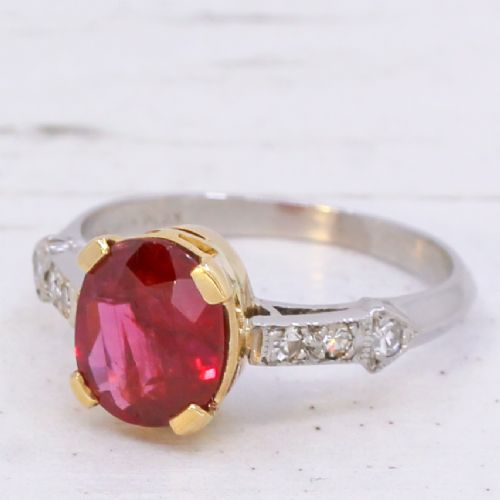
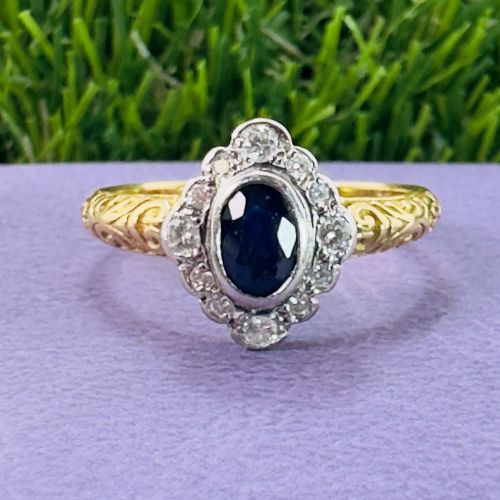
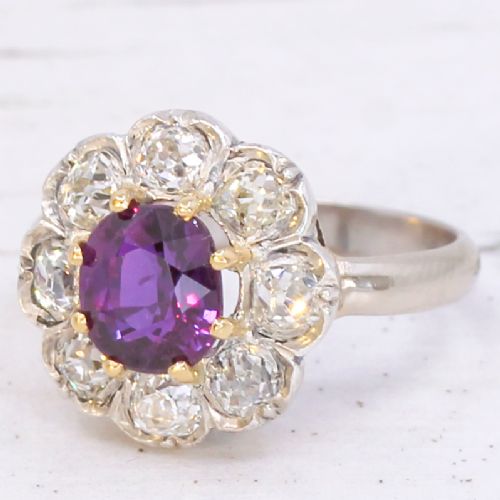
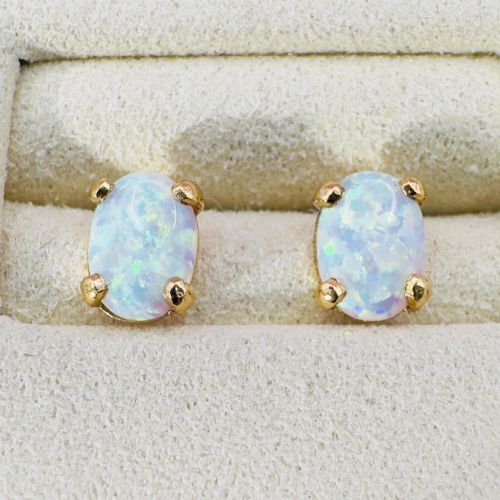
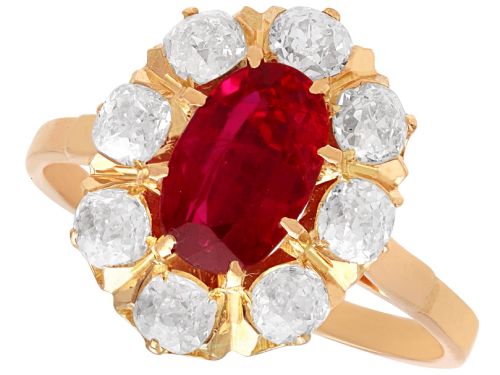
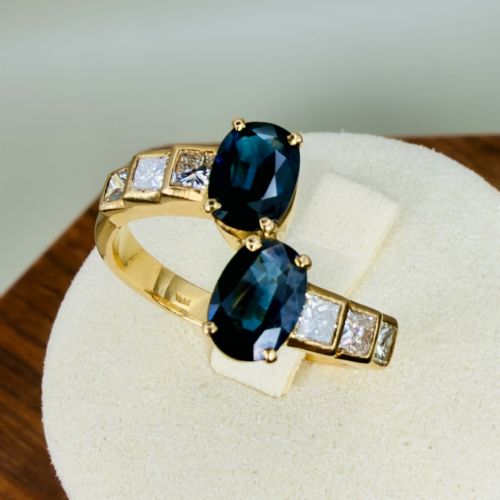
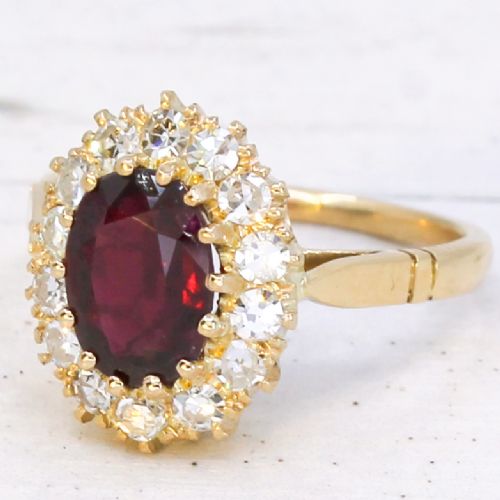
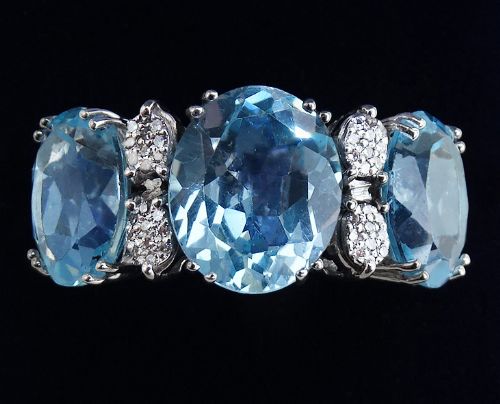
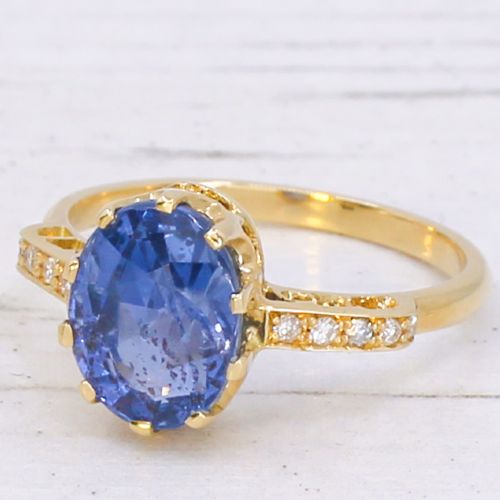
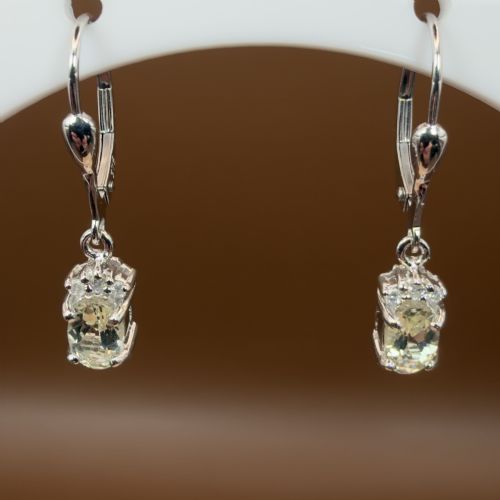
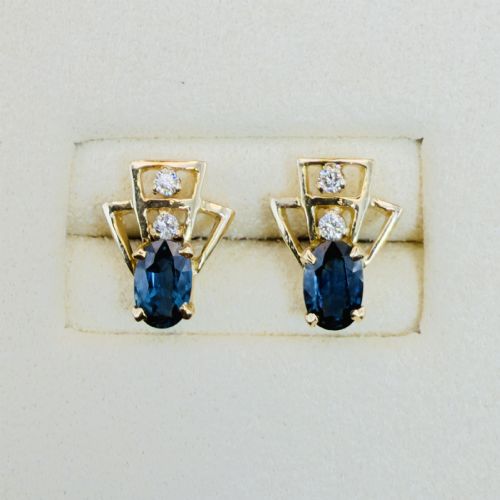
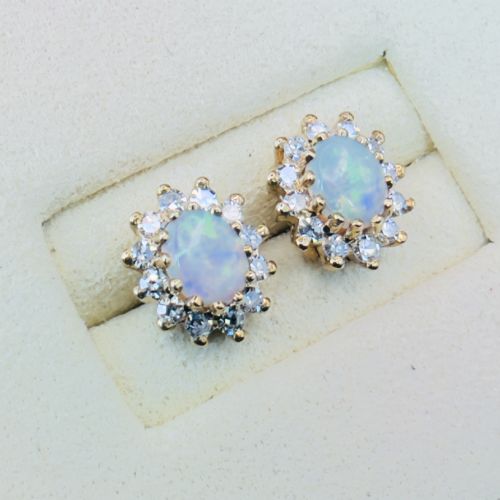
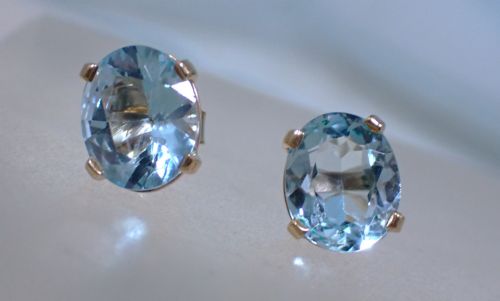
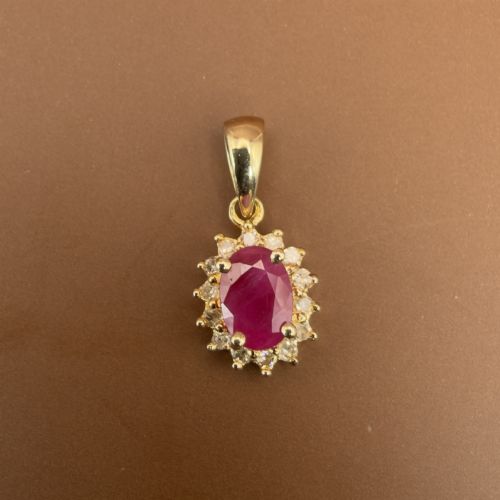
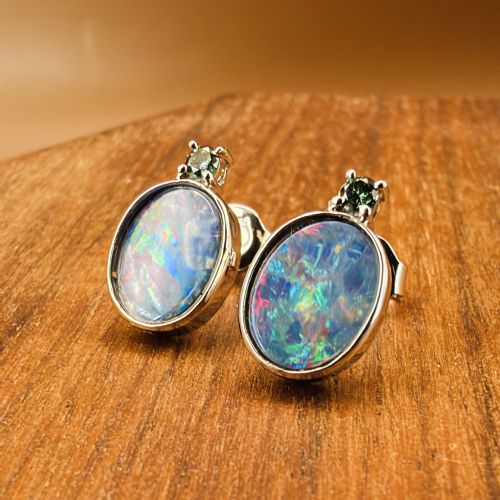
An oval cut gemstone sits at the heart of this collection, appearing predominantly within cluster rings, stud earrings, and pendant necklaces. The forms span Victorian pendants, Edwardian screw-on earrings, Art Deco trilogy rings, and mid-century modern pieces.
Buyers seeking this phrase encounter a rich variety of coloured stones alongside diamonds, set into configurations ranging from simple solitaires to complex diamond halos. The stones include rubies, sapphires, opals, aquamarines, emeralds, and amethysts.
The periods represented stretch from the late nineteenth century into the 1960s, showing how jewellers across different decades utilised the soft symmetry of the oval shape.
Materials and construction methods
The settings utilise a range of precious metals recorded in the listings, including platinum, 18ct yellow and white gold, 14ct gold, and 9ct gold. These metals provide the structural support necessary for complex cluster arrangements and delicate prong settings.
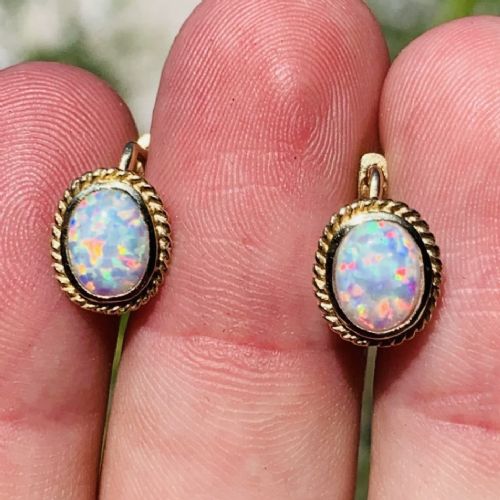
Master jewellers combined the central oval stones with accent diamonds, utilising claw settings, bezel mounts, and cluster frames. Gemstones such as cabochon opals and jade appear alongside faceted rubies, sapphires, and aquamarines, demonstrating diverse lapidary techniques.
Oval Cut Gemstone Retail Price Guide 2026
Typical asking prices for oval cut gemstone among the pieces listed under this phrase on Sellingantiques today, from the lower quarter to the upper quarter. They describe what is for sale here now, not the wider market.
Object forms recorded in the inventory include drop earrings, hinge back earrings, cluster rings, solitaire rings, and pendant necklaces.
Distinctions in quality and execution
The calibre of a piece rests upon the natural characteristics of the central oval stone, such as the unheated status of certain rubies and sapphires or the play of colour in Australian and Coober Pedy opals. Heavier carat weights and certified origins elevate specific examples.
The intricacy of the surrounding metalwork and the selection of accompanying old cut or princess cut diamonds define the standard of the mounting. Balanced proportions between the central oval stone and its frame distinguish finer examples from simpler commercial work.
The Oval Cut Gemstone Glossary
- Cluster ring
- A ring featuring a prominent central gemstone encircled by a group of smaller accent stones, typically diamonds.
- Cabochon
- A gemstone shaped and polished with a smooth, rounded surface rather than faceted edges, commonly seen on opals and jade.
- Old cut
- A vintage diamond cutting style characterised by a high crown, small table, and deep pavilion, prevalent in pieces predating modern machine cutting.
- Trilogy ring
- A ring set with three distinct gemstones, often interpreted as representing the past, present, and future.
- Doublet
- A composite gemstone made of two sections fused together, frequently utilised with opals to enhance durability and colour depth.
Oval Cut Gemstone: Frequently Asked Questions
What periods do these pieces come from?
The inventory spans several distinct eras, beginning with Victorian and Edwardian pieces from the early 1900s. Art Deco examples and mid-century designs from the 1950s and 1960s also feature prominently.
Each period brings its own characteristic metal choices and mounting styles, reflecting the shifting aesthetic preferences of twentieth-century jewellers.
Which gemstones are most common?
Sapphires and rubies appear frequently, often paired with diamond clusters in rings and pendants. Opals, aquamarines, and amethysts also represent a significant portion of the available stones.
Less common varieties such as tanzanite, garnet, and green amethyst occasionally appear in mid-century settings.
How should I care for opal pieces?
Opals contain natural water content and possess a softer surface structure compared to diamonds or rubies. They require gentle handling and should be kept away from harsh chemicals and ultrasonic cleaners.
Storing them separately prevents scratching from harder gemstones set in adjacent jewellery.
What metal types are used?
The pieces utilise platinum alongside various purities of gold, including 18ct, 14ct, and 9ct variants in yellow, white, and rose tones. Platinum provides exceptional strength for secure claw settings in antique cluster rings.
Gold purity often reflects the period and the intended durability of the daily wear item.