

Oval Cocktail Ring
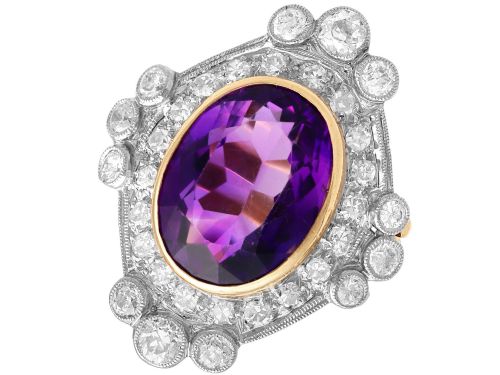
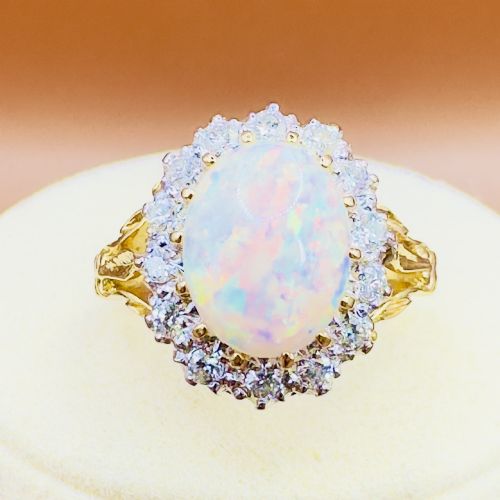
An oval cocktail ring commands the hand with a substantial central stone surrounded by diamonds, spanning periods from the Victorian era to mid-century modernism.
Oval Cocktail Ring
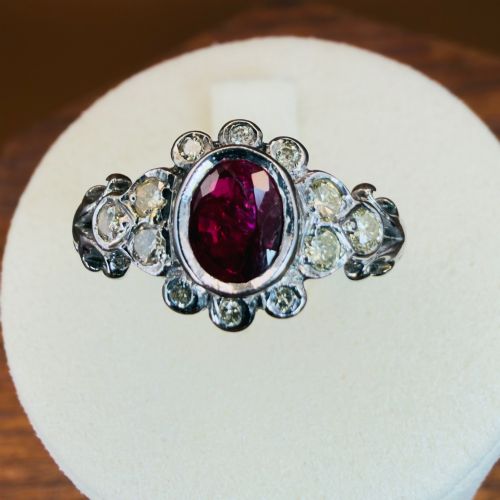
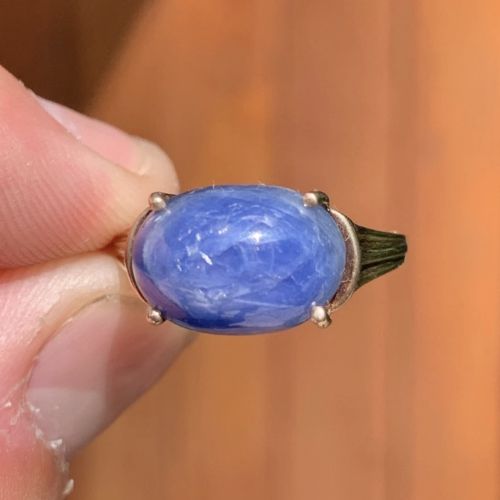
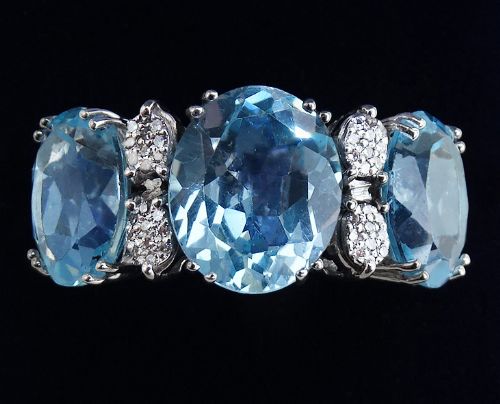
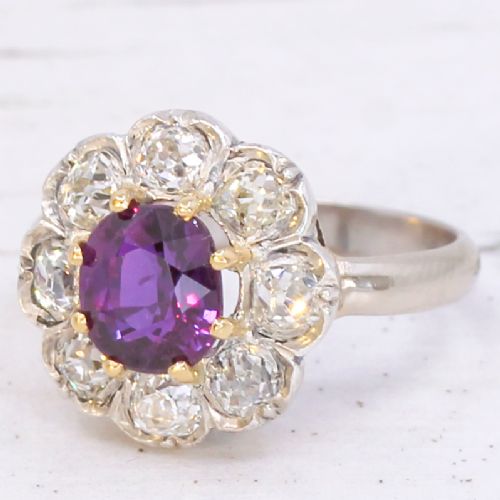
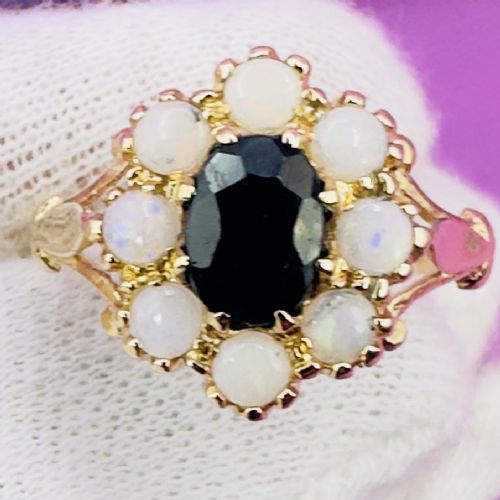
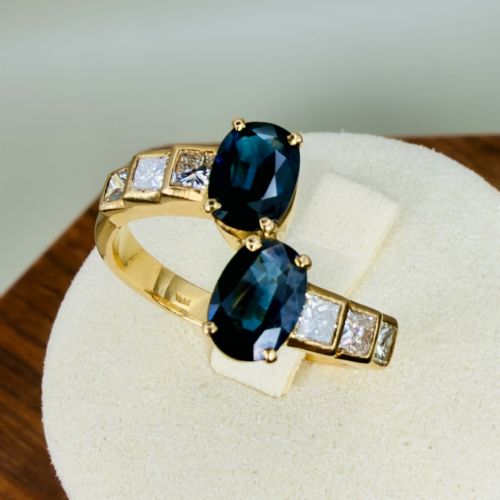
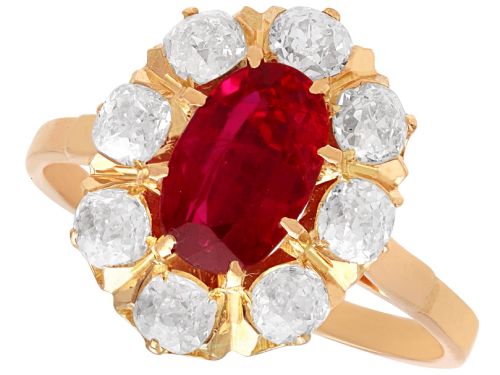
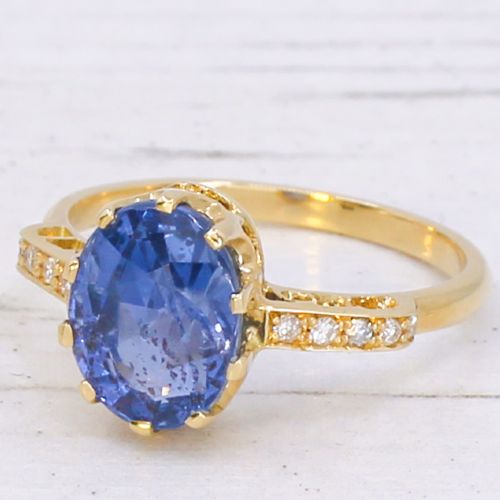
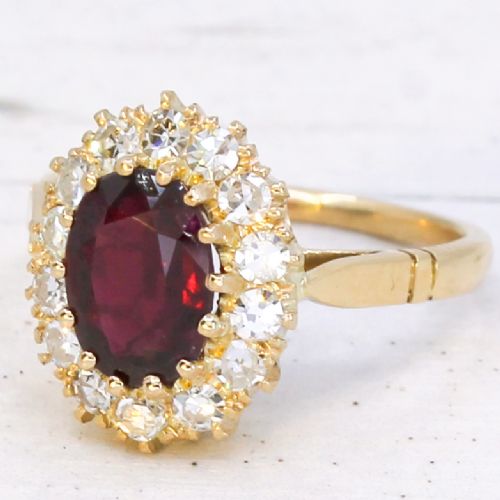
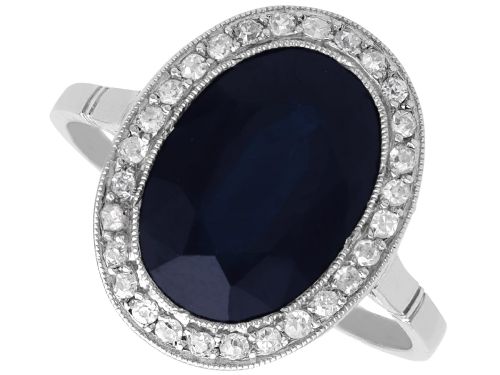
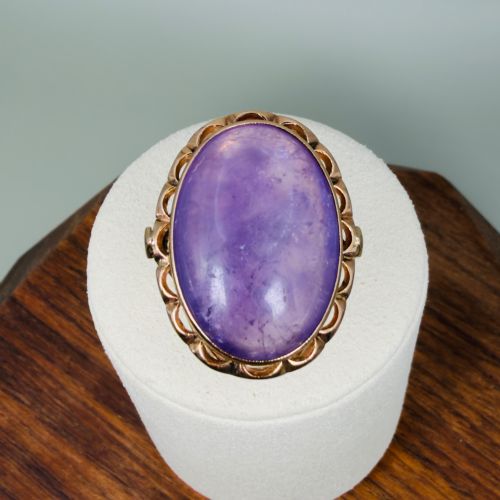
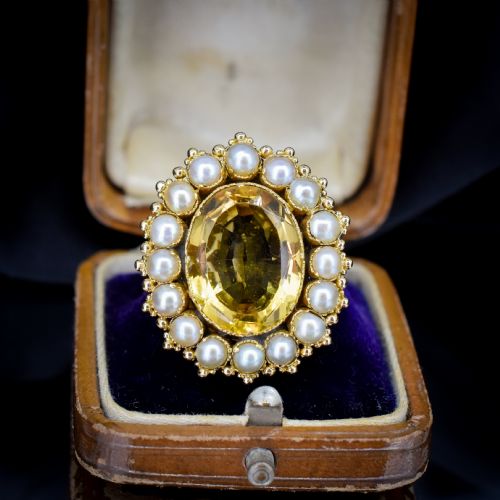
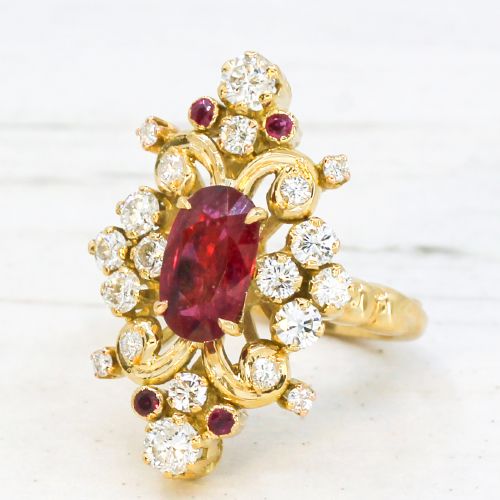
An oval cocktail ring is a statement jewel designed to draw the eye, most commonly found as a cluster ring featuring a prominent central gemstone. The form stretches vertically or horizontally across the finger, utilising the elongated silhouette to showcase sizable stones like sapphires, opals, and rubies.
The pieces on this page span from the nineteenth century through the Edwardian and Art Deco periods into the mid-twentieth century. Buyers will frequently encounter mid-century and vintage examples alongside antique clusters set in gold or platinum.
Makers and designers from these periods arranged diamonds in halos around amethysts, aquamarines, and emeralds. The resulting jewels serve as both historical artefacts and bold dress rings suited for evening wear.
How they were made
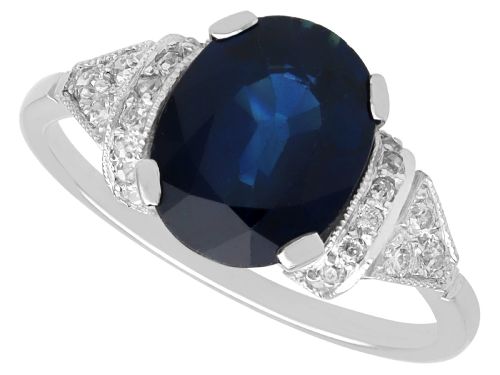
Goldsmiths utilised yellow gold, white gold, rose gold, and platinum to mount stones securely while keeping the metalwork proportionate to the central gem. Platinum became prominent in Edwardian and Art Deco pieces, allowing for delicate claw settings and millegrain edges that held small accent diamonds tight against the main stone.
Central gems were cut in oval cabochon or faceted oval shapes, then surrounded by old-cut, brilliant-cut, or princess-cut diamonds. Jewelers balanced weight and proportion by sinking stones into halo clusters or East-to-West settings across the finger.
Oval Cocktail Ring Retail Price Guide 2026
Typical asking prices for oval cocktail ring among the pieces listed under this phrase on Sellingantiques today, from the lower quarter to the upper quarter. They describe what is for sale here now, not the wider market.
Listings feature pieces spanning from the nineteenth century through the 1960s, utilising diamonds, sapphires, opals, and emeralds set in platinum and gold.
What varies in quality
Quality rests in the weight, origin, and treatment of the central gemstone, alongside the integrity of the surrounding diamond work. Unheated rubies and sapphires from specific origins command attention, while natural opals display superior play of colour across their cabochon surfaces.
The standard of the metalwork also defines the tier of the ring, visible in the crispness of the basket setting and the secure matching of accent diamonds. Heavier mounts in platinum or solid 18ct gold distinguish substantial dress rings from lighter 9ct or 14ct pieces.
Le Vian
The Oval Cocktail Ring Glossary
- Cabochon
- A gemstone shaped and polished with a smooth, rounded dome rather than faceted edges. This cut is frequently seen on opals, sapphires, and jade in these rings.
- Cluster ring
- A ring design featuring a prominent central stone framed by a ring of smaller accent stones, typically diamonds. This arrangement maximises the visual presence on the hand.
- Millegrain
- A decorative technique involving a line of tiny metal beads along the edge of a setting. It adds a delicate texture commonly found in Edwardian and Art Deco pieces.
- East-to-West setting
- An orientation where an elongated gemstone is mounted horizontally across the finger rather than vertically. This style widens the profile of the ring.
- Halo
- A concentric ring of smaller pavé-set or claw-set diamonds encircling a larger centre stone. The halo increases the perceived scale and brilliance of the primary gem.
Oval Cocktail Ring: Frequently Asked Questions
How do I wear a cocktail ring?
A cocktail ring is traditionally worn on the right hand as a statement piece for evening events and social gatherings. Because these rings feature prominent central stones and substantial settings, they pair best with simple attire that lets the jewel stand out.
Daily wear requires some care, particularly with softer stones like opals or pearls. Rotating the ring to your palm during manual tasks protects the setting and stones from accidental knocks.
How can I tell the period of a ring?
Dating a ring involves examining the metal choices, gemstone cuts, and construction techniques used in the mounting. Edwardian pieces often display platinum with intricate millegrain work, while 1950s and 1960s examples frequently showcase heavier gold construction and unheated coloured stones.
Hallmarks stamped inside the band provide official assay office marks and date letters that confirm the exact year of manufacture and metal purity.
Are these gemstones natural?
Many listings specify whether gems are natural, unheated, or possess gemmological reports confirming their origin. Natural rubies, sapphires, and emeralds have formed in the earth over millions of years, and higher grades are often accompanied by independent laboratory certificates.
Some historical pieces include synthetic stones produced during the early twentieth century, which are clearly noted to distinguish them from mined equivalents.