
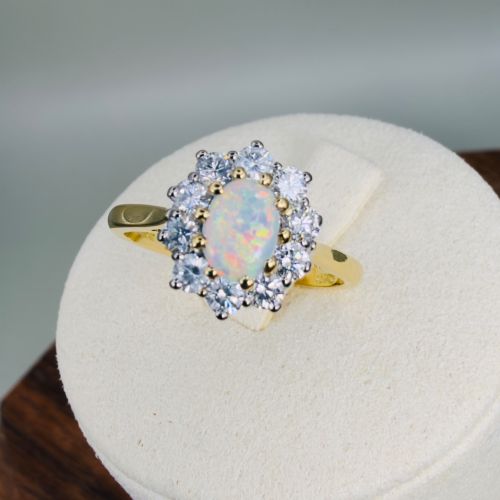
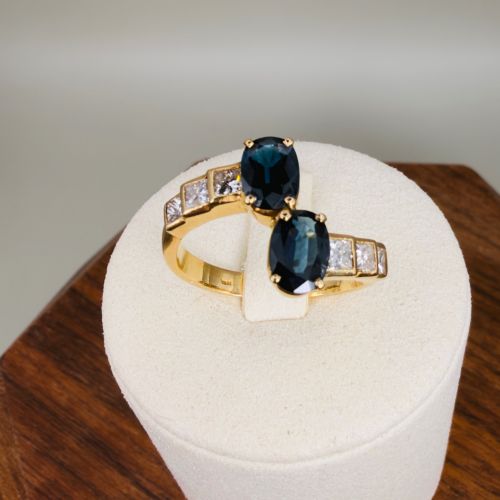
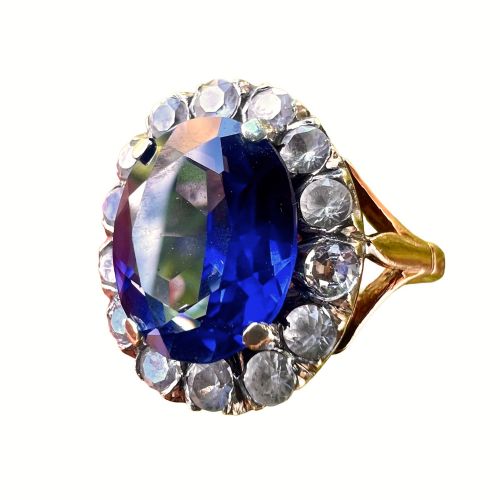
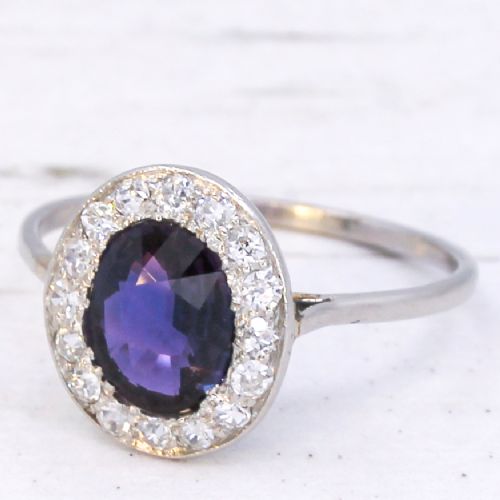
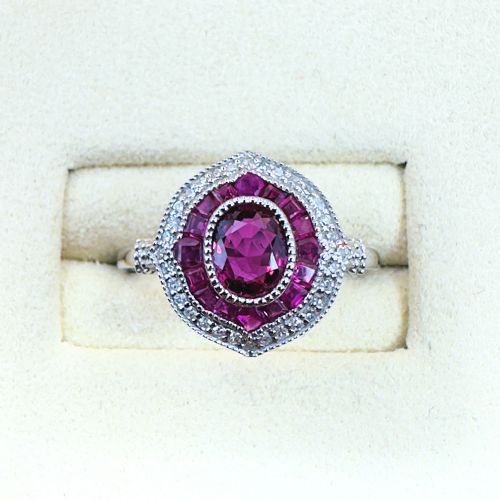
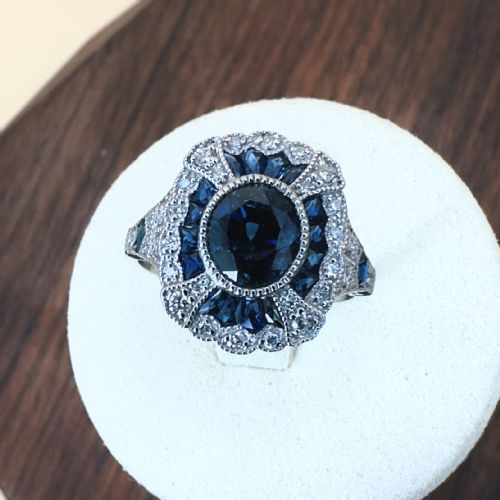
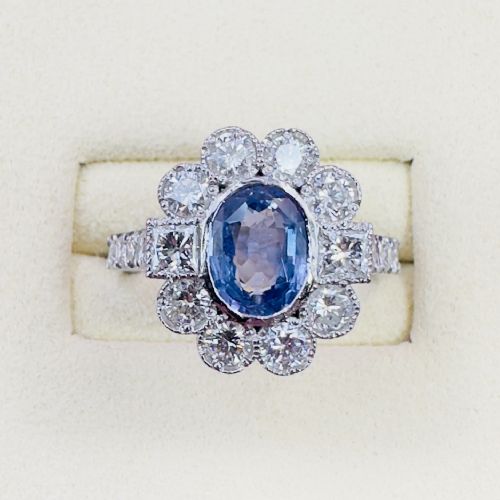
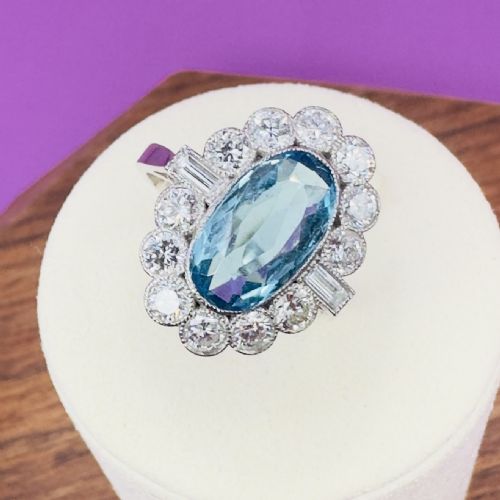
Oval Cluster Ring
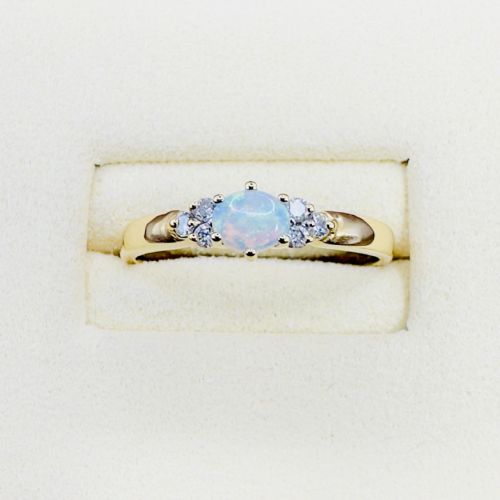
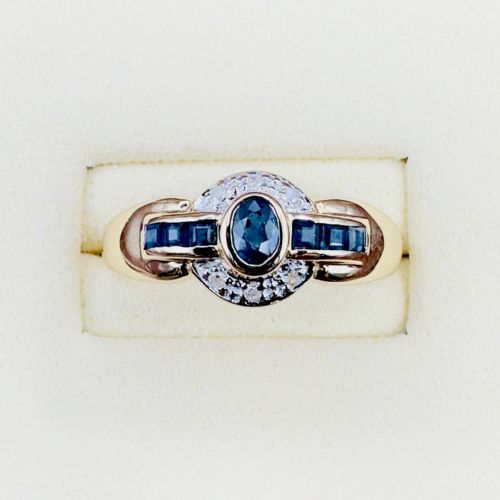
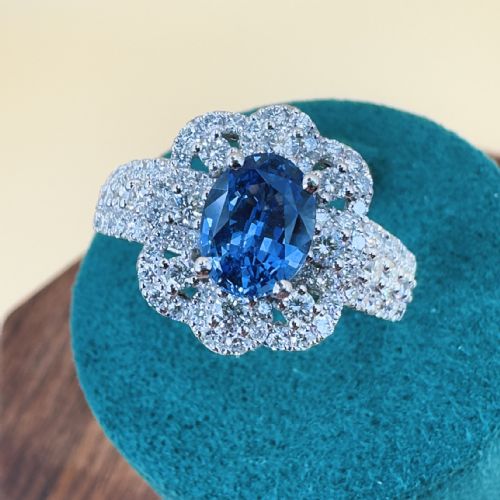
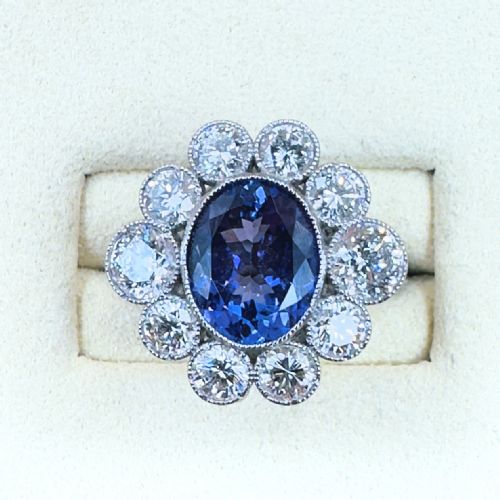
An oval cluster ring balances a central stone with a border of smaller gems, offering presence on the finger.
Oval Cluster Ring
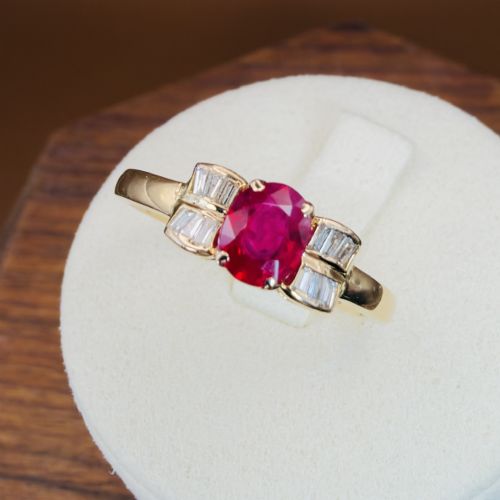
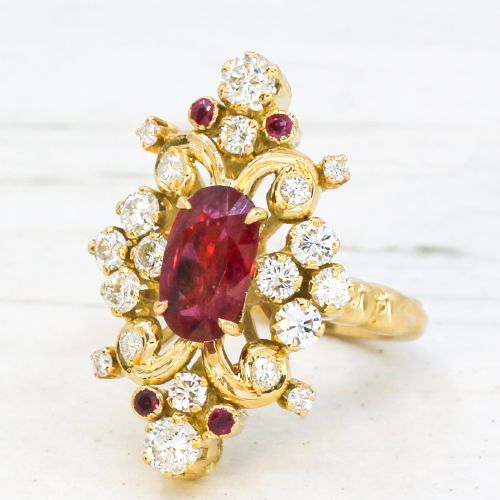
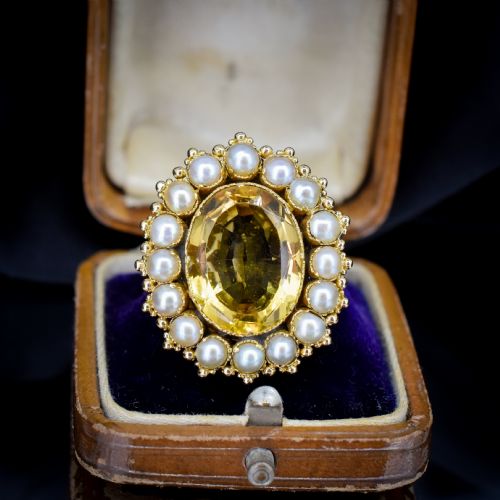
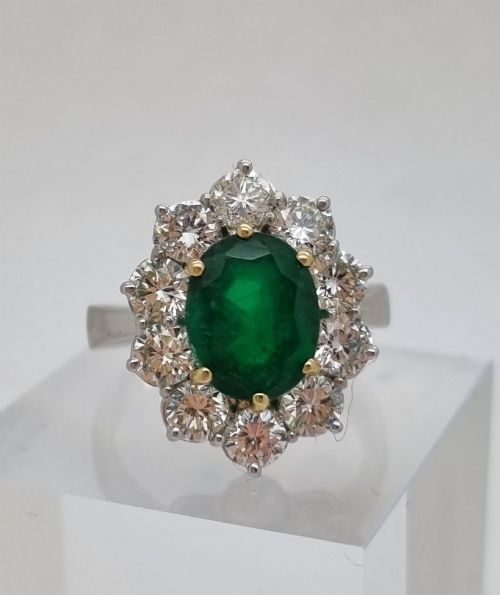
An oval cluster ring centres on an oval-cut gemstone, whether diamond, sapphire, ruby, emerald, opal, aquamarine, or tanzanite, surrounded by a distinct halo of accent stones. This page spans from the nineteenth century and the Edwardian era through the Art Deco period and into mid-century modern design.
The layout typically pairs a dominant coloured centre stone with brilliant-cut diamonds, though all-diamond configurations and combinations of pearls, garnets, or citrines also appear. Formats range from tight, low-profile Edwardian clusters to substantial mid-century cocktail rings.
Most pieces encountered here date from the mid-twentieth century, particularly the 1950s and 1960s, alongside significant numbers of Art Deco and earlier antique examples.
Materials and construction
Workmanship relies heavily on platinum and various grades of gold, including 18ct yellow gold, 18ct white gold, 14ct, and 9ct gold. Platinum gained favour during the Edwardian and Art Deco periods for its strength in holding delicate grain and millegrain settings without bulk.
Settings frequently combine claw mounts for the central oval stone with close-set or channel-set borders for the surrounding diamonds or smaller gems. Shank construction varies from simple round wire bands to robust tapered shoulders integrated into the head of the cluster.
The selection spans the nineteenth century, Edwardian era, Art Deco period, 1940s, 1950s, and 1960s.
Judging quality and proportion
Quality rests on the match between the central stone and its halo, where harmonious scale and colour saturation determine the visual impact. The setting work should sit securely without excess metal obscuring the facets of the smaller stones.
Wear on the prongs and the thickness of the shank indicate how heavily a piece has been used over time. Finer examples maintain crisp gallery work and secure stone depths even after decades of daily wear.
Le Vian
The Oval Cluster Ring Glossary
- Cluster ring
- A ring featuring a central stone encircled by a border of smaller accent stones. This arrangement maximises surface spread and visual impact.
- Halo
- The ring of smaller stones surrounding the central gem. It enhances the perceived size and brightness of the middle stone.
- Millegrain
- A decorative technique involving tiny raised metal beads along the edge of a setting. It was characteristic of Edwardian and Art Deco jewellery.
- Cabochon
- A gemstone cut with a smooth, rounded dome rather than faceted surfaces. This style is often used for opals, sapphires, and rubies.
- East to West setting
- An orientation where an elongated oval stone is mounted horizontally across the finger rather than vertically. This layout alters the traditional proportions of the hand.
Oval Cluster Ring: Frequently Asked Questions
What is an oval cluster ring?
An oval cluster ring is a finger ornament featuring a central oval-shaped gemstone framed by a border of smaller stones, usually diamonds. This configuration creates a substantial silhouette on the hand while highlighting the focal gem.
Such designs appear across multiple eras, from antique Victorian and Edwardian pieces to Art Deco and mid-century modern examples, utilising diverse materials including platinum, gold, and various coloured stones.
How do I date an oval cluster ring?
Dating relies on stylistic markers such as the mount geometry, metal choice, and cut of the stones. Edwardian pieces often use platinum with millegrain detailing, whereas 1950s and 1960s rings frequently employ heavier 18ct gold settings with streamlined cluster profiles.
Examining the back of the setting and the shank construction provides further clues to the period of manufacture, distinguishing older handmade pieces from later production.
Are these rings suitable for daily wear?
Many of these rings were designed for regular use, but durability depends on the materials selected. Harder stones like diamonds, sapphires, and rubies withstand daily wear well, while softer materials like opals or pearls require greater care.
Checking the security of the claws and the thickness of the band ensures the piece remains robust enough for everyday engagement or dress wear.
What stones are common in these clusters?
Diamonds and sapphires appear most frequently as the focal points, accompanied by rubies, emeralds, opals, aquamarines, and tanzanites. The surrounding halo almost exclusively consists of smaller diamonds or occasionally seed pearls.
Combinations vary from traditional blue sapphire and diamond arrangements to vibrant mid-century emerald and opal compositions set in yellow or white gold.