

Oval Cluster Engagement Ring
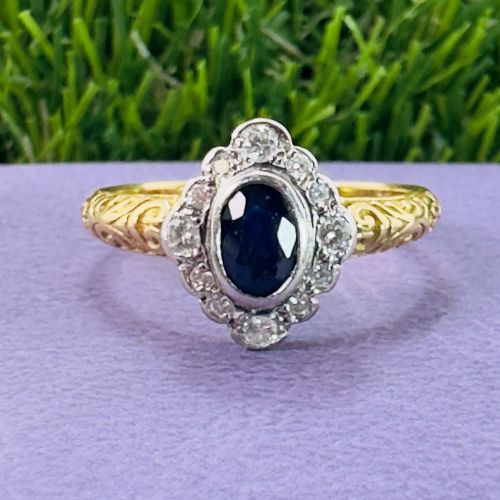
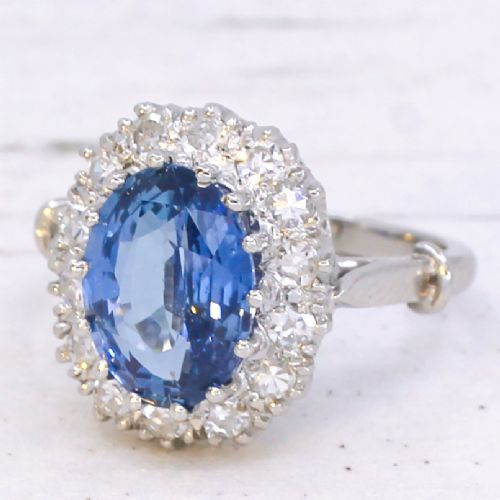
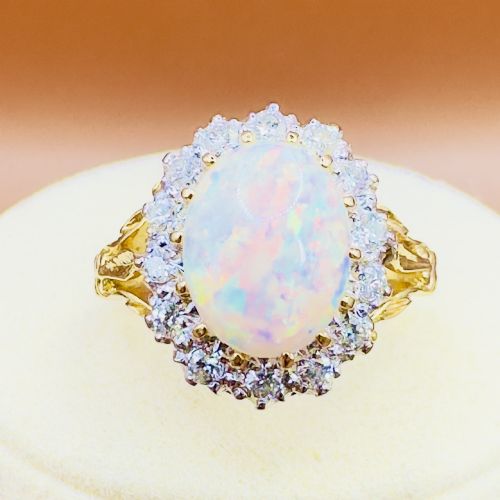
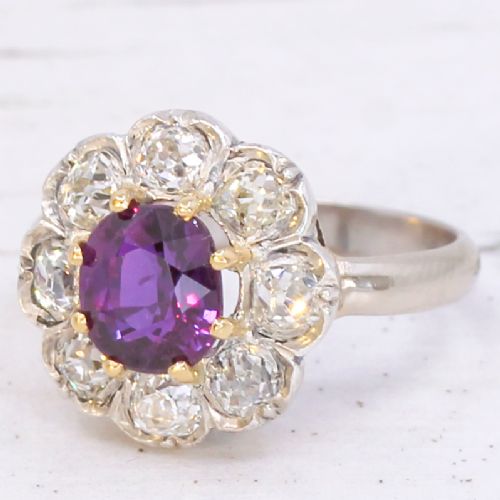
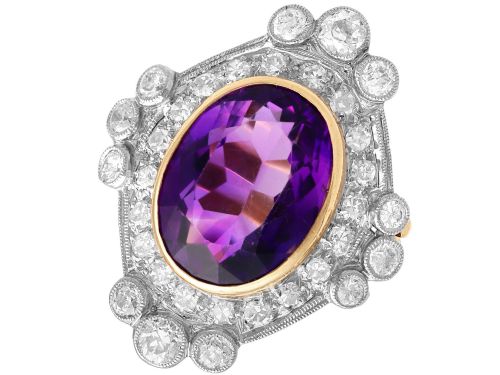
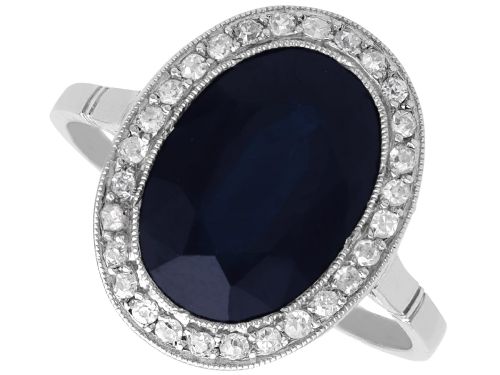
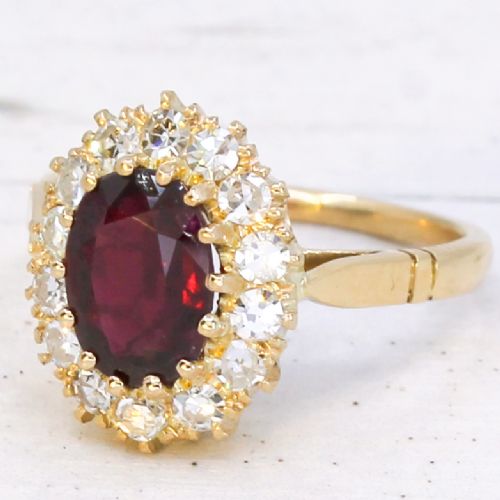
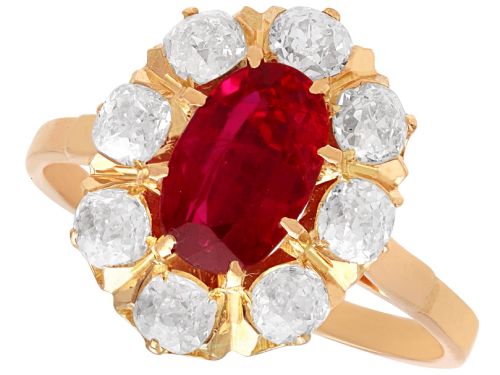
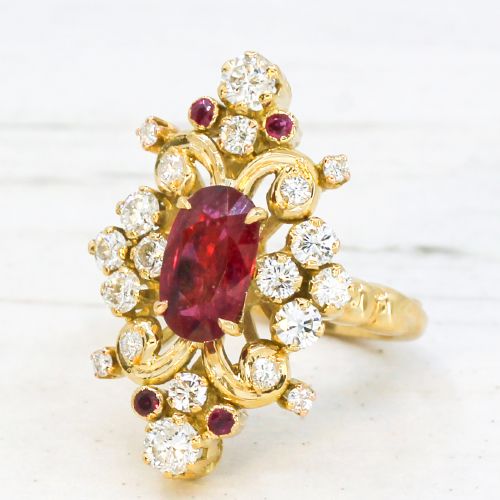
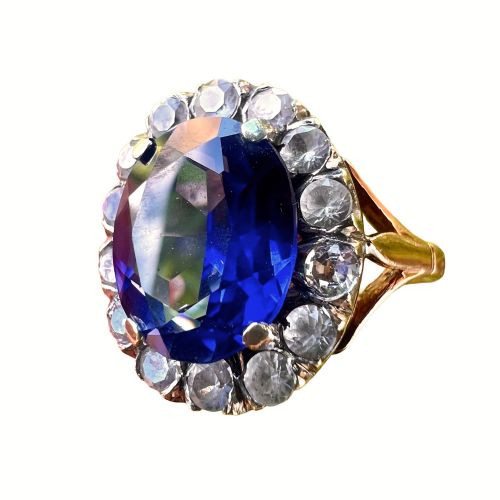
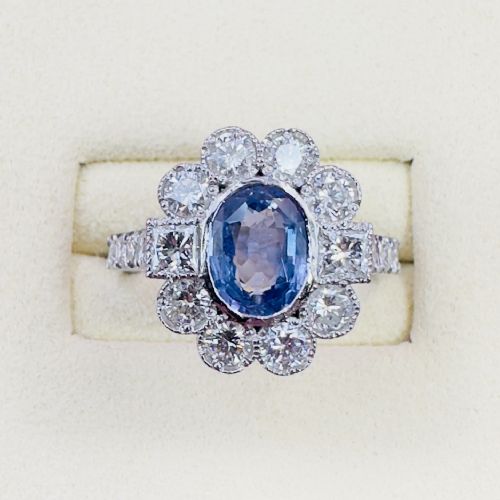
An oval cluster engagement ring brings together a central coloured stone and a bright surround of diamonds, creating an unmistakable silhouette that commands the hand.
Oval Cluster Engagement Ring
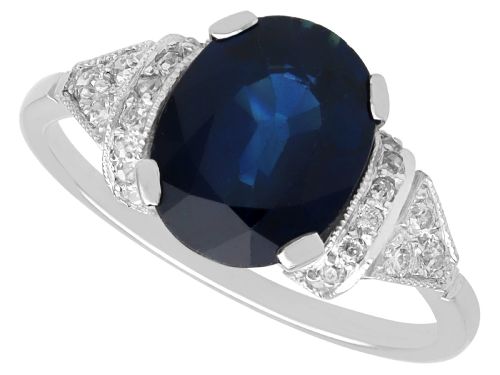
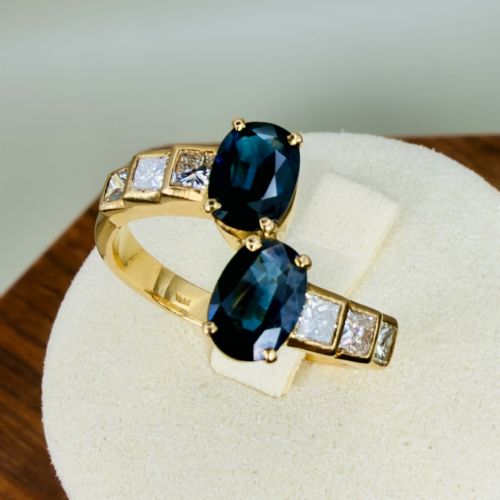
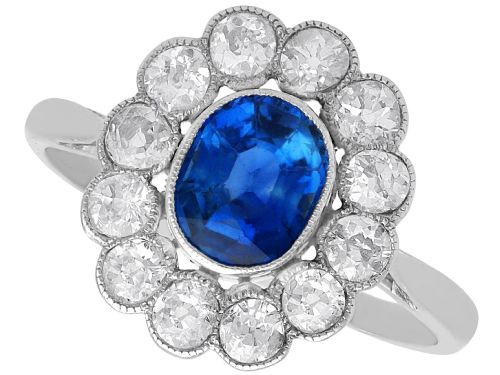
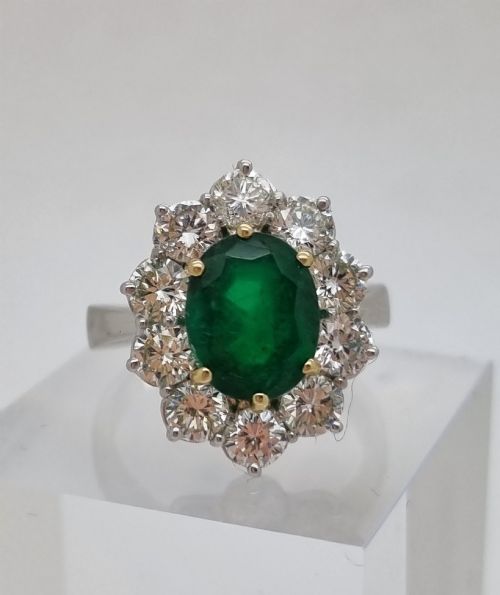
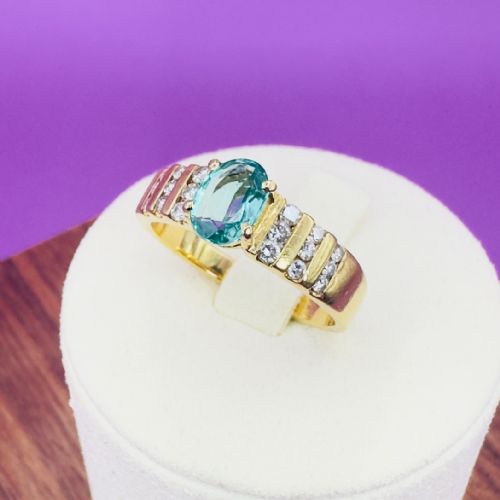
An oval cluster engagement ring centres on a distinctively shaped central gem, most commonly a vivid sapphire, ruby, emerald, tanzanite, aquamarine, or diamond, embraced by a border of smaller sparkling stones. These pieces span from the intricate craftsmanship of the Victorian and Edwardian eras through the geometric lines of Art Deco and into the bolder forms of the mid-century.
The layout typically positions an elongated or cushion oval stone directly in the middle, allowing the surrounding border to amplify both its colour and apparent scale. Buyers will encounter numerous examples mounted in platinum or yellow and white gold, reflecting the shifting metal preferences of the twentieth century.
Whether set with a deep blue Burma sapphire or a fiery ruby, an oval cluster engagement ring combines historical charm with a commanding presence on the finger.
Materials and Construction
Goldsmiths predominantly utilised platinum and 18ct gold, occasionally incorporating silver in older settings to brighten the appearance of early diamond surrounds. Platinum gained favour for its strength and secure claw work, enabling delicate settings that held multiple stones without dominating the design.
Stones were secured using traditional techniques such as grain setting for smaller border diamonds and robust claws or bezels for the central oval gem. These methods ensured the principal stone remained prominent while the surrounding border sat flush or tiered to catch the light from every angle.
Oval Cluster Engagement Ring Retail Price Guide 2026
Typical asking prices for oval cluster engagement ring among the pieces listed under this phrase on Sellingantiques today, from the lower quarter to the upper quarter. They describe what is for sale here now, not the wider market.
Materials recorded across the inventory include platinum, 18ct gold, diamonds, sapphires, rubies, emeralds, and opals.
Distinctions in Quality
The distinction between tiers rests upon the natural saturation and clarity of the central gem, alongside the matching uniformity of the surrounding stones. Unheated sapphires and rubies with vibrant internal fire command greater appreciation than stones requiring thermal enhancement.
Execution of the metalwork also defines the upper range, where hand-beaded millegrain and balanced proportions reveal the hand of a skilled maker. Every stone must sit tightly in its setting with minimal visible metal between them, creating a continuous halo of brilliance.
Le Vian
The Oval Cluster Engagement Ring Glossary
- Cluster ring
- A ring design featuring a central gemstone encircled by a group of smaller stones. This arrangement maximises visual impact and creates the appearance of a larger overall centrepiece.
- Halo
- A concentric ring of pavé or prong-set diamonds surrounding a larger central gemstone. It enhances the perceived size and brilliance of the primary stone.
- Millegrain
- A decorative technique involving a row of tiny metal beads along the edges of a setting. It was particularly popular in Edwardian and Art Deco fine jewellery.
- Cabochon
- A gemstone shaped and polished with a smooth, rounded domed top rather than faceted edges. This style is frequently used for opals, rubies, and sapphires to highlight internal colour.
- Unheated
- A gemstone that has not undergone thermal treatment to improve its colour or clarity. Natural stones of this calibre are prized by collectors for their unaltered origin.
Oval Cluster Engagement Ring: Frequently Asked Questions
What is an oval cluster engagement ring?
An oval cluster engagement ring is a finger ornament featuring a central oval-shaped gemstone, such as a sapphire, ruby, or diamond, surrounded by a border of smaller accent diamonds.
This configuration has been favoured across multiple historical periods for its ability to balance a strong central colour with sparkling perimeter detail.
How do I care for an antique cluster ring?
Antique and vintage rings require gentle handling, particularly pieces featuring softer centre stones like opals or older claw settings that may have thinned over decades of wear.
Regular inspection by a specialist ensures the tiny prongs holding the surrounding halo remain secure and the stones stay firmly in place.
Are these rings suitable for daily wear?
Many cluster rings with durable central stones like diamonds, sapphires, or rubies handle everyday wear comfortably when mounted in robust metals like platinum or 18ct gold.
However, rings featuring softer gems or open-backed Edwardian settings benefit from removal during heavy manual tasks to protect the delicate metalwork.
How can I tell the era of my ring?
Dating relies on examining the mounting style, metal choices, and stone cut characteristics, such as the transition from old European cuts to brilliant cuts across the twentieth century.
Victorian and Edwardian pieces often incorporate silver-topped gold and fine millegrain work, while mid-century examples lean towards bolder platinum profiles.