


Outdoor Cast Iron Bench
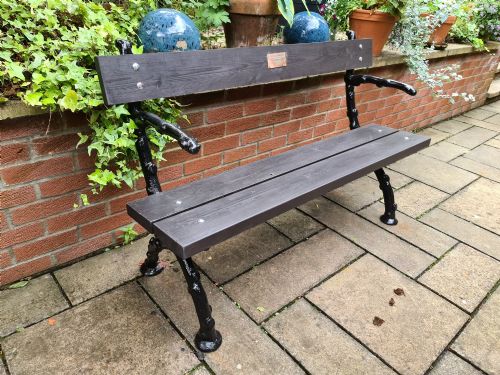
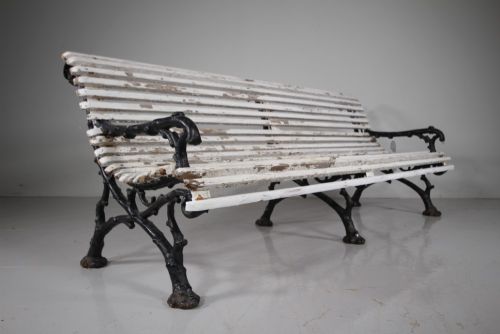
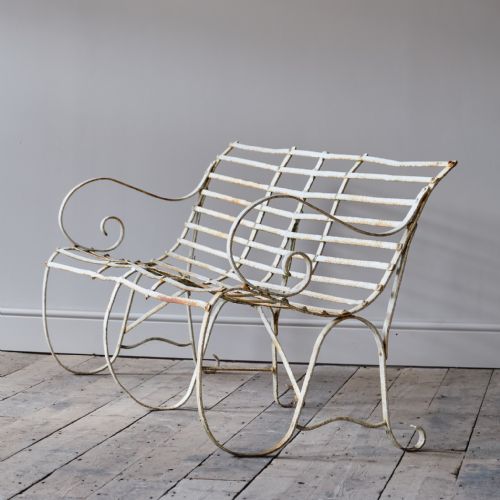
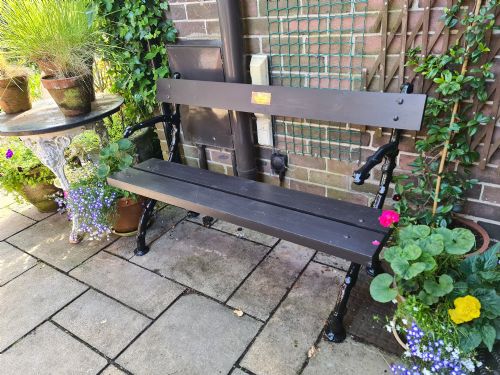
An outdoor cast iron bench brings enduring architectural weight to a garden, offering heavy cast metal framing combined with timber or iron slats.
Outdoor Cast Iron Bench
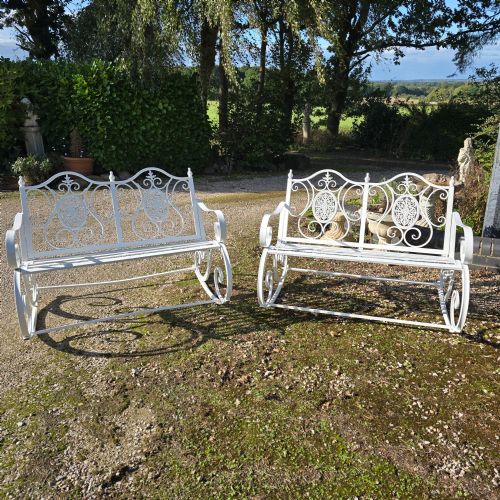
An outdoor cast iron bench is a durable seat designed for gardens, parks, and patios, combining structural metal ends with supportive seating surfaces. The examples found here primarily stem from the nineteenth century, encompassing Victorian, Gothic, rustic, and decorative styles alongside twentieth-century iterations.
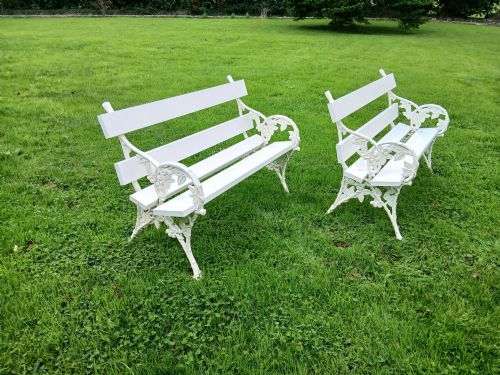
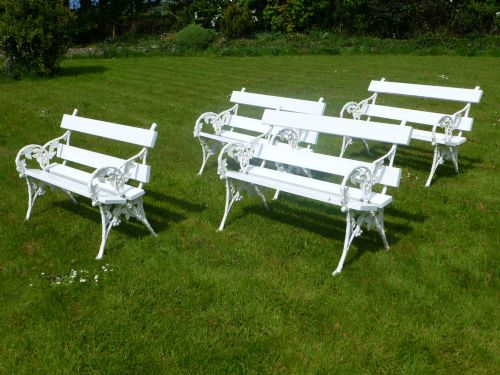
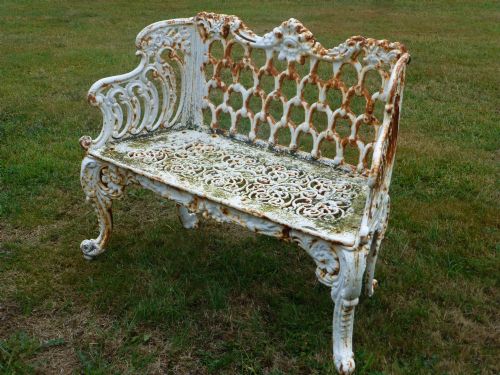
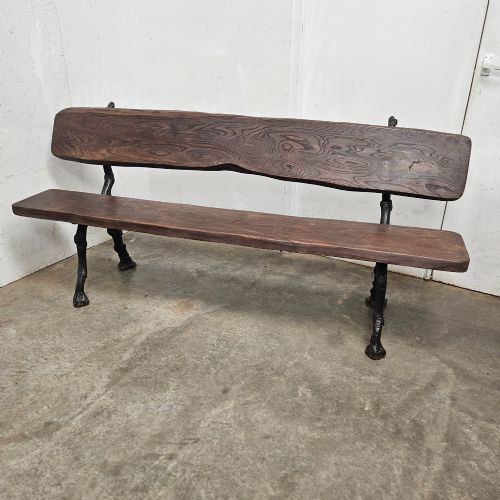
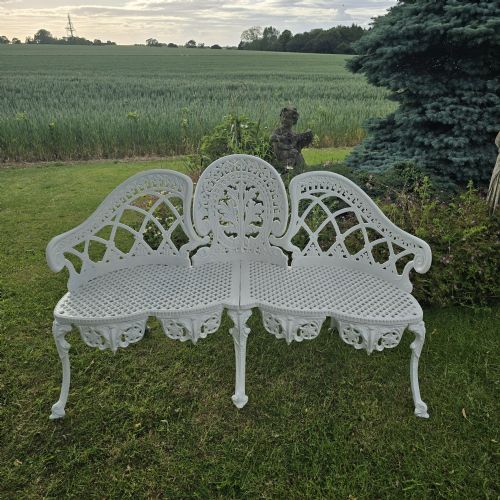
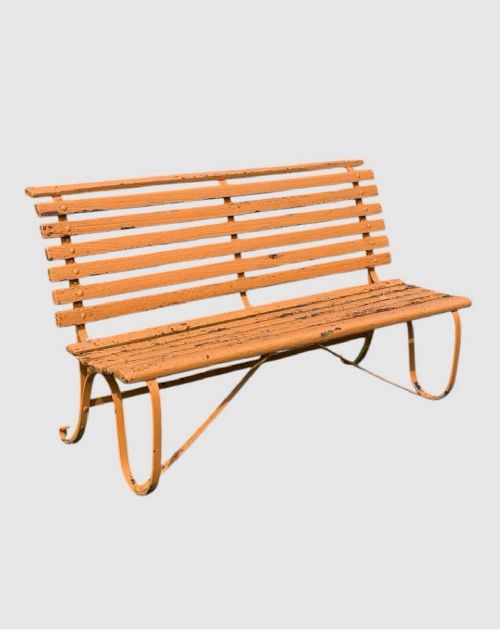
The most frequent form encountered on this page is the Victorian garden bench, often featuring pierced scrollwork, foliage motifs, or distinctive foundry markings. Buyers will also discover pairs of garden armchairs, sets of four chairs with matching benches, and rustic designs incorporating timber, elm, or painted wood.
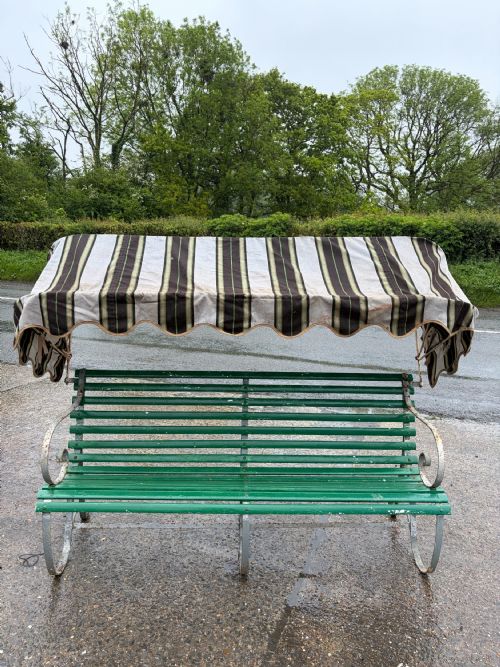
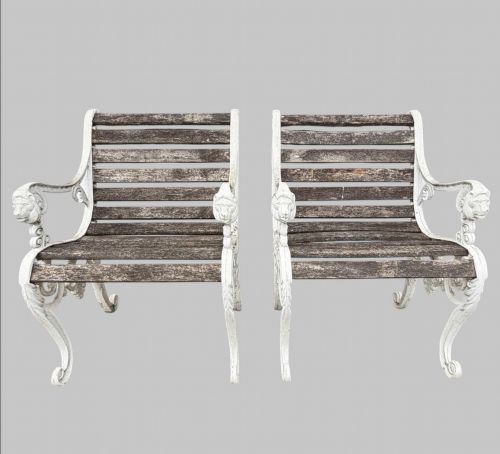
Origins span English and French workshops, utilising cast iron, wrought iron, and occasionally faux bois techniques to mimic natural timber. Certain pieces include specific structural elements such as canopies or lion mask details, reflecting diverse domestic and institutional settings from railway stations to private country estates.
Design complexity and foundry attribution
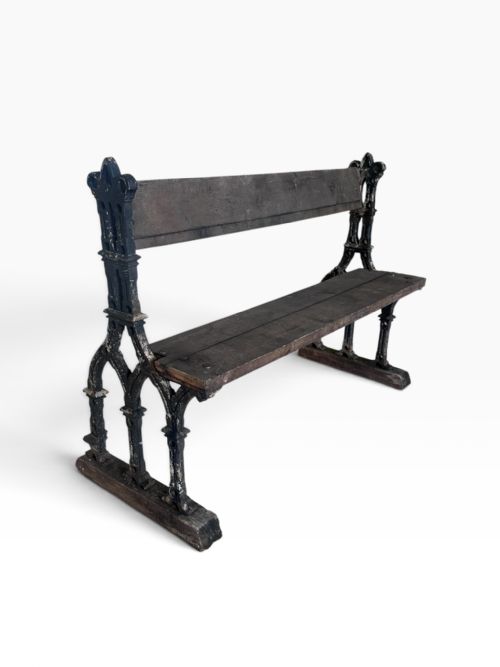
The distinction between standard production and top-tier pieces lies in the crispness of the casting detail and the complexity of the design. Highly ornate Victorian gothic motifs, naturalistic blackberry and leaf patterns, or named foundry attributions elevate a piece above plain utilitarian forms.
Completeness and originality significantly influence the standing of an outdoor cast iron bench, particularly regarding matching pairs, original wooden slats, and intact bench ends. Pieces retaining their early surface paint or structural hardware demonstrate superior preservation compared to heavily altered examples.
Certain nineteenth-century models feature intricate blackberry leaves cast so realistically that local birds occasionally mistake them for actual brambles.
Falkirk Carron Foundry·Val D osne
The Outdoor Cast Iron Bench Glossary
- Bench ends
- The structural cast iron side panels that support the backrest and seat slats of a garden bench. They usually display the primary decorative pattern or foundry design.
- Faux bois
- A French technique where metal or concrete is shaped and painted to imitate natural wood grain and branches. This style frequently appears in nineteenth-century garden furniture.
- Strap work
- Flat bands of wrought iron or metal riveted or joined in geometric patterns to form supportive frameworks. It is commonly seen on Victorian garden seats.
- Gothic design
- A style characterised by pointed arches, trefoils, and vertical tracery borrowed from medieval architecture. Victorian foundries frequently applied these motifs to outdoor seating.
Outdoor Cast Iron Bench: Frequently Asked Questions
How do I maintain an outdoor cast iron bench?
Keep the metal clean and dry where possible, applying appropriate protective paint layers if corrosion begins to show on the surface.
Inspect the wooden slats regularly and treat the timber to prevent weathering or rot where it meets the iron frame.
Are these benches heavy to move around the garden?
Cast iron components provide substantial weight, making these seats remarkably sturdy and stable on uneven ground without requiring permanent fixings.
Enlist assistance when repositioning them to avoid straining joints or damaging historical timber slats.
Can these garden seats stay outside all winter?
Cast iron withstands cold temperatures effectively, though prolonged exposure to moisture can accelerate paint degradation and timber decay.
Covering the bench during harsh weather or storing wooden components under shelter helps preserve the original materials.
How can I tell a Victorian bench from a later copy?
Examine the crispness of the casting detail, the weight of the iron, and the construction methods used to secure the slats.
Nineteenth-century pieces often display registration marks, specific foundry patterns, or hand-finished surfaces that distinguish them from modern reproductions.